
What Happens When 18th Century Opulence Meets AI Couture? Jean Paul Gaultier’s Fall 2026 Collection Has the Answer
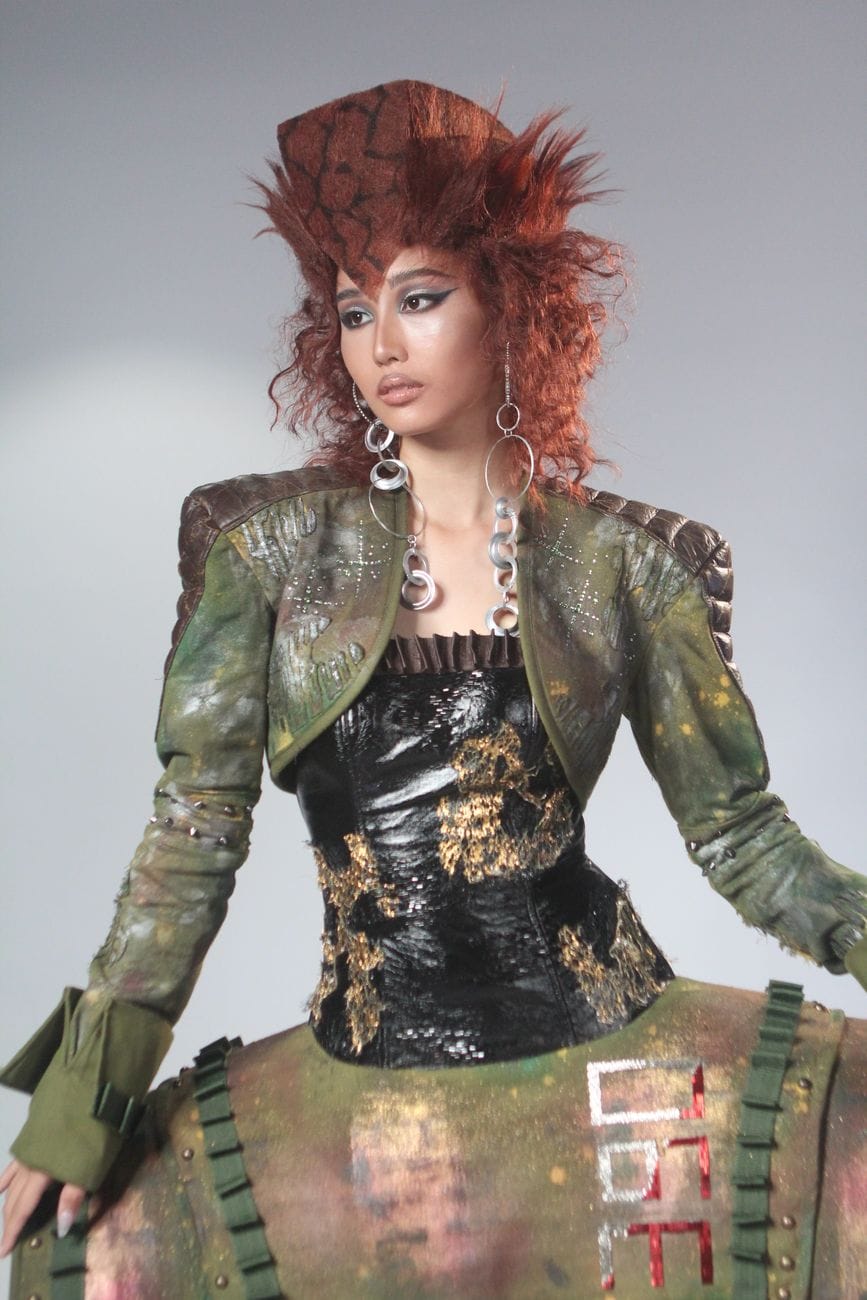
Paris, France, MMN Correspondent: Imagine stepping into a dream where powdered wigs and corsets collide with laser scans and biomechanical forms. That’s exactly what happened when Jean Paul Gaultier unveiled its Fall 2026 haute couture collection during Paris Fashion Week. The show marked the debut of designer Duran Lantink at the helm of the iconic French house, and it was nothing short of a sensory puzzle.
The runway itself felt like a portal. One moment you’re surrounded by the gilded echoes of Louis XIV’s court. The next, you’re staring at garments that seem to breathe, shift, and almost think. Lantink posed a simple question before the show: “What does couture mean for me?” Over 47 looks, he answered with a blend of historical grandeur and futuristic precision that left the audience leaning forward in their seats.
One of the most talked about pieces came from a surprising source. Lantink used 3D body scanning technology on top male model Leon Dame. His torso was captured in high resolution, then transformed into a custom fitted bodysuit that looked like it had melted sideways. Layered satin and feather embedded mesh formed a fluid carapace. It wasn’t just clothing. It was a statement that the human body is no longer a passive mannequin but an active collaborator in design.
The collection played with the idea of displaced corsetry. Rigid structures were softened, stretched, or turned inside out. Satin tubes, some encrusted with feathers or delicate tulle, flowed like liquid from the front and back of garments. They created cascading volumes that seemed to defy gravity. These weren’t static decorations. They were engineered to move with the wearer’s breath and stride, turning each step into a performance.
Color choices leaned into a monochromatic yet emotionally charged palette. Deep charcoal greys, obsidian black, and bone white were punctuated by subtle iridescent highlights. Reflective fabrics and micro embroidered metallic threads caught the light in ways that felt otherworldly. Yet beneath that futuristic shimmer lay thousands of hours of hand stitching, beading, and pleating. Even in an age of digital fabrication, the soul of couture remains in the artisan’s hands.
Accessories reinforced the collection’s conceptual depth. Headpieces resembled fragmented crowns fused with circuit like patterns. Footwear featured sculptural heels with embedded LED lighting modules that pulsed in rhythm with the music. Makeup was minimal but sharp. Contouring around the cheekbones and eyes, paired with translucent lip treatments, blurred the line between human and machine.
This collection matters beyond its visual impact. As luxury fashion grapples with sustainability and technological ethics, Lantink’s approach offers a path forward. He integrates advanced tools like 3D scanning and AI assisted pattern making without sacrificing handcraftsmanship. Jean Paul Gaultier positions itself at the forefront of responsible futurism. This balance is especially relevant as consumers demand transparency and authenticity in high end design.
The emotional weight of the show was palpable. The venue’s temperature reportedly exceeded 35°C (95°F). Audience members fanned themselves frantically, their discomfort mirroring the disorientation evoked by the collection. That physical reaction became part of the performance. True couture, it seems, should unsettle, provoke, and inspire. It demands more than visual appreciation. It asks for mental surrender, a willingness to embrace the absurd beauty of the unexpected.
Critics have called this a landmark moment in contemporary fashion history. It represents not just a successful leadership transition within a legendary maison, but a broader cultural shift. Heritage brands are no longer bound by nostalgia. They are empowered to reinvent themselves through fearless experimentation. Lantink’s vision aligns with a growing trend among younger designers who seek to merge past and future, craft and code, nature and technology.
Looking ahead, the Fall 2026 collection sets a precedent for how haute couture can remain relevant in an increasingly digital world. Its influence will likely ripple through upcoming seasons, inspiring other houses to explore biometric design, adaptive clothing, and interactive textiles. For now, Jean Paul Gaultier has proven that couture is not a relic of the past. It is a living, breathing entity capable of transformation and rebellion.
As the final look emerged, a voluminous gown made entirely of suspended tulle and illuminated from within, the audience erupted into applause. It was less a celebration of a dress and more a recognition of a revolution. One stitched with thread, coded in algorithms, and born from imagination.
Related in Fashion

Fashion
Why Your Next Wardrobe Could Be Made of Mushrooms: Inside Ambush’s Spring 2027 Collection
What happens when a Tokyo fashion house decides to stop chasing global trends and instead listens to the forest? You get Ambush’s Spring 2027 Ready to Wear collection, unveiled during Paris Fashion Week. This is not just a new line of clothes. It is a quiet rebellion against the…
Read More...
Fashion
What Maria Grazia Chiuri’s Fendi Debut in Rome Means for the Future of Haute Couture
On a warm July evening in Rome, something quietly extraordinary happened inside the Galleria Nazionale d’Arte Moderne e Contemporanea. Maria Grazia Chiuri, fresh from a decade at Dior in Paris, returned to her hometown to present her first haute couture collection for Fendi. The…
Read More...
Fashion
20 Years of Masks: How Ashi Studio’s Fall 2026 Couture Turned Paris Fashion Week Into a Surrealist Dreamscape
What happens when a fashion house celebrates two decades not with a retrospective, but with a full-blown theatrical meditation on identity, disguise, and the art of concealment? Ashi Studio answered that question on the Fall 2026 runway, and the answer was nothing short of mesme…
Read More...
Fashion
How Magda Butrym’s 2027 Resort Collection Turns a Cult Film Into Wearable Art (And Why NYFW Is Next)
What happens when a designer takes a cult Polish psychological thriller and turns it into a wardrobe you can actually wear? Magda Butrym’s 2027 Resort collection offers a compelling answer. Titled ‘Szamanka,’ after Andrzej Żuławski’s 1996 film about power, desire, and identity,…
Read More...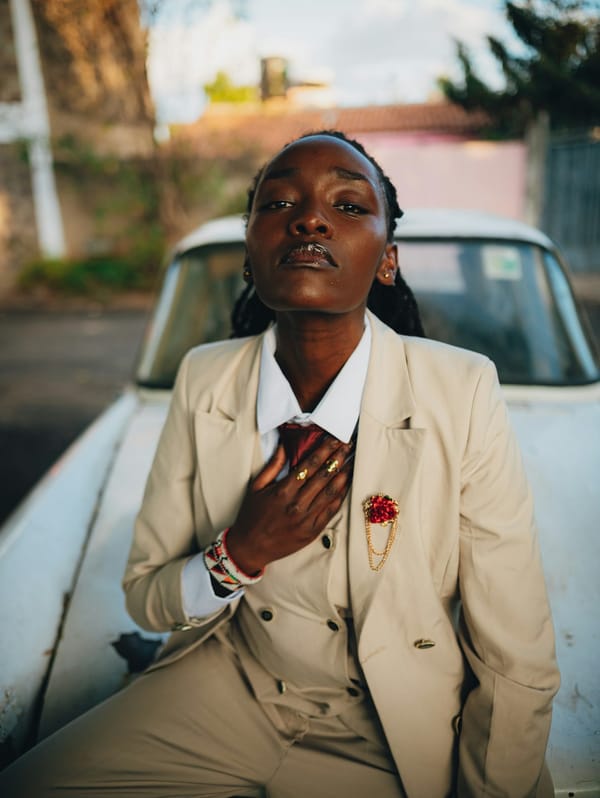
Fashion
7 Ways Berlin Designer Mario Kleine Is Redefining Menswear with History and Emotion in Spring 2027
What happens when a designer stops chasing the next big thing and starts listening to the whispers of the past? Mario Kleine, the mind behind Berlin based label Marke, just answered that question with a collection that feels less like fashion and more like a conversation across…
Read More...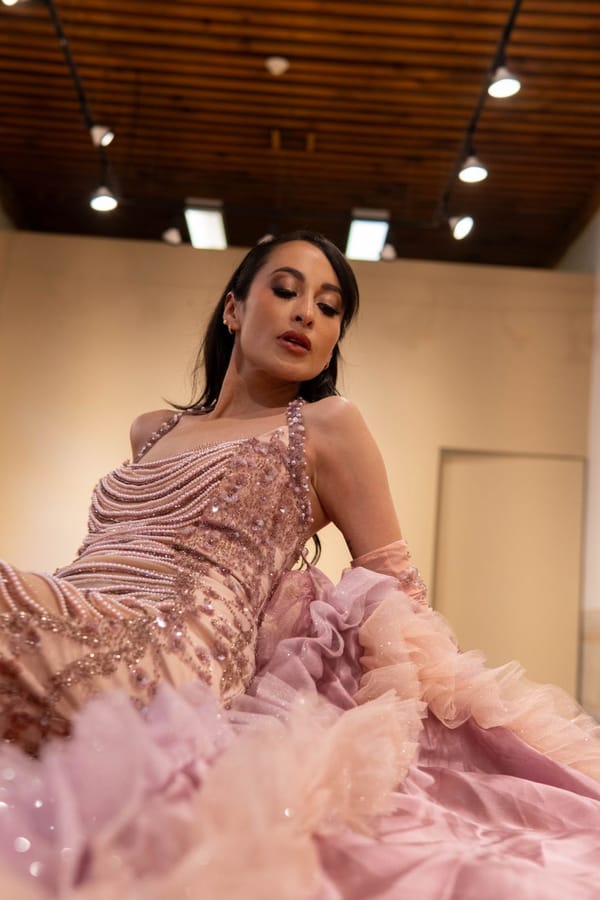
Fashion
7 Reasons Gigi Hadid’s Salmon Pink Wiederhoeft Dress and Soft Serve Hair Are the 2026 Wedding Trend You Need to Copy
Picture this: a candlelit seaside soirée, the air thick with romance, and every guest dressed like a character from a dream. That was the scene at Taylor Swift and Travis Kelce’s 2026 wedding, an event that didn’t just celebrate love—it launched a new era in fashion. Among the a…
Read More...
Fashion
Inside Taylor Swift and Travis Kelce’s Madison Square Garden Wedding: Music, Fashion, and Surprises You Need to Know
Imagine the world’s most famous pop star and an NFL superstar saying “I do” inside a legendary arena that has hosted everyone from Elvis to the Knicks. That’s exactly what happened on July 3, 2026, when Taylor Swift and Travis Kelce turned Madison Square Garden into their privat…
Read More...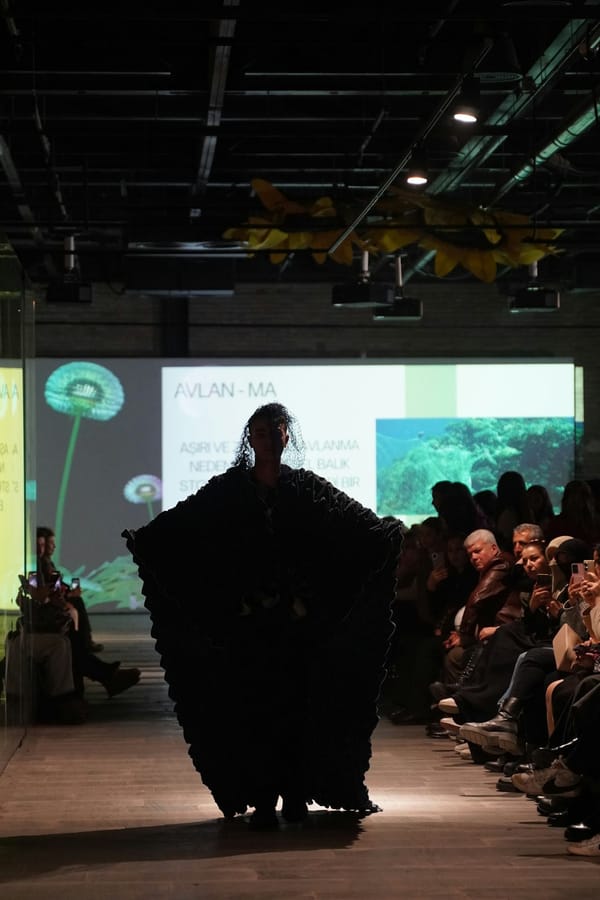
Fashion
Why Fashion Insiders Are Calling Anna October’s Resort 2027 Collection a Love Letter to Paris (And You’ll Want Every Piece)
In July 2026, the fashion world’s gaze settled on Paris for reasons beyond its famed boulevards and iconic landmarks. Anna October presented her Resort 2027 collection, titled ‘Café Pleasure,’ at an intimate event that wove together architectural inspiration, historical nods, an…
Read More...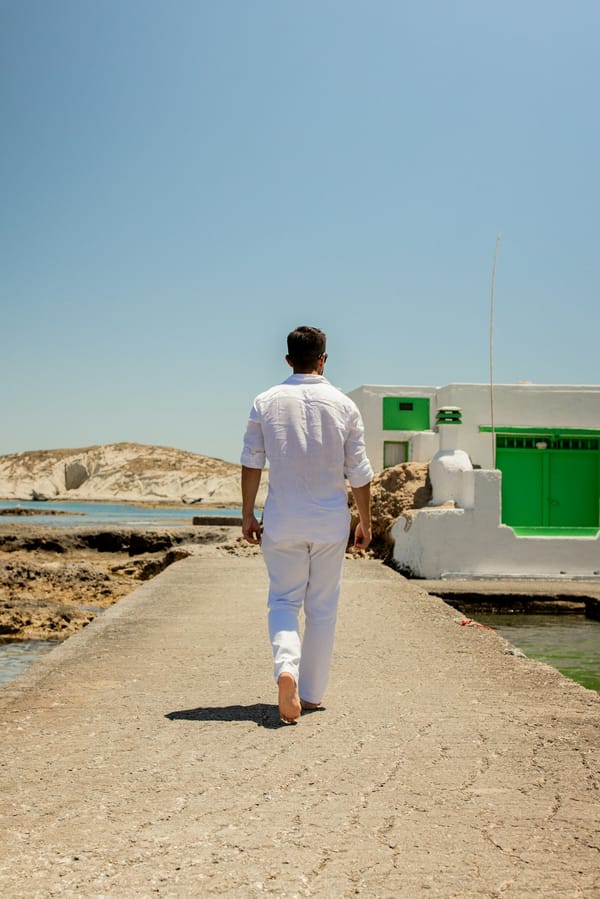
Fashion
7 Ways Mykonos Transformed Duckie Brown’s Spring 2027 Menswear Into a Mediterranean Dream
What happens when two Brooklyn designers trade the roar of subway trains for the whisper of Aegean waves? Daniel Silver and Steven Cox, the minds behind Duckie Brown, found out this spring. They spent months on Mykonos, not as tourists but as students of the island’s quiet rhyth…
Read More...
Fashion
7 Ways Ranra’s Spring 2027 Menswear Collection Is Redefining Summer Tailoring for the Modern Man
What happens when a brand built for Arctic winters decides to take on the heat? Ranra’s Spring 2027 menswear collection answers that question with a wardrobe that feels both unexpected and inevitable. Creative duo Arnar Már Jónsson and Luke Stevens have done something quietly ra…
Read More...