
7 Ways Magliano’s Spring 2027 Menswear Turns Family Photos into Fashion Rebellion – See the Milan Show That Redefines Queer Style
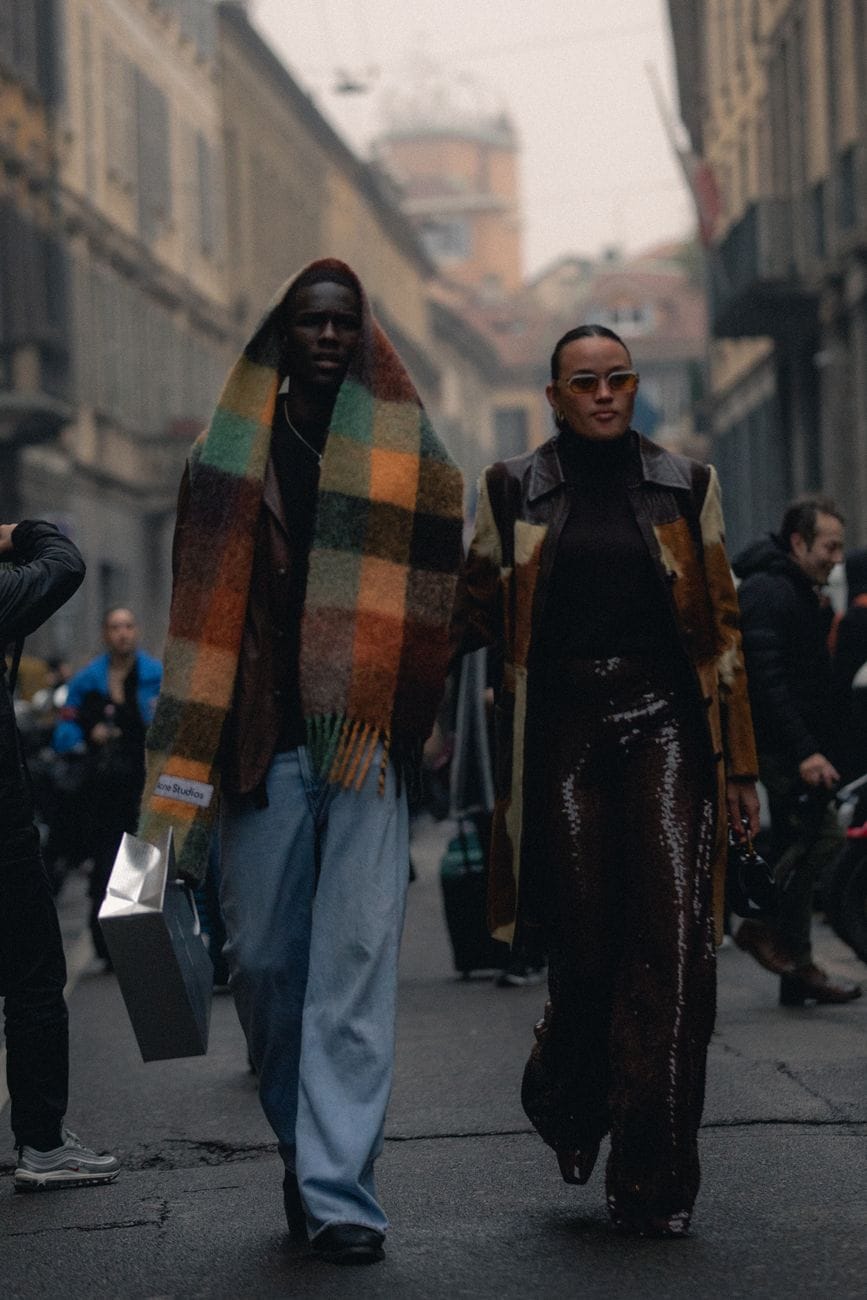
Milan, Italy, MMN Correspondent: What happens when a designer asks his team to dig out their childhood photo albums and turns those faded snapshots into a full-blown runway collection? You get Luchino Magliano’s Spring 2027 menswear show at Maxim’s, Milan’s legendary nightlife haunt, on June 27, 2026. This wasn’t just a fashion presentation. It was a time machine built from grainy images of family vacations, birthday parties, and Sunday lunches, all reimagined through a lens of irony and queer joy.
The process started months earlier. Magliano told his team to bring in their oldest photographs. Those images, with their soft focus and muted tones, became the emotional blueprint for every stitch. “It was important to reference that kind of elegance,” he said, pointing to the effortless sophistication of mid-century Italian style. But here’s the twist: instead of copying the past, he used it as a springboard for disruption. The result is a collection where 1970s glamour collides head-on with early 2000s digital irreverence.
Think kitschy floral-print compact knits in deep plum and burnt sienna, colors that feel like sun-drenched Mediterranean interiors. Pair those with oversized plaid cotton suit jackets cut with a borrowed-from-dad fit. Comfortable. Familiar. But then Magliano throws in Y2K touches: second collars on pale pink polos, short-sleeved jackets with shirts peeking out beneath, rolled-up pants with twisted leather belts that double as waistbands. Why? Because he wants you to feel the tension between longing for the past and rejecting its constraints.
This is where the collection gets really interesting. Magliano describes it as a space where “rage and nostalgia meet.” He’s not preserving tradition. He’s interrogating it. By approaching classic menswear through a queer lens, he challenges the heteronormative stories that have dominated men’s fashion for decades. Flamboyant colors, asymmetrical cuts, gender-fluid silhouettes. The modern man, in Magliano’s world, is fluid, expressive, and unafraid of contradiction.
Two collaborations amplified the message. Diadora brought retro sports aesthetics into the mix with metallic silver and deep emerald tracksuits, tailored with precision and structured shoulders. Carrera sunglasses added oversized frames that once symbolized youth rebellion and digital escapism. These weren’t accessories. They were integral to the visual language, completing each look with a sense of ironic detachment.
Magliano also focused on built-in styling. A single suit jacket features chopped sleeves with a layered shirt underneath, creating the illusion of rolled-up cuffs without manual adjustment. Pleated pants come with integrated twisted leather belts that function as both fasteners and sculptural elements. This philosophy speaks to a growing demand in luxury menswear: self-contained, thoughtfully engineered ensembles that require minimal effort but deliver maximum impact.
Why does this matter beyond the runway? Industry reports show that 68% of Gen Z and millennial consumers now prioritize authenticity and emotional resonance over brand prestige. They want stories. Pieces that reflect personal or cultural identity. Magliano’s approach aligns perfectly. By anchoring his designs in real memories and lived experiences, he creates garments that feel deeply personal, even when worn by strangers.
The venue choice was no accident. Maxim’s once hosted Italian aristocracy and post-war glamour. Today, it’s a symbol of reinvention and cultural fusion. Hosting a fashion show there positioned Magliano’s work within a lineage of artistic resistance, where beauty is not passive but political. Style becomes an act of remembrance and defiance.
As the final model walked off the catwalk in a foulard sarong tied at the waist with a leather belt and paired with sheer, translucent trousers, the audience sat in silence. Then applause. The takeaway? Fashion is not just about what we wear. It’s about how we remember, how we rebel, and how we reimagine ourselves across time. Magliano’s Spring 2027 collection stands as a testament to the enduring power of memory and the endless possibilities that arise when we dare to reinterpret it.
In a world increasingly defined by digital fragmentation, Magliano offers a counterpoint: the value of physical artifacts, of hand-touched materials, of stories passed down through generations. His collection reminds us that the future of fashion lies not in pure innovation, but in the thoughtful excavation of the past, filtered through a lens of irony, joy, and radical self-expression.
Related in Fashion

Fashion
Why Your Next Wardrobe Could Be Made of Mushrooms: Inside Ambush’s Spring 2027 Collection
What happens when a Tokyo fashion house decides to stop chasing global trends and instead listens to the forest? You get Ambush’s Spring 2027 Ready to Wear collection, unveiled during Paris Fashion Week. This is not just a new line of clothes. It is a quiet rebellion against the…
Read More...
Fashion
What Maria Grazia Chiuri’s Fendi Debut in Rome Means for the Future of Haute Couture
On a warm July evening in Rome, something quietly extraordinary happened inside the Galleria Nazionale d’Arte Moderne e Contemporanea. Maria Grazia Chiuri, fresh from a decade at Dior in Paris, returned to her hometown to present her first haute couture collection for Fendi. The…
Read More...
Fashion
What Happens When 18th Century Opulence Meets AI Couture? Jean Paul Gaultier’s Fall 2026 Collection Has the Answer
Imagine stepping into a dream where powdered wigs and corsets collide with laser scans and biomechanical forms. That’s exactly what happened when Jean Paul Gaultier unveiled its Fall 2026 haute couture collection during Paris Fashion Week. The show marked the debut of designer D…
Read More...
Fashion
20 Years of Masks: How Ashi Studio’s Fall 2026 Couture Turned Paris Fashion Week Into a Surrealist Dreamscape
What happens when a fashion house celebrates two decades not with a retrospective, but with a full-blown theatrical meditation on identity, disguise, and the art of concealment? Ashi Studio answered that question on the Fall 2026 runway, and the answer was nothing short of mesme…
Read More...
Fashion
How Magda Butrym’s 2027 Resort Collection Turns a Cult Film Into Wearable Art (And Why NYFW Is Next)
What happens when a designer takes a cult Polish psychological thriller and turns it into a wardrobe you can actually wear? Magda Butrym’s 2027 Resort collection offers a compelling answer. Titled ‘Szamanka,’ after Andrzej Żuławski’s 1996 film about power, desire, and identity,…
Read More...
Fashion
7 Ways Berlin Designer Mario Kleine Is Redefining Menswear with History and Emotion in Spring 2027
What happens when a designer stops chasing the next big thing and starts listening to the whispers of the past? Mario Kleine, the mind behind Berlin based label Marke, just answered that question with a collection that feels less like fashion and more like a conversation across…
Read More...
Fashion
7 Reasons Gigi Hadid’s Salmon Pink Wiederhoeft Dress and Soft Serve Hair Are the 2026 Wedding Trend You Need to Copy
Picture this: a candlelit seaside soirée, the air thick with romance, and every guest dressed like a character from a dream. That was the scene at Taylor Swift and Travis Kelce’s 2026 wedding, an event that didn’t just celebrate love—it launched a new era in fashion. Among the a…
Read More...
Fashion
Inside Taylor Swift and Travis Kelce’s Madison Square Garden Wedding: Music, Fashion, and Surprises You Need to Know
Imagine the world’s most famous pop star and an NFL superstar saying “I do” inside a legendary arena that has hosted everyone from Elvis to the Knicks. That’s exactly what happened on July 3, 2026, when Taylor Swift and Travis Kelce turned Madison Square Garden into their privat…
Read More...
Fashion
Why Fashion Insiders Are Calling Anna October’s Resort 2027 Collection a Love Letter to Paris (And You’ll Want Every Piece)
In July 2026, the fashion world’s gaze settled on Paris for reasons beyond its famed boulevards and iconic landmarks. Anna October presented her Resort 2027 collection, titled ‘Café Pleasure,’ at an intimate event that wove together architectural inspiration, historical nods, an…
Read More...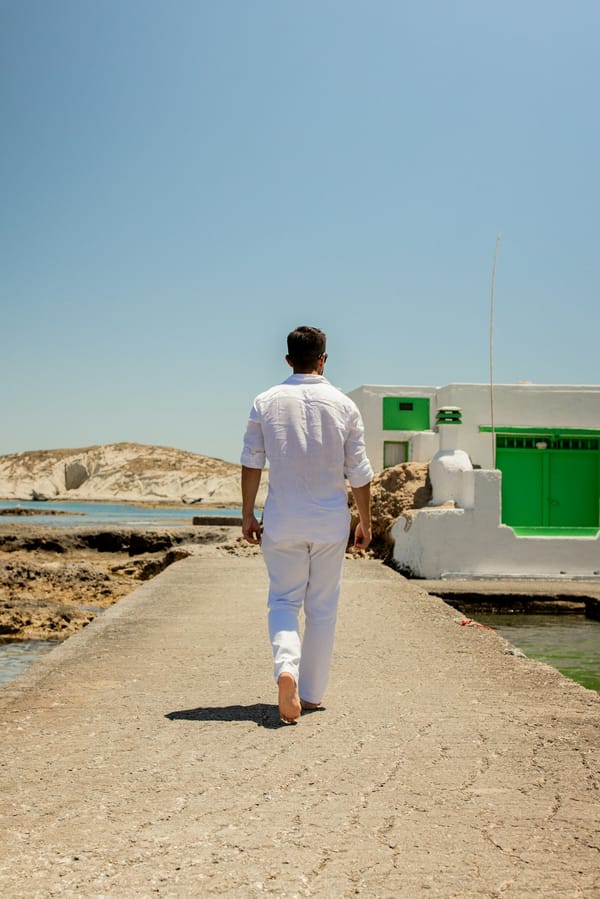
Fashion
7 Ways Mykonos Transformed Duckie Brown’s Spring 2027 Menswear Into a Mediterranean Dream
What happens when two Brooklyn designers trade the roar of subway trains for the whisper of Aegean waves? Daniel Silver and Steven Cox, the minds behind Duckie Brown, found out this spring. They spent months on Mykonos, not as tourists but as students of the island’s quiet rhyth…
Read More...