
80 Targets Hit: What the US Strikes on Iran Mean for Global Oil Routes
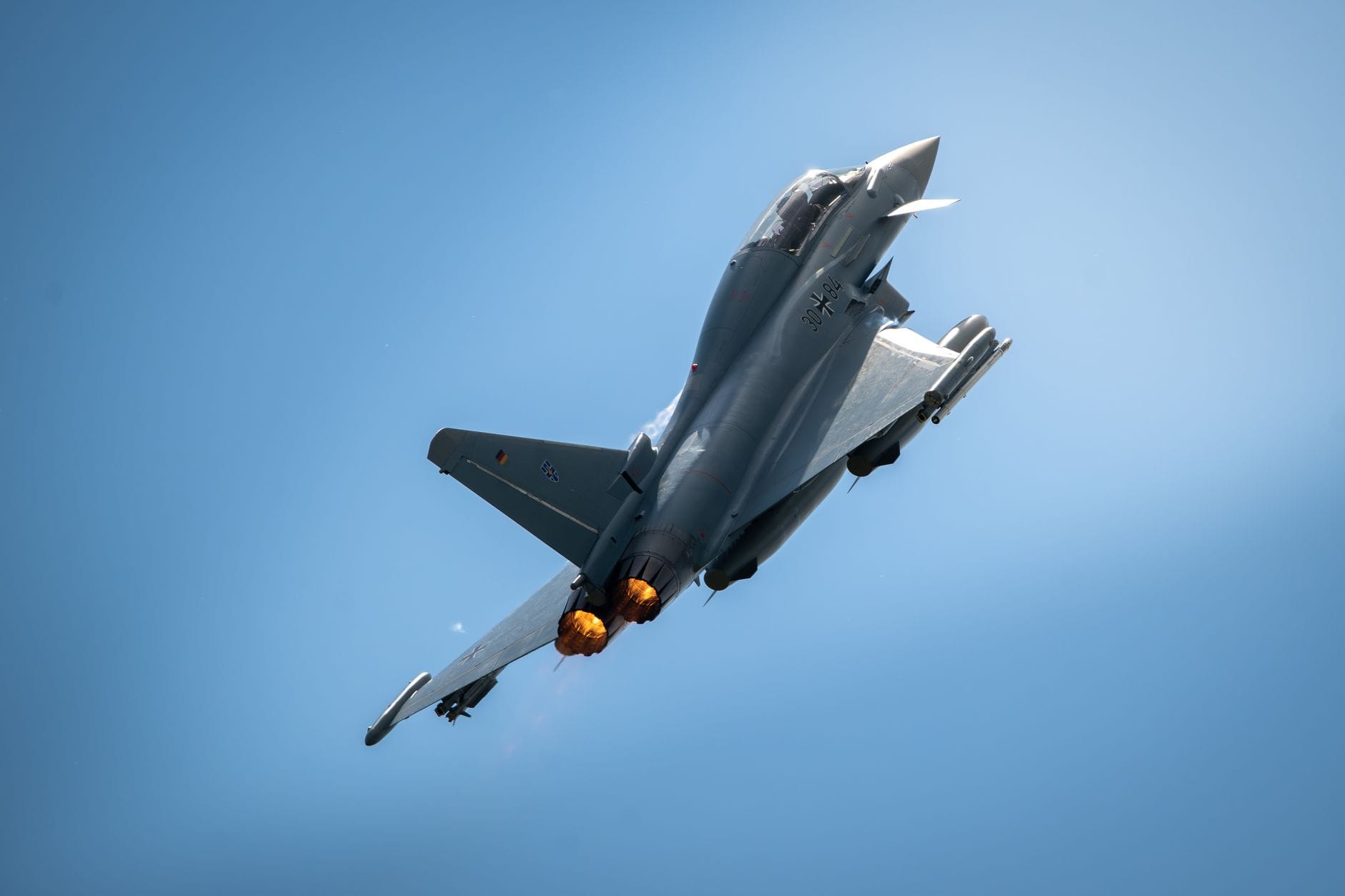
Strait of Hormuz, MMN Correspondent: The world’s most critical oil passageway just became the epicenter of a major military confrontation. The United States has launched sweeping airstrikes across Iran’s southern coast, hitting more than 80 locations after three commercial tankers came under attack in the Strait of Hormuz. This isn’t just another skirmish. It’s a moment that could reshape energy security, maritime law, and the balance of power in the Middle East.
Let’s walk through what actually happened. On Monday, a tanker reported a fire after an unknown projectile struck its engine room. By Tuesday, two more vessels were hit. One was exiting the strait. The other took minor structural damage. Both kept moving under their own power. But the message was clear: no ship is safe in these waters right now. The Strait of Hormuz handles about 20% of the world’s daily oil and gas supplies. That’s a lot of eggs in one very fragile basket.
The U.S. response came fast. Centcom announced strikes targeting over 60 vessels belonging to Iran’s Islamic Revolutionary Guard Corps, along with missile launch sites and command centers along the coast. Iranian state media confirmed that Qeshm Island, Bandar Abbas, and Sirik were affected. There were reports of shrapnel injuries among civilians. Iran’s deputy foreign minister called the strikes a violation of a recently signed memorandum of understanding, accusing Washington of acting in bad faith.
Here’s where it gets interesting. Just days before the strikes, the U.S. Treasury had revoked a temporary waiver that lifted sanctions on Iran’s oil exports. That waiver was part of a fragile 14-point agreement brokered last month. The deal was supposed to be a breakthrough. Iran committed to permanently forgo nuclear weapons development. In return, there was a pledge of $300 billion in reconstruction and economic development funding. The U.S. wasn’t obligated to contribute. Under the terms, Iran and Oman agreed to hold joint talks with other Gulf states to define future governance and maritime services in the strait.
Now that agreement is hanging by a thread. Iran had previously asserted control over the strait during a major conflict in February, when it effectively closed the waterway after retaliatory U.S. and Israeli airstrikes. At that time, Tehran established the Persian Gulf Strait Authority, claiming the right to issue safe passage permits and potentially charge service fees. With the new agreement, Iran seemed poised to take a central role in managing the strait, possibly in coordination with Oman. That prospect remains deeply controversial.
Regional reactions have been swift. Qatar’s foreign ministry declared that its vessel, Al-Rekayyat, was hit in a targeted attack near the strait and held Iran fully responsible. A spokesperson called on Tehran to stop actions that undermine regional stability and warned against endangering global energy supplies. Saudi Arabia similarly accused Iran of attacking the Saudi-flagged tanker Wadyan, calling the assaults an attack on international navigation and global energy security. Both nations emphasized the strategic importance of the strait and the need for accountability.
Iran’s foreign ministry responded by dismissing Qatar’s claims as contrary to principles of good neighborliness. Spokesman Esmail Baghaei argued that vessels failing to coordinate their routes with Iran or tampering with tracking systems risk collision and disrupt efforts to ensure safe transit. He maintained that Iran’s actions are defensive and intended to protect its sovereignty and maritime interests.
This situation reveals deep mistrust between Tehran and Western powers, despite recent diplomatic advances. U.S. officials, speaking anonymously ahead of Centcom’s announcement, insisted that negotiations would continue in good faith. But the military response suggests a hardline shift. Analysts point out that the attacks may have been orchestrated by Iranian-backed proxies, such as Houthi forces in Yemen or militias in Iraq. No group has claimed responsibility so far.
The implications go far beyond the immediate region. Energy markets reacted immediately. Crude oil prices surged on fears of supply disruption. Global insurers and shipping companies are now reassessing risks associated with operations in the Gulf. The International Maritime Organization has urged all parties to de-escalate and restore calm, warning that any further escalation could trigger a broader conflict involving multiple regional and global actors.
As the world watches, the fate of the Strait of Hormuz hangs in the balance. The 14-point agreement, once seen as a potential turning point, now faces existential threats. Whether diplomacy can reassert itself or military confrontation will become the new norm remains uncertain. One thing is clear: the security of one of Earth’s most crucial trade corridors is no longer guaranteed. The consequences could ripple across economies, politics, and geopolitics for years to come.
Experts urge caution, transparency, and renewed multilateral engagement. The path forward demands not only military restraint but also a commitment to dialogue, verification mechanisms, and confidence-building measures. The question now is whether both sides can step back from the brink before a full-scale war erupts in one of the world’s most volatile regions.
Related in Global Trend

Global Trend
Meta’s AI Image Tool Vanishes Days After Launch: What Happened to Your Instagram Photos?
Just days after its flashy debut, Meta’s new AI image generation feature has been pulled from the platform. The tool, part of the Muse Image rollout, let users of Meta’s AI chatbot create artificial images by pulling content from public Instagram accounts. Think about that for a…
Read More...
Global Trend
Middle East Travelers Are Flocking to Thailand for Wellness: Here’s What’s Driving the 2026 Boom
What if the next luxury vacation didn’t just pamper you but actually changed how you feel long after you return home? That’s the question Thailand is asking Middle East travelers right now. And the answer is reshaping how people from the Gulf plan their getaways. The Tourism Aut…
Read More...
Global Trend
How SK Hynix Raised $26.5 Billion in Its US Debut: What It Means for AI Chip Investors
Imagine walking into a room where the world’s biggest money managers are all fighting for a piece of the same company. That’s exactly what happened when SK Hynix, the South Korean memory chip giant, stepped onto the Nasdaq stage in July 2026. The result? A staggering $26.5 billi…
Read More...
Global Trend
What Happens When Bieber, Madonna, Shakira, and BTS Share the World Cup Stage?
Imagine this: It’s July 19, 2026, and the world is watching. Not just for the final whistle of the FIFA World Cup, but for something that’s never happened before. For the first time in the tournament’s history, a Super Bowl style halftime show is about to unfold at MetLife Stadi…
Read More...
Global Trend
Travel Before the Crowds: Why the Two Weeks Before School Holidays Are Your Best Bet for a Peaceful Summer Escape
Picture this: warm sand beneath your feet, a gentle sea breeze, and the sound of waves instead of the chatter of crowds. That’s the reality for travelers who discover a simple truth about summer vacations. The best time to go isn’t when everyone else does. It’s the two weeks rig…
Read More...
Global Trend
Faster Patents in Europe and China: What the New EPO-CNIPA PPH Pilot Means for Your Innovation Timeline
What if you could cut months off the time it takes to secure a patent in both Europe and China? Starting August 1, 2026, that possibility becomes reality. The European Patent Office (EPO) and China National Intellectual Property Administration (CNIPA) are launching a new bilater…
Read More...
Global Trend
What Happened in a Utah Courtroom When Charlie Kirk’s Family Came Face to Face With His Accused Killer?
On a quiet Tuesday morning in May 2026, a Utah courtroom became the center of a story that has haunted America for months. The family of Charlie Kirk, the 31-year-old conservative activist and founder of Turning Point USA, sat just feet away from the man accused of ending his li…
Read More...
Global Trend
4 New Luxury Travel Mindsets Reshaping Asia Pacific: How Gen Z Is Redefining High End Tourism
What does luxury mean to a generation that grew up with Instagram, climate anxiety, and a craving for meaning? A sweeping study of 2,800 affluent travelers across eight Asia Pacific markets—China, Japan, South Korea, Australia, India, Singapore, Thailand, and Indonesia—has uncov…
Read More...
Global Trend
How Europe and China Are Cutting Patent Wait Times by 40% Starting August 2026
Imagine filing a single patent application and watching it sail through two of the world’s largest intellectual property offices with minimal friction. That vision becomes reality on August 1, 2026, when the European Patent Office (EPO) and the China National Intellectual Proper…
Read More...
Global Trend
What Happens When a Prime Minister Picks Kylie Minogue Over Policy? A National Conversation Begins
Australian Prime Minister Anthony Albanese found himself at the center of a national conversation this week after a podcast appearance took an unexpected turn. During a lighthearted interview on the Bush Deep podcast, host Nikki Osborne asked Albanese to rank three iconic Austra…
Read More...