
What Happened in a Utah Courtroom When Charlie Kirk’s Family Came Face to Face With His Accused Killer?
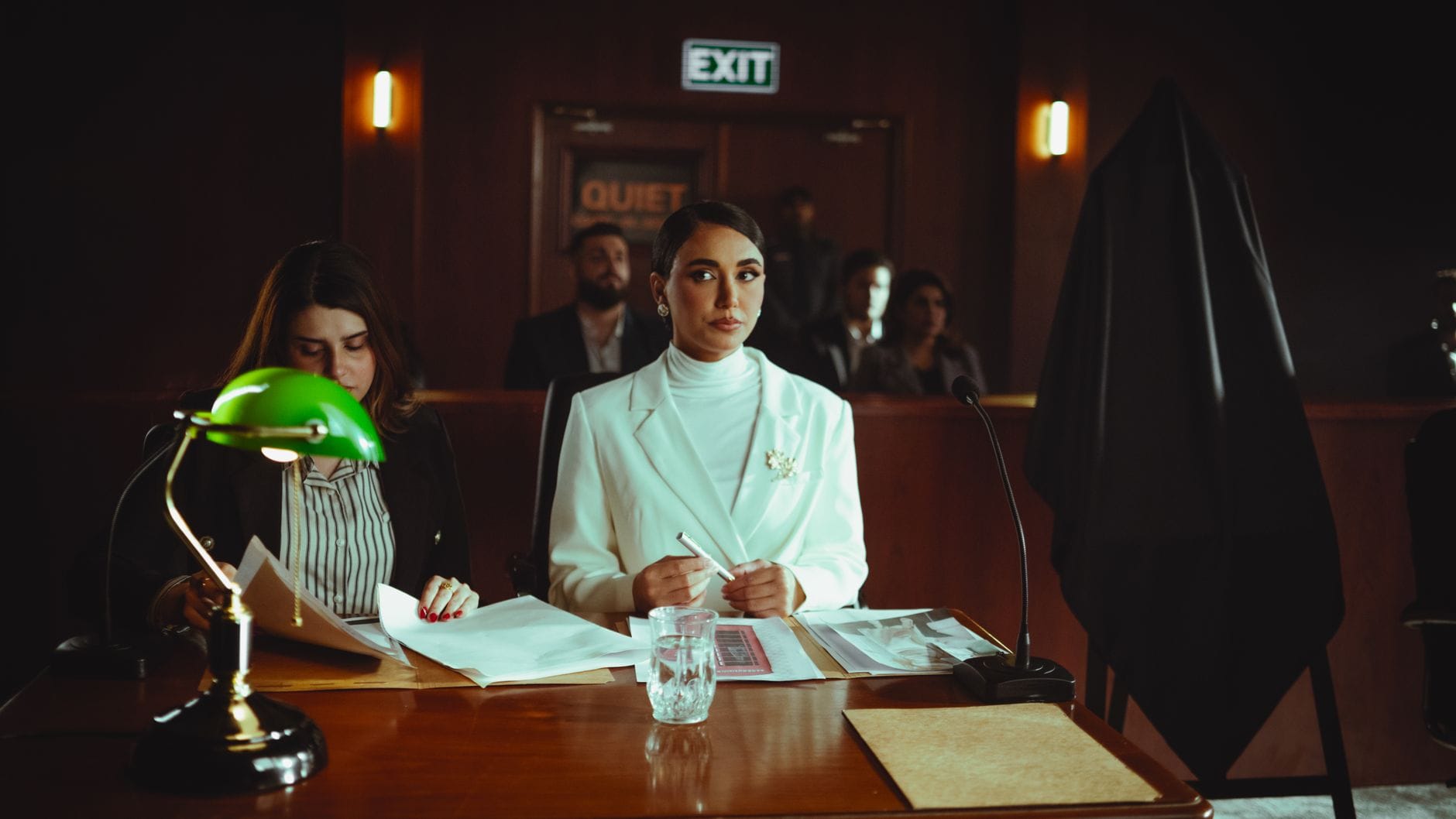
Utah Valley, Utah, MMN Correspondent: On a quiet Tuesday morning in May 2026, a Utah courtroom became the center of a story that has haunted America for months. The family of Charlie Kirk, the 31-year-old conservative activist and founder of Turning Point USA, sat just feet away from the man accused of ending his life. Tyler Robinson, a 23-year-old with no prior criminal record, stood silently as prosecutors began laying out their case. The question on everyone’s mind: will this preliminary hearing reveal enough evidence to send the case to trial, or will it raise more questions than answers?
Kirk was fatally shot on September 10, 2025, while delivering a speech at Utah Valley University as part of his American Comeback tour. The event was meant to spark conversation among college students about free speech and gun policy. Instead, a single gunshot changed everything. Kirk collapsed under a tent on campus, and the nation watched as one of the largest manhunts in recent history unfolded. Now, eight months later, the legal process is offering its first real glimpse into what happened that day.
The preliminary hearing, expected to last five days, is a critical step. A judge will decide if there is enough evidence to move forward to trial. This week’s session gave the public a rare look at the prosecution’s strategy, as well as the defense’s early pushback. One of the most striking moments came from law enforcement witness Chris Bagley, a former officer who was stationed on a building overlooking the event site. Bagley testified that he immediately recognized the sound of a rifle, not a handgun, and described a scene of chaos as people fled. But what really caught attention was his discovery of physical evidence suggesting another shooter may have been involved. He reported finding a screwdriver and distinct impressions in gravel on a rooftop, marks consistent with a sniper lying in a prone position. These marks showed clear signs of elbows, knees, and feet, indicating someone had been positioned precisely along the line of sight toward Kirk’s tent.
Bagley’s testimony raises a natural question: could there have been a second shooter? If verified, this evidence could point to either a different suspect or a flawed identification process. Either way, it adds a layer of complexity that the defense is likely to explore further. The prosecution, however, has its own strong points. David Hull from the Utah State Bureau of Investigation presented surveillance footage showing Robinson on campus four separate times on the day of the shooting. According to Hull, Robinson appeared twice before the attack, again during the event itself, and then returned hours later after Kirk’s death. Prosecutors used this timeline to argue that Robinson had both motive and opportunity. They also presented home surveillance video from a nearby neighborhood showing Robinson parking his gray Dodge Charger before the event and returning later that evening.
Despite these findings, Robinson’s defense team, led by attorney Kathryn Nestor, launched pointed objections. They questioned the reliability of the surveillance footage, the timing of Robinson’s movements, and the adequacy of security measures at the university. They also pressed for the removal of the death penalty from consideration, arguing that it would prejudice any fair trial and violate constitutional protections. Robinson, dressed in a light-colored suit and seated between his attorneys, remained silent throughout the hearing, offering no comment.
The emotional weight of the day was carried by Kirk’s family. His widow Erika, along with his parents Robert and Kathryn, and sister Mary, arrived at the courthouse visibly distraught but composed. In a statement released ahead of the hearing, they expressed deep sorrow and gratitude for the outpouring of support. “Every court proceeding serves as a painful reminder of his death and the loss that has irrevocably impacted our lives and the lives of his children,” they wrote. They emphasized their commitment to privacy during the judicial process, asking for space to grieve amid the relentless media spotlight.
Kirk’s legacy extends far beyond his tragic end. As a prominent figure in the conservative movement and a vocal advocate for young Republicans, he played a significant role in shaping political discourse among Gen Z voters. Turning Point USA, which he co-founded with Ben Shapiro, has trained thousands of student activists and hosted high-profile events across the country. His death not only devastated his family but also sent shockwaves through the broader conservative community, prompting renewed debates about political violence and free expression.
The outcome of this hearing will determine whether Robinson faces a full trial. If the judge rules that prosecutors have presented enough credible evidence, the case will proceed to jury selection, potentially leading to a high-profile capital trial. Should the jury convict, the death penalty could be imposed, a decision that would carry profound implications for U.S. justice and the future of political dissent.
As the week unfolds, the nation watches closely. The courtroom drama continues with new testimonies, forensic analysis, and legal maneuvering. With each passing hour, the truth behind the murder of Charlie Kirk edges closer to light, bringing both hope for justice and renewed anguish for those who loved him. This case stands as a stark reminder of the fragility of life and the enduring power of memory. It also highlights the growing tension between political activism and personal safety in an era of increasing polarization. Whether Robinson acted alone, or if deeper conspiracies exist, remains to be seen. But one thing is certain: the story of Charlie Kirk will not be forgotten.
Related in Global Trend

Global Trend
Meta’s AI Image Tool Vanishes Days After Launch: What Happened to Your Instagram Photos?
Just days after its flashy debut, Meta’s new AI image generation feature has been pulled from the platform. The tool, part of the Muse Image rollout, let users of Meta’s AI chatbot create artificial images by pulling content from public Instagram accounts. Think about that for a…
Read More...
Global Trend
Middle East Travelers Are Flocking to Thailand for Wellness: Here’s What’s Driving the 2026 Boom
What if the next luxury vacation didn’t just pamper you but actually changed how you feel long after you return home? That’s the question Thailand is asking Middle East travelers right now. And the answer is reshaping how people from the Gulf plan their getaways. The Tourism Aut…
Read More...
Global Trend
How SK Hynix Raised $26.5 Billion in Its US Debut: What It Means for AI Chip Investors
Imagine walking into a room where the world’s biggest money managers are all fighting for a piece of the same company. That’s exactly what happened when SK Hynix, the South Korean memory chip giant, stepped onto the Nasdaq stage in July 2026. The result? A staggering $26.5 billi…
Read More...
Global Trend
What Happens When Bieber, Madonna, Shakira, and BTS Share the World Cup Stage?
Imagine this: It’s July 19, 2026, and the world is watching. Not just for the final whistle of the FIFA World Cup, but for something that’s never happened before. For the first time in the tournament’s history, a Super Bowl style halftime show is about to unfold at MetLife Stadi…
Read More...
Global Trend
80 Targets Hit: What the US Strikes on Iran Mean for Global Oil Routes
The world’s most critical oil passageway just became the epicenter of a major military confrontation. The United States has launched sweeping airstrikes across Iran’s southern coast, hitting more than 80 locations after three commercial tankers came under attack in the Strait of…
Read More...
Global Trend
Travel Before the Crowds: Why the Two Weeks Before School Holidays Are Your Best Bet for a Peaceful Summer Escape
Picture this: warm sand beneath your feet, a gentle sea breeze, and the sound of waves instead of the chatter of crowds. That’s the reality for travelers who discover a simple truth about summer vacations. The best time to go isn’t when everyone else does. It’s the two weeks rig…
Read More...
Global Trend
Faster Patents in Europe and China: What the New EPO-CNIPA PPH Pilot Means for Your Innovation Timeline
What if you could cut months off the time it takes to secure a patent in both Europe and China? Starting August 1, 2026, that possibility becomes reality. The European Patent Office (EPO) and China National Intellectual Property Administration (CNIPA) are launching a new bilater…
Read More...
Global Trend
4 New Luxury Travel Mindsets Reshaping Asia Pacific: How Gen Z Is Redefining High End Tourism
What does luxury mean to a generation that grew up with Instagram, climate anxiety, and a craving for meaning? A sweeping study of 2,800 affluent travelers across eight Asia Pacific markets—China, Japan, South Korea, Australia, India, Singapore, Thailand, and Indonesia—has uncov…
Read More...
Global Trend
How Europe and China Are Cutting Patent Wait Times by 40% Starting August 2026
Imagine filing a single patent application and watching it sail through two of the world’s largest intellectual property offices with minimal friction. That vision becomes reality on August 1, 2026, when the European Patent Office (EPO) and the China National Intellectual Proper…
Read More...
Global Trend
What Happens When a Prime Minister Picks Kylie Minogue Over Policy? A National Conversation Begins
Australian Prime Minister Anthony Albanese found himself at the center of a national conversation this week after a podcast appearance took an unexpected turn. During a lighthearted interview on the Bush Deep podcast, host Nikki Osborne asked Albanese to rank three iconic Austra…
Read More...