
How Europe and China Are Cutting Patent Wait Times by 40% Starting August 2026
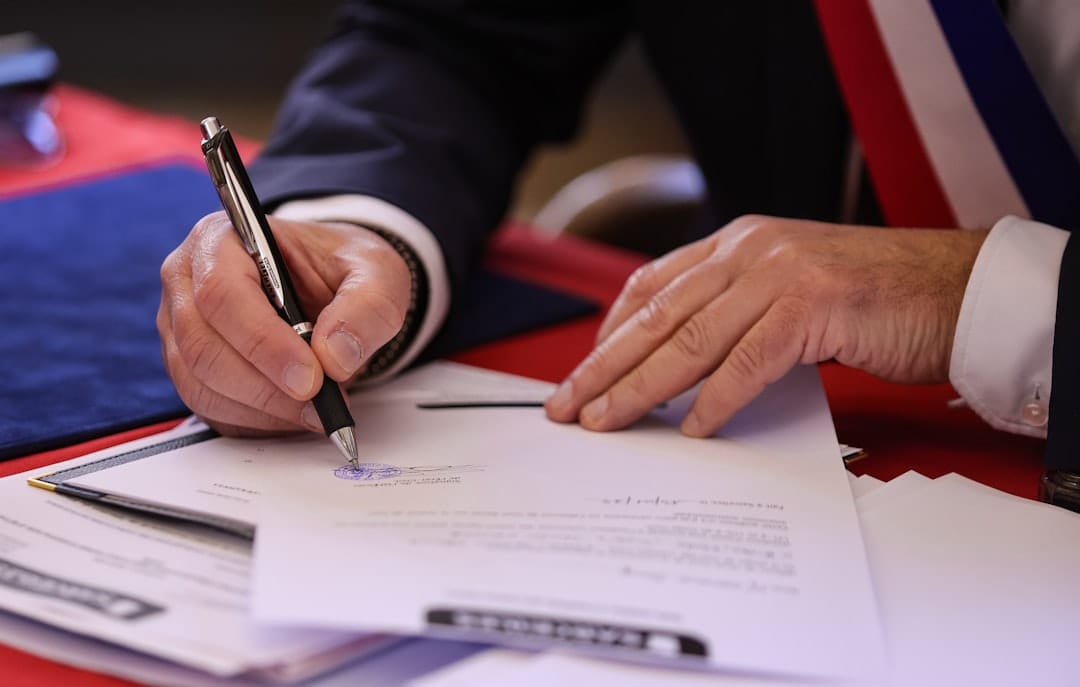
Munich, Germany, MMN Correspondent: Imagine filing a single patent application and watching it sail through two of the world’s largest intellectual property offices with minimal friction. That vision becomes reality on August 1, 2026, when the European Patent Office (EPO) and the China National Intellectual Property Administration (CNIPA) launch a new bilateral Patent Prosecution Highway (PPH) pilot programme.
Here’s the core idea: if your invention gets a green light from either the EPO or CNIPA, you can use that positive result to fast-track your application at the other office. No redundant re-examination. No waiting years for a second opinion. Just a streamlined path from one approval to the next.
Why does this matter right now? Because the pace of innovation in fields like artificial intelligence, clean energy, biotechnology, and quantum computing is accelerating faster than most patent systems can handle. Companies that secure patent protection quickly gain a strategic edge. This pilot directly addresses that urgency.
The programme operates under the same conditions as the existing IP5 PPH framework, which already connects the five largest patent offices globally. That means consistency and predictability for applicants. And here’s a detail that might surprise you: there are no extra fees beyond standard procedural costs. Whether you’re a multinational corporation or a small startup with a lean budget, this tool is designed to be accessible.
Let’s talk numbers. Studies show that PPH-enabled applications are processed up to 40% faster than traditional filings. Approval rates also tend to be higher because claims and prior art assessments align early in the process. For a startup racing to bring a breakthrough to market, that speed can mean the difference between leading the field and playing catch-up.
China’s role in this collaboration is particularly striking. In 2024, the country filed over 7 million patent applications—more than any other nation—accounting for nearly half of all global filings. CNIPA’s massive infrastructure, combined with the EPO’s rigorous examination standards, creates a powerful synergy. By trusting each other’s examination outcomes, both offices reduce duplication and build mutual confidence in patent quality.
The benefits extend beyond speed. Fewer examiner interviews, fewer office actions, and fewer re-filings mean lower costs for applicants. Since 2024, the EPO’s SME support initiatives have already saved smaller applicants over €23 million in patent fees through targeted reductions and digital tools. This pilot is expected to amplify those savings.
There’s also an environmental angle worth noting. Every unnecessary examination round consumes computational resources and human labor, both of which leave a carbon footprint. By minimizing duplicate searches and reviews, the programme supports the EPO’s Strategic Plan 2028, which emphasizes ecological responsibility alongside digital resilience.
The indefinite duration of this pilot signals something important: this is not a temporary experiment. It’s a long-term partnership that could serve as a blueprint for future agreements with other innovation hubs like India, South Korea, or Southeast Asian nations. As global supply chains become more integrated, harmonized patent practices ensure that inventions developed in one region can be protected efficiently in others.
For applicants, the process is straightforward. Once your application receives a positive examination report from either the EPO or CNIPA, you submit a formal request through MyEPO or the respective national portal. The entire process is digitized, requiring minimal paperwork and offering real-time status tracking.
Legal teams, patent agents, and corporate R&D departments should start preparing now. Training modules and guidance documents are expected in the months leading up to the launch, building on the EPO’s ongoing work through the European Patent Academy and public consultations.
This initiative reflects a broader shift in intellectual property law: moving from fragmented, jurisdiction-specific systems toward interconnected, collaborative frameworks. Technology already crosses borders effortlessly. The mechanisms that protect it should do the same. The EPO-CNIPA PPH pilot is a practical step in that direction—turning ideas into protected assets faster, smarter, and more sustainably.
Related in Global Trend

Global Trend
Meta’s AI Image Tool Vanishes Days After Launch: What Happened to Your Instagram Photos?
Just days after its flashy debut, Meta’s new AI image generation feature has been pulled from the platform. The tool, part of the Muse Image rollout, let users of Meta’s AI chatbot create artificial images by pulling content from public Instagram accounts. Think about that for a…
Read More...
Global Trend
Middle East Travelers Are Flocking to Thailand for Wellness: Here’s What’s Driving the 2026 Boom
What if the next luxury vacation didn’t just pamper you but actually changed how you feel long after you return home? That’s the question Thailand is asking Middle East travelers right now. And the answer is reshaping how people from the Gulf plan their getaways. The Tourism Aut…
Read More...
Global Trend
How SK Hynix Raised $26.5 Billion in Its US Debut: What It Means for AI Chip Investors
Imagine walking into a room where the world’s biggest money managers are all fighting for a piece of the same company. That’s exactly what happened when SK Hynix, the South Korean memory chip giant, stepped onto the Nasdaq stage in July 2026. The result? A staggering $26.5 billi…
Read More...
Global Trend
What Happens When Bieber, Madonna, Shakira, and BTS Share the World Cup Stage?
Imagine this: It’s July 19, 2026, and the world is watching. Not just for the final whistle of the FIFA World Cup, but for something that’s never happened before. For the first time in the tournament’s history, a Super Bowl style halftime show is about to unfold at MetLife Stadi…
Read More...
Global Trend
80 Targets Hit: What the US Strikes on Iran Mean for Global Oil Routes
The world’s most critical oil passageway just became the epicenter of a major military confrontation. The United States has launched sweeping airstrikes across Iran’s southern coast, hitting more than 80 locations after three commercial tankers came under attack in the Strait of…
Read More...
Global Trend
Travel Before the Crowds: Why the Two Weeks Before School Holidays Are Your Best Bet for a Peaceful Summer Escape
Picture this: warm sand beneath your feet, a gentle sea breeze, and the sound of waves instead of the chatter of crowds. That’s the reality for travelers who discover a simple truth about summer vacations. The best time to go isn’t when everyone else does. It’s the two weeks rig…
Read More...
Global Trend
Faster Patents in Europe and China: What the New EPO-CNIPA PPH Pilot Means for Your Innovation Timeline
What if you could cut months off the time it takes to secure a patent in both Europe and China? Starting August 1, 2026, that possibility becomes reality. The European Patent Office (EPO) and China National Intellectual Property Administration (CNIPA) are launching a new bilater…
Read More...
Global Trend
What Happened in a Utah Courtroom When Charlie Kirk’s Family Came Face to Face With His Accused Killer?
On a quiet Tuesday morning in May 2026, a Utah courtroom became the center of a story that has haunted America for months. The family of Charlie Kirk, the 31-year-old conservative activist and founder of Turning Point USA, sat just feet away from the man accused of ending his li…
Read More...
Global Trend
4 New Luxury Travel Mindsets Reshaping Asia Pacific: How Gen Z Is Redefining High End Tourism
What does luxury mean to a generation that grew up with Instagram, climate anxiety, and a craving for meaning? A sweeping study of 2,800 affluent travelers across eight Asia Pacific markets—China, Japan, South Korea, Australia, India, Singapore, Thailand, and Indonesia—has uncov…
Read More...
Global Trend
What Happens When a Prime Minister Picks Kylie Minogue Over Policy? A National Conversation Begins
Australian Prime Minister Anthony Albanese found himself at the center of a national conversation this week after a podcast appearance took an unexpected turn. During a lighthearted interview on the Bush Deep podcast, host Nikki Osborne asked Albanese to rank three iconic Austra…
Read More...