
Amazon Fire HD 10 Just Got Faster: 4GB RAM Upgrade in 2026 – What It Means for You
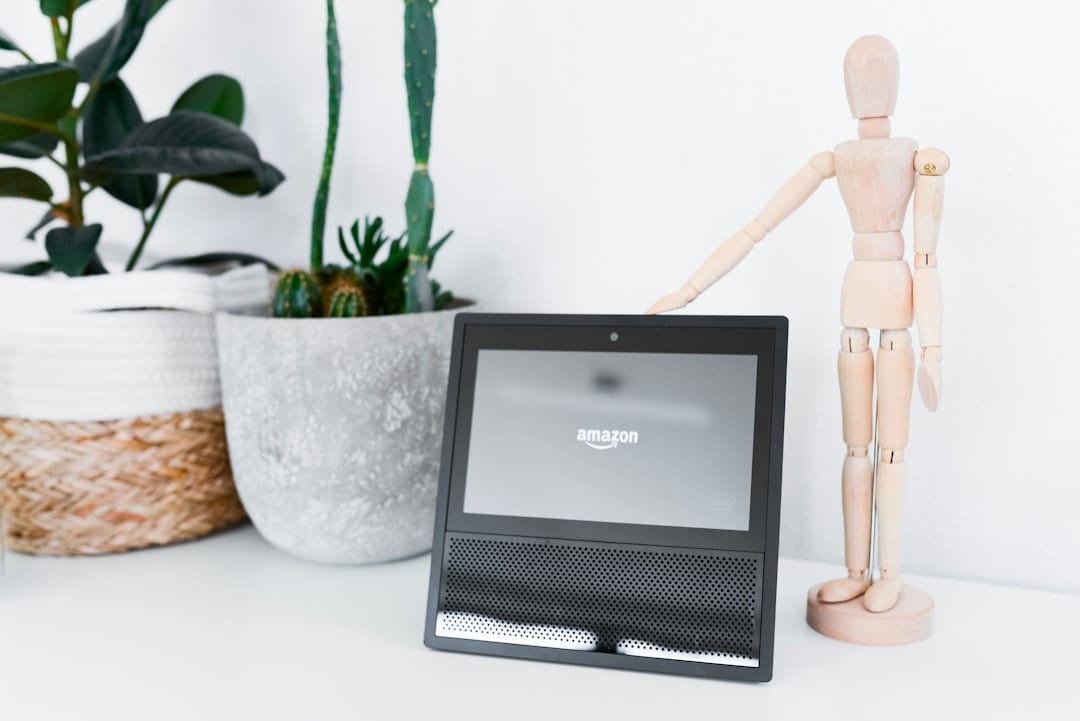
Seattle, Washington, MMN Correspondent: If you have been eyeing a budget tablet that can keep up with your daily multitasking, Amazon just gave you a reason to pay closer attention. In a move that flew under the radar, the company quietly boosted the RAM on its popular Fire HD 10 from 3GB to 4GB. This change, confirmed in July 2026, applies specifically to the 32GB storage model, which now carries a price tag of $154.99, up from $139.99. The question is: why now, and what does this mean for your next purchase?
The Fire HD 10 has long been a reliable workhorse for streaming, reading, light productivity, and educational content. Since its debut in 2023, it has offered a 10.1-inch display with 1920x1200 resolution, a 2GHz octa-core processor, and up to 13 hours of battery life. What made it stand out was its solid build, seamless integration with Amazon’s ecosystem, and expandable storage via microSD. Now, with an extra gigabyte of RAM, the tablet is poised to handle more demanding tasks without breaking a sweat.
Here is where it gets interesting. The core specs remain identical: same screen, same processor, same battery. But that additional RAM changes the experience in subtle yet meaningful ways. Imagine switching between a video call, a web browser with multiple tabs, and a note-taking app without the familiar stutter or app reload. For families with kids using interactive learning platforms or for students juggling research and assignments, this upgrade could be the difference between frustration and flow.
One detail that often goes unnoticed is the presence of lock screen advertisements on the refreshed model. These ads appear during the unlock process and help keep the upfront cost low. If you prefer a cleaner interface, Amazon offers a one time purchase to remove them permanently. It is a trade off that reflects the company’s broader strategy: deliver affordable hardware while generating revenue through software and advertising.
The timing of this upgrade raises a fascinating question about what is happening behind the scenes. Industry analysts point to a surge in global demand for DRAM memory chips, driven largely by the rapid expansion of data centers powering artificial intelligence and cloud computing. According to reports from firms like TrendForce and Counterpoint Research, memory chip shortages have persisted into 2026, affecting everything from tablets to laptops. This scarcity likely influenced Amazon’s decision to upgrade only the 32GB model, focusing resources where they can deliver the most value.
Notice that the 16GB and 64GB variants remain unchanged, still equipped with 3GB of RAM. This selective approach suggests a strategic allocation of limited inventory. By targeting the mid tier model, Amazon is addressing the segment where users most often hit performance bottlenecks. It is a smart way to improve satisfaction without a full redesign or a price hike across the board.
For budget conscious buyers, there is a choice to make. The 32GB Fire HD 10 with 3GB of RAM is still available at the original $139.99 price, though stock is reportedly running low. You can pay less now for a slightly older configuration, or invest an extra $15 for a smoother experience that will likely serve you better over time. For families, students, or anyone who values long term usability, that small premium feels like a worthwhile investment.
This upgrade also reflects broader trends in the tablet market. As digital education, remote work, and home entertainment continue to grow, consumers expect more from entry level devices. Competitors like Apple with the iPad 10, Samsung with the Galaxy Tab A8, and Google with the Pixel Tablet have all introduced incremental updates focusing on processing power, display quality, and software optimization. Amazon’s move positions the Fire HD 10 as a competitive option, especially given its deep integration with Alexa, Prime Video, and Kindle services.
What is notably absent is any official explanation from Amazon about the reason behind the update. Some speculate it is tied to component availability, while others suggest it is a response to customer feedback about sluggish performance. Regardless of the motive, the change highlights how even minor hardware tweaks can shape user experience, particularly in budget devices where every bit of memory counts.
If you are considering a new tablet for kids, elderly relatives, or personal use, the updated Fire HD 10 makes a compelling case. It combines affordability, robust ecosystem access, and now improved multitasking capacity. With support for thousands of apps via the Amazon Appstore, parental controls, and voice activated assistance, it continues to serve as a gateway to digital life for millions around the world.
As technology evolves and demands on mobile devices grow, updates like this one are pivotal. They signal not just a product refresh, but a deeper adaptation to economic pressures, user expectations, and technological constraints. In a world where every byte of memory matters, Amazon’s decision to boost RAM on select models shows how small changes can have outsized impacts on performance and satisfaction.
Ultimately, the 2026 update to the Fire HD 10 is more than a hardware tweak. It is a reflection of how companies navigate complexity in a high stakes tech environment. With AI driven demand reshaping supply chains and consumer habits shifting toward digital dependency, the ability to deliver meaningful upgrades without breaking the bank will remain a critical differentiator in the battle for market share.
Related in Gadgets

Gadgets
How a Fake Cease-and-Desist Letter Targeted Flock Safety: What It Reveals About Trust in Surveillance Tech
In July 2026, a single image sent social media into a frenzy. A cease-and-desist letter, supposedly from Flock Safety, was circulating fast. It claimed the company had ordered a public lecture series in Newport Beach to stop discussing its surveillance technology. The post came…
Read More...
Gadgets
Microsoft’s Carbon Footprint Jumps 25%: What AI’s Energy Hunger Means for Your Digital Future
Microsoft just dropped a number that’s turning heads in the tech world: a 25% spike in carbon emissions for 2025. That’s 34 million metric tons of CO₂ equivalent, and it’s not a small blip. It’s a direct signal that the race to build smarter AI is colliding with the planet’s lim…
Read More...
Gadgets
7 Ways Meta's Always-On Smart Glasses Could Change How You Remember Everything
Imagine a pair of glasses that quietly listens to your conversations, notes the faces you meet, and remembers where you left your keys without you ever asking. Meta is reportedly building exactly that: a new generation of smart glasses designed to run in an always-on mode, captu…
Read More...
Gadgets
Meta Smart Glasses Update: Camera Disabled Instantly If Privacy Light Is Blocked or Removed
Imagine you are wearing a pair of smart glasses that can record video with a simple tap. Now imagine someone nearby covers the tiny light that tells you the camera is on. Until recently, that was possible. But Meta just changed the rules. The company has released a new software…
Read More...
Gadgets
Hoto PixelDrive Cordless Screwdriver Hits $60: The Smart Tool DIYers Have Been Waiting For
If you have ever struggled with a stubborn screw in a dark corner or stripped the head of a tiny fastener while assembling furniture, you know the frustration. The Hoto PixelDrive cordless screwdriver is now available for $59.99, down from its usual $80. This is the first time i…
Read More...
Gadgets
Inside the $75,000 AI Schools Where Your Child Becomes a Beta Tester for Tomorrow's Learning
Walk into an Alpha School classroom, and you won't see a teacher at the front of the room. Instead, you will find rows of students wearing lightweight headsets, their eyes fixed on adaptive screens that shift content in real time based on their facial expressions and response sp…
Read More...
Gadgets
Can a Space Tug Save NASA’s Swift Observatory Before It Burns Up? The 9-Month Rescue Mission You Need to Know About
Imagine a satellite that has spent more than two decades unraveling the universe’s most violent explosions. Now imagine it’s falling. That’s the reality NASA faced earlier this year when the Swift Observatory, a workhorse of astrophysics, began a slow but steady descent toward E…
Read More...
Gadgets
From 600,000 Discs a Day to Microlenses: What Sony’s Austrian Factory Pivot Means for AR, Cars, and Your Future
Imagine a factory that once stamped out 600,000 PlayStation discs every single day. Now imagine that same facility, just a few years later, shaping tiny lenses that bend light for self-driving cars and augmented reality glasses. That’s exactly what’s happening in Thalgau, Austri…
Read More...
Gadgets
Apple’s 2027 MacBook Pro: Touchscreen, M7 Chip, and a Design Shift You’ll Want to See
Apple is quietly preparing to rewrite the rules for its entry-level MacBook Pro. If the latest reports from industry insiders hold true, the laptop you might buy in 2027 will look, feel, and behave nothing like the one on shelves today. The company is planning a complete overhau…
Read More...
Gadgets
Meta’s AI Glasses Now Cap a Core Feature at 3 Hours Monthly – What Wearable Owners Need to Know
If you bought Meta’s latest AI powered smart glasses expecting full access to every built in feature, you might want to check your settings. The company has quietly introduced a usage cap on a key audio tool called Conversation Focus, and the limits are turning heads for reasons…
Read More...