
From 600,000 Discs a Day to Microlenses: What Sony’s Austrian Factory Pivot Means for AR, Cars, and Your Future
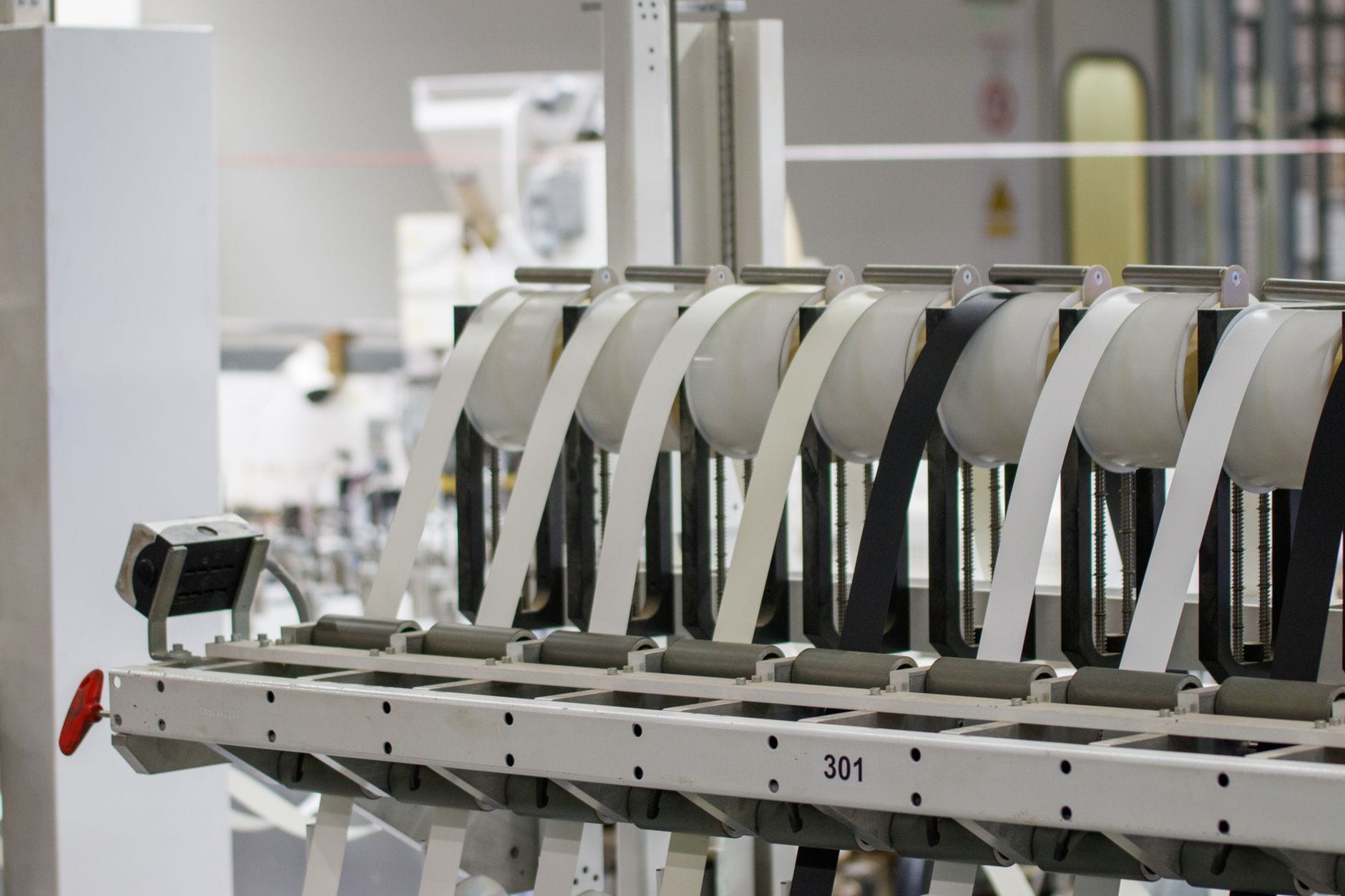
Thalgau, Austria, MMN Correspondent: Imagine a factory that once stamped out 600,000 PlayStation discs every single day. Now imagine that same facility, just a few years later, shaping tiny lenses that bend light for self-driving cars and augmented reality glasses. That’s exactly what’s happening in Thalgau, Austria, where Sony’s last dedicated disc plant is quietly rewriting its own future.
This isn’t a story about the death of physical media. It’s a story about reinvention. Sony has committed €30 million to transform this facility into a hub for advanced optical microlenses. These aren’t your average camera lenses. We’re talking about components so small they’re measured in millimeters, yet they’re critical for technologies that are reshaping how we see the world.
Here’s the fascinating part: the same precision machinery that once pressed data onto polycarbonate discs is now being used to mold and coat these micro-optics. A single disc can hold up to 60 microlenses. That overlap isn’t a coincidence. It’s a deliberate adaptation of manufacturing expertise that Sony has spent decades perfecting.
Why does this matter to you? Because microlenses are the unsung heroes of some of the most exciting tech on the horizon. Think about augmented reality glasses that feel as light as regular eyewear. Or heads-up displays in your car that project navigation directly onto the windshield without distorting your view. These systems rely on microlenses to bend and focus light with incredible precision. Without them, the devices would be bulkier, less efficient, and far less practical.
Sony isn’t just dabbling here. The company is targeting automakers directly, betting big on the surge in electric vehicles and advanced driver assistance systems. As cars become more like smartphones on wheels, the demand for high-performance optical components is exploding. Industry reports project the global microlens market will grow at over 12% annually through 2030. That’s a massive opportunity, and Sony is positioning itself to be a key supplier.
What about the people who used to make those discs? All 300 employees at the Thalgau plant are being retrained for microlens production. This isn’t about layoffs or downsizing. It’s about upskilling a workforce to meet the demands of a new era. Dietmar Tanzer, president of Sony DADC, has made it clear that this is a forward-looking investment, not a cost-cutting move.
The transition has already begun. Behind-the-scenes footage from December 2024 shows workers and machinery already engaged in microlens prototyping. Mass production is expected to start as early as 2027. By then, the Thalgau facility could become one of Europe’s leading centers for micro-optical engineering.
This isn’t an isolated case. Sony previously operated disc plants in Terre Haute, Indiana, and New Jersey. The Indiana site was eventually repurposed for assembling automotive headlights. The pattern is clear: legacy manufacturing infrastructure, when paired with strategic investment, can evolve to serve entirely new industries.
For consumers, the change might feel subtle. You won’t see a PlayStation disc stamped in Thalgau anymore. But you will see the impact in the clarity of your car’s night vision, the lightness of your AR glasses, and the precision of your smartphone’s camera. The same factory that once shipped millions of game discs is now shaping how light travels through our devices, our vehicles, and our future.
This is more than a pivot. It’s a blueprint for sustainable innovation. Sony is showing that the end of one product line doesn’t have to mean the end of a factory. With the right vision, it can be the beginning of something entirely new.
Related in Gadgets

Gadgets
How a Fake Cease-and-Desist Letter Targeted Flock Safety: What It Reveals About Trust in Surveillance Tech
In July 2026, a single image sent social media into a frenzy. A cease-and-desist letter, supposedly from Flock Safety, was circulating fast. It claimed the company had ordered a public lecture series in Newport Beach to stop discussing its surveillance technology. The post came…
Read More...
Gadgets
Microsoft’s Carbon Footprint Jumps 25%: What AI’s Energy Hunger Means for Your Digital Future
Microsoft just dropped a number that’s turning heads in the tech world: a 25% spike in carbon emissions for 2025. That’s 34 million metric tons of CO₂ equivalent, and it’s not a small blip. It’s a direct signal that the race to build smarter AI is colliding with the planet’s lim…
Read More...
Gadgets
7 Ways Meta's Always-On Smart Glasses Could Change How You Remember Everything
Imagine a pair of glasses that quietly listens to your conversations, notes the faces you meet, and remembers where you left your keys without you ever asking. Meta is reportedly building exactly that: a new generation of smart glasses designed to run in an always-on mode, captu…
Read More...
Gadgets
Meta Smart Glasses Update: Camera Disabled Instantly If Privacy Light Is Blocked or Removed
Imagine you are wearing a pair of smart glasses that can record video with a simple tap. Now imagine someone nearby covers the tiny light that tells you the camera is on. Until recently, that was possible. But Meta just changed the rules. The company has released a new software…
Read More...
Gadgets
Hoto PixelDrive Cordless Screwdriver Hits $60: The Smart Tool DIYers Have Been Waiting For
If you have ever struggled with a stubborn screw in a dark corner or stripped the head of a tiny fastener while assembling furniture, you know the frustration. The Hoto PixelDrive cordless screwdriver is now available for $59.99, down from its usual $80. This is the first time i…
Read More...
Gadgets
Inside the $75,000 AI Schools Where Your Child Becomes a Beta Tester for Tomorrow's Learning
Walk into an Alpha School classroom, and you won't see a teacher at the front of the room. Instead, you will find rows of students wearing lightweight headsets, their eyes fixed on adaptive screens that shift content in real time based on their facial expressions and response sp…
Read More...
Gadgets
Can a Space Tug Save NASA’s Swift Observatory Before It Burns Up? The 9-Month Rescue Mission You Need to Know About
Imagine a satellite that has spent more than two decades unraveling the universe’s most violent explosions. Now imagine it’s falling. That’s the reality NASA faced earlier this year when the Swift Observatory, a workhorse of astrophysics, began a slow but steady descent toward E…
Read More...
Gadgets
Amazon Fire HD 10 Just Got Faster: 4GB RAM Upgrade in 2026 – What It Means for You
If you have been eyeing a budget tablet that can keep up with your daily multitasking, Amazon just gave you a reason to pay closer attention. In a move that flew under the radar, the company quietly boosted the RAM on its popular Fire HD 10 from 3GB to 4GB. This change, confirme…
Read More...
Gadgets
Apple’s 2027 MacBook Pro: Touchscreen, M7 Chip, and a Design Shift You’ll Want to See
Apple is quietly preparing to rewrite the rules for its entry-level MacBook Pro. If the latest reports from industry insiders hold true, the laptop you might buy in 2027 will look, feel, and behave nothing like the one on shelves today. The company is planning a complete overhau…
Read More...
Gadgets
Meta’s AI Glasses Now Cap a Core Feature at 3 Hours Monthly – What Wearable Owners Need to Know
If you bought Meta’s latest AI powered smart glasses expecting full access to every built in feature, you might want to check your settings. The company has quietly introduced a usage cap on a key audio tool called Conversation Focus, and the limits are turning heads for reasons…
Read More...