
How a Fake Cease-and-Desist Letter Targeted Flock Safety: What It Reveals About Trust in Surveillance Tech
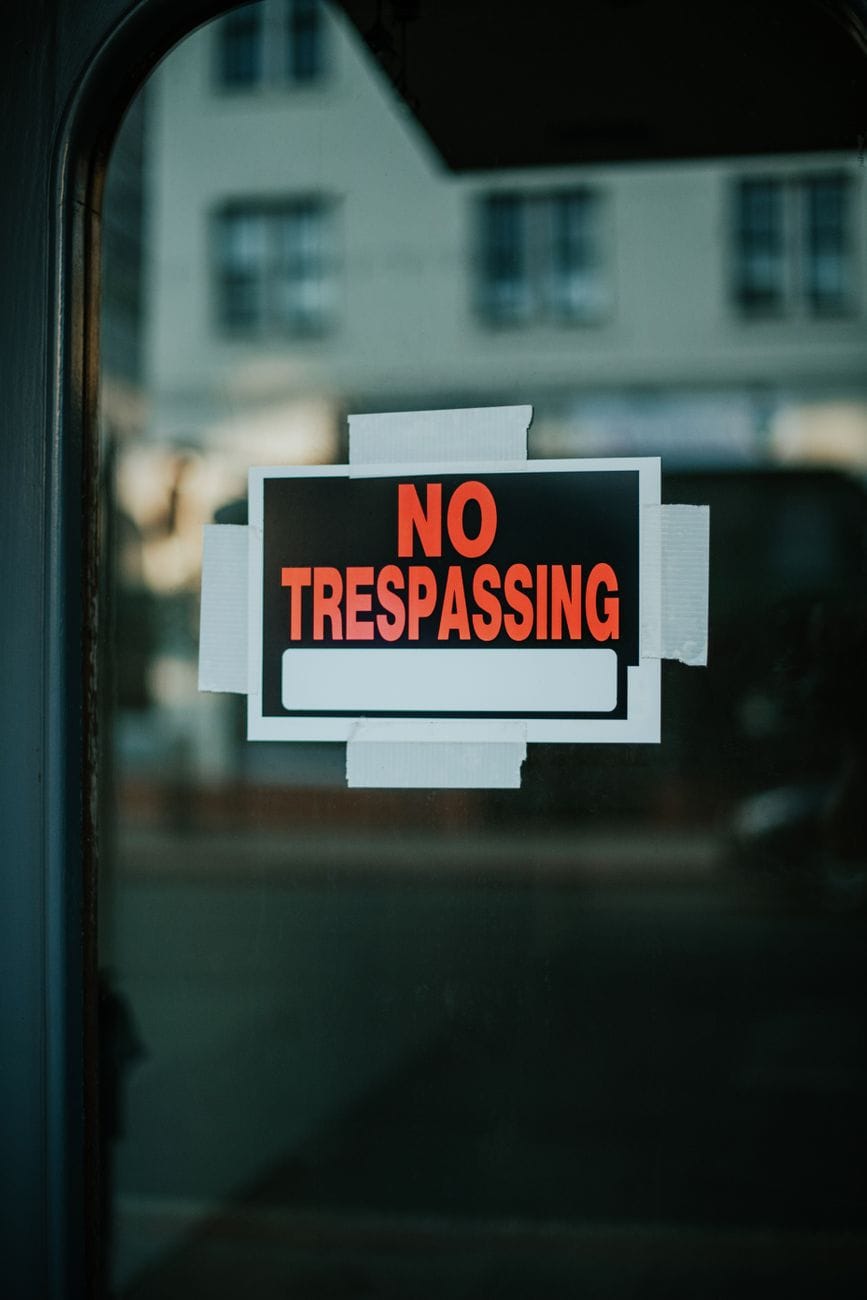
Newport Beach, California, MMN Correspondent: In July 2026, a single image sent social media into a frenzy. A cease-and-desist letter, supposedly from Flock Safety, was circulating fast. It claimed the company had ordered a public lecture series in Newport Beach to stop discussing its surveillance technology. The post came from The Saturday Salon, an independent cultural forum, and within hours, thousands of users were accusing Flock Safety of silencing critics. But then the story flipped. Flock Safety denied everything. The letter, they said, was a forgery. A hoax. And the real story was just beginning.
This incident isn't just about one fake document. It's a window into how digital disinformation works today, especially around companies that operate in the surveillance space. Flock Safety builds AI powered cameras used by police and local governments. Critics have raised questions about privacy, data retention, and racial profiling. The company says it operates transparently and supports open dialogue. But in this case, someone created a fake legal threat that looked real enough to spark outrage.
Rahul Sidhu, Flock Safety's chief strategy officer, called the letter part of a broader disinformation campaign. He made a point to say, "We are pro-democracy. People SHOULD have discussions and lectures like this." Dan Haley, the company's chief legal officer, confirmed that at least two forged letters were circulating. He said neither he nor anyone on his team issued them. The company's stance was clear: they welcome debate, but not deception.
Forensic analysis of the image revealed clear signs of fabrication. The letter listed Haley's title as "Head of Legal Affairs Division," but his actual role is Chief Legal Officer. The email address provided bounced back when tested. These details might seem small, but they point to a document that was either digitally altered or built from scratch using common templates. The forgery was convincing enough to go viral, but not perfect enough to hold up under scrutiny.
Then musician Noah Orion shared a similar forged letter on his personal website. That version targeted him for encouraging fans to place stickers on public surfaces. The language was awkward, using "persecute" instead of "prosecute" and referring to "Flock Group inc." with a misspelled abbreviation. These errors made the forgery easier to spot, but only after it had already spread.
Why now? Public skepticism around surveillance technology has been growing. A 2025 report from the Electronic Frontier Foundation found that over 70% of U.S. cities now use some form of automated surveillance, often without clear transparency or citizen input. High profile incidents involving facial recognition misuse and data leaks have made companies like Flock Safety a natural target for both legitimate criticism and orchestrated hoaxes.
Experts warn that fake legal threats can damage public trust in institutions. When false documents claim corporate intimidation, they can be taken as proof of overreach, even when the claims are baseless. This creates a cycle where genuine concerns about surveillance get mixed up with manufactured scandals, making it harder to have honest conversations.
Despite the hoax, The Saturday Salon remains committed to open forums. Schuyler Lifschultz, the group's representative, said they would welcome a Flock Safety representative to share their perspective. "We are politically neutral and not a business," Lifschultz said. "We simply believe in the value of public discussion." That principle is worth holding onto, especially when powerful companies are involved.
The speed at which this story spread also raises questions about how social media platforms handle viral content. Algorithms tend to favor emotionally charged posts, which means fabricated stories with dramatic headlines often travel faster than fact checks. In this case, the original post from The Saturday Salon gained over 3,000 likes on Instagram within hours. By the time the truth came out, the damage was already done.
From a cybersecurity perspective, this incident shows how accessible forgery tools have become. AI driven design software now makes it easy to create plausible looking documents with fake signatures, logos, and custom email domains. For the average user, telling real from fake is getting harder every day.
Flock Safety has responded by launching an internal review of its digital footprint and working with third party security firms to monitor disinformation efforts. The company has also pledged to increase transparency around its law enforcement partnerships, including publishing detailed reports on camera usage, data storage, and audit results.
As debates over surveillance continue globally, from Europe's GDPR restrictions to China's expansive monitoring systems, the need for accurate information has never been greater. The Flock Safety hoax is a reminder that in an age of deepfakes and digital impersonation, verifying sources is not optional. It's essential.
This story is about more than a fake letter. It's about the integrity of public discourse, the vulnerability of digital platforms, and the shared responsibility to uphold truth in a fast moving information environment. As more companies enter the surveillance space, the line between legitimate critique and malicious fabrication will only get thinner. Navigating that terrain requires vigilance, transparency, and a commitment to fact checking that never goes out of style.
Related in Gadgets

Gadgets
Microsoft’s Carbon Footprint Jumps 25%: What AI’s Energy Hunger Means for Your Digital Future
Microsoft just dropped a number that’s turning heads in the tech world: a 25% spike in carbon emissions for 2025. That’s 34 million metric tons of CO₂ equivalent, and it’s not a small blip. It’s a direct signal that the race to build smarter AI is colliding with the planet’s lim…
Read More...
Gadgets
7 Ways Meta's Always-On Smart Glasses Could Change How You Remember Everything
Imagine a pair of glasses that quietly listens to your conversations, notes the faces you meet, and remembers where you left your keys without you ever asking. Meta is reportedly building exactly that: a new generation of smart glasses designed to run in an always-on mode, captu…
Read More...
Gadgets
Meta Smart Glasses Update: Camera Disabled Instantly If Privacy Light Is Blocked or Removed
Imagine you are wearing a pair of smart glasses that can record video with a simple tap. Now imagine someone nearby covers the tiny light that tells you the camera is on. Until recently, that was possible. But Meta just changed the rules. The company has released a new software…
Read More...
Gadgets
Hoto PixelDrive Cordless Screwdriver Hits $60: The Smart Tool DIYers Have Been Waiting For
If you have ever struggled with a stubborn screw in a dark corner or stripped the head of a tiny fastener while assembling furniture, you know the frustration. The Hoto PixelDrive cordless screwdriver is now available for $59.99, down from its usual $80. This is the first time i…
Read More...
Gadgets
Inside the $75,000 AI Schools Where Your Child Becomes a Beta Tester for Tomorrow's Learning
Walk into an Alpha School classroom, and you won't see a teacher at the front of the room. Instead, you will find rows of students wearing lightweight headsets, their eyes fixed on adaptive screens that shift content in real time based on their facial expressions and response sp…
Read More...
Gadgets
Can a Space Tug Save NASA’s Swift Observatory Before It Burns Up? The 9-Month Rescue Mission You Need to Know About
Imagine a satellite that has spent more than two decades unraveling the universe’s most violent explosions. Now imagine it’s falling. That’s the reality NASA faced earlier this year when the Swift Observatory, a workhorse of astrophysics, began a slow but steady descent toward E…
Read More...
Gadgets
Amazon Fire HD 10 Just Got Faster: 4GB RAM Upgrade in 2026 – What It Means for You
If you have been eyeing a budget tablet that can keep up with your daily multitasking, Amazon just gave you a reason to pay closer attention. In a move that flew under the radar, the company quietly boosted the RAM on its popular Fire HD 10 from 3GB to 4GB. This change, confirme…
Read More...
Gadgets
From 600,000 Discs a Day to Microlenses: What Sony’s Austrian Factory Pivot Means for AR, Cars, and Your Future
Imagine a factory that once stamped out 600,000 PlayStation discs every single day. Now imagine that same facility, just a few years later, shaping tiny lenses that bend light for self-driving cars and augmented reality glasses. That’s exactly what’s happening in Thalgau, Austri…
Read More...
Gadgets
Apple’s 2027 MacBook Pro: Touchscreen, M7 Chip, and a Design Shift You’ll Want to See
Apple is quietly preparing to rewrite the rules for its entry-level MacBook Pro. If the latest reports from industry insiders hold true, the laptop you might buy in 2027 will look, feel, and behave nothing like the one on shelves today. The company is planning a complete overhau…
Read More...
Gadgets
Meta’s AI Glasses Now Cap a Core Feature at 3 Hours Monthly – What Wearable Owners Need to Know
If you bought Meta’s latest AI powered smart glasses expecting full access to every built in feature, you might want to check your settings. The company has quietly introduced a usage cap on a key audio tool called Conversation Focus, and the limits are turning heads for reasons…
Read More...