
China's Growth Dips to 4.1%: What This Means for Global Markets and Your Investments
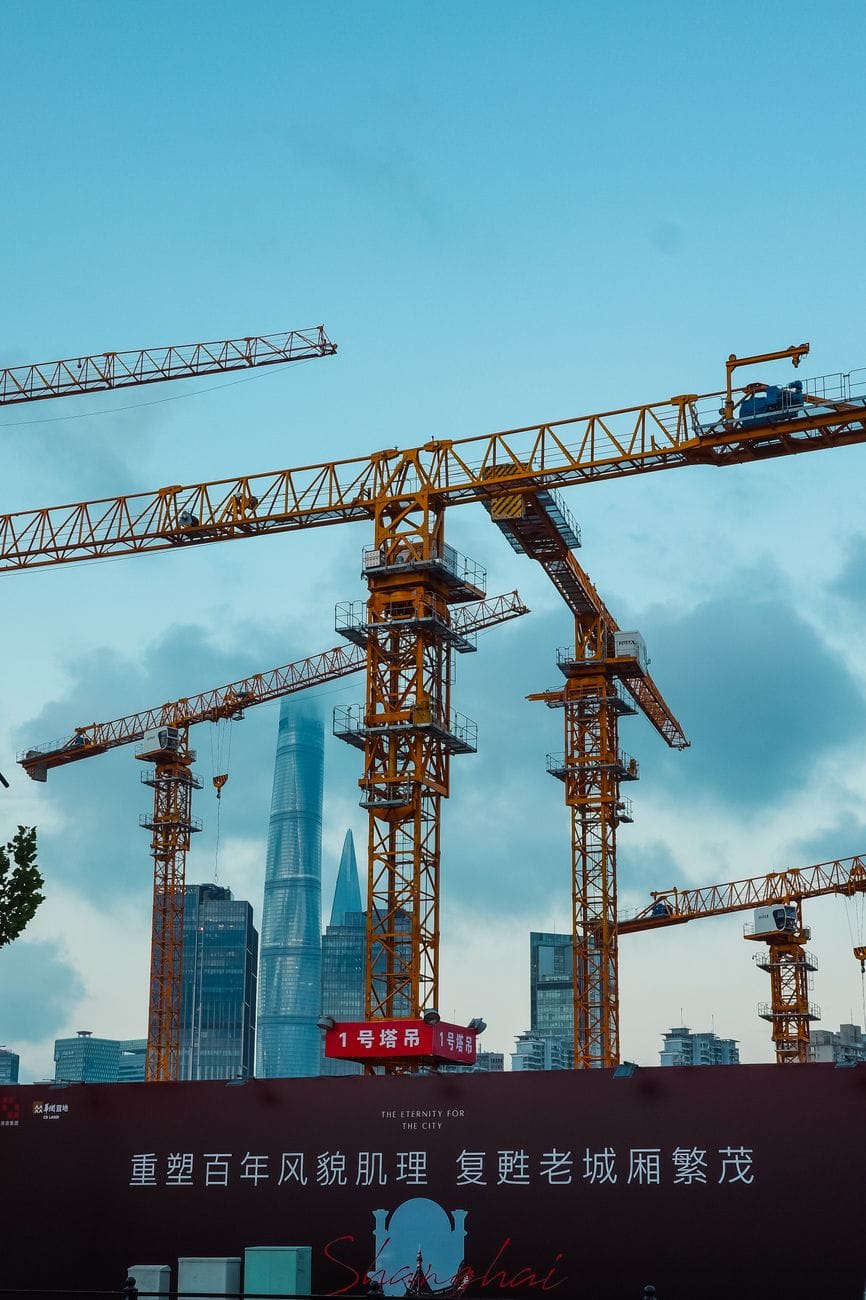
Beijing, MMN Correspondent: China’s economy just hit a speed bump that’s got everyone talking. Official data from July 2026 shows the country’s GDP grew only 4.1% year on year in the second quarter. That’s the slowest pace since early 2023. For a nation that once sprinted at 7% or more, this is a notable shift. But here’s the real question: is this a temporary stumble or a sign of deeper change?
Let’s look at what’s driving this. The property sector, which used to be a powerhouse, is now a drag. Housing prices have fallen in over 80 major cities. Big developers like Evergrande and Country Garden have defaulted, shaking confidence. Since property related activities make up nearly a quarter of China’s GDP, this slowdown ripples everywhere. Yet, there’s a flip side. The government is using this moment to push for a more balanced economy one less reliant on real estate and more focused on tech and green energy.
Consumer spending is another piece of the puzzle. Despite stimulus efforts, households are cautious. Youth unemployment hit 21.3% in June 2026, and disposable income has barely budged. People are saving more and spending less. Retail sales grew just 3.8% in the second quarter, below the 5.5% target. But here’s where it gets interesting: the government is rolling out direct cash transfers and tax breaks for small businesses. They’re also expanding the digital yuan to 20 cities to make transactions smoother. Will these moves reignite spending? That’s the million dollar question.
Manufacturing, once China’s crown jewel, is showing strain too. Exports of electric vehicles, solar panels, and batteries are still strong, but overall export growth slowed to just 1.9% in June 2026. Global demand has softened as Western economies raise interest rates and countries like India, Vietnam, and Mexico build their own supply chains. China isn’t standing still though. Its ‘Made in China 2025’ strategy is pouring resources into semiconductors, robotics, and AI. These sectors could become the next growth engines.
Demographics add another layer. China’s working age population has been shrinking since 2011, and fertility rates are at 1.12 births per woman far below the replacement level. By 2050, the workforce could drop by nearly 100 million people. That sounds daunting, but it also pushes the country to innovate. Automation and productivity gains become essential. China already leads in solar capacity, EV production, and 5G deployment. These strengths could help offset labor shortages.
Officials in Beijing remain upbeat. They point to the green energy transition and digital infrastructure as bright spots. The economy is still the world’s second largest, with a GDP over $18 trillion. Its domestic market is vast, and its industrial base is robust. The shift from breakneck growth to a more sustainable pace might feel unsettling, but it opens doors for new industries and smarter investments.
Globally, this slowdown matters. As China moderates, other emerging markets like Indonesia, Bangladesh, and Brazil could gain ground in supply chains. Western nations are also rethinking their reliance on Chinese manufacturing. Financial markets are watching closely any further dip could ripple through Asian stock indices. For investors and businesses, the message is clear: adapt to a China that grows slower but smarter.
Looking ahead, economists expect annual GDP growth between 4% and 5% through 2027. That’s lower than the past but still faster than most developed economies. Success will hinge on how well reforms take hold, whether domestic demand picks up, and how China navigates trade tensions with the U.S. and climate policies. The era of double digit growth may be over, but the transformation into an innovation driven economy offers fresh opportunities. The key is to watch where the new momentum builds.
Related in Finance

Finance
Oil Breaches $100: What Trump’s ‘Massive Attack’ Warning Means for Your Wallet and Global Markets
On a sweltering July evening in Florida, a single sentence from a former president sent shockwaves through the global economy. Oil prices just punched through the $100 barrier for the first time in nearly three years. And the reason? Not a supply cut, not a refinery fire, but a…
Read More...
Finance
Tesla Profits Drop 45%: What the Price War Means for Your Next EV Purchase
Tesla just reported a 45% drop in net income for the second quarter of 2026. That’s a massive number. And it’s not because people stopped buying their cars. Deliveries actually ticked up to around 480,000 units globally. So what’s going on? The answer is simple and complex at th…
Read More...
Finance
What Would Happen If a U.S. President Ordered a Strike on Iran’s Nuclear Site? Here’s What You Need to Know
Imagine standing in a packed arena in Dallas, Texas, listening to a former president promise something that could reshape the Middle East for decades. That’s exactly what happened recently when Donald Trump told a roaring crowd that if he returns to the White House in 2028, he w…
Read More...
Finance
How MAGA Inc. Built a $400 Million War Chest for the 2026 Midterms: What It Means for Your Vote
Imagine having $400 million to spend on shaping the future of American politics. That is exactly what MAGA Inc., the pro-Trump super PAC, has reportedly amassed ahead of the 2026 midterm elections. This is not just a number. It is a signal that political fundraising has entered…
Read More...
Finance
140+ Casualties in 3 Countries: What’s Driving the US Military’s New Strategy Against Iran?
Have you ever wondered what happens when a superpower decides to change the rules of engagement overnight? That’s exactly what we’re seeing right now across Iraq, Syria, and Yemen. The United States has just launched a coordinated wave of military strikes against Iranian backed…
Read More...
Finance
What Happens When a Social Media Empire Collides with International Law? The Tate Brothers Extradition Case Explained
The United Kingdom has formally requested the extradition of Andrew and Tristan Tate following their arrest in Miami, Florida, on July 18, 2026. This development marks a significant moment in a legal saga that has captured global attention, raising questions about the intersecti…
Read More...
Finance
3 Summer Programs in Ajman 2026: Build Financial Skills, AI Knowledge & Mental Math for Ages 6–18
What if your child’s summer break could be the launchpad for a future in finance, artificial intelligence, or entrepreneurship? That’s exactly what the Department of Finance in Ajman is offering with its 2026 summer lineup. Instead of idle days, kids and teens will dive into han…
Read More...
Finance
What Happens When Wildfire Smoke Crosses Borders? A Trade War Over the Air We Breathe
Imagine waking up to a sky turned orange, the air thick with the smell of burning forests, and then hearing your president blame your northern neighbor for the haze. That is exactly what happened on July 17, 2026, when former U.S. President Donald Trump stood before a rally in M…
Read More...
Finance
Chip Stocks Crashed 6% in a Day: What’s Really Happening to Nvidia, Intel, and Micron?
If you blinked on July 17, 2026, you might have missed one of the most dramatic single-day sell-offs in the U.S. semiconductor sector. Chip and memory stocks didn’t just dip—they plunged. Nvidia fell 8.4%. Micron dropped 10.3%. Intel lost 7.6%. And the Philadelphia Semiconductor…
Read More...
Finance
Indian Firms Spent $45 Billion Abroad in 2024: Is the Rupee Paying the Price?
Corporate India is stepping onto the global stage like never before. Indian companies are pouring record amounts of money into overseas acquisitions, new factories, and strategic partnerships. But here is the question that is keeping economists awake: can the rupee survive this…
Read More...