
Germany's Fuel Crisis: Why AfD Demands Immediate Tax Cuts Amid Red Sea Chaos
We compile, generate and translate using Artificial Intelligence from the below given source. Macro Micro News is responsible for its editorial publication.
Berlin, Germany, Source:
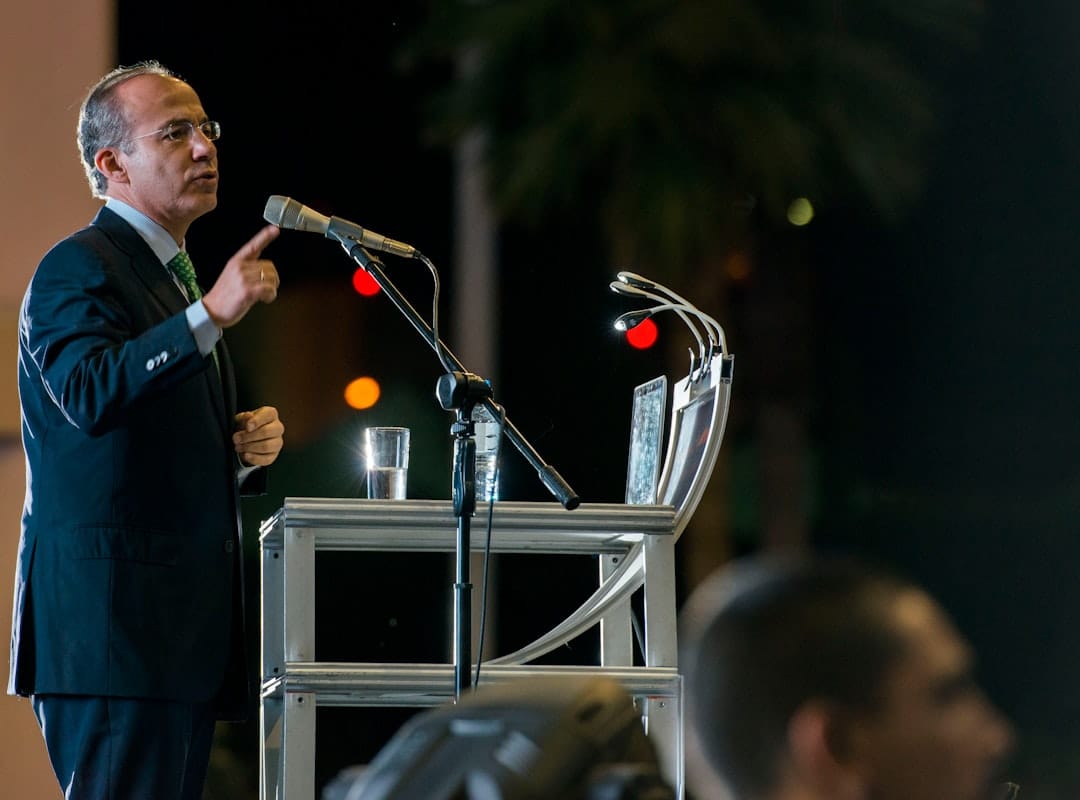
Tino Chrupalla, co-leader of the Alternative for Deutschland (AfD), has issued an urgent call for the German federal government to reduce energy taxes on gasoline and diesel. The statement, released in Berlin on September 13, 2026, highlights the severe economic pressure facing German commuters and businesses as a direct result of supply chain disruptions caused by Houthi militia attacks in the Red Sea.
Chrupalla argues that the current tax structure places German enterprises at a significant competitive disadvantage compared to their European counterparts. He specifically demands that the Bundesgovernment lower the national energy tax to the minimum level permitted under European Union directives. Furthermore, he calls for the immediate abolition of the national CO2 price on heating fuels and transport, which he characterizes as an unnecessary financial burden during a period of crisis. According to the AfD leader, these additional levies constitute a "special path" that isolates Germany from its neighbors and inflates operational costs for local industries.
The surge in oil prices is largely attributed to the ongoing conflict in the Middle East. Houthi attacks on commercial shipping vessels have forced many major logistics companies to reroute cargo around the Cape of Good Hope, significantly increasing transit times and insurance premiums. This disruption has created a bottleneck in global energy supplies, leading to higher retail prices for consumers and freight operators across Europe. While other EU nations have implemented various subsidies or tax freezes to mitigate these impacts, Germany’s current fiscal policy remains unchanged, according to critics within the political opposition.
The debate over energy taxation in Germany has been a contentious issue for several years. Proponents of the CO2 pricing model argue it is essential for meeting climate goals and incentivizing a transition to renewable energy sources. However, opponents like Chrupalla contend that such measures are economically damaging when global energy markets are volatile. They suggest that reducing taxes would provide immediate relief to households struggling with high living costs and help maintain the competitiveness of German manufacturing sectors.
As autumn approaches, the political pressure on the ruling coalition is expected to intensify. The AfD’s proposal reflects a broader sentiment among certain segments of the population who feel that environmental policies are being prioritized over economic stability. Whether the government will respond to these demands with temporary tax cuts or maintain its long-term climate strategy remains a critical question for the coming months. The outcome could influence not only domestic energy policy but also Germany’s position within the broader European energy market.
Related in Politics
Politics
EU Strategy 2026: How Tech Capital and Active Lifestyles Are Reshaping Europe's Future
The European Commission has unveiled a dual-track strategy for 2026 that targets both economic resilience and social well-being. By strengthening technological infrastructure while promoting healthier lifestyles, the EU aims to align policy with public sentiment amidst global un…
Read More...
Politics
EU September 2026 Update: Data Centers, Customs, and Arctic Resilience
The European Commission has introduced a common rating scheme for data centers to enhance transparency regarding energy and water consumption. This initiative supports Europe's push for technological independence while addressing the environmental impacts of rapid digital expans…
Read More...
Politics
Guimarães Summit: Europe’s $180B Climate Strategy for COP31
The historic city of Guimarães has become the focal point for a critical dialogue on clean growth and sustainable development. As the European Green Capital, this gathering serves as a vital precursor to COP31, emphasizing the urgent need to align climate action with economic st…
Read More...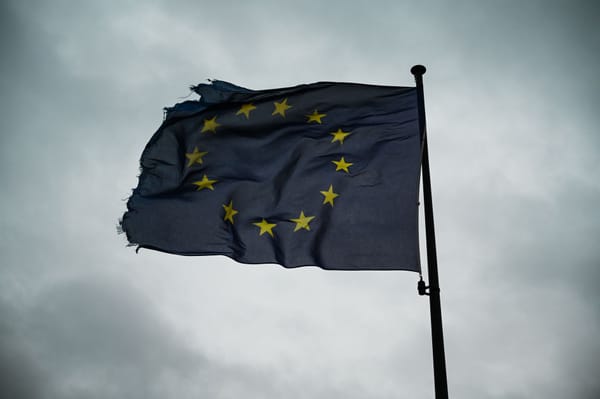
Politics
EU Deploys €489M to Rebuild Southern Europe After Winter Storms: What’s Next for Portugal, Spain, Italy & Malta?
The European Commission has stepped forward with a decisive financial response, announcing a €489 million aid package aimed at helping Portugal, Spain, Italy, and Malta recover from the severe weather events that battered the region in January and February 2026. This significant…
Read More...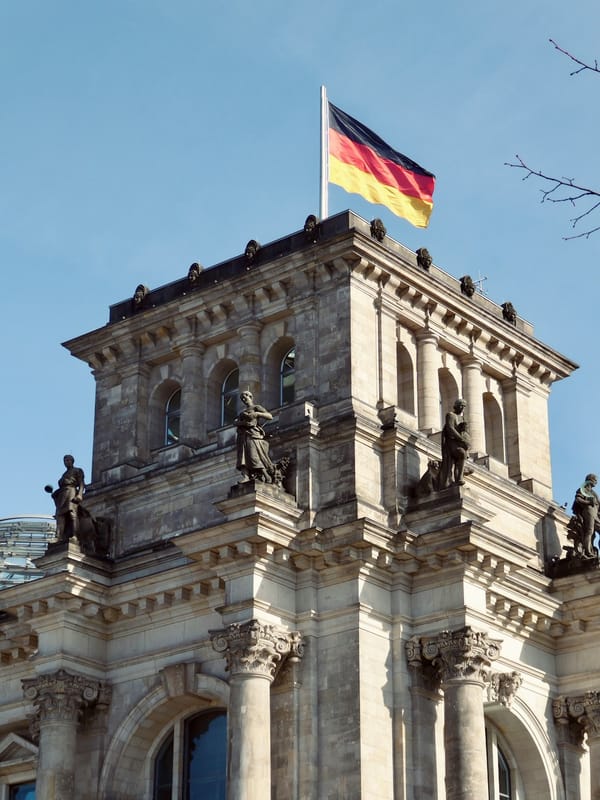
Politics
Germany Security Alert: Weidel Challenges Merz Plan on Migration and Safety
A significant political discussion has emerged in Germany regarding national security and migration policy. Alice Weidel, co-leader of the Alternative for Germany (AfD), has responded to a ten-point plan proposed by the Merz-led federal government. The government released this s…
Read More...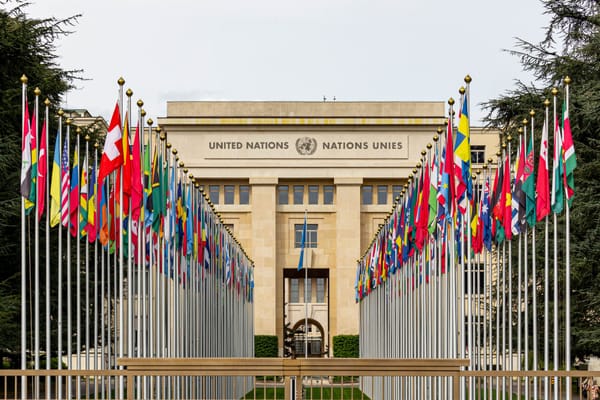
Politics
UN General Assembly 2026: Can Global Leaders Restore Trust Before the Deadline?
Every September New York becomes the heartbeat of global diplomacy. Heads of state and senior diplomats gather at United Nations Headquarters to navigate a complex web of geopolitical tensions and overlapping crises. The 81st session of the UN General Assembly’s High-Level Week…
Read More...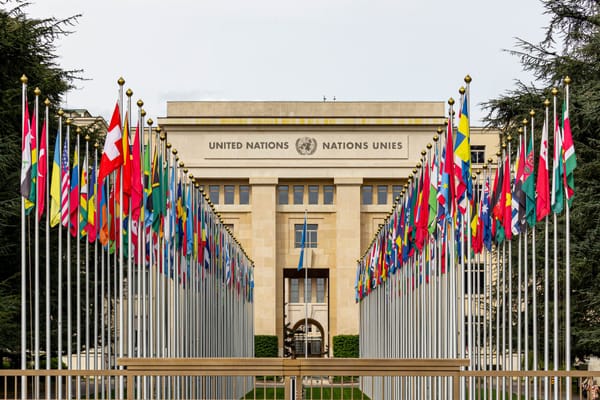
Politics
UN General Assembly 2026: Can Leaders Bridge the Gap Before 2030?
Each September, New York becomes the global stage for diplomacy. Heads of state and senior diplomats gather at United Nations Headquarters to address pressing international issues. The 81st session of the UN General Assembly’s High-Level Week takes place amid rising geopolitical…
Read More...
Politics
EU Cuts Red Tape: How Ending Gold-Plating Boosts SME Competitiveness in 2026
The European Commission has launched a decisive campaign to eliminate "gold-plating," a practice where member states add unnecessary regulatory layers beyond EU requirements. This initiative follows President von der Leyen’s 2026 State of the Union Address, which highlighted reg…
Read More...
Politics
Europe's Heat Crisis: How the EU is Rewiring Resilience Against Record Wildfires
The summer of 2026 has served as a stark reminder of Europe’s vulnerability to climate change. Heatwaves, droughts, and wildfires have inflicted substantial damage on public health, agriculture, and infrastructure. As temperatures soar across the continent, the European Commissi…
Read More...
Politics
EU Missions Hit Major Milestones: Cancer Goals Met, Farm Aid Approved, and Key Deals Cleared
The European Commission has unveiled a mid-term assessment that confirms the EU's Mission-driven approach is actively reshaping the continent. Released on September 14, 2026, this report details how scientific innovation under the Horizon Europe programme is turning into practic…
Read More...