
Padel Injury Risks: How Force Imbalances Affect Amateur Players
We compile, generate and translate using Artificial Intelligence from the below given source. Macro Micro News is responsible for its editorial publication.
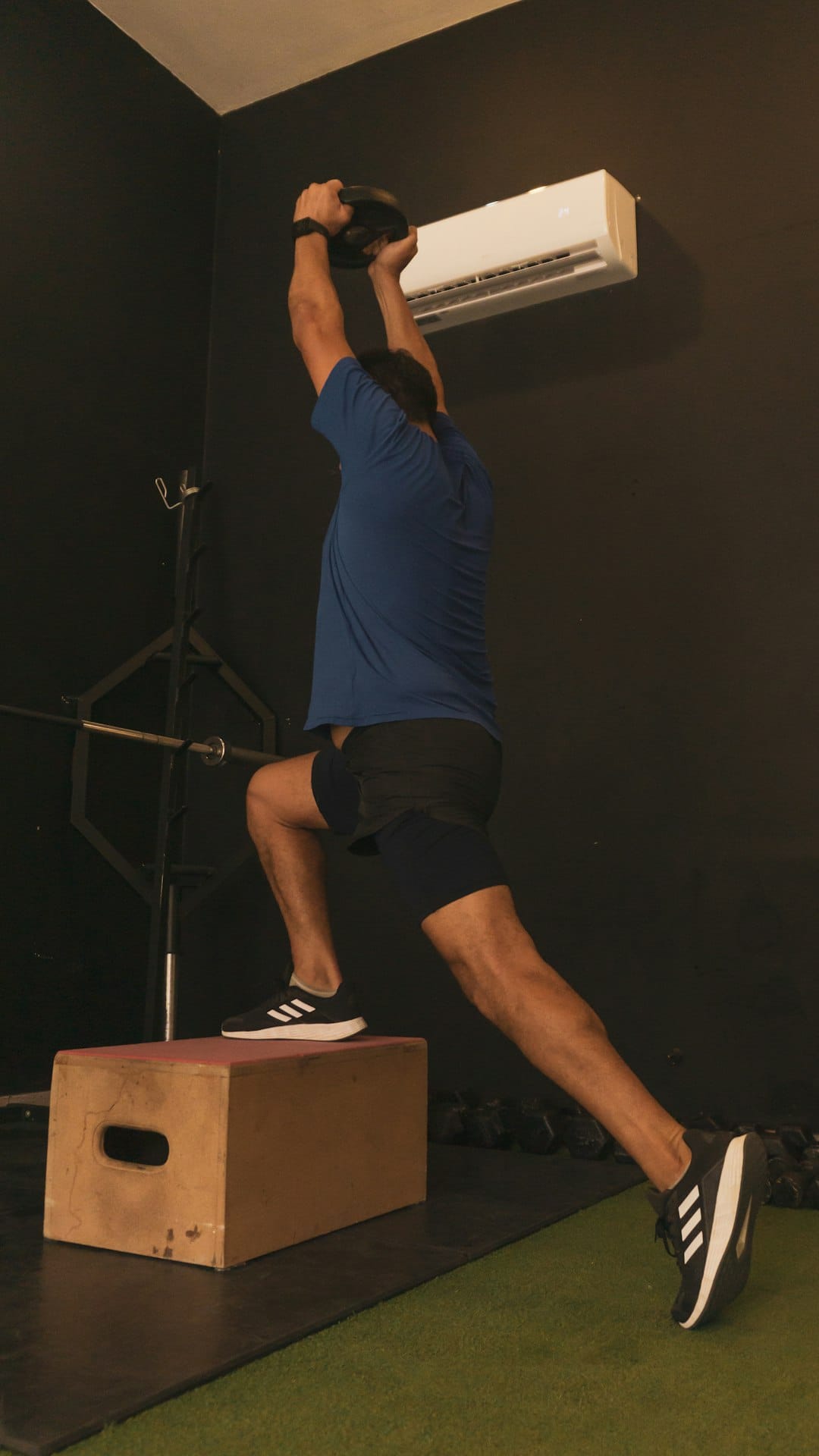
Johannesburg, South Africa, Source:
Padel has transformed from a niche activity into a global phenomenon. This rapid expansion introduces physical demands that many amateur players do not fully anticipate. A recent study published in October 2026 by researchers at the University of Johannesburg provides valuable data on the neuromuscular traits of these athletes. The research highlights specific force imbalances in the lower body and their impact on both performance and safety.
The investigation involved thirty amateur padel players with an average age of 41.2 years. Researchers used VALD ForceDecks force plates to measure Countermovement Jump (CMJ) performance. This metric is essential for assessing lower-limb power and explosive strength. The results showed clear differences between limbs. The dominant limb generated significantly more peak force during concentric, eccentric, and landing phases. This pattern reflects the repetitive unilateral loading required by the sport's multidirectional movements.
Sex-based variations played a significant role in the findings. Male athletes achieved higher jump heights and greater peak power outputs compared to female athletes. Female participants also displayed higher landing-phase force asymmetry. Their asymmetry levels exceeded the 15% threshold often linked to increased injury risk. This suggests that women may distribute load less evenly during high-impact landings. Such uneven distribution could raise the likelihood of injuries like ACL tears or ankle sprains, which are common due to the frequent changes in direction inherent in padel.
Although most asymmetries stayed below the 15% risk threshold, the elevated landing asymmetry in females deserves attention. The study indicates that while some asymmetry serves as a functional adaptation, excessive imbalances can alter movement mechanics and increase stress on tissues. Regular CMJ assessments offer a practical way to identify these neuromuscular deficits early. Coaches and sports scientists can use these metrics to monitor athlete readiness and design targeted strength training programs. These interventions help correct imbalances, enhance performance, and reduce musculoskeletal injuries among amateur padel enthusiasts.
Related in Sport

Sport
Why You See Access Denied on MDPI: The Real Story Behind Scholarly Paywalls
The phrase "Access Denied" often feels like a digital brick wall. It is more than a simple technical glitch. It represents the complex intersection of intellectual property rights and global information accessibility. When you encounter a 403 Forbidden error on platforms like MD…
Read More...
Sport
Why You Are Blocked: The Real Reasons Behind Access Denied Errors
In the vast landscape of digital information, few experiences are as frustrating or ubiquitous as encountering an 'Access Denied' error. This message, often accompanied by cryptic reference numbers and server warnings, represents a fundamental barrier between users and the conte…
Read More...
Sport
Aging and Muscle Protection: What the Repeated Bout Effect Reveals About Your Future Strength
The repeated bout effect describes a fascinating physiological phenomenon where a single session of eccentric exercise provides lasting protection against muscle damage during future similar activities. This adaptive response allows muscles to recover faster and suffer less stru…
Read More...
Sport
Elite Handball: How Anaerobic Power Drives Match Success
Team handball at the highest level demands more than just stamina. It requires explosive power and the ability to change direction instantly. Recent reviews point out that success in this intermittent sport hinges on anaerobic capacity. Players need to accelerate fast, shoot wit…
Read More...
Sport
Why You See Access Denied: The Real Story Behind Academic Paywalls
That frustrating "Access Denied" message is more than just a technical hiccup. It stands at the crossroads of intellectual property rights and global information equity. When you hit a 403 Forbidden error on platforms like MDPI, you are seeing the academic publishing ecosystem i…
Read More...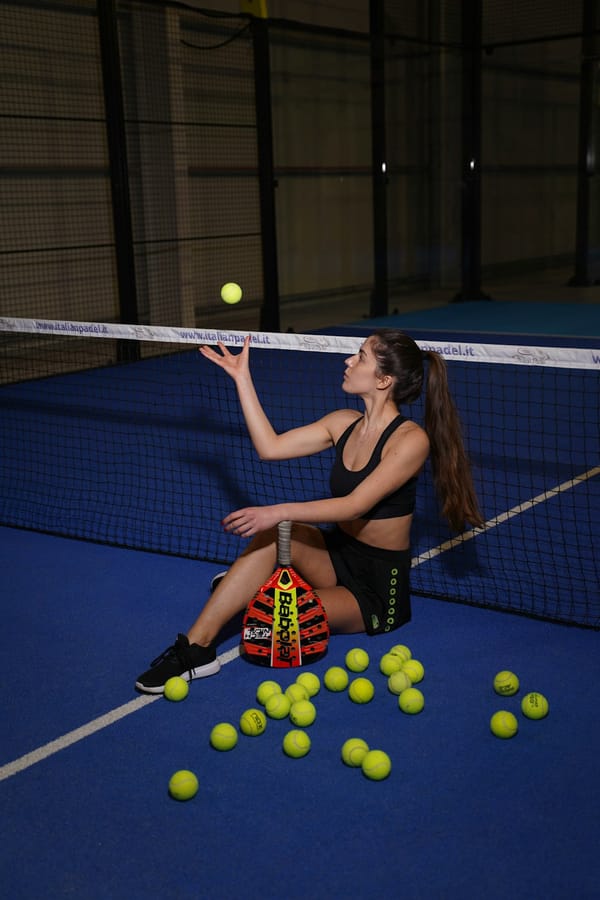
Sport
Core Training Boosts Balance and Strength in Young Female Tennis Players
Tennis demands explosive power and precise control. The core acts as the central hub that transfers energy from the legs to the arms. For girls aged 13 to 14 this stage offers a unique window for neuromuscular growth. A recent study explores how specific core exercises can impro…
Read More...
Sport
Hungarian Soccer Data: How MD-3 and MD-2 Training Loads Predict Match Wins
In the high-stakes arena of professional football, victory is often attributed to tactical brilliance or individual skill. However, emerging research suggests that the timing and distribution of physical training loads throughout the week may be a critical yet overlooked predict…
Read More...
Sport
How Synchronized Drives Team Unity: New Data on Junior Handball Cohesion
Success in youth sports often gets pinned on individual brilliance. Yet a new perspective suggests that the invisible glue holding a team together matters just as much. A recent six-month study tracking 64 junior handball players aged 12 to 14 reveals that coordination training…
Read More...
Sport
How Elite CrossFit Athletes Taper: The 8-Week Load Management Blueprint for Peak Performance
CrossFit has transformed from a niche fitness trend into a rigorous sport that demands seamless integration of weightlifting, gymnastics, and metabolic conditioning. For elite athletes, victory depends less on raw power alone and more on the precise orchestration of training loa…
Read More...
Sport
How Digital Platforms Can Transform Elite Athlete Career Transitions and Mental Health Support
The journey from elite sports to post-athletic life presents one of the most psychologically and socially demanding phases in an athlete's career. A comprehensive cross-sectional study involving 136 European elite athletes reveals a critical disconnect between the high value ath…
Read More...