
Parasport Participation Gap: Why Motivation Fails Without Structural Support
We compile, generate and translate using Artificial Intelligence from the below given source. Macro Micro News is responsible for its editorial publication.
Global, Source:
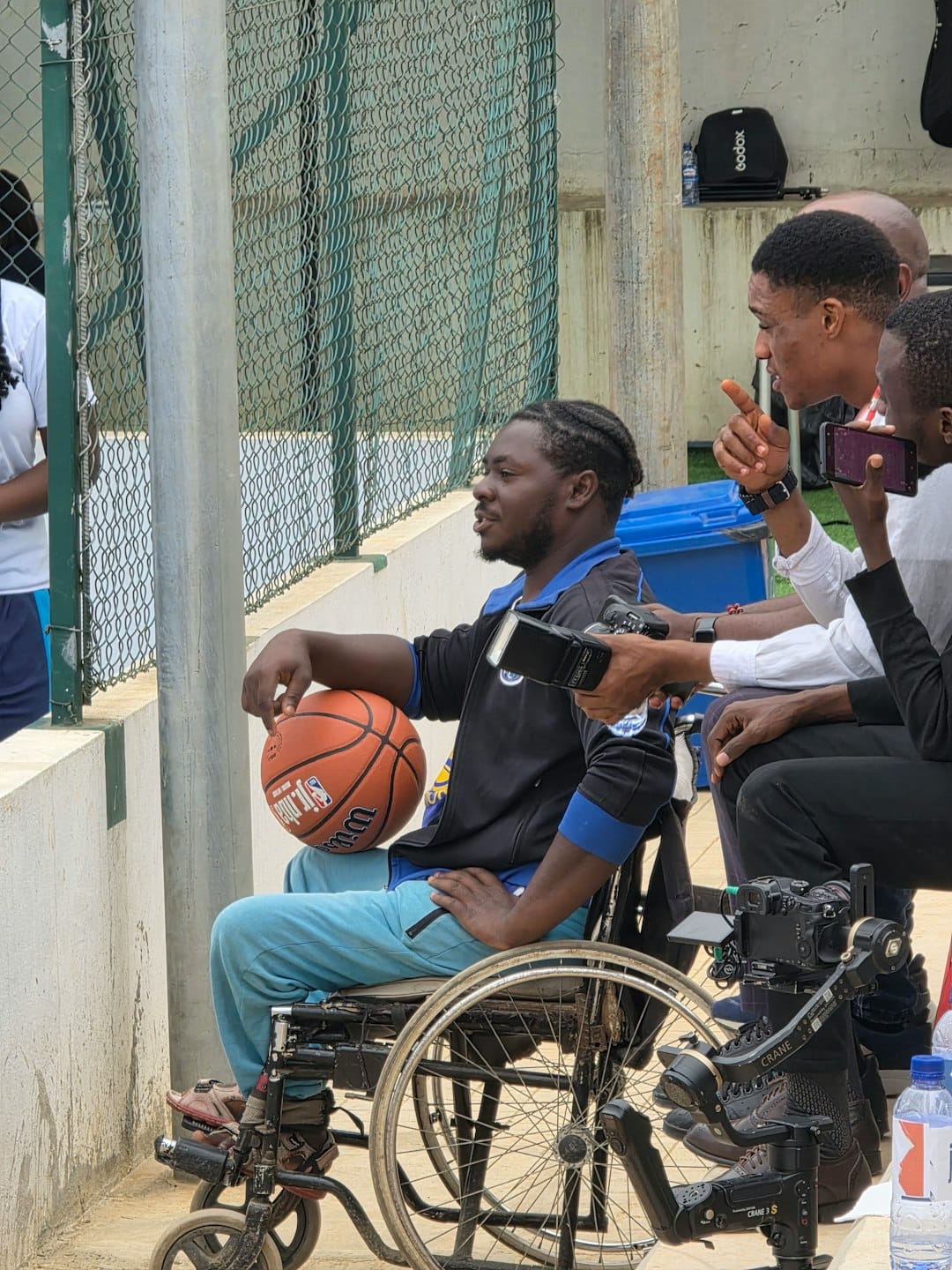
Sport participation stands as a vital pillar for the physical and social well-being of individuals with disabilities. The Paralympic Movement has grown significantly from 400 athletes in 1960 to approximately 4,400 in Paris 2024. Yet global evidence shows people with disabilities remain 16 to 62 percent less likely than their non-disabled peers to meet physical activity guidelines. A comprehensive systematic review published in October 2026 reveals this gap stems from fragmented research and structural barriers rather than individual willpower alone.
The analysis of 106 studies highlights a critical imbalance in how sport participation is studied. More than half of the existing literature consists of cross-sectional snapshots of currently active participants. These snapshots offer little insight into how individuals enter or sustain long-term engagement. Direct behavioral evidence of persistence was found in only 4.7 percent of studies while withdrawal and dropout were addressed in just 10.4 percent. This scarcity of longitudinal data makes it difficult to distinguish between factors that initiate participation and those that maintain it over time.
A persistent disconnect exists between motivational and contextual factors. Self-Determination Theory and basic psychological needs like autonomy and competence are frequently cited but rarely examined alongside environmental realities. Factors such as facility accessibility cost transportation and equipment availability often go unexamined. Only five studies explicitly adopted an integrated social-ecological model. Consequently interventions often focus on individual motivation while neglecting the structural prerequisites necessary for sustained involvement.
Geographically the evidence base is heavily concentrated in North America Western Europe Turkey and Oceania. Sub-Saharan Africa South Asia and Latin America remain significantly underrepresented. This limits the global generalizability of findings particularly regarding economic and infrastructural barriers prevalent in lower-income regions. Future efforts must prioritize prospective theory-driven research that directly observes behavioral persistence and discontinuation.
Promoting inclusive sports requires a dual approach. Practitioners and policymakers must foster intrinsic motivation while simultaneously dismantling systemic barriers related to access funding and organizational support. The path forward demands a shift from studying who plays today to understanding why they stay or leave tomorrow.
Related in Sport

Sport
Why You See Access Denied on MDPI: The Real Story Behind Scholarly Paywalls
The phrase "Access Denied" often feels like a digital brick wall. It is more than a simple technical glitch. It represents the complex intersection of intellectual property rights and global information accessibility. When you encounter a 403 Forbidden error on platforms like MD…
Read More...
Sport
Why You Are Blocked: The Real Reasons Behind Access Denied Errors
In the vast landscape of digital information, few experiences are as frustrating or ubiquitous as encountering an 'Access Denied' error. This message, often accompanied by cryptic reference numbers and server warnings, represents a fundamental barrier between users and the conte…
Read More...
Sport
Aging and Muscle Protection: What the Repeated Bout Effect Reveals About Your Future Strength
The repeated bout effect describes a fascinating physiological phenomenon where a single session of eccentric exercise provides lasting protection against muscle damage during future similar activities. This adaptive response allows muscles to recover faster and suffer less stru…
Read More...
Sport
Elite Handball: How Anaerobic Power Drives Match Success
Team handball at the highest level demands more than just stamina. It requires explosive power and the ability to change direction instantly. Recent reviews point out that success in this intermittent sport hinges on anaerobic capacity. Players need to accelerate fast, shoot wit…
Read More...
Sport
Why You See Access Denied: The Real Story Behind Academic Paywalls
That frustrating "Access Denied" message is more than just a technical hiccup. It stands at the crossroads of intellectual property rights and global information equity. When you hit a 403 Forbidden error on platforms like MDPI, you are seeing the academic publishing ecosystem i…
Read More...
Sport
Core Training Boosts Balance and Strength in Young Female Tennis Players
Tennis demands explosive power and precise control. The core acts as the central hub that transfers energy from the legs to the arms. For girls aged 13 to 14 this stage offers a unique window for neuromuscular growth. A recent study explores how specific core exercises can impro…
Read More...
Sport
Hungarian Soccer Data: How MD-3 and MD-2 Training Loads Predict Match Wins
In the high-stakes arena of professional football, victory is often attributed to tactical brilliance or individual skill. However, emerging research suggests that the timing and distribution of physical training loads throughout the week may be a critical yet overlooked predict…
Read More...
Sport
How Synchronized Drives Team Unity: New Data on Junior Handball Cohesion
Success in youth sports often gets pinned on individual brilliance. Yet a new perspective suggests that the invisible glue holding a team together matters just as much. A recent six-month study tracking 64 junior handball players aged 12 to 14 reveals that coordination training…
Read More...
Sport
How Elite CrossFit Athletes Taper: The 8-Week Load Management Blueprint for Peak Performance
CrossFit has transformed from a niche fitness trend into a rigorous sport that demands seamless integration of weightlifting, gymnastics, and metabolic conditioning. For elite athletes, victory depends less on raw power alone and more on the precise orchestration of training loa…
Read More...
Sport
How Digital Platforms Can Transform Elite Athlete Career Transitions and Mental Health Support
The journey from elite sports to post-athletic life presents one of the most psychologically and socially demanding phases in an athlete's career. A comprehensive cross-sectional study involving 136 European elite athletes reveals a critical disconnect between the high value ath…
Read More...