
The U.S. Sold Euros to Lift the Yen: What It Means for the ECB, Global Markets, and Your Money
We compile, generate and translate using Artificial Intelligence from the below given source. Macro Micro News is responsible for its editorial publication.
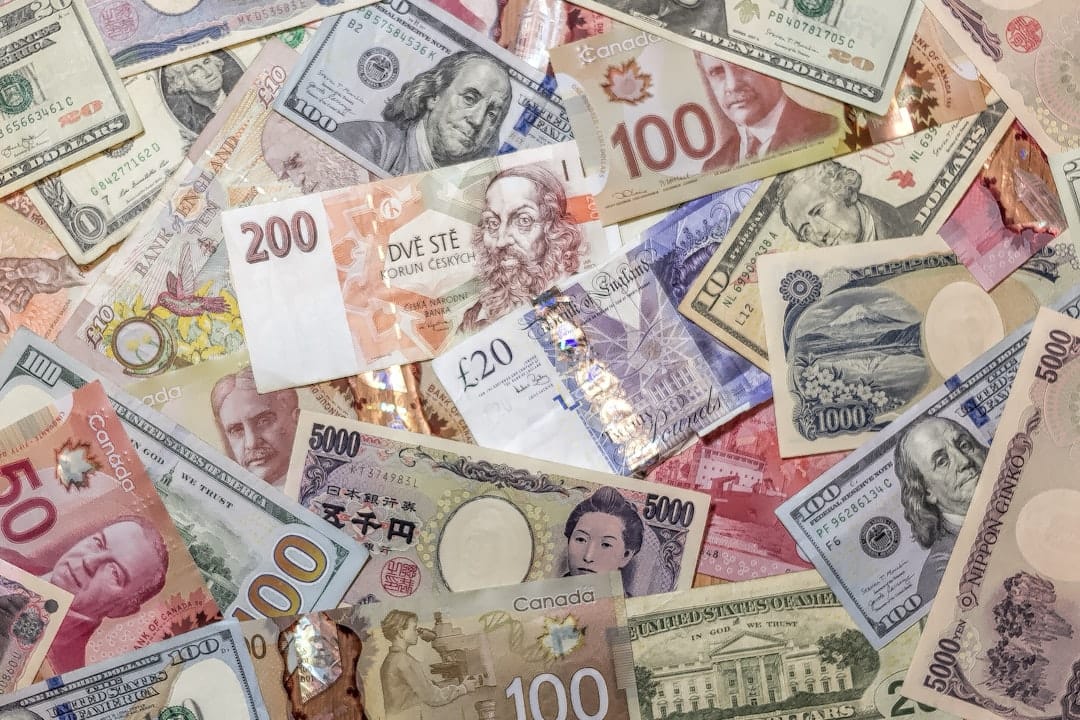
Washington, D.C., MMN Correspondent: The first week of August 2026 brought a currency market moment that few sectors were ready for. According to a Financial Times report, the U.S. Treasury sold euros to buy yen, giving the Japanese currency a lift after months of pressure. The European Central Bank was not consulted before the move. That has turned this financial operation into a global talking point and a test for how central banks handle currencies in a connected world.
A few background details help show why this matters. Japan has kept interest rates near zero for a long time, and the Federal Reserve raised rates to fight inflation. That combination made the dollar strong and pushed the yen to levels not seen in decades. For Japan, a weak yen made imported food and energy more expensive. At some point, supporting the yen became a priority. The U.S. chose to do that by selling euros, a decision that put the euro directly in the middle of an American and Japanese currency story.
The euro is the second most traded currency in the world, so a large sale of euros by the U.S. Treasury can influence its value. The immediate result was a euro that lost ground against the yen. For European exporters, a softer euro can be helpful because it makes their goods cheaper overseas. For the ECB, the same move creates a challenge because imported energy and raw materials become more costly. The ECB now has to weigh these two forces with inflation in the eurozone still high.
The ECB's response came quickly and carefully. It stressed the importance of coordination and said it would take any measures needed to maintain price stability. In plain language, that means the ECB has options. Interest rates could move faster or further than markets expect. The ECB could even enter the foreign exchange market itself if the euro weakens too much. No one can rule out a more active role for Frankfurt in the months ahead.
Market reactions arrived without delay. The yen rallied against both the dollar and the euro. Japanese exporters welcomed a more stable currency. European companies with global sales saw a different set of conditions. Stock markets in Asia and Europe showed mixed sessions, and bond yields shifted in both directions. Japanese government bond yields edged up as European yields softened. A single currency move can send ripples through stocks, bonds, and trade flows, and this one did all of that.
The U.S. Treasury described the intervention as a one-off measure in the interest of global financial stability. From Washington's perspective, a yen in freefall could lead to capital outflows from Japan and stress across Asian financial markets. The move was designed to interrupt that cycle before it grew larger. The Treasury also made clear that this was not the start of a new currency strategy. Whether other governments accept that framing is another question.
Some market participants have asked why the ECB was not brought into the conversation earlier. Coordination among central banks is a normal part of managing the global financial system, and a move involving the euro without the ECB's involvement is unusual. The episode raises an important question about how much communication should happen before one country acts with another's currency.
This moment reveals something bigger than one trade. Central banks have avoided open market interventions for years, treating them as a last resort. That attitude is shifting. Digital currencies, pandemic aftershocks, and the changing weight of the global economy have made foreign exchange markets harder to predict. In such an environment, direct action starts to look more attractive. The U.S. decision to sell euros is a sign that the old playbook is being updated in real time.
The diplomatic layer is just as important. The U.S. and Japan have been close economic partners for decades. This move could encourage deeper cooperation on currency issues, or it could create new distance if other countries feel left out. Japan itself has often stayed on the sidelines when it came to intervening in the market. With the U.S. acting on Japan's behalf, Tokyo may find it easier to step in again. That could lead to more joint efforts, especially within G7 and G20 discussions.
For the eurozone, the next few months look like a balancing act. A weaker euro gives exporters a chance to gain market share. It also adds pressure to an inflation situation that is already uncomfortable. The ECB's decisions could now influence investment strategies well beyond Europe, because markets know the ECB may be forced to respond to a currency move it did not choose. That makes the central bank one of the most important players to watch.
Investors should not treat this as an isolated story. Currency levels affect the earnings of multinational companies, the price of imported goods, and the attractiveness of entire markets. A stronger yen changes the outlook for Japanese businesses and their suppliers. A softer euro changes expectations for European industries from autos to energy. The message is simple. Monetary policy, fiscal choices, and currency intervention are all connected, and every market participant needs to keep an eye on all three.
Looking ahead, the situation is still unfolding. The U.S. says it will keep monitoring foreign exchange markets. Japan has welcomed the support and called for continued cooperation. The ECB is likely to sharpen its own radar and consider more proactive tools. The G7 and G20 will probably become forums for deeper talks about currency coordination. Whether this intervention becomes a rare exception or the start of a new pattern is still an open question.
The bigger picture is clear. Currency policy has moved from a niche topic into the center of the global economic conversation. The U.S. sale of euros to lift the yen was a bold, direct move with a specific goal. It also revealed how quickly the global financial system can change when countries act alone. The conversation about better coordination is just starting, and the decisions made in the coming weeks will shape how the next phase of global currency policy unfolds. For everyone with money in markets, that is worth following closely.
Related in Finance

Finance
American Household Debt Crisis: Why Rising Incomes Hide a Growing Financial Trap
The Federal Reserve Board dropped a major economic report on October 9, 2026. This document comes from the 2025 Survey of Consumer Finances. It offers a detailed look at how American families are managing their money. The survey happens every three years. It tracks ownership bor…
Read More...
Finance
Fed Fines American Express: What This AML Enforcement Means for Your Financial Security
The Federal Reserve Board has taken decisive action against American Express Company, citing serious deficiencies in the financial giant's ability to detect and report suspicious activities linked to money laundering. This regulatory move underscores the increasing scrutiny plac…
Read More...
Finance
Fed Minutes Sept 2026: What the FOMC Revealed About Your Money
The Federal Open Market Committee shared its September 15–16, 2026 meeting minutes on October 7, 2026. These documents offer a detailed look at the economic conditions that shaped policy decisions. They provide critical insights into the monetary trajectory for the United States…
Read More...
Finance
Isabella Bank Acquires Grand River Commerce: What This Michigan Deal Means for Local Banking
The Federal Reserve Board has officially cleared the path for Isabella Bank Corporation to acquire Grand River Commerce, Inc. and its subsidiary, Grand River Bank. Announced on October 5, 2026, this approval marks a significant consolidation event within Michigan's financial sec…
Read More...
Finance
Fleur Capital Acquires Simmesport State Bank: What This Means for Louisiana Banking
The Federal Reserve Board has officially cleared the path for Fleur Capital Corporation to take over Simmesport State Bank. Both institutions call Simmesport, Louisiana home, making this a significant consolidation within the state's regional banking sector. The announcement cam…
Read More...
Finance
Fed Stress Test Rules: How New Transparency Cuts Capital Volatility by 50%
The Federal Reserve Board has officially finalized significant changes to its supervisory stress testing framework. This move marks a pivotal shift toward greater transparency and public accountability while reducing volatility in capital requirements for large banks. Announced…
Read More...
Finance
15 Major Banks Pass Critical Stress Test: What This Means for Financial Stability
The Federal Deposit Insurance Corporation and the Federal Reserve Board have released their latest feedback letters on September 29, 2026. These documents address resolution plans from 15 major banking organizations. The review focused on entities holding more than $250 billion…
Read More...
Finance
Peoples Bancorp and Citizens National Merge: A Strategic Expansion Across State Lines
The Federal Reserve Board has officially announced its approval of a significant banking consolidation, marking a pivotal moment for regional financial institutions in the Ohio and Kentucky regions. On September 25, 2026, the Board granted permission for Peoples Bancorp Inc., he…
Read More...
Finance
Fed's New Stablecoin Rules: What the GENIUS Act Means for Your Digital Wallet
The Federal Reserve has just taken a major step forward in bringing digital assets into the mainstream financial system. By releasing two new proposals under the GENIUS Act framework, they are asking for public feedback on how to regulate payment stablecoins. This move signals t…
Read More...
Finance
BancFirst and Spirit BankCorp: What This Federal Reserve Approval Means for Oklahoma Banking
The Federal Reserve Board has officially announced its approval of a significant banking consolidation within the state of Oklahoma, marking a pivotal moment for regional financial services. On Tuesday, September 22, 2026, the Board confirmed its acceptance of the application su…
Read More...