
What Happened When Louis Vuitton Built a 10-Meter Wall of Water in Paris for Spring 2027?
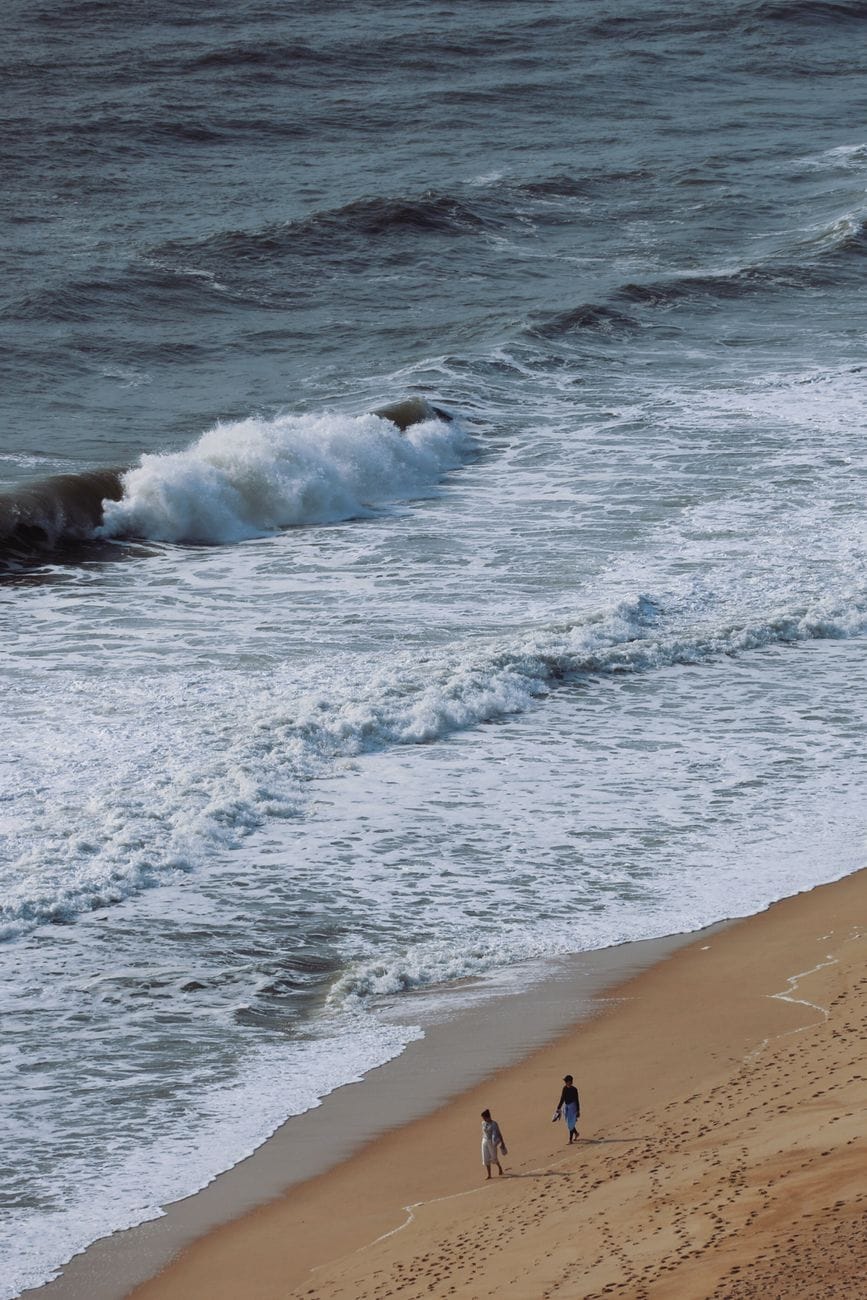
Paris, France, MMN Correspondent: Imagine standing in the middle of Paris, feeling a salt-tinged breeze on your face, watching a 10-meter wall of water split open like a wave. That was the scene on June 23, 2026, when Louis Vuitton presented its Spring 2027 menswear collection. The brand didn’t just put on a show. It created an environment that pulled you into a world where ocean and desert met, where sand covered the floor and weathered wooden benches felt like they had been washed ashore. The air smelled different. The sound of chirping parakeets mixed with the hum of anticipation. It was a sensory experience that asked one question: what if fashion could make you feel the planet beneath your feet?
Pharrell Williams, the artistic director behind this vision, has a knack for blending street culture with high fashion. But this time, he went further. The show started late because Grammy winner Future arrived after the scheduled time. Instead of frustration, the delay built a quiet suspense. People watched the water wall shimmer. They listened to the birds. The wait became part of the story. When the first model finally walked out, the crowd was already hooked.
The collection itself was a study in contrasts. Tailored overcoats had translucent panels that looked rain-slicked. Jackets featured structured fins like surfboards. Silhouettes flowed like ocean currents. Colors stayed grounded in charcoal gray, seafoam green, and deep navy, but iridescent finishes caught the light and shifted with every step. These weren’t just clothes. They were tools for moving through an unpredictable world.
What made this collection stand out was how it handled materials. Louis Vuitton used recycled ocean plastics woven into textiles. Dyes came from algae. The brand’s Circulaire initiative, launched in 2023, aims to cut carbon emissions by 50% by 2030. This collection was a living example of that commitment. Every piece felt intentional, not just in design but in its impact on the planet.
Footwear took inspiration from tidal pools. Sculptural boots had soles that mimicked the texture of wet rocks. Accessories included belts with micro-reflective beads that sparkled like underwater particles. Hats ranged from wide-brimmed sun hats made of upcycled sailcloth to sleek helmet-like caps from lightweight composites. Each item was built for adaptability. In a world where weather patterns shift and city streets can feel like coastlines, these pieces offered both style and function.
Pharrell Williams, who became creative director for menswear in 2024 after a decade of collaboration with the house, described the collection as a preparation for tomorrow. “We’re not just dressing men for today,” he said in a post-show interview. “We’re preparing them for wherever they need to go. A stormy street. A shifting coastline. This collection is about moving forward with grace and purpose.”
The audience reflected that broad appeal. Carine Roitfeld attended barefoot, a gesture that matched the show’s raw energy. Rami Malek, Idris Elba, and Lizzo were there too. The mix of fashion editors, influencers, and avant-garde collectors showed how the collection crossed boundaries of age and style.
This event also marked a shift in how luxury brands present their work. Static catwalks are giving way to immersive experiences. Dior’s 2025 forest-themed show and Gucci’s AI-powered digital fashion week paved the way. But Louis Vuitton’s approach felt different. It used real elements water, wind, natural light to tell a story. The integration of live birds and a physical water wall created a sense of presence that digital experiences can’t replicate.
Retail analysts expect the collection to perform well. McKinsey & Company data shows demand for eco-luxury menswear grew 28% in 2025, especially among consumers aged 25 to 40. Louis Vuitton’s combination of premium craftsmanship and sustainable production fits this trend perfectly. The show’s timing during Paris Fashion Week maximized global attention. Viral moments like the floating bird flocks and the synchronized water wave generated over 1.2 million social media engagements in 48 hours. A behind-the-scenes film about the water wall’s engineering further boosted the brand’s reputation for innovation.
Looking ahead, fashion houses are likely to keep exploring environmental narratives and multisensory engagement. Climate change is reshaping landscapes, and designers are drawing inspiration from natural phenomena not just as motifs but as lived realities. Louis Vuitton’s Spring 2027 menswear collection stands as a landmark in this evolution. It proved that luxury can be visually breathtaking and environmentally conscious at the same time.
As the final model disappeared into the mist, the water wall slowly receded. A quiet hum filled the air. The scent of damp earth lingered. It wasn’t just a fashion show. It was a statement that the future of men’s fashion lies in balance, motion, and a deep connection to the planet we call home.
Related in Fashion

Fashion
Why Your Next Wardrobe Could Be Made of Mushrooms: Inside Ambush’s Spring 2027 Collection
What happens when a Tokyo fashion house decides to stop chasing global trends and instead listens to the forest? You get Ambush’s Spring 2027 Ready to Wear collection, unveiled during Paris Fashion Week. This is not just a new line of clothes. It is a quiet rebellion against the…
Read More...
Fashion
What Maria Grazia Chiuri’s Fendi Debut in Rome Means for the Future of Haute Couture
On a warm July evening in Rome, something quietly extraordinary happened inside the Galleria Nazionale d’Arte Moderne e Contemporanea. Maria Grazia Chiuri, fresh from a decade at Dior in Paris, returned to her hometown to present her first haute couture collection for Fendi. The…
Read More...
Fashion
What Happens When 18th Century Opulence Meets AI Couture? Jean Paul Gaultier’s Fall 2026 Collection Has the Answer
Imagine stepping into a dream where powdered wigs and corsets collide with laser scans and biomechanical forms. That’s exactly what happened when Jean Paul Gaultier unveiled its Fall 2026 haute couture collection during Paris Fashion Week. The show marked the debut of designer D…
Read More...
Fashion
20 Years of Masks: How Ashi Studio’s Fall 2026 Couture Turned Paris Fashion Week Into a Surrealist Dreamscape
What happens when a fashion house celebrates two decades not with a retrospective, but with a full-blown theatrical meditation on identity, disguise, and the art of concealment? Ashi Studio answered that question on the Fall 2026 runway, and the answer was nothing short of mesme…
Read More...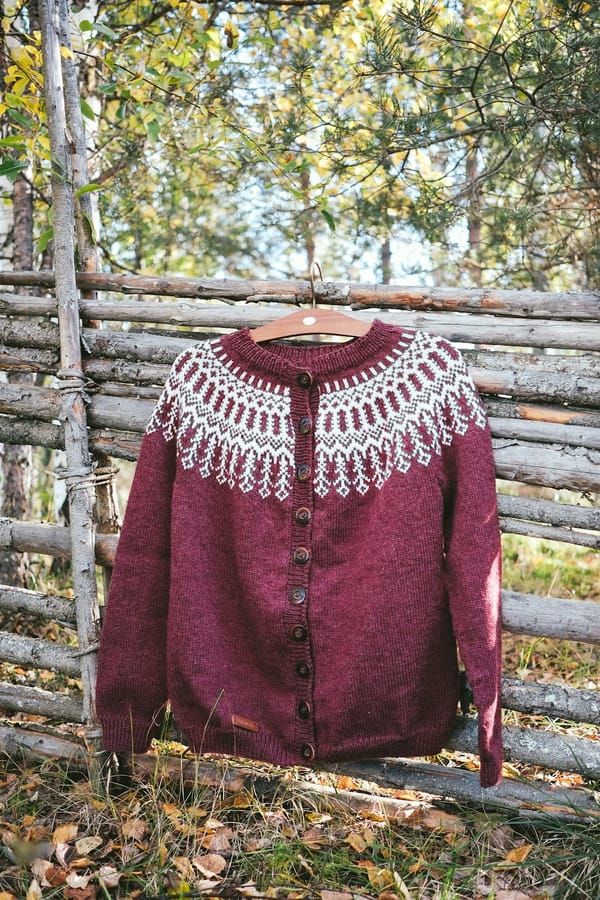
Fashion
How Magda Butrym’s 2027 Resort Collection Turns a Cult Film Into Wearable Art (And Why NYFW Is Next)
What happens when a designer takes a cult Polish psychological thriller and turns it into a wardrobe you can actually wear? Magda Butrym’s 2027 Resort collection offers a compelling answer. Titled ‘Szamanka,’ after Andrzej Żuławski’s 1996 film about power, desire, and identity,…
Read More...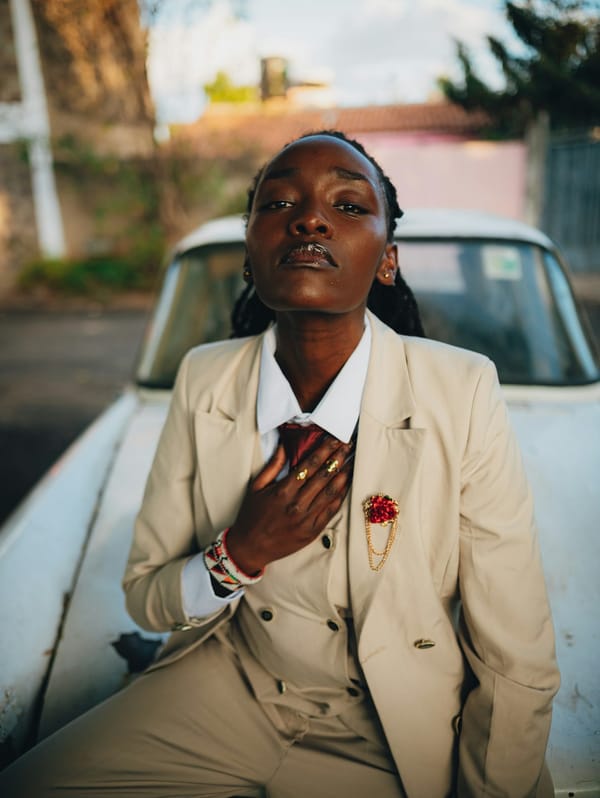
Fashion
7 Ways Berlin Designer Mario Kleine Is Redefining Menswear with History and Emotion in Spring 2027
What happens when a designer stops chasing the next big thing and starts listening to the whispers of the past? Mario Kleine, the mind behind Berlin based label Marke, just answered that question with a collection that feels less like fashion and more like a conversation across…
Read More...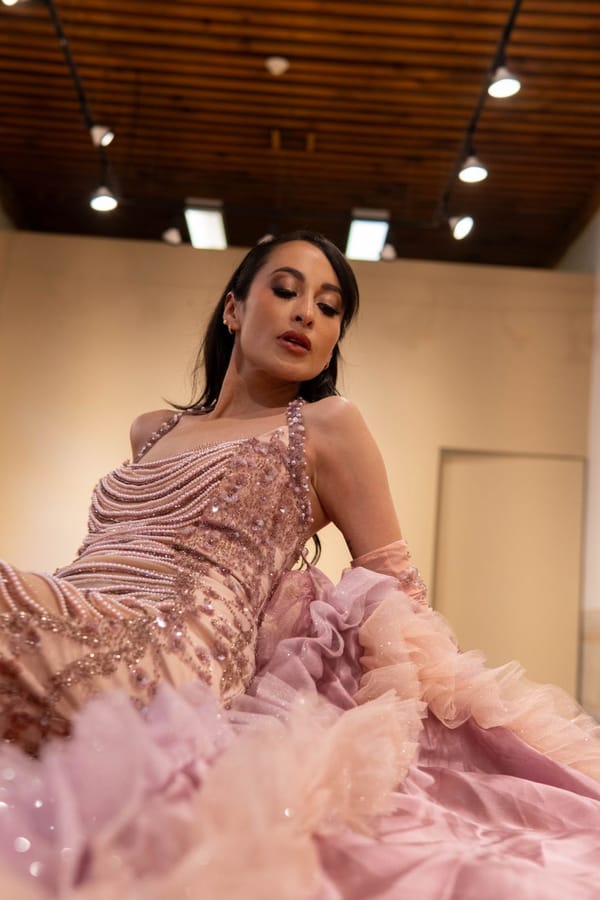
Fashion
7 Reasons Gigi Hadid’s Salmon Pink Wiederhoeft Dress and Soft Serve Hair Are the 2026 Wedding Trend You Need to Copy
Picture this: a candlelit seaside soirée, the air thick with romance, and every guest dressed like a character from a dream. That was the scene at Taylor Swift and Travis Kelce’s 2026 wedding, an event that didn’t just celebrate love—it launched a new era in fashion. Among the a…
Read More...
Fashion
Inside Taylor Swift and Travis Kelce’s Madison Square Garden Wedding: Music, Fashion, and Surprises You Need to Know
Imagine the world’s most famous pop star and an NFL superstar saying “I do” inside a legendary arena that has hosted everyone from Elvis to the Knicks. That’s exactly what happened on July 3, 2026, when Taylor Swift and Travis Kelce turned Madison Square Garden into their privat…
Read More...
Fashion
Why Fashion Insiders Are Calling Anna October’s Resort 2027 Collection a Love Letter to Paris (And You’ll Want Every Piece)
In July 2026, the fashion world’s gaze settled on Paris for reasons beyond its famed boulevards and iconic landmarks. Anna October presented her Resort 2027 collection, titled ‘Café Pleasure,’ at an intimate event that wove together architectural inspiration, historical nods, an…
Read More...
Fashion
7 Ways Mykonos Transformed Duckie Brown’s Spring 2027 Menswear Into a Mediterranean Dream
What happens when two Brooklyn designers trade the roar of subway trains for the whisper of Aegean waves? Daniel Silver and Steven Cox, the minds behind Duckie Brown, found out this spring. They spent months on Mykonos, not as tourists but as students of the island’s quiet rhyth…
Read More...