
Yen’s Slide Resumes as US-Japan Intervention Impact Fades: What You Need to Know Now
We compile, generate and translate using Artificial Intelligence from the below given source. Macro Micro News is responsible for its editorial publication.
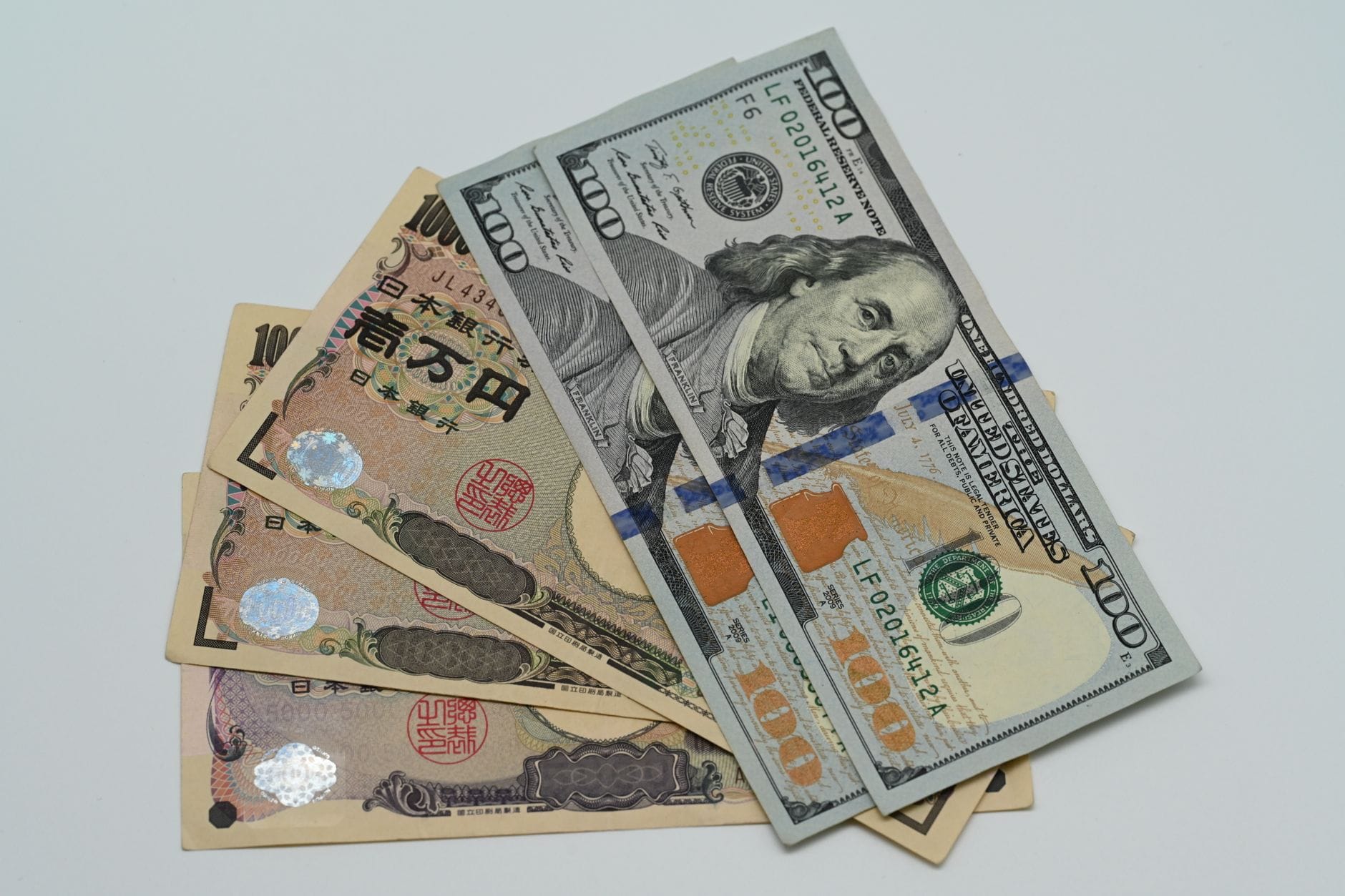
Tokyo, MMN Correspondent: The Japanese yen has started sliding again. The coordinated intervention by US and Japanese authorities in late July gave the currency a short burst of strength. By early August, much of that strength had disappeared. The yen is once again testing levels near its weakest point in decades. A decisive policy move turned out to be a temporary brake on a much larger trend.
The intervention itself was remarkable. The US and Japan sold dollars and used the proceeds to buy yen. This simple step gave markets a jolt of confidence. It also raised hopes that officials would keep defending the currency. Those hopes faded quickly. The recovery lasted only a few days. The market's memory is short, and so is the effect of currency intervention when the underlying forces remain strong.
The real driver is the interest rate gap. The US Federal Reserve has kept rates elevated to manage inflation. The Bank of Japan has kept policy rates ultra-low to support growth and encourage inflation. That gap makes dollar-denominated assets more attractive for yield-focused investors. As long as the gap remains wide, the yen faces persistent selling pressure.
A currency strategist at a major Tokyo bank described it this way: "Interventions can smooth volatility and provide a short-term cushion, but they do not change the underlying economic realities. As long as the rate gap remains wide, the yen will continue to face selling pressure." That message has become a common refrain in trading rooms and policy circles. It also points to the limits of official action.
The yen's weaker level has a clear double edge. Japanese exporters gain a competitive advantage. Goods and services become cheaper for overseas buyers. Companies like Toyota and Sony benefit from stronger demand abroad. Importers face a different picture. Energy and raw material bills rise, and those costs flow through the economy. Smaller businesses and households feel the strain. That is the price of a cheaper currency in a country that relies heavily on imported resources.
Japanese officials have repeated their readiness to act. Finance Minister Shunichi Suzuki said the government is watching moves with a high sense of urgency. He promised a response if volatility becomes excessive. Such verbal warnings can shift sentiment for a few hours or even days. Then investors go back to the data. The recent action followed the same pattern.
The US decision to join the intervention was unusual. Washington has long preferred a market-determined dollar and rarely steps into currency markets. This time, the participation reflected a broader concern. An excessively weak yen can disrupt international trade and investment flows. It can also add pressure on other currencies in Asia. The joint move was an acknowledgment that currency stability is a shared interest.
The broader economic picture has not changed. The US economy has shown resilience. Employment remains strong and consumers are still spending. That gives the Federal Reserve room to keep rates higher for longer. Japan's economy continues to deal with sluggish growth and deflationary pressures. The Bank of Japan has avoided rate hikes because the recovery is fragile and the government's debt burden is among the highest in the world. These are not easy circumstances for policy makers.
Investors are now trying to anticipate the Bank of Japan's next move. Some analysts expect a gradual adjustment to yield curve control or a small rate increase. Any such change would need to be carefully communicated. A sudden shift could cause market turmoil and undo the fragile progress. The BOJ knows this. The market knows this. So the most likely path is patience and careful calibration.
The weaker yen also creates opportunities. Japanese stocks and real estate become more affordable for foreign investors. Capital inflows can help lift asset prices and support corporate valuations. Trading partners may worry about competitive devaluation. China and South Korea could face pressure to let their own currencies weaken. That dynamic will matter for regional relations in the months ahead.
For Japanese households, the impact has been visible. Imported food costs more. Energy bills have risen sharply. That reduces purchasing power and creates public pressure for action. The government has responded with subsidies and support measures. These help in the short term, but they do not fix the root cause. More durable answers lie in productivity improvements, structural reforms, and a careful path toward monetary policy normalization.
The recent episode offers a clear lesson. Currency intervention can buy time. It cannot replace economic fundamentals. Massive capital flows and deeply integrated financial markets mean exchange rates respond to a wide range of forces. Governments can influence the rhythm, but not the direction, of those forces. That is the reality every central bank faces.
What happens next depends on the choices made in Tokyo and Washington. If the US economy slows and the Federal Reserve cuts rates, the pressure on the yen could ease. If the Bank of Japan edges toward normalization, the yen could find a stronger footing. Until then, volatility is likely. The yen's slide is not just a domestic story. It is a window into the global economic imbalances and policy challenges shaping this era.
For businesses and investors, the path forward involves preparation. Hedging strategies can reduce currency risk. Long-term opportunities can still be found in Japanese equities and selective real estate. Currency moves create uncertainty, but they also reshape opportunity sets. The key is to stay flexible and informed.
Related in Finance

Finance
American Household Debt Crisis: Why Rising Incomes Hide a Growing Financial Trap
The Federal Reserve Board dropped a major economic report on October 9, 2026. This document comes from the 2025 Survey of Consumer Finances. It offers a detailed look at how American families are managing their money. The survey happens every three years. It tracks ownership bor…
Read More...
Finance
Fed Fines American Express: What This AML Enforcement Means for Your Financial Security
The Federal Reserve Board has taken decisive action against American Express Company, citing serious deficiencies in the financial giant's ability to detect and report suspicious activities linked to money laundering. This regulatory move underscores the increasing scrutiny plac…
Read More...
Finance
Fed Minutes Sept 2026: What the FOMC Revealed About Your Money
The Federal Open Market Committee shared its September 15–16, 2026 meeting minutes on October 7, 2026. These documents offer a detailed look at the economic conditions that shaped policy decisions. They provide critical insights into the monetary trajectory for the United States…
Read More...
Finance
Isabella Bank Acquires Grand River Commerce: What This Michigan Deal Means for Local Banking
The Federal Reserve Board has officially cleared the path for Isabella Bank Corporation to acquire Grand River Commerce, Inc. and its subsidiary, Grand River Bank. Announced on October 5, 2026, this approval marks a significant consolidation event within Michigan's financial sec…
Read More...
Finance
Fleur Capital Acquires Simmesport State Bank: What This Means for Louisiana Banking
The Federal Reserve Board has officially cleared the path for Fleur Capital Corporation to take over Simmesport State Bank. Both institutions call Simmesport, Louisiana home, making this a significant consolidation within the state's regional banking sector. The announcement cam…
Read More...
Finance
Fed Stress Test Rules: How New Transparency Cuts Capital Volatility by 50%
The Federal Reserve Board has officially finalized significant changes to its supervisory stress testing framework. This move marks a pivotal shift toward greater transparency and public accountability while reducing volatility in capital requirements for large banks. Announced…
Read More...
Finance
15 Major Banks Pass Critical Stress Test: What This Means for Financial Stability
The Federal Deposit Insurance Corporation and the Federal Reserve Board have released their latest feedback letters on September 29, 2026. These documents address resolution plans from 15 major banking organizations. The review focused on entities holding more than $250 billion…
Read More...
Finance
Peoples Bancorp and Citizens National Merge: A Strategic Expansion Across State Lines
The Federal Reserve Board has officially announced its approval of a significant banking consolidation, marking a pivotal moment for regional financial institutions in the Ohio and Kentucky regions. On September 25, 2026, the Board granted permission for Peoples Bancorp Inc., he…
Read More...
Finance
Fed's New Stablecoin Rules: What the GENIUS Act Means for Your Digital Wallet
The Federal Reserve has just taken a major step forward in bringing digital assets into the mainstream financial system. By releasing two new proposals under the GENIUS Act framework, they are asking for public feedback on how to regulate payment stablecoins. This move signals t…
Read More...
Finance
BancFirst and Spirit BankCorp: What This Federal Reserve Approval Means for Oklahoma Banking
The Federal Reserve Board has officially announced its approval of a significant banking consolidation within the state of Oklahoma, marking a pivotal moment for regional financial services. On Tuesday, September 22, 2026, the Board confirmed its acceptance of the application su…
Read More...