
Zegna’s Malibu Pier Show: 150 Years of Italian Craft Meets California Cool for Spring 2027

Malibu, California, Nishant Shrivastava: Imagine a fashion show where the runway is weathered wood, the soundtrack is crashing waves, and a curious seal pops up to watch from the water. That’s exactly what happened on June 5, 2026, when Zegna chose the Malibu Pier to unveil its spring 2027 menswear collection. Not Milan, not Paris, not London. A pier. And it wasn’t just a change of scenery. It was a deliberate move to weave Italian tailoring into the laid-back fabric of Southern California life.
Over 500 guests gathered under a soft June gloom that draped the Santa Monica Canyon like a gentle veil. Industry insiders, VIP clients, and local surfers stood side by side. The air smelled of salt and possibility. Gildo Zegna, the family brand’s visionary leader, had set the tone before the show with a simple line: “We let Hermès take the hills.” That statement wasn’t about competition. It was about choosing a different path. Zegna wasn’t trying to conquer Los Angeles. It wanted to belong to it.
The collection itself was a quiet revolution. Spring 2027 wasn’t about shedding layers. It was about rethinking them. Zegna introduced a fabric called Aeroloom, a lightweight wool blend with micro-perforations inspired by aerospace engineering. The result was clothing that felt like air but held its shape. Perfect for a morning meeting and an afternoon surf. These textiles were dyed with natural pigments from Japan, Kashmir, and Sicily. Indigo, saffron, madder root. Each color told a story of place and patience.
Silhouettes leaned into relaxed elegance. Oversized linen blazers with asymmetrical hems were worn open over seamless tank tops made from recycled cashmere. Trousers had subtle tapering and hidden elastic waistbands. One standout piece was a double-breasted jacket in translucent ivory wool, lined with silk printed with abstract wave patterns. It was paired with wide-leg, high-waisted trousers in a matte finish. The contrast between transparency and solidity was deliberate. Accessories followed the same philosophy: minimalist leather sandals with cork soles, sunglasses with micro-reflective coatings, and structured tote bags made from repurposed sailcloth.
But the show was only part of the story. About 120 VIP clients, half of them from Southern California, were invited to a pop-up at the Chateau Marmont called Villa Zegna. There, they experienced a customization journey. They chose fabrics, stitching techniques, monogramming options, and even scent-infused linings. This level of personalization is central to Zegna’s current business model. Since 2023, bespoke orders have increased by 34%. The brand understands that luxury today isn’t just about owning something beautiful. It’s about making it your own.
The timing of the event carried deep meaning. June 2026 marked the 150th anniversary of Zegna’s founding in Trivero, Italy, in 1876. From a small textile mill, the brand has grown into a global luxury powerhouse with over 150 boutiques worldwide and a digital presence in 120 countries. Yet more than 90% of its core collections are still produced in Italy, primarily in the Piedmont region. Skilled weavers, cutters, and finishers maintain techniques passed down through generations. Every hand-tied buttonhole and invisible seam reflects that commitment.
Zegna also used the occasion to launch ReZegna, a recycling initiative that allows customers to return used garments for credit. These items are disassembled and transformed into new raw materials, reducing waste by an estimated 60% compared to conventional methods. The program aligns with the European Union’s Green Deal and California’s Sustainable Textile Act. It’s a practical step toward circular fashion, not just a marketing slogan.
The Malibu setting was more than scenic. It was symbolic. The pier became a bridge between the Mediterranean tradition of leisure and the American West Coast’s relaxed sophistication. Design motifs echoed this duality. Nautical rope details referenced maritime history. Geometric embroidery patterns drew inspiration from modernist architecture in Los Angeles, including Frank Lloyd Wright’s Ennis House and John Lautner’s Chemosphere. The collection wasn’t just about clothing. It was about place, memory, and the way we move through the world.
This shift in fashion geography is part of a larger trend. Major houses are increasingly moving away from traditional city hubs to locations that reflect their identity. Gucci launched its 2025 campaign in Marrakech. Prada held a show in Kyoto. Balenciaga staged a performance art piece in Iceland. Zegna’s choice of Malibu fits perfectly. It prioritizes storytelling, context, and experiential engagement over spectacle alone.
Looking ahead, analysts predict that Zegna’s 2027 collection will drive significant growth in North American markets, particularly among Gen Z and millennial buyers. According to McKinsey & Company, 68% of luxury consumers aged 18 to 35 now prioritize brands that demonstrate environmental responsibility. And 57% are willing to pay a premium for customizable products. Zegna is positioned to meet both demands.
As the sun dipped below the horizon and the last model exited the pier, the atmosphere remained charged with possibility. Zegna hadn’t just presented a collection. It had redefined what a fashion show could be. Less a display of clothing, more a living experience. In doing so, it reaffirmed its role not only as a leader in menswear but as a steward of cultural evolution. Weaving together the past, present, and future of style with quiet confidence and enduring elegance.
Related in Fashion

Fashion
Why Your Next Wardrobe Could Be Made of Mushrooms: Inside Ambush’s Spring 2027 Collection
What happens when a Tokyo fashion house decides to stop chasing global trends and instead listens to the forest? You get Ambush’s Spring 2027 Ready to Wear collection, unveiled during Paris Fashion Week. This is not just a new line of clothes. It is a quiet rebellion against the…
Read More...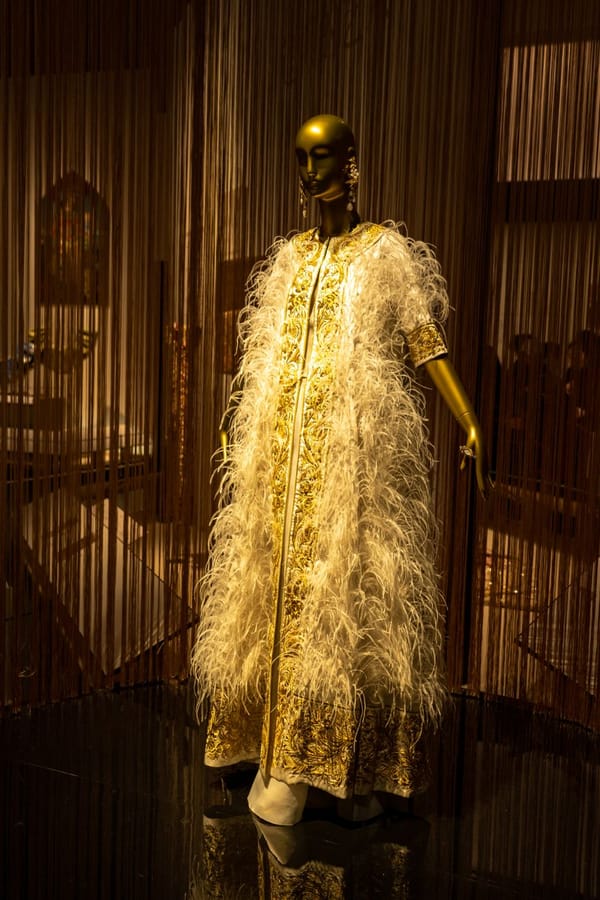
Fashion
What Maria Grazia Chiuri’s Fendi Debut in Rome Means for the Future of Haute Couture
On a warm July evening in Rome, something quietly extraordinary happened inside the Galleria Nazionale d’Arte Moderne e Contemporanea. Maria Grazia Chiuri, fresh from a decade at Dior in Paris, returned to her hometown to present her first haute couture collection for Fendi. The…
Read More...
Fashion
What Happens When 18th Century Opulence Meets AI Couture? Jean Paul Gaultier’s Fall 2026 Collection Has the Answer
Imagine stepping into a dream where powdered wigs and corsets collide with laser scans and biomechanical forms. That’s exactly what happened when Jean Paul Gaultier unveiled its Fall 2026 haute couture collection during Paris Fashion Week. The show marked the debut of designer D…
Read More...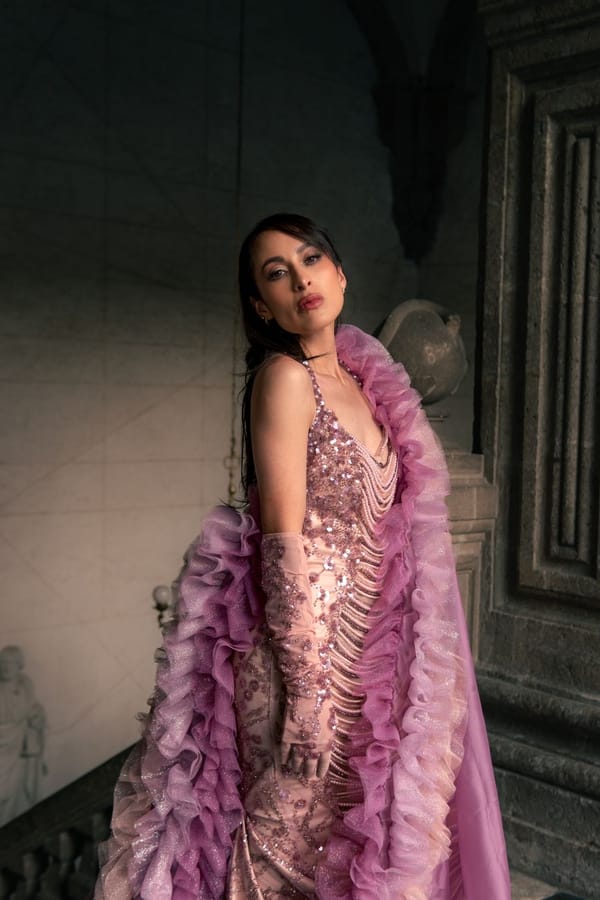
Fashion
20 Years of Masks: How Ashi Studio’s Fall 2026 Couture Turned Paris Fashion Week Into a Surrealist Dreamscape
What happens when a fashion house celebrates two decades not with a retrospective, but with a full-blown theatrical meditation on identity, disguise, and the art of concealment? Ashi Studio answered that question on the Fall 2026 runway, and the answer was nothing short of mesme…
Read More...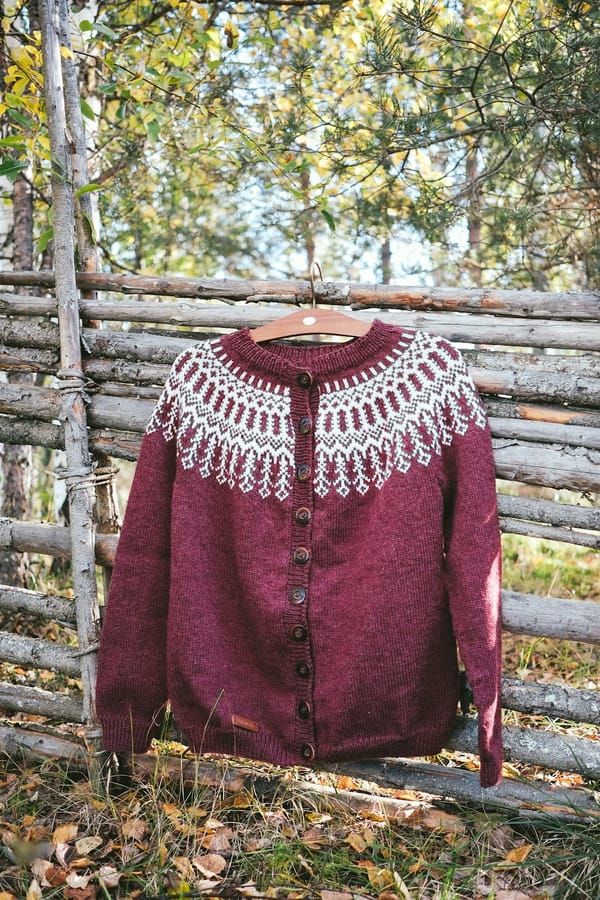
Fashion
How Magda Butrym’s 2027 Resort Collection Turns a Cult Film Into Wearable Art (And Why NYFW Is Next)
What happens when a designer takes a cult Polish psychological thriller and turns it into a wardrobe you can actually wear? Magda Butrym’s 2027 Resort collection offers a compelling answer. Titled ‘Szamanka,’ after Andrzej Żuławski’s 1996 film about power, desire, and identity,…
Read More...
Fashion
7 Ways Berlin Designer Mario Kleine Is Redefining Menswear with History and Emotion in Spring 2027
What happens when a designer stops chasing the next big thing and starts listening to the whispers of the past? Mario Kleine, the mind behind Berlin based label Marke, just answered that question with a collection that feels less like fashion and more like a conversation across…
Read More...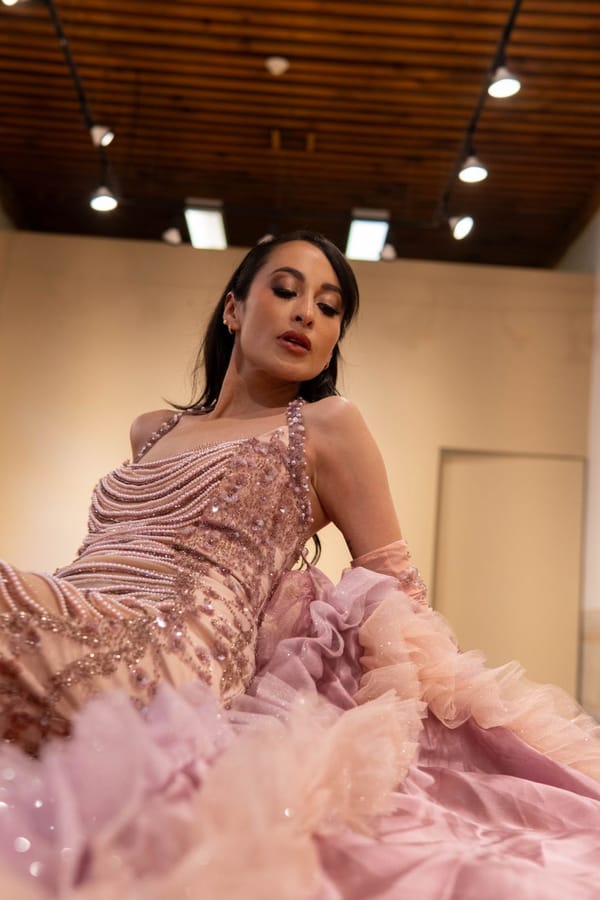
Fashion
7 Reasons Gigi Hadid’s Salmon Pink Wiederhoeft Dress and Soft Serve Hair Are the 2026 Wedding Trend You Need to Copy
Picture this: a candlelit seaside soirée, the air thick with romance, and every guest dressed like a character from a dream. That was the scene at Taylor Swift and Travis Kelce’s 2026 wedding, an event that didn’t just celebrate love—it launched a new era in fashion. Among the a…
Read More...
Fashion
Inside Taylor Swift and Travis Kelce’s Madison Square Garden Wedding: Music, Fashion, and Surprises You Need to Know
Imagine the world’s most famous pop star and an NFL superstar saying “I do” inside a legendary arena that has hosted everyone from Elvis to the Knicks. That’s exactly what happened on July 3, 2026, when Taylor Swift and Travis Kelce turned Madison Square Garden into their privat…
Read More...
Fashion
Why Fashion Insiders Are Calling Anna October’s Resort 2027 Collection a Love Letter to Paris (And You’ll Want Every Piece)
In July 2026, the fashion world’s gaze settled on Paris for reasons beyond its famed boulevards and iconic landmarks. Anna October presented her Resort 2027 collection, titled ‘Café Pleasure,’ at an intimate event that wove together architectural inspiration, historical nods, an…
Read More...
Fashion
7 Ways Mykonos Transformed Duckie Brown’s Spring 2027 Menswear Into a Mediterranean Dream
What happens when two Brooklyn designers trade the roar of subway trains for the whisper of Aegean waves? Daniel Silver and Steven Cox, the minds behind Duckie Brown, found out this spring. They spent months on Mykonos, not as tourists but as students of the island’s quiet rhyth…
Read More...