
10 Million Mourners in Tehran: What Iran’s Fallen Leader Means for the Region’s Future
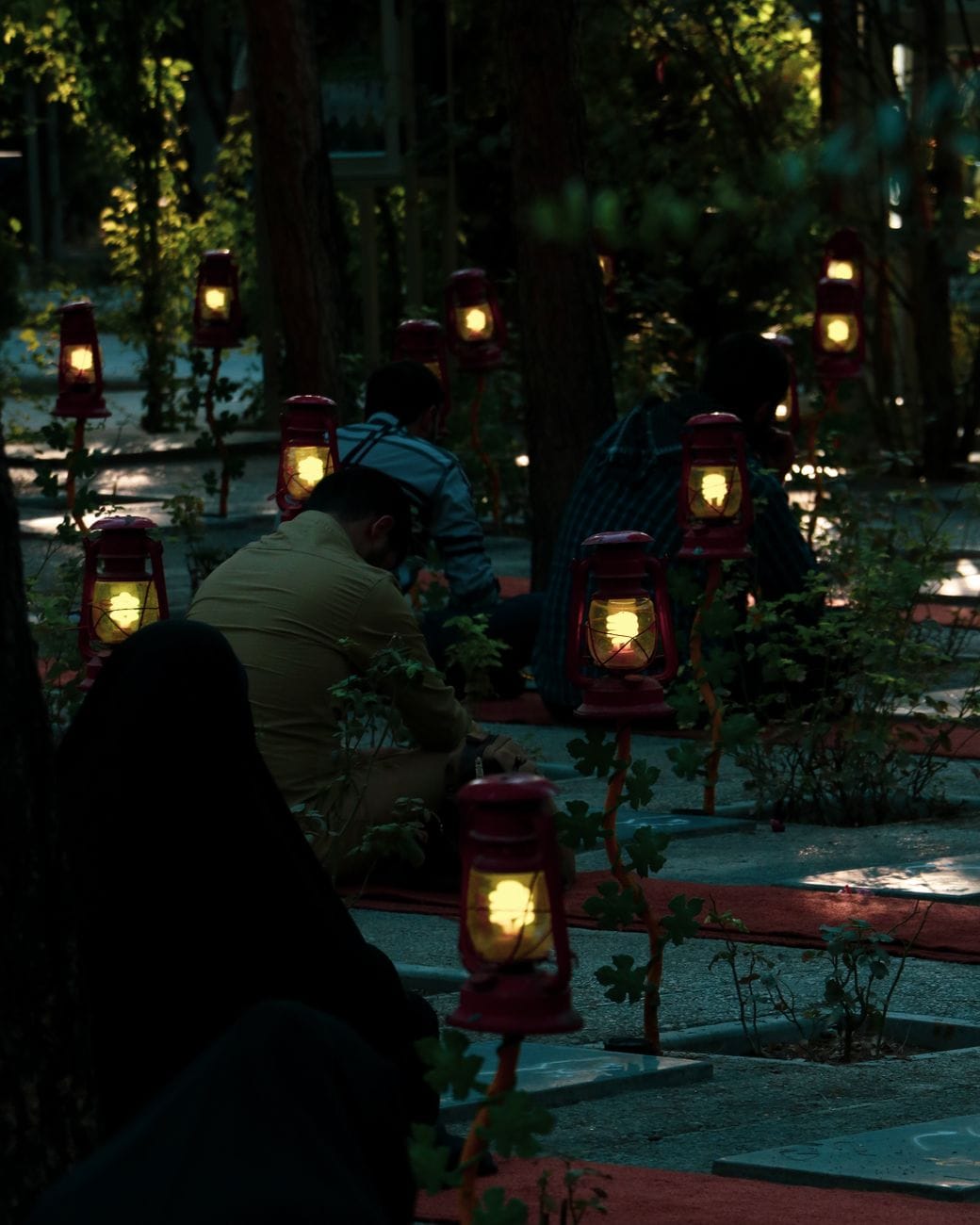
Tehran, Iran, MMN Correspondent: In a moment of profound national gravity, millions of Iranians have converged on the capital to pay tribute to Ayatollah Ali Khamenei, the former supreme leader whose death has sent shockwaves across the Middle East and beyond. The funeral ceremonies, marking the beginning of a six-day mourning period, are not merely a religious or cultural observance but an intensely political event that underscores the fragility and volatility of Iran’s current power structure. As vast crowds gather at the sprawling complex where Khamenei’s body lies in state, the streets of Tehran pulse with emotion, devotion, and unspoken tension.
The circumstances surrounding Khamenei’s death remain shrouded in official secrecy, though multiple sources confirm he was killed during a coordinated military strike by U.S. and Israeli forces at the onset of a new regional conflict. The attack, which targeted high-ranking Iranian leadership in a strategic location near the border with Iraq, is believed to have been part of a broader campaign aimed at dismantling Iran’s nuclear ambitions and weakening its influence in neighboring states. The precision of the operation, executed with minimal collateral damage yet maximum symbolic impact, has drawn widespread international attention and speculation about the future trajectory of U.S.-Iran relations.
Khamenei, who served as Iran’s supreme leader since 1989, was a central figure in shaping the Islamic Republic’s ideology, foreign policy, and internal governance. His tenure spanned decades of war, sanctions, diplomatic isolation, and domestic upheaval. Under his leadership, Iran developed a robust missile program, expanded its regional proxy networks across Syria, Lebanon, Yemen, and Iraq, and pursued a nuclear energy initiative that drew fierce opposition from Western powers. His death has created a vacuum at the highest level of authority, triggering intense competition among hardliners, reformists, and military factions within the regime.
The funeral processions, scheduled to travel through major cities including Qom, Isfahan, and Mashhad, the spiritual heartland of Shia Islam, are expected to draw massive turnout. State media report that over 10 million people may attend events nationwide, making it one of the largest public gatherings in Iran’s modern history. These marches are more than displays of grief; they are acts of political theater designed to demonstrate unity, reinforce loyalty to the Islamic Republic, and assert the regime’s resilience in the face of external aggression.
In Tehran, the main ceremony takes place at the Behesht-e Zahra cemetery complex, where mourners line up for hours to pass by the casket. Clad in black, many carry portraits of Khamenei, chant slogans, and wave Iranian flags. Religious clerics deliver fiery sermons accusing the United States and Israel of terrorism and blasphemy, while calling for vengeance and strengthening national defense. The atmosphere is charged with fervor, but beneath the surface, there are signs of deeper unrest. Social media platforms inside Iran remain heavily censored, and reports suggest growing discontent among younger generations who question the government’s narrative and demand transparency.
Analysts point out that Khamenei’s successor remains uncertain. While the Constitution mandates that the next supreme leader be chosen by the Assembly of Experts, a body of senior clerics, there is no clear frontrunner. Several candidates are rumored to be under consideration, including hardline figures like Ebrahim Raisi, who died in a helicopter crash in 2024, conservative clerics such as Mohammad Javad Larijani, and powerful military commanders tied to the Islamic Revolutionary Guard Corps (IRGC). The selection process could take weeks and may lead to internal factional clashes, especially if the choice is perceived as favoring one group over others.
Meanwhile, the international community watches closely. The United States, Israel, and their allies have refrained from commenting officially on the funeral, but intelligence assessments indicate heightened alert levels across the region. There are fears that retaliatory strikes could follow, particularly given Iran’s recent expansion of drone and missile capabilities. The U.S. Central Command has reportedly increased surveillance operations in the Persian Gulf and the Red Sea, while NATO allies have issued statements emphasizing the importance of de-escalation.
The burial of Khamenei in his hometown of Mashhad on Thursday will mark the formal end of the mourning period. However, the political implications of his death will reverberate long after the final prayers are said. The Islamic Republic faces a critical juncture, one that could either consolidate its power through unity or fracture under the weight of succession disputes and public disillusionment.
For now, the nation stands united in mourning, but the underlying currents of dissent, ambition, and fear continue to shape the country’s future. As the world observes Iran’s rituals of loss, it also witnesses the birth of a new chapter in one of the most consequential political systems of the 21st century.
This moment transcends personal grief. It is a turning point in the geopolitical landscape of the Middle East, where every gesture, every slogan, and every tear carries the weight of history. The funeral of Ayatollah Ali Khamenei is not just a farewell; it is a declaration of power, identity, and survival in an age of relentless transformation.
Related in Global Trend

Global Trend
Meta’s AI Image Tool Vanishes Days After Launch: What Happened to Your Instagram Photos?
Just days after its flashy debut, Meta’s new AI image generation feature has been pulled from the platform. The tool, part of the Muse Image rollout, let users of Meta’s AI chatbot create artificial images by pulling content from public Instagram accounts. Think about that for a…
Read More...
Global Trend
Middle East Travelers Are Flocking to Thailand for Wellness: Here’s What’s Driving the 2026 Boom
What if the next luxury vacation didn’t just pamper you but actually changed how you feel long after you return home? That’s the question Thailand is asking Middle East travelers right now. And the answer is reshaping how people from the Gulf plan their getaways. The Tourism Aut…
Read More...
Global Trend
How SK Hynix Raised $26.5 Billion in Its US Debut: What It Means for AI Chip Investors
Imagine walking into a room where the world’s biggest money managers are all fighting for a piece of the same company. That’s exactly what happened when SK Hynix, the South Korean memory chip giant, stepped onto the Nasdaq stage in July 2026. The result? A staggering $26.5 billi…
Read More...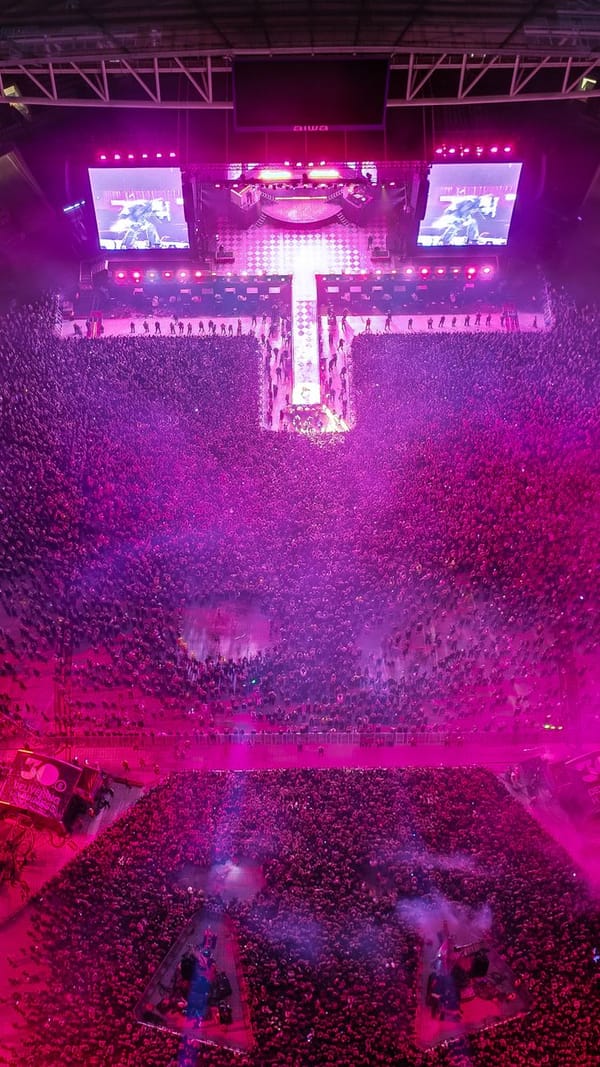
Global Trend
What Happens When Bieber, Madonna, Shakira, and BTS Share the World Cup Stage?
Imagine this: It’s July 19, 2026, and the world is watching. Not just for the final whistle of the FIFA World Cup, but for something that’s never happened before. For the first time in the tournament’s history, a Super Bowl style halftime show is about to unfold at MetLife Stadi…
Read More...
Global Trend
80 Targets Hit: What the US Strikes on Iran Mean for Global Oil Routes
The world’s most critical oil passageway just became the epicenter of a major military confrontation. The United States has launched sweeping airstrikes across Iran’s southern coast, hitting more than 80 locations after three commercial tankers came under attack in the Strait of…
Read More...
Global Trend
Travel Before the Crowds: Why the Two Weeks Before School Holidays Are Your Best Bet for a Peaceful Summer Escape
Picture this: warm sand beneath your feet, a gentle sea breeze, and the sound of waves instead of the chatter of crowds. That’s the reality for travelers who discover a simple truth about summer vacations. The best time to go isn’t when everyone else does. It’s the two weeks rig…
Read More...
Global Trend
Faster Patents in Europe and China: What the New EPO-CNIPA PPH Pilot Means for Your Innovation Timeline
What if you could cut months off the time it takes to secure a patent in both Europe and China? Starting August 1, 2026, that possibility becomes reality. The European Patent Office (EPO) and China National Intellectual Property Administration (CNIPA) are launching a new bilater…
Read More...
Global Trend
What Happened in a Utah Courtroom When Charlie Kirk’s Family Came Face to Face With His Accused Killer?
On a quiet Tuesday morning in May 2026, a Utah courtroom became the center of a story that has haunted America for months. The family of Charlie Kirk, the 31-year-old conservative activist and founder of Turning Point USA, sat just feet away from the man accused of ending his li…
Read More...
Global Trend
4 New Luxury Travel Mindsets Reshaping Asia Pacific: How Gen Z Is Redefining High End Tourism
What does luxury mean to a generation that grew up with Instagram, climate anxiety, and a craving for meaning? A sweeping study of 2,800 affluent travelers across eight Asia Pacific markets—China, Japan, South Korea, Australia, India, Singapore, Thailand, and Indonesia—has uncov…
Read More...
Global Trend
How Europe and China Are Cutting Patent Wait Times by 40% Starting August 2026
Imagine filing a single patent application and watching it sail through two of the world’s largest intellectual property offices with minimal friction. That vision becomes reality on August 1, 2026, when the European Patent Office (EPO) and the China National Intellectual Proper…
Read More...