
2026 World Cup: Will Africa Finally Lift the Trophy? 10 Teams, One Dream
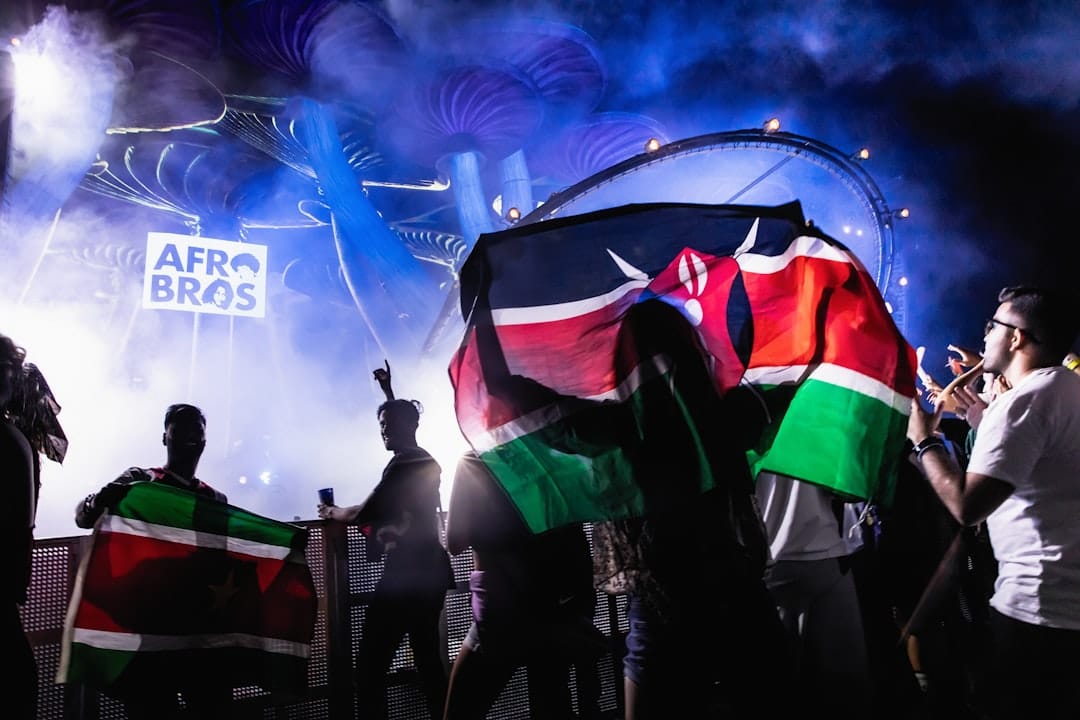
Dakar, Senegal, MMN Correspondent: Half a century ago, Pelé looked into the future and predicted an African nation would win the FIFA World Cup before the year 2000. That deadline came and went. But now, as the 2026 tournament approaches with a record 48 teams and three host nations, the continent’s quest for its first title feels more real than ever. What changed? And can this finally be the moment?
Morocco’s stunning run to the semifinals in 2022 was not just a historic first. It was a signal. They dismantled Belgium, outlasted Portugal, and took France to the limit. For the first time, an African team played with the tactical discipline and composure usually associated with European giants. That performance cracked open a door that many thought was locked. Now, ten African nations will enter the 2026 tournament, double the usual number. The question is no longer about participation. It is about conquest.
BBC’s podcast More Than the Score recently gathered voices from across the continent to explore this shift. Former DR Congo captain Gabriel Zakuani and ex-Sierra Leone captain Steven Caulker both pointed to the same thing: maturity. African football has grown up. Youth academies are producing players who move seamlessly into Europe’s top leagues. Coaching standards have risen. The old narrative of raw talent without structure is fading. Morocco proved that an African team can outthink as well as outplay opponents.
Senegal’s Iliman Ndiaye puts it plainly. “We go to the tournament with the aim of winning it,” he says. “We never fear anyone.” That is not bravado. It is a reflection of a generation that has grown up watching Sadio Mané, Mohamed Salah, and Riyad Mahrez dominate on the biggest stages. They do not see themselves as underdogs. They see themselves as contenders.
Former Nigeria captain Sunday Oliseh goes further. He believes an African team can reach the final in 2026. “It’s possible,” he says. “I want to see an African team win the tournament in my lifetime.” That sentiment echoes across the continent, from the streets of Accra to the stadiums of Johannesburg. The dream is no longer abstract. It is a goal with a timeline.
Ghana legend Michael Essien adds a note of realism. He points to Ghana’s consistent qualification record as proof of sustained effort, even if the results have not always matched the ambition. “We’ve come close before,” he says. “But now, with better preparation and more resources, we’re closer than ever to breaking through.” The key word is resources. Investment in grassroots programs, partnerships with European federations, and improved infrastructure are slowly closing the gap that once seemed insurmountable.
The expansion of the World Cup to 48 teams is a structural shift that benefits Africa directly. More slots mean more opportunities for nations like Cape Verde and Mauritania to test themselves against the best. That exposure accelerates development. Meanwhile, the host countries—Mexico, the United States, and Canada—are building state-of-the-art facilities that will elevate the entire tournament. African teams will play on world-class pitches in front of massive crowds, conditions that favor disciplined, well-prepared sides.
Look at the talent pool. Mohamed Salah, Sadio Mané, and Karim Benzema are still at the top of their game. Emerging stars like Amad Diallo, Ismaila Sarr, and Samuel Chukwueze are ready to take the baton. African players now feature regularly in the Champions League, the Premier League, La Liga, and Serie A. They are not just participants. They are difference-makers. That experience translates directly to international tournaments.
African clubs are also raising their standards. Al Ahly, TP Mazembe, and Orlando Pirates compete fiercely in continental competitions, creating a competitive environment that prepares players for the intensity of a World Cup. The gap between African domestic football and European football is narrowing. It is not yet closed, but it is shrinking every year.
Challenges remain. Financial disparities still exist. Political instability and inconsistent national team management can disrupt progress. But the momentum is undeniable. The visibility of African players in Europe’s top leagues is funding domestic programs and inspiring younger generations. The cycle of investment and success is feeding itself.
The 2026 World Cup will be more than a sporting event. It will be a cultural moment. Broadcasting rights are reaching unprecedented global audiences. Platforms like BBC Sounds are bringing stories from the continent to the world, showing how football shapes identity, unity, and hope. The narrative is shifting from “can Africa compete?” to “when will Africa win?”
As the tournament draws closer, the focus is no longer on qualification. It is on conquest. The continent has proven it belongs on the biggest stage. The players believe it. The coaches believe it. The fans believe it. The only question left is which nation will be the first to lift the trophy. And with every passing year, the answer feels closer.
Related in Sport

Sport
How Dubai Basketball Won the ABA League in Just Two Seasons: Inside the Partnership That Made It Possible
When Dubai Basketball lifted the ABA League trophy after only its second season, the basketball world took notice. But the story behind that trophy is bigger than any single game or player. It is a story about what happens when a city’s ambition meets a partner that moves mounta…
Read More...
Sport
From Career-Threatening Injury to World Cup Hero: How Mikel Merino Became Spain’s Clutch Performer in 2026
Imagine being told you might never play football again. Then imagine stepping onto the world’s biggest stage months later and scoring the goals that carry your country to the semi finals. That is the reality for Mikel Merino, the Arsenal midfielder who has quietly become the mos…
Read More...
Sport
Can France’s 2026 World Cup Squad Become the Greatest Team in History?
What does it take to build a football dynasty? France is giving the world a masterclass answer right now. With a commanding 2-0 victory over Morocco in Boston, Les Bleus have become the first team to lock in a semi final spot at the 2026 FIFA World Cup. They are chasing a third…
Read More...
Sport
Will France Survive Morocco’s Challenge? 4 Quarter-Final Predictions That Could Reshape the World Cup
The 2026 FIFA World Cup quarter-finals are here, and the tension is almost unbearable. Four matches stand between eight teams and a shot at glory. Every pass, every tackle, every decision could rewrite football history. Among the most anticipated battles is France versus Morocco…
Read More...
Sport
How Gregor Kobel’s Three Saves Sent Switzerland to the 2026 World Cup Quarter Finals
What happens when a team’s entire World Cup dream rests on one goalkeeper’s reflexes? You get the kind of night that turns a quiet Swiss shot stopper into a national legend. Switzerland’s 2026 campaign just took a historic turn, and it all unfolded under the lights of MetLife St…
Read More...
Sport
What Really Went Wrong for USA in World Cup 2026? One Defensive Mistake That Changed Everything
You could feel the air leave the stadium. The 2026 FIFA World Cup Round of 16 match between the United States and Belgium was poised on a knife edge. Then, in the 67th minute, everything shifted. A single moment of miscommunication turned a tightly contested knockout game into a…
Read More...
Sport
How a 19-Year-Old’s Header Just Changed England’s World Cup Destiny – See the Moment That Stunned Mexico
The Estadio Azteca roared with over 87,000 voices, a wall of green and white that seemed impossible to penetrate. Yet, in the 38th minute, a single leap by a teenager silenced an entire nation. Jude Bellingham, just 19 years old, rose above the Mexican defense and powered a head…
Read More...
Sport
How France Outlasted Paraguay’s Relentless Tactics in a Heated World Cup 2026 Quarterfinal – What the Scoreline Doesn’t Tell You
The 2026 FIFA World Cup quarterfinal between France and Paraguay at Lincoln Financial Field was never going to be a classic. But what unfolded under the sweltering Philadelphia sun was something far more gripping than a simple 1-0 scoreline suggests. This was a match that tested…
Read More...
Sport
How Argentina Survived Cape Verde’s 120-Minute Ambush: 3 Key Moments That Defined a World Cup Classic
What happens when a two-time world champion meets a team that refuses to believe in rankings? You get a night that rewrites the script of the 2026 World Cup. Argentina’s 3-2 extra-time victory over Cape Verde on July 4 at the Estadio Ciudad de México wasn’t just a match. It was…
Read More...
Sport
How a Single Millimeter Decided Croatia’s Fate Against Portugal in the 2026 World Cup Knockout
What happens when a goal that should have been the equalizer gets erased by a margin so thin it’s almost invisible? That’s the question football fans around the world are asking after Croatia’s heartbreaking 1-0 loss to Portugal in the Round of 16 of the 2026 FIFA World Cup. The…
Read More...