
How a Single Millimeter Decided Croatia’s Fate Against Portugal in the 2026 World Cup Knockout
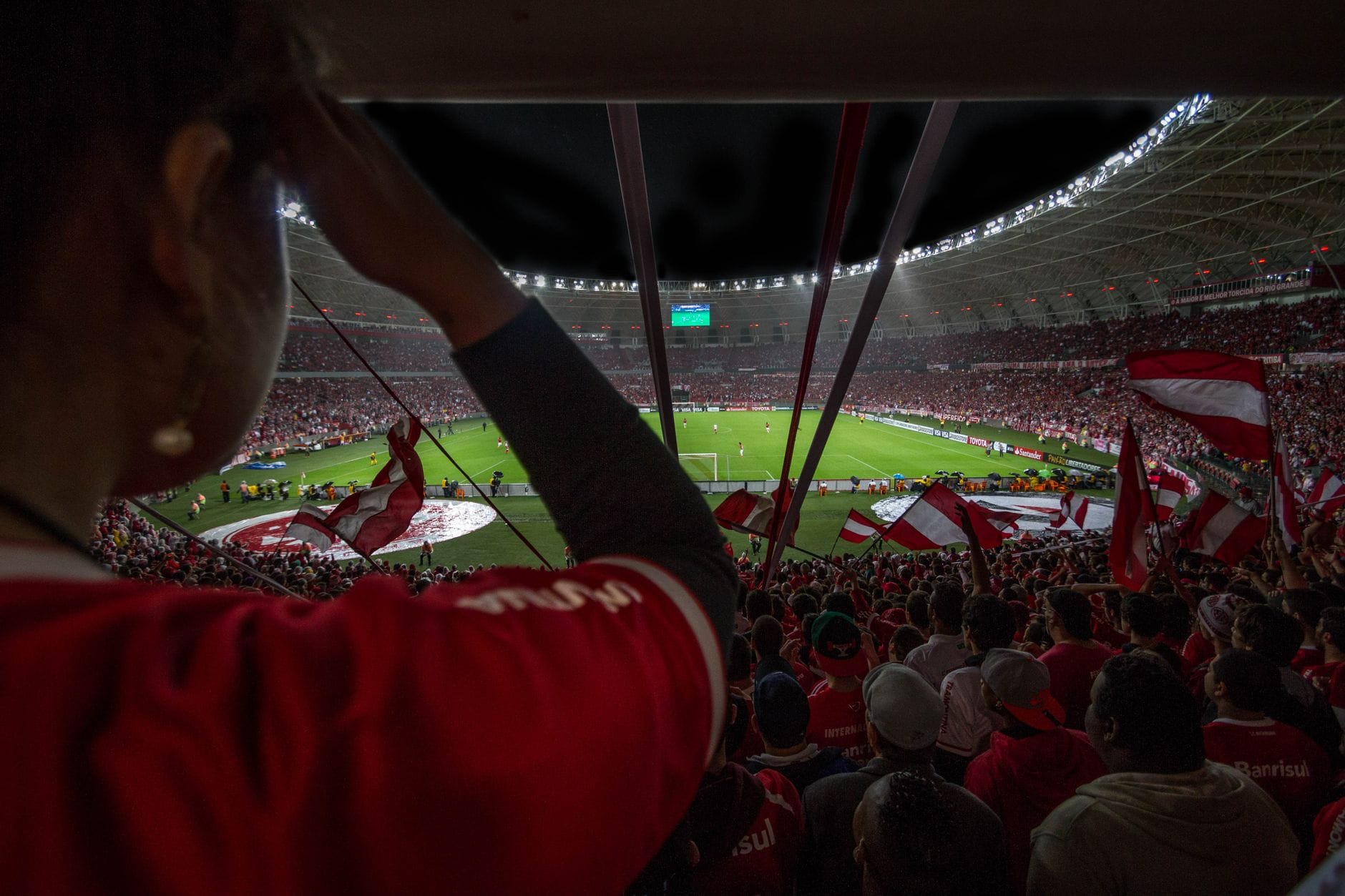
BMO Field, Toronto, Canada, MMN Correspondent: What happens when a goal that should have been the equalizer gets erased by a margin so thin it’s almost invisible? That’s the question football fans around the world are asking after Croatia’s heartbreaking 1-0 loss to Portugal in the Round of 16 of the 2026 FIFA World Cup.
The moment came in the 94th minute. Josko Gvardiol, Croatia’s towering center back, surged forward from the left flank, cut inside past two defenders, and fired a low shot into the far corner. The stadium erupted. Fans hugged strangers. Croatia believed they were heading to extra time. Then the referee paused. The VAR review began. Two minutes later, the goal was disallowed. Offside. By a millimeter.
This wasn’t just any match. It was Cristiano Ronaldo’s final World Cup appearance, a tournament where Portugal aimed to honor his legendary career with a deep run. Croatia, the resilient underdogs from 2018 and 2022, came in with a disciplined game plan built around Luka Modrić, Mateo Kovačić, and Marcelo Brozović controlling the midfield. For much of the first half, they dominated possession but couldn’t break through Portugal’s compact backline.
The only goal of the game came in the 38th minute. Bruno Fernandes delivered a perfectly weighted through ball to Rafael Leão, who finished clinically past Dominik Livaković. It was a moment of brilliance that separated the sides for most of the match. But as the clock ticked into stoppage time, Croatia pushed forward with everything they had.
Then came the long ball. A pass from midfield found Gvardiol making a run down the left. He took it in stride, beat his markers, and scored. The celebration was short lived. The VAR review showed that at the exact moment the pass was played, Gvardiol’s shoulder was just ahead of the last defender. The offside line was so tight that even the broadcast graphics struggled to show it clearly. But the technology ruled it out.
Croatian head coach Zlatko Dalić didn’t hide his frustration. “We were ready to fight until the final whistle. That goal was clean. The system failed us today,” he said after the match. Portuguese manager Fernando Santos acknowledged the emotional toll on opponents but defended the use of VAR, calling it a tool for fairness.
This incident reignites a long running debate about VAR’s consistency. Since its introduction in 2018, the system has aimed to reduce errors in offside calls, penalties, and red cards. But critics point to cases like this one where the margin is so fine that the decision feels arbitrary. Modern video analysis tools can detect a millimeter difference, but that doesn’t always make the call feel right to players or fans.
For Croatia, this is another chapter in a story of marginal decisions in major tournaments. In 2018, a controversial penalty call against Denmark was overturned by VAR. In 2022, a missed offside allowed Kylian Mbappé to score against them in the semi finals. Now, a millimeter has ended their 2026 campaign. It’s a pattern that raises questions about how much control players really have over their destiny in high stakes matches.
Portugal’s victory marks their fifth consecutive quarter final appearance since 2006. With Ronaldo retiring from international football after this tournament, the win carries extra weight. He leaves with 197 caps and 128 goals, the all time record for men’s international football. His teammates now advance to face either Brazil or Japan, with the latter emerging as a dark horse after a strong group stage.
The aftermath of the disallowed goal sparked a global conversation. #GvardiolGoal trended on social media as fans compared live broadcast angles with official VAR footage. Some analysts pointed out that automated offside systems, like those used in the Bundesliga and Premier League, are not yet fully integrated into World Cup operations. That could change soon. UEFA and FIFA are already exploring AI assisted decision making and real time tracking technologies that might eliminate human error in offside calls.
For now, Croatia faces elimination and an uncertain future. Key figures like Modrić are approaching retirement age, and the team will need to rebuild. But the legacy of this match isn’t just about who won or lost. It’s about how a single millimeter can decide the fate of a nation’s World Cup dream. In football, every second counts. And sometimes, the difference between glory and heartbreak is too small to see with the naked eye.
Related in Sport

Sport
How Dubai Basketball Won the ABA League in Just Two Seasons: Inside the Partnership That Made It Possible
When Dubai Basketball lifted the ABA League trophy after only its second season, the basketball world took notice. But the story behind that trophy is bigger than any single game or player. It is a story about what happens when a city’s ambition meets a partner that moves mounta…
Read More...
Sport
From Career-Threatening Injury to World Cup Hero: How Mikel Merino Became Spain’s Clutch Performer in 2026
Imagine being told you might never play football again. Then imagine stepping onto the world’s biggest stage months later and scoring the goals that carry your country to the semi finals. That is the reality for Mikel Merino, the Arsenal midfielder who has quietly become the mos…
Read More...
Sport
Can France’s 2026 World Cup Squad Become the Greatest Team in History?
What does it take to build a football dynasty? France is giving the world a masterclass answer right now. With a commanding 2-0 victory over Morocco in Boston, Les Bleus have become the first team to lock in a semi final spot at the 2026 FIFA World Cup. They are chasing a third…
Read More...
Sport
Will France Survive Morocco’s Challenge? 4 Quarter-Final Predictions That Could Reshape the World Cup
The 2026 FIFA World Cup quarter-finals are here, and the tension is almost unbearable. Four matches stand between eight teams and a shot at glory. Every pass, every tackle, every decision could rewrite football history. Among the most anticipated battles is France versus Morocco…
Read More...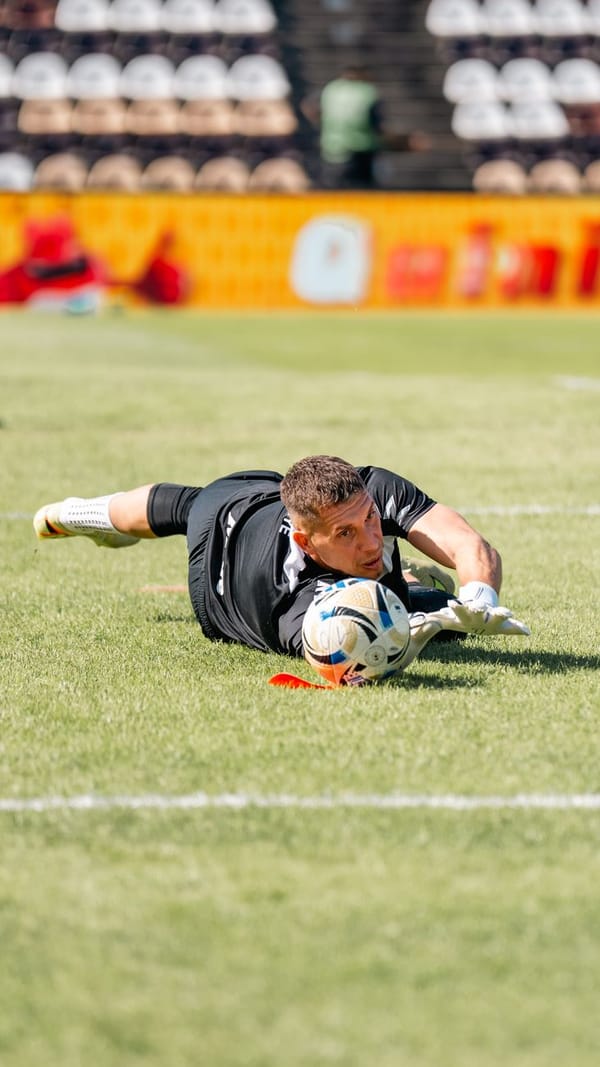
Sport
How Gregor Kobel’s Three Saves Sent Switzerland to the 2026 World Cup Quarter Finals
What happens when a team’s entire World Cup dream rests on one goalkeeper’s reflexes? You get the kind of night that turns a quiet Swiss shot stopper into a national legend. Switzerland’s 2026 campaign just took a historic turn, and it all unfolded under the lights of MetLife St…
Read More...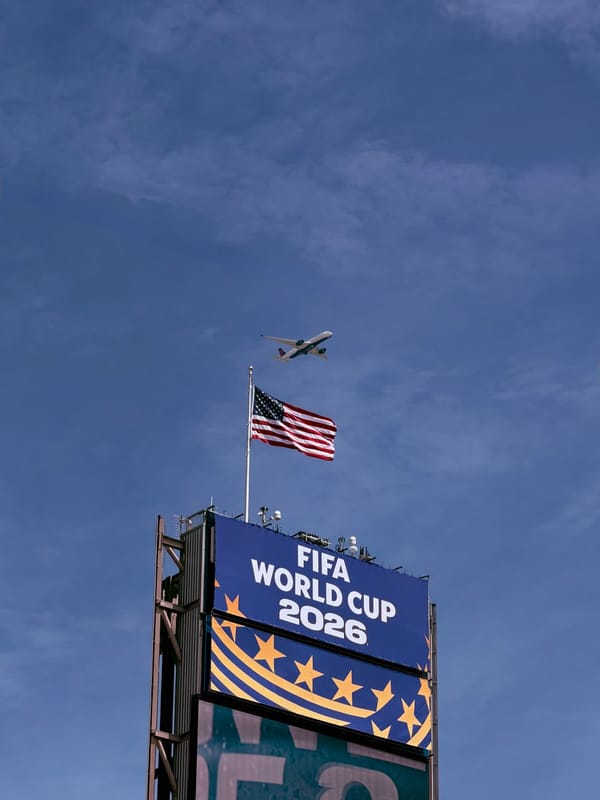
Sport
What Really Went Wrong for USA in World Cup 2026? One Defensive Mistake That Changed Everything
You could feel the air leave the stadium. The 2026 FIFA World Cup Round of 16 match between the United States and Belgium was poised on a knife edge. Then, in the 67th minute, everything shifted. A single moment of miscommunication turned a tightly contested knockout game into a…
Read More...
Sport
How a 19-Year-Old’s Header Just Changed England’s World Cup Destiny – See the Moment That Stunned Mexico
The Estadio Azteca roared with over 87,000 voices, a wall of green and white that seemed impossible to penetrate. Yet, in the 38th minute, a single leap by a teenager silenced an entire nation. Jude Bellingham, just 19 years old, rose above the Mexican defense and powered a head…
Read More...
Sport
How France Outlasted Paraguay’s Relentless Tactics in a Heated World Cup 2026 Quarterfinal – What the Scoreline Doesn’t Tell You
The 2026 FIFA World Cup quarterfinal between France and Paraguay at Lincoln Financial Field was never going to be a classic. But what unfolded under the sweltering Philadelphia sun was something far more gripping than a simple 1-0 scoreline suggests. This was a match that tested…
Read More...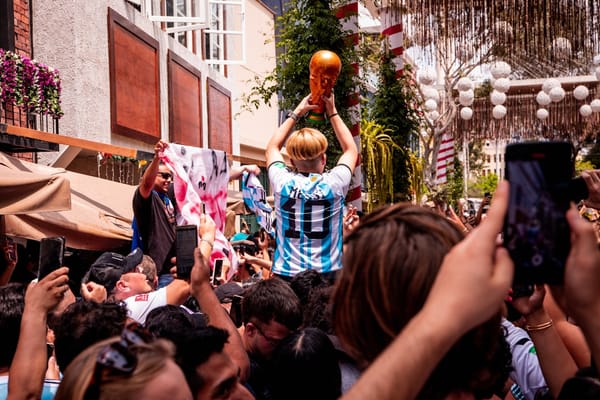
Sport
How Argentina Survived Cape Verde’s 120-Minute Ambush: 3 Key Moments That Defined a World Cup Classic
What happens when a two-time world champion meets a team that refuses to believe in rankings? You get a night that rewrites the script of the 2026 World Cup. Argentina’s 3-2 extra-time victory over Cape Verde on July 4 at the Estadio Ciudad de México wasn’t just a match. It was…
Read More...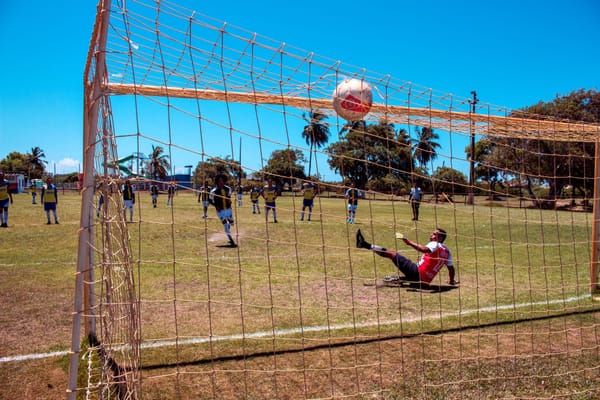
Sport
How Belgium Pulled Off the Latest World Cup Comeback Ever: 2 Goals in 4 Minutes Then a 124th Minute Penalty
Imagine being two goals up with four minutes left in a World Cup match that would send your nation to the knockout stage for the first time. Now imagine losing that lead, then losing the game on a penalty awarded at 124 minutes and 44 seconds. That is exactly what happened to Se…
Read More...