
What Really Went Wrong for USA in World Cup 2026? One Defensive Mistake That Changed Everything
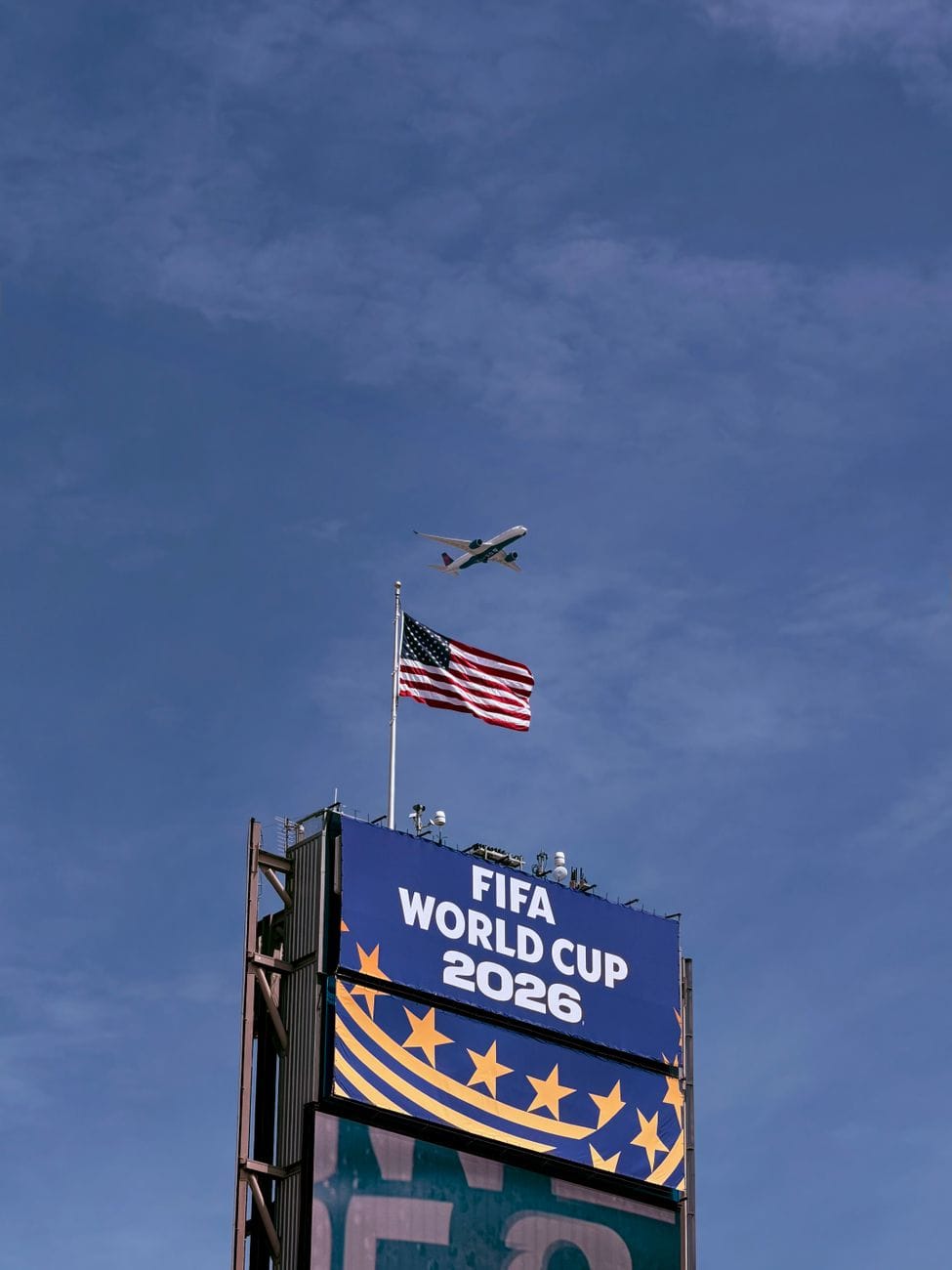
Kansas City, Missouri, MMN Correspondent: You could feel the air leave the stadium. The 2026 FIFA World Cup Round of 16 match between the United States and Belgium was poised on a knife edge. Then, in the 67th minute, everything shifted. A single moment of miscommunication turned a tightly contested knockout game into a painful lesson in how quickly momentum can slip away.
Goalkeeper Matt Freese, usually a steady presence between the posts, attempted a routine clearance near his own penalty area. The ball didn't travel where he intended. Instead, it drifted directly into the path of Belgium's Hans Vanaken. With calm precision, Vanaken collected the ball, sidestepped a defender, and finished past a helpless backup keeper. It wasn't just a goal. It was the kind of moment that makes you wonder: how does a team with so much promise lose its grip so fast?
Tim Ream, one of the most seasoned defenders on the squad, found himself caught in no man's land. His hesitation gave Vanaken just enough time to build momentum. Analysts later pointed out that this wasn't an isolated incident. It was a symptom of a deeper pattern. The U.S. defense had shown cracks throughout the group stage, conceding 1.3 goals per game, a figure higher than any other top tier nation in the tournament's opening phase. Against a team like Belgium, those cracks become chasms.
Belgium controlled the tempo with 58% possession and fired 14 shots on target compared to the U.S.'s 7. Their midfield trio of Axel Witsel, Youri Tielemans, and Thomas Meunier exploited the spaces left by the American high press. When the U.S. lost possession, the transition from attack to defense was slow. Belgium didn't need to force mistakes. They simply waited for them to happen.
This match took place in a tournament that was supposed to be a showcase for the host nations. The 2026 World Cup, co hosted by the United States, Canada, and Mexico, introduced expanded stadiums, AI assisted officiating, and real time player tracking. Expectations were enormous. For the U.S., this was more than a game. It was a chance to prove that American soccer had arrived on the global stage. The team had topped Group B, ahead of England and Iran, with wins over Panama and Wales and a draw against Morocco. But those results masked a vulnerability that Belgium exposed with surgical precision.
Head coach Gregg Berhalter has built a system around high pressing and attacking intent. It works beautifully when the team controls the ball. But when possession is lost against technically superior opponents, the backline becomes exposed. Belgium's quick transitions and precise passing cut through the American lines like a hot knife through butter. The third goal wasn't a fluke. It was the logical outcome of a tactical mismatch.
The psychological impact was immediate. After the goal, the U.S. players looked deflated. Communication broke down. Counterattacks turned rushed. Substitutions came too late to change the flow. Belgium held firm, securing a 3 1 victory that felt inevitable in the final 20 minutes.
This defeat raises important questions about the team's preparation and philosophy. The U.S. has historically struggled to advance beyond the quarterfinals, with their deepest run coming in 2002 under Bruce Arena. Since then, knockout stage composure has been elusive. The 2026 campaign was supposed to be different. Instead, it became a reminder that in elite football, margins are razor thin. One misplaced pass can undo months of planning.
Looking forward, the U.S. Soccer Federation is expected to conduct a thorough review of defensive strategies, player selection, and coaching methods. Youth development pipelines and international scouting standards will likely come under scrutiny. For fans, the emotional weight is heavy. Millions watched on home soil, hoping for a story of redemption. What they saw was a team that fought hard but couldn't hold the line when it mattered most.
This match will be remembered not just for Belgium's clinical efficiency, but for the lessons it offers. Mental toughness, tactical adaptability, and defensive solidity are the qualities that separate champions from contenders. For the United States, the dream of lifting the trophy may feel distant right now. But the insights gained from this experience could pave the way for future success. In a sport where every decision counts, sometimes the most painful moments teach the most valuable lessons.
Related in Sport

Sport
How Dubai Basketball Won the ABA League in Just Two Seasons: Inside the Partnership That Made It Possible
When Dubai Basketball lifted the ABA League trophy after only its second season, the basketball world took notice. But the story behind that trophy is bigger than any single game or player. It is a story about what happens when a city’s ambition meets a partner that moves mounta…
Read More...
Sport
From Career-Threatening Injury to World Cup Hero: How Mikel Merino Became Spain’s Clutch Performer in 2026
Imagine being told you might never play football again. Then imagine stepping onto the world’s biggest stage months later and scoring the goals that carry your country to the semi finals. That is the reality for Mikel Merino, the Arsenal midfielder who has quietly become the mos…
Read More...
Sport
Can France’s 2026 World Cup Squad Become the Greatest Team in History?
What does it take to build a football dynasty? France is giving the world a masterclass answer right now. With a commanding 2-0 victory over Morocco in Boston, Les Bleus have become the first team to lock in a semi final spot at the 2026 FIFA World Cup. They are chasing a third…
Read More...
Sport
Will France Survive Morocco’s Challenge? 4 Quarter-Final Predictions That Could Reshape the World Cup
The 2026 FIFA World Cup quarter-finals are here, and the tension is almost unbearable. Four matches stand between eight teams and a shot at glory. Every pass, every tackle, every decision could rewrite football history. Among the most anticipated battles is France versus Morocco…
Read More...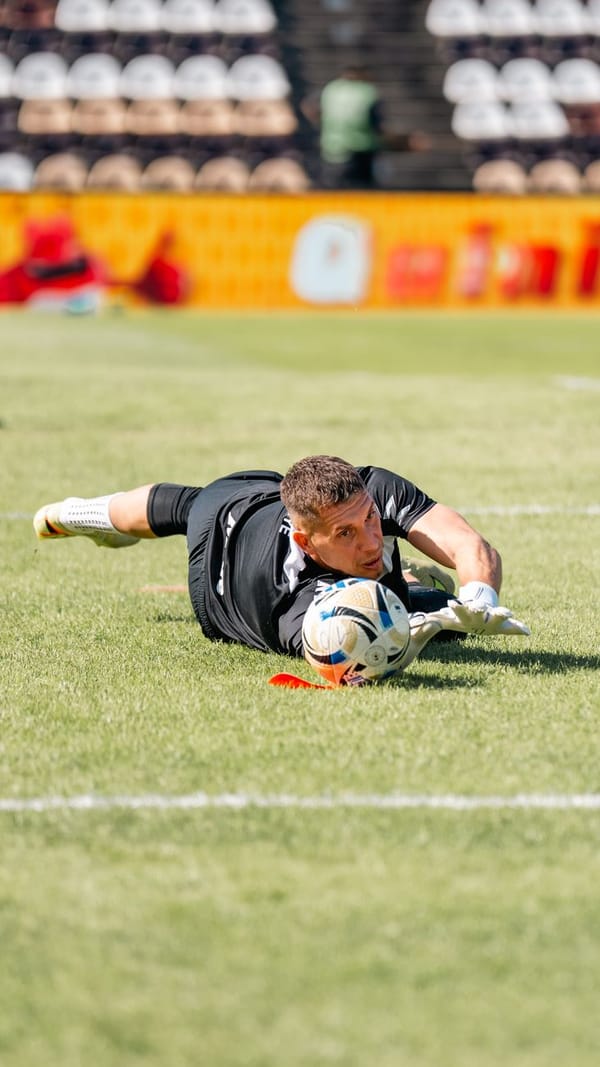
Sport
How Gregor Kobel’s Three Saves Sent Switzerland to the 2026 World Cup Quarter Finals
What happens when a team’s entire World Cup dream rests on one goalkeeper’s reflexes? You get the kind of night that turns a quiet Swiss shot stopper into a national legend. Switzerland’s 2026 campaign just took a historic turn, and it all unfolded under the lights of MetLife St…
Read More...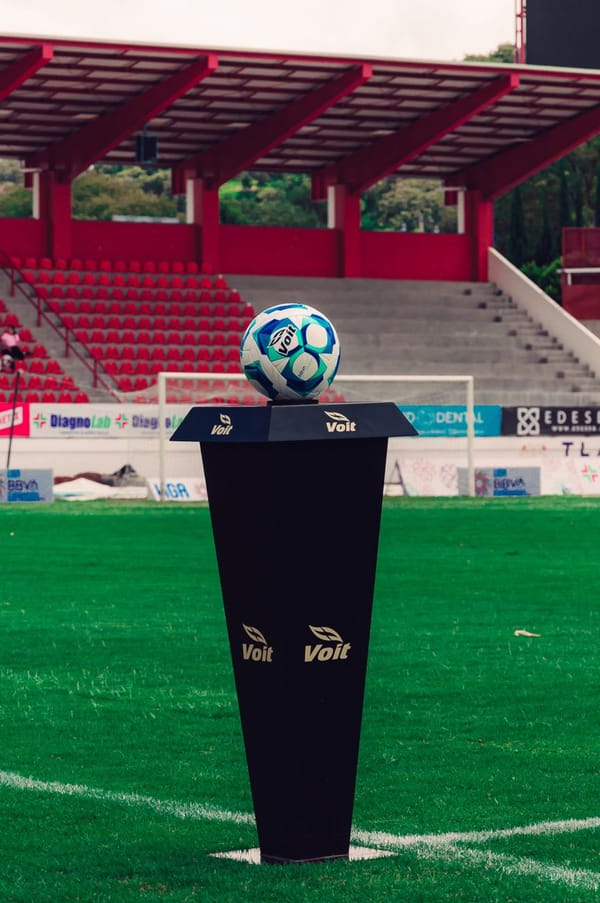
Sport
How a 19-Year-Old’s Header Just Changed England’s World Cup Destiny – See the Moment That Stunned Mexico
The Estadio Azteca roared with over 87,000 voices, a wall of green and white that seemed impossible to penetrate. Yet, in the 38th minute, a single leap by a teenager silenced an entire nation. Jude Bellingham, just 19 years old, rose above the Mexican defense and powered a head…
Read More...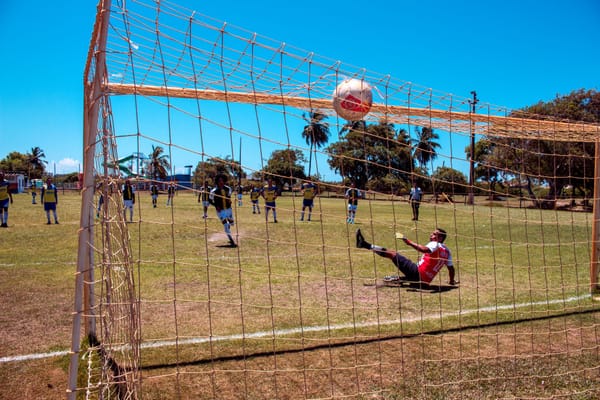
Sport
How France Outlasted Paraguay’s Relentless Tactics in a Heated World Cup 2026 Quarterfinal – What the Scoreline Doesn’t Tell You
The 2026 FIFA World Cup quarterfinal between France and Paraguay at Lincoln Financial Field was never going to be a classic. But what unfolded under the sweltering Philadelphia sun was something far more gripping than a simple 1-0 scoreline suggests. This was a match that tested…
Read More...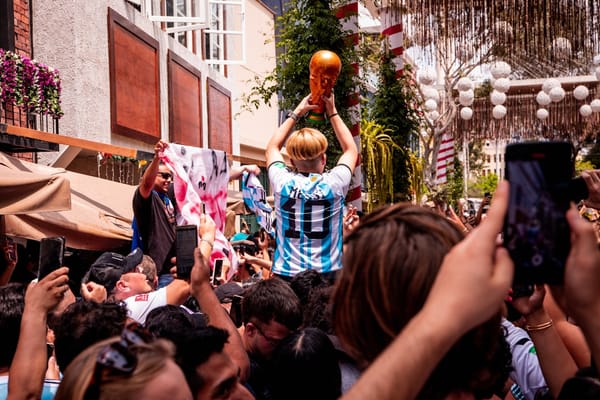
Sport
How Argentina Survived Cape Verde’s 120-Minute Ambush: 3 Key Moments That Defined a World Cup Classic
What happens when a two-time world champion meets a team that refuses to believe in rankings? You get a night that rewrites the script of the 2026 World Cup. Argentina’s 3-2 extra-time victory over Cape Verde on July 4 at the Estadio Ciudad de México wasn’t just a match. It was…
Read More...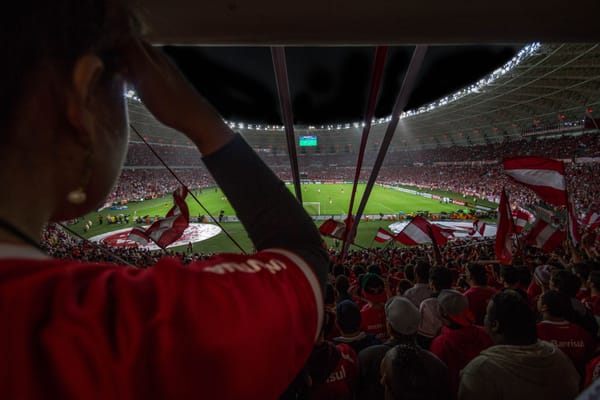
Sport
How a Single Millimeter Decided Croatia’s Fate Against Portugal in the 2026 World Cup Knockout
What happens when a goal that should have been the equalizer gets erased by a margin so thin it’s almost invisible? That’s the question football fans around the world are asking after Croatia’s heartbreaking 1-0 loss to Portugal in the Round of 16 of the 2026 FIFA World Cup. The…
Read More...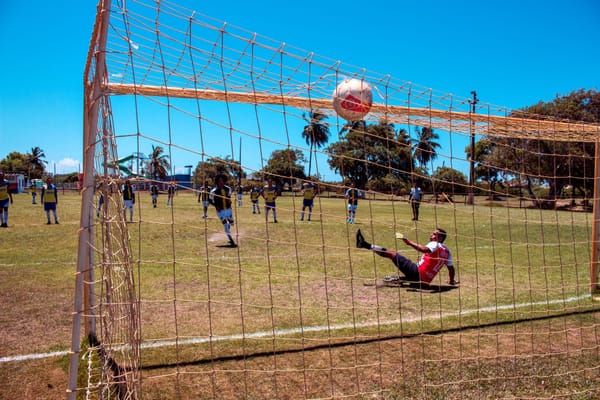
Sport
How Belgium Pulled Off the Latest World Cup Comeback Ever: 2 Goals in 4 Minutes Then a 124th Minute Penalty
Imagine being two goals up with four minutes left in a World Cup match that would send your nation to the knockout stage for the first time. Now imagine losing that lead, then losing the game on a penalty awarded at 124 minutes and 44 seconds. That is exactly what happened to Se…
Read More...