
How Argentina Survived Cape Verde’s 120-Minute Ambush: 3 Key Moments That Defined a World Cup Classic
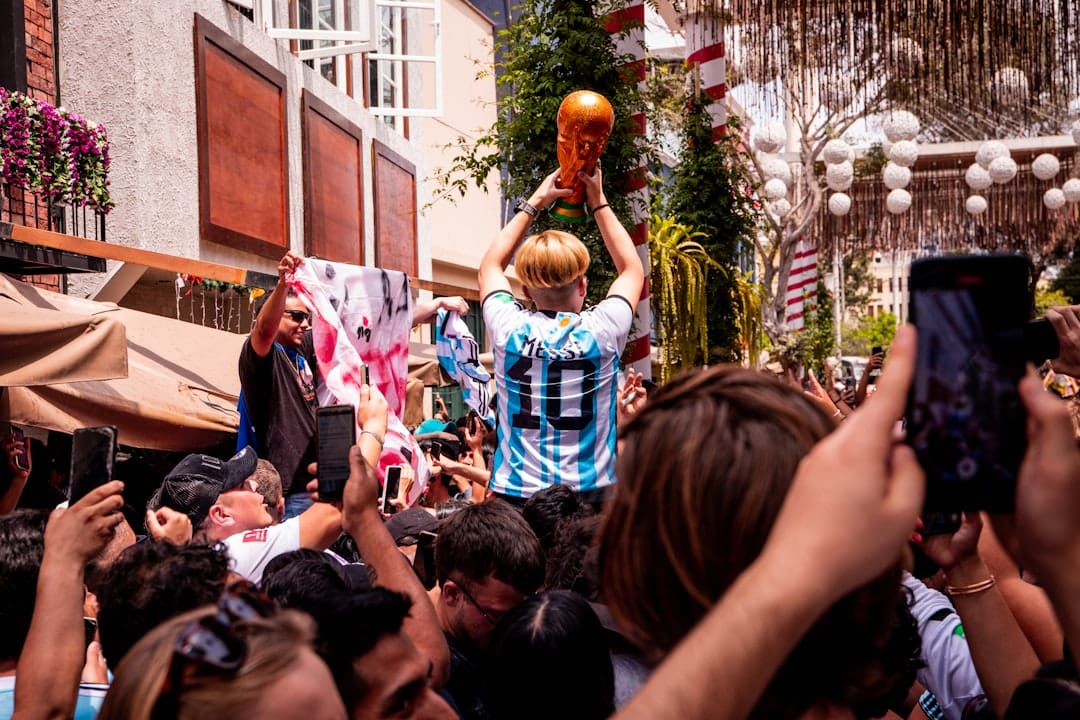
Mexico City, MMN Correspondent: What happens when a two-time world champion meets a team that refuses to believe in rankings? You get a night that rewrites the script of the 2026 World Cup. Argentina’s 3-2 extra-time victory over Cape Verde on July 4 at the Estadio Ciudad de México wasn’t just a match. It was a masterclass in resilience, a lesson in humility, and a reminder that in football, the underdog doesn’t always read the memo about their supposed limitations.
From the first whistle, Cape Verde played like a team that had nothing to lose and everything to prove. Ranked 78th in the world, they didn’t park the bus. They pressed high, moved the ball with purpose, and in the 18th minute, they delivered a moment that silenced the Argentine faithful. Júlio César Mota picked up the ball 25 yards out, took a touch, and unleashed a strike that curled into the top corner. Emiliano Martínez could only watch. The question hung in the air: was this going to be one of those nights?
Argentina’s answer came quickly. Five minutes later, Ángel Di María did what he does best. He picked up the ball on the right, cut inside, and bent a low shot past Víctor Ferreira. The equalizer settled the nerves, but it didn’t settle the game. Cape Verde kept coming. In the second half, Ismael Mendes rounded Martínez only to see his shot cleared off the line by Nahuel Molina. That moment could have broken a lesser team. Instead, it seemed to sharpen their focus.
With 15 minutes left, Lionel Messi rose above two defenders to head in a Rodrigo De Paul free kick. The stadium erupted. Surely, this was the moment Argentina would take control. But Cape Verde had other plans. In the 89th minute, a defensive lapse allowed substitute Fábio Gomes to poke home from close range. 2-2. Extra time. The crowd was now a cauldron of tension and disbelief.
The additional 30 minutes were a test of will. Argentina dominated possession but found a disciplined Cape Verde backline refusing to crack. Then, in the 106th minute, a corner kick found Cristian Romero. His header took a deflection off a defender and nestled into the net. 3-2. The final whistle brought relief, not celebration. Argentina had escaped, but just barely.
What made this match special wasn’t just the scoreline. It was the story within the numbers. Argentina controlled 63% of possession and completed 87% of their passes, but Cape Verde created clearer chances with fewer opportunities. They were efficient, organized, and fearless. This wasn’t a fluke. It was a statement. Cape Verde became the first African nation to reach the knockout phase without losing a group-stage match since 2010. That’s not an upset. That’s progress.
For Argentina, the narrow win serves as a valuable checkpoint. They advance to face either France or Tunisia, but the performance raised questions about their ability to close out games against disciplined opponents. Lionel Messi, who played all 120 minutes, summed it up perfectly: “We knew it wouldn’t be easy. Cape Verde fought with everything they had. We had to dig deep. That’s what champions do.”
The match also highlighted how technology continues to shape the modern game. VAR confirmed all three goals, including the decisive deflection, ensuring that the result stood on merit. In a tournament where margins are razor-thin, that clarity matters.
Looking ahead, this game will be studied in academies and analyzed in boardrooms. It shows that the gap between traditional powers and emerging nations is shrinking. Cape Verde didn’t just compete. They commanded respect. And for Argentina, the path to glory now runs through lessons learned in the crucible of extra time. The beautiful game, as always, delivered the unexpected.
Related in Sport

Sport
How Dubai Basketball Won the ABA League in Just Two Seasons: Inside the Partnership That Made It Possible
When Dubai Basketball lifted the ABA League trophy after only its second season, the basketball world took notice. But the story behind that trophy is bigger than any single game or player. It is a story about what happens when a city’s ambition meets a partner that moves mounta…
Read More...
Sport
From Career-Threatening Injury to World Cup Hero: How Mikel Merino Became Spain’s Clutch Performer in 2026
Imagine being told you might never play football again. Then imagine stepping onto the world’s biggest stage months later and scoring the goals that carry your country to the semi finals. That is the reality for Mikel Merino, the Arsenal midfielder who has quietly become the mos…
Read More...
Sport
Can France’s 2026 World Cup Squad Become the Greatest Team in History?
What does it take to build a football dynasty? France is giving the world a masterclass answer right now. With a commanding 2-0 victory over Morocco in Boston, Les Bleus have become the first team to lock in a semi final spot at the 2026 FIFA World Cup. They are chasing a third…
Read More...
Sport
Will France Survive Morocco’s Challenge? 4 Quarter-Final Predictions That Could Reshape the World Cup
The 2026 FIFA World Cup quarter-finals are here, and the tension is almost unbearable. Four matches stand between eight teams and a shot at glory. Every pass, every tackle, every decision could rewrite football history. Among the most anticipated battles is France versus Morocco…
Read More...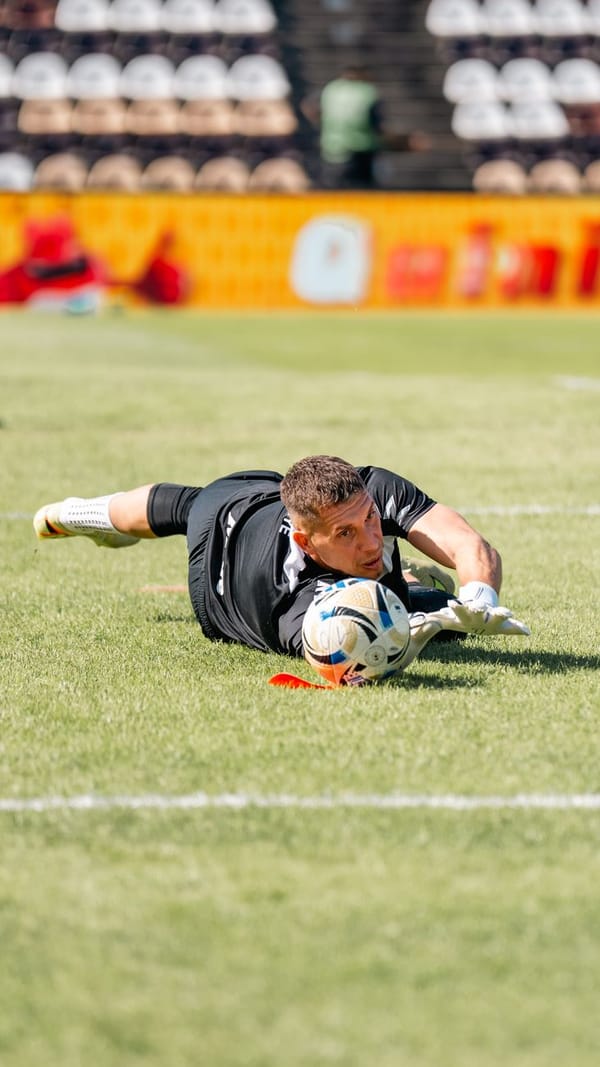
Sport
How Gregor Kobel’s Three Saves Sent Switzerland to the 2026 World Cup Quarter Finals
What happens when a team’s entire World Cup dream rests on one goalkeeper’s reflexes? You get the kind of night that turns a quiet Swiss shot stopper into a national legend. Switzerland’s 2026 campaign just took a historic turn, and it all unfolded under the lights of MetLife St…
Read More...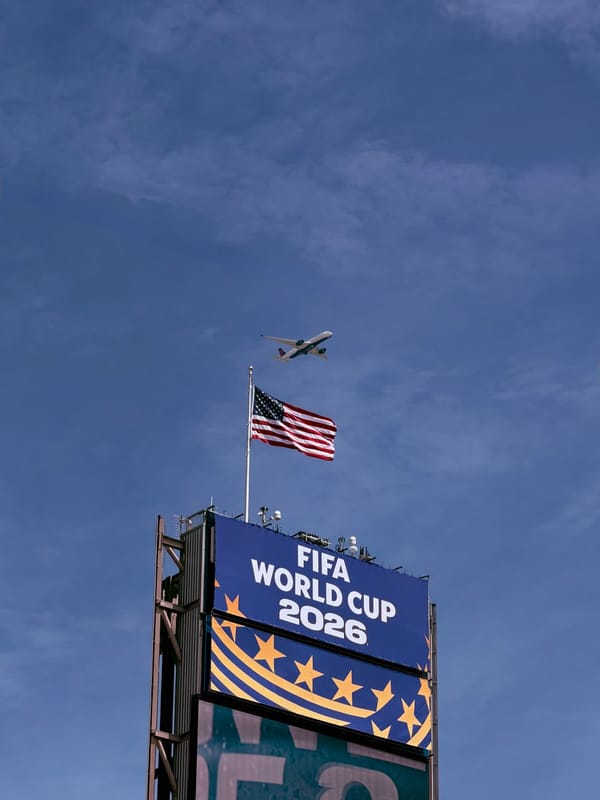
Sport
What Really Went Wrong for USA in World Cup 2026? One Defensive Mistake That Changed Everything
You could feel the air leave the stadium. The 2026 FIFA World Cup Round of 16 match between the United States and Belgium was poised on a knife edge. Then, in the 67th minute, everything shifted. A single moment of miscommunication turned a tightly contested knockout game into a…
Read More...
Sport
How a 19-Year-Old’s Header Just Changed England’s World Cup Destiny – See the Moment That Stunned Mexico
The Estadio Azteca roared with over 87,000 voices, a wall of green and white that seemed impossible to penetrate. Yet, in the 38th minute, a single leap by a teenager silenced an entire nation. Jude Bellingham, just 19 years old, rose above the Mexican defense and powered a head…
Read More...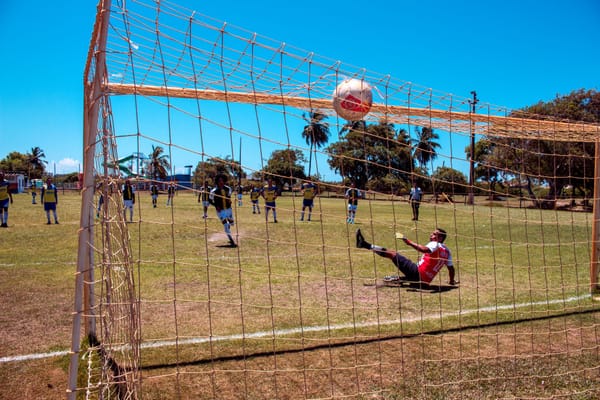
Sport
How France Outlasted Paraguay’s Relentless Tactics in a Heated World Cup 2026 Quarterfinal – What the Scoreline Doesn’t Tell You
The 2026 FIFA World Cup quarterfinal between France and Paraguay at Lincoln Financial Field was never going to be a classic. But what unfolded under the sweltering Philadelphia sun was something far more gripping than a simple 1-0 scoreline suggests. This was a match that tested…
Read More...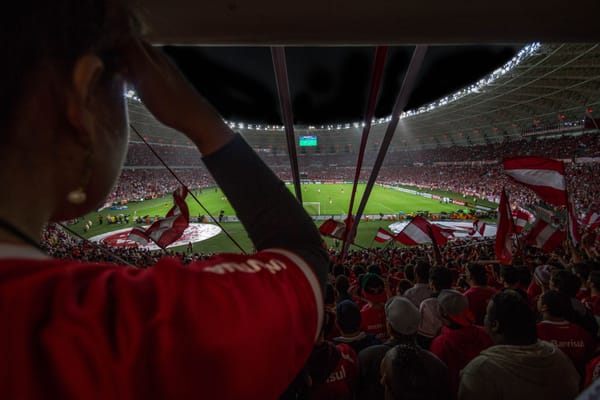
Sport
How a Single Millimeter Decided Croatia’s Fate Against Portugal in the 2026 World Cup Knockout
What happens when a goal that should have been the equalizer gets erased by a margin so thin it’s almost invisible? That’s the question football fans around the world are asking after Croatia’s heartbreaking 1-0 loss to Portugal in the Round of 16 of the 2026 FIFA World Cup. The…
Read More...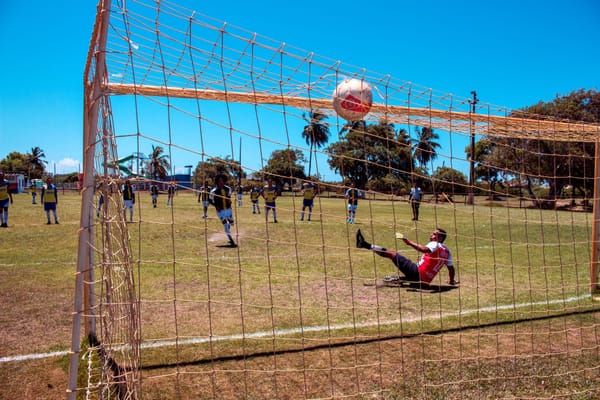
Sport
How Belgium Pulled Off the Latest World Cup Comeback Ever: 2 Goals in 4 Minutes Then a 124th Minute Penalty
Imagine being two goals up with four minutes left in a World Cup match that would send your nation to the knockout stage for the first time. Now imagine losing that lead, then losing the game on a penalty awarded at 124 minutes and 44 seconds. That is exactly what happened to Se…
Read More...