
How France Outlasted Paraguay’s Relentless Tactics in a Heated World Cup 2026 Quarterfinal – What the Scoreline Doesn’t Tell You
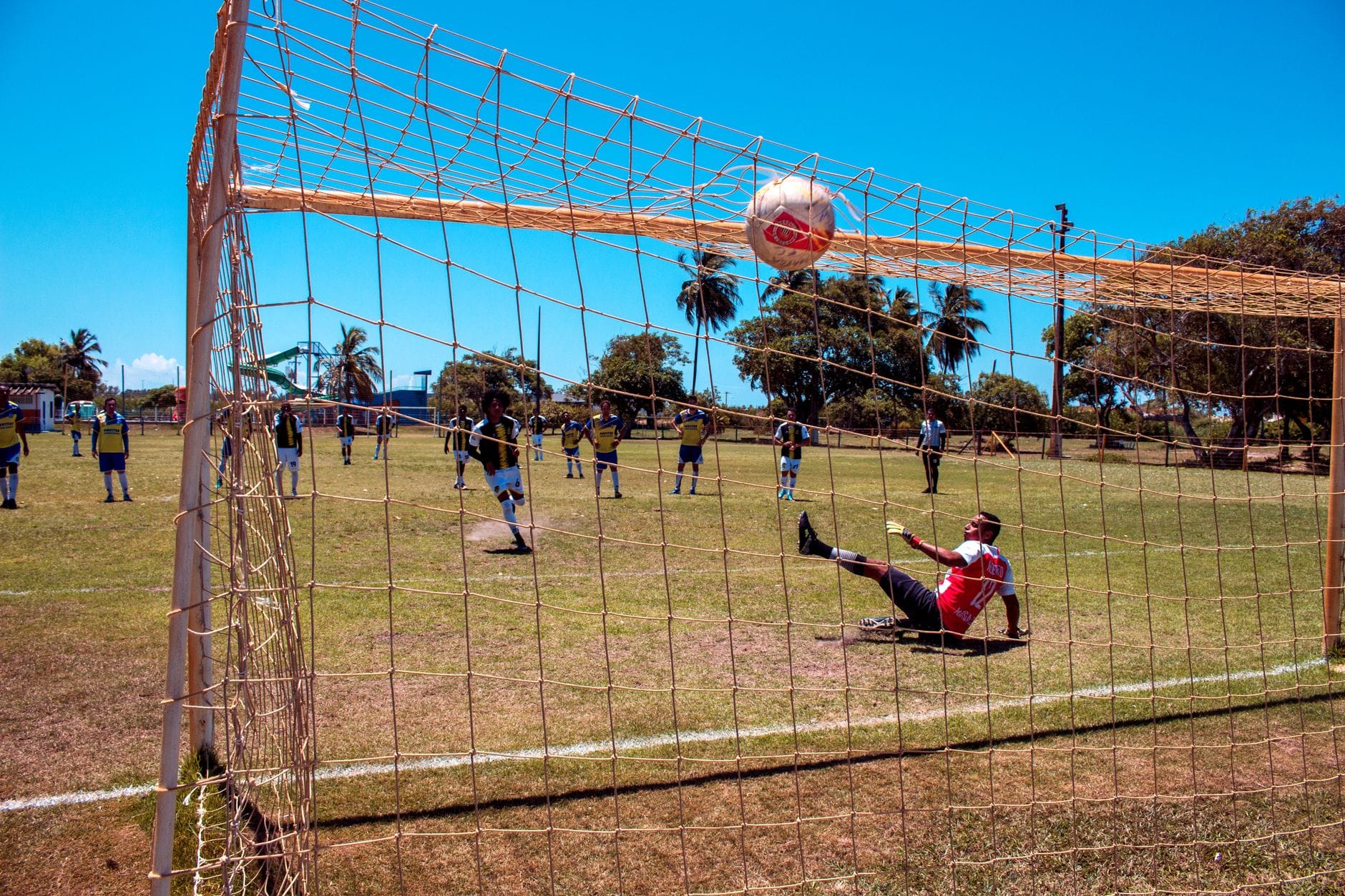
Philadelphia, MMN Correspondent: The 2026 FIFA World Cup quarterfinal between France and Paraguay at Lincoln Financial Field was never going to be a classic. But what unfolded under the sweltering Philadelphia sun was something far more gripping than a simple 1-0 scoreline suggests. This was a match that tested not just skill, but nerve, discipline, and the very definition of fair play.
The temperature at kickoff hit 38.3°C, making it one of the hottest matches in World Cup history. Players from both sides were visibly struggling by the 20th minute, with hydration breaks becoming a lifeline. Yet the heat was only part of the story. Paraguay arrived with a reputation for gritty defense after eliminating Germany on penalties in the Round of 32. Against France, they took that reputation and pushed it to its limits.
From the opening whistle, Paraguay’s approach was clear: disrupt France’s rhythm at all costs. Kylian Mbappé became the primary target. Andres Cubas collided heavily with Adrien Rabiot without a booking. Juan Jose Caceres launched a high boot at Mbappé, again without punishment. Gabriel Avalos delivered a deliberate elbow to Dayot Upamecano during a late push for an equalizer, yet no yellow card was shown. The pattern was unmistakable, and the lack of disciplinary action from referee Ilgiz Tantashev only encouraged more of the same.
What made the situation particularly striking was the disparity in bookings. Three French players – Manu Kone, Bradley Barcola, and Michael Olise – received yellow cards. Not a single Paraguayan player was cautioned over the full 90 minutes. Former England goalkeeper Joe Hart called it “an absolute disgrace,” while Micah Richards described the behavior as “embarrassing.” The numbers tell a misleading story: Paraguay committed 13 fouls to France’s 11, but many off-the-ball and tactical fouls went unnoticed, especially those designed to provoke retaliation.
The decisive moment arrived with 20 minutes remaining. Diego Gomez tripped Desire Doue inside the box. Tantashev, overseeing his first major knockout-stage match, consulted the pitchside monitor and awarded a penalty. Paraguay players swarmed the official, attempting to delay the kick. Gustavo Velazquez appeared to tamper with the penalty spot. Yet the referee allowed the kick to proceed.
Mbappé stepped up and converted with composure, taking his tournament tally to seven goals and tying Lionel Messi in the Golden Boot race. His performance elevated him to 19 goals across 19 World Cup appearances – just one behind the all-time record. Since 2018, Mbappé has scored 11 goals in knockout stages, surpassing Brazil (10), England (10), Portugal (9), and Spain (4) combined. His ability to thrive under pressure and in hostile environments underscores his status as one of the modern game’s most lethal finishers.
France’s coach Didier Deschamps hailed the win as a testament to mental toughness. He revealed he had instructed his two largest defenders to shield Mbappé in the closing minutes, anticipating further physical attacks. “I asked the two biggest lads to go and stand around Kylian at the end because they were going to chop him down,” Deschamps said. The strategy worked, but only after enduring constant provocation. Post-match scuffles erupted as Velazquez attempted to confront French players, underscoring the toxic atmosphere that lingered long after the final whistle.
The refereeing performance became the central talking point. Critics argue that Tantashev failed to assert authority early, allowing Paraguay to exploit loopholes in enforcement. In contrast, Michael Oliver’s handling of the Canada vs. Morocco match earlier in the week saw six yellow cards in the first half, followed by a dramatic calming of tensions. The Philadelphia game followed the opposite trajectory: the fouls mounted, yet discipline evaporated.
Former Germany midfielder Thomas Hitzlsperger bluntly stated he had “no respect” for Paraguay’s approach. “If you’re from Paraguay, you might admire them as warriors. But if you’re French or neutral, there’s no dignity left in this behavior,” he said. The emotional toll on French players was evident. Rayan Cherki emphasized the importance of proving their versatility: “We knew it was going to be fiercely contested. But we wanted to show the world we can play beautiful football – and also go to war.”
William Saliba, who won the Premier League with Arsenal, acknowledged the team’s preparation. “They were going to come at us hard, commit fouls, try to provoke us. We had to stay focused. If we wasted energy arguing, we’d lose control.” The win, though narrow, carried immense symbolic weight. It wasn’t about aesthetics – it was about survival.
As France advances to face Morocco in Boston Stadium, the match serves as a microcosm of the 2026 World Cup’s broader narrative: a tournament striving to promote open, attacking football, yet repeatedly challenged by aggressive, unregulated play and inconsistent officiating. The incident highlights a growing challenge in global football – how to balance competitive intensity with fair play in an era where technology like VAR is meant to enforce standards, not expose failures.
With Mbappé now standing at the edge of history and France still alive in the hunt for glory, the road ahead promises more drama. But this match – ugly, exhausting, and unforgettable – will remain a defining chapter in the story of a World Cup where style met survival, and where the line between sportsmanship and sabotage was dangerously blurred.
Related in Sport

Sport
How Dubai Basketball Won the ABA League in Just Two Seasons: Inside the Partnership That Made It Possible
When Dubai Basketball lifted the ABA League trophy after only its second season, the basketball world took notice. But the story behind that trophy is bigger than any single game or player. It is a story about what happens when a city’s ambition meets a partner that moves mounta…
Read More...
Sport
From Career-Threatening Injury to World Cup Hero: How Mikel Merino Became Spain’s Clutch Performer in 2026
Imagine being told you might never play football again. Then imagine stepping onto the world’s biggest stage months later and scoring the goals that carry your country to the semi finals. That is the reality for Mikel Merino, the Arsenal midfielder who has quietly become the mos…
Read More...
Sport
Can France’s 2026 World Cup Squad Become the Greatest Team in History?
What does it take to build a football dynasty? France is giving the world a masterclass answer right now. With a commanding 2-0 victory over Morocco in Boston, Les Bleus have become the first team to lock in a semi final spot at the 2026 FIFA World Cup. They are chasing a third…
Read More...
Sport
Will France Survive Morocco’s Challenge? 4 Quarter-Final Predictions That Could Reshape the World Cup
The 2026 FIFA World Cup quarter-finals are here, and the tension is almost unbearable. Four matches stand between eight teams and a shot at glory. Every pass, every tackle, every decision could rewrite football history. Among the most anticipated battles is France versus Morocco…
Read More...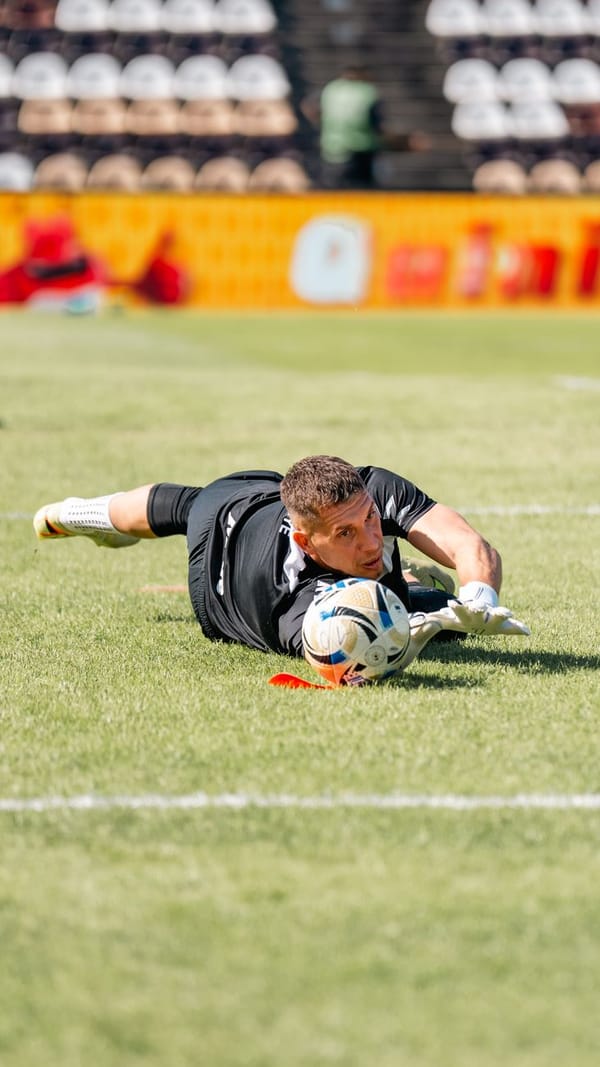
Sport
How Gregor Kobel’s Three Saves Sent Switzerland to the 2026 World Cup Quarter Finals
What happens when a team’s entire World Cup dream rests on one goalkeeper’s reflexes? You get the kind of night that turns a quiet Swiss shot stopper into a national legend. Switzerland’s 2026 campaign just took a historic turn, and it all unfolded under the lights of MetLife St…
Read More...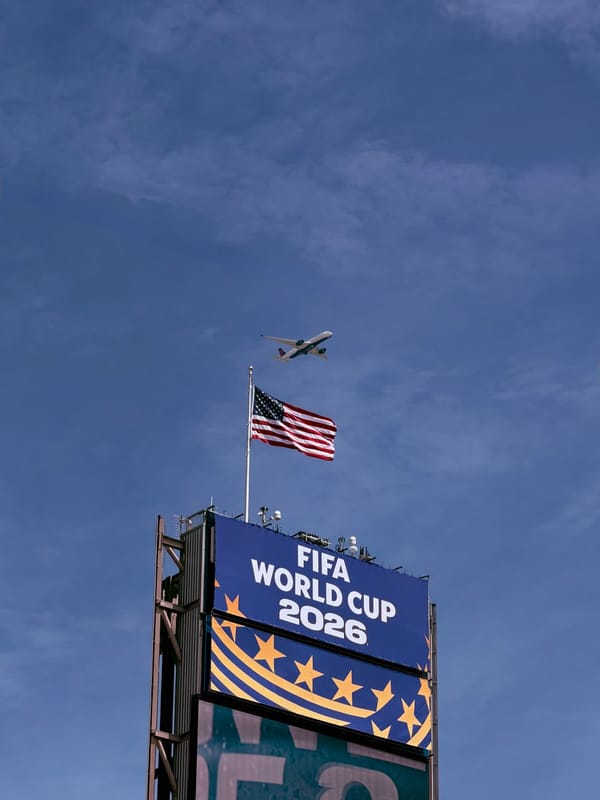
Sport
What Really Went Wrong for USA in World Cup 2026? One Defensive Mistake That Changed Everything
You could feel the air leave the stadium. The 2026 FIFA World Cup Round of 16 match between the United States and Belgium was poised on a knife edge. Then, in the 67th minute, everything shifted. A single moment of miscommunication turned a tightly contested knockout game into a…
Read More...
Sport
How a 19-Year-Old’s Header Just Changed England’s World Cup Destiny – See the Moment That Stunned Mexico
The Estadio Azteca roared with over 87,000 voices, a wall of green and white that seemed impossible to penetrate. Yet, in the 38th minute, a single leap by a teenager silenced an entire nation. Jude Bellingham, just 19 years old, rose above the Mexican defense and powered a head…
Read More...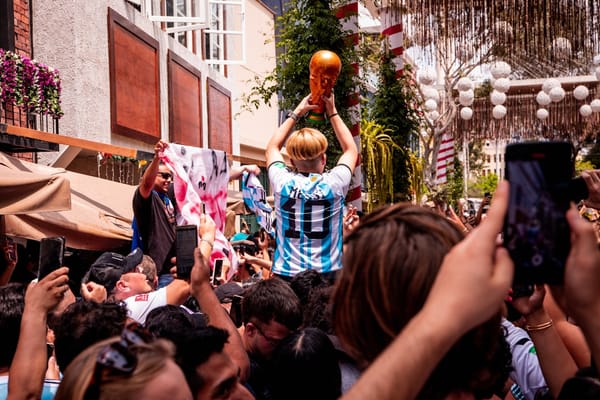
Sport
How Argentina Survived Cape Verde’s 120-Minute Ambush: 3 Key Moments That Defined a World Cup Classic
What happens when a two-time world champion meets a team that refuses to believe in rankings? You get a night that rewrites the script of the 2026 World Cup. Argentina’s 3-2 extra-time victory over Cape Verde on July 4 at the Estadio Ciudad de México wasn’t just a match. It was…
Read More...
Sport
How a Single Millimeter Decided Croatia’s Fate Against Portugal in the 2026 World Cup Knockout
What happens when a goal that should have been the equalizer gets erased by a margin so thin it’s almost invisible? That’s the question football fans around the world are asking after Croatia’s heartbreaking 1-0 loss to Portugal in the Round of 16 of the 2026 FIFA World Cup. The…
Read More...
Sport
How Belgium Pulled Off the Latest World Cup Comeback Ever: 2 Goals in 4 Minutes Then a 124th Minute Penalty
Imagine being two goals up with four minutes left in a World Cup match that would send your nation to the knockout stage for the first time. Now imagine losing that lead, then losing the game on a penalty awarded at 124 minutes and 44 seconds. That is exactly what happened to Se…
Read More...