
How Belgium Pulled Off the Latest World Cup Comeback Ever: 2 Goals in 4 Minutes Then a 124th Minute Penalty
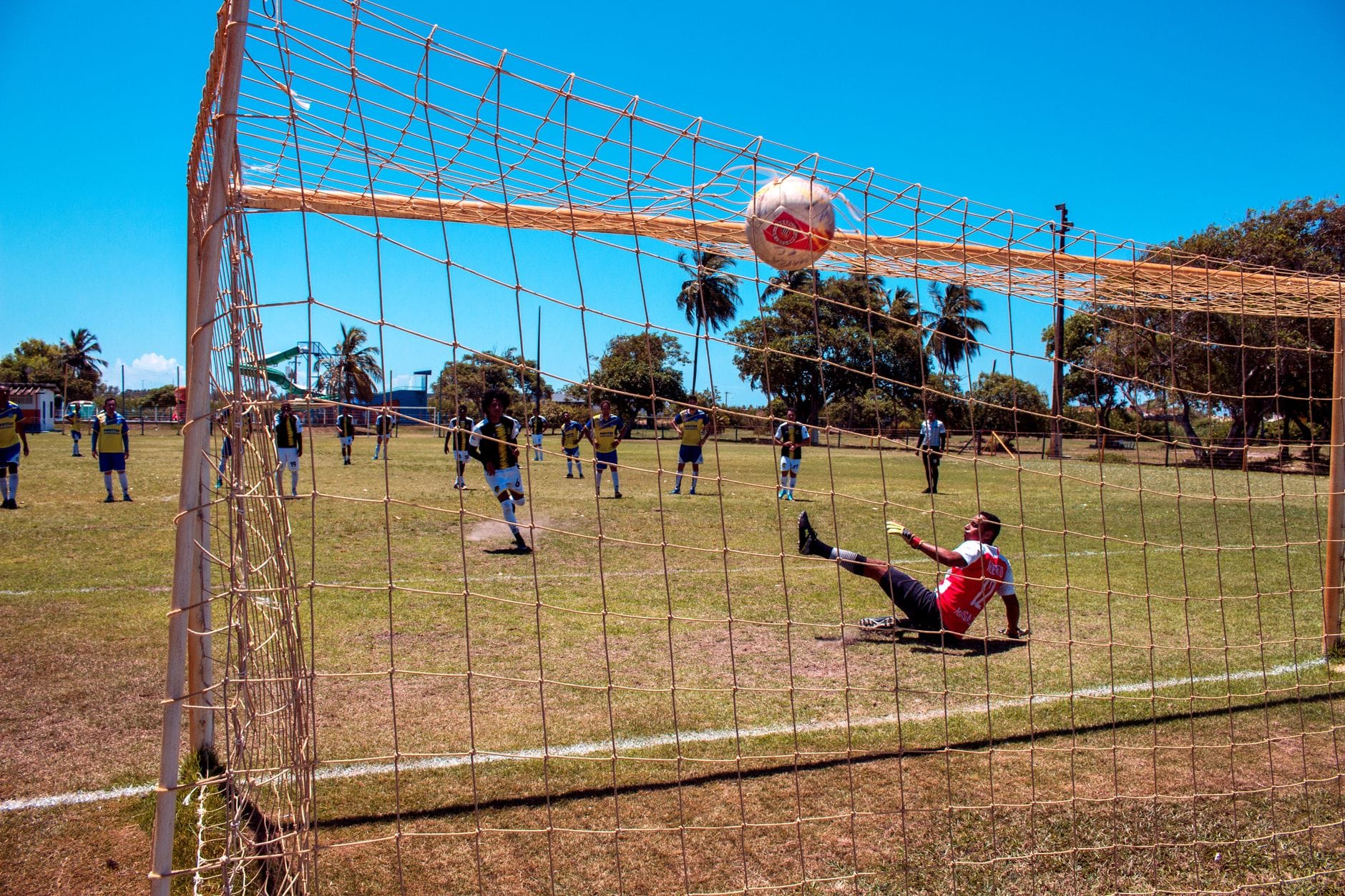
Doha, Qatar, MMN Correspondent: Imagine being two goals up with four minutes left in a World Cup match that would send your nation to the knockout stage for the first time. Now imagine losing that lead, then losing the game on a penalty awarded at 124 minutes and 44 seconds. That is exactly what happened to Senegal in one of the most dramatic matches the tournament has ever seen.
For 86 minutes, Senegal looked like they had finally arrived. Habib Diarra and Ismaila Sarr had put them 2-0 up against a Belgium side that seemed out of ideas and out of energy. Senegal controlled possession, dictated the tempo, and created chance after chance. Pundits were already writing the headlines about Africa's rising force finally breaking through. The question on everyone's mind was simple: could Belgium find any answer?
The answer came from a player who had been on the bench for most of the match. Romelu Lukaku, who had been substituted in earlier due to fatigue and limited game time this season, received a cross from Thomas Meunier in the 86th minute. With one flick of his foot, he changed the entire trajectory of the game. The goal was a lifeline, but nobody expected what happened next.
Three minutes later, with the clock showing 90 minutes plus three, Leandro Trossard delivered a pinpoint cross from the right flank. Captain Youri Tielemans rose above the defense and headed the ball into an empty net. The equalizer was one of the latest goals ever scored in World Cup history to level a game after trailing by two or more goals. Senegal's composure, which had been their strength all match, began to crack.
Extra time was a different story. Both teams were exhausted, but the momentum had clearly shifted. Every tackle, every pass, every decision carried enormous weight. Then came the moment that will be debated for years. At 124 minutes and 44 seconds, Lamine Camara challenged Tielemans inside the box. The referee initially waved play on. But then came the VAR review, lasting nearly three minutes. The stadium held its breath. Was it a penalty? Former England defender Gary Neville called it "a bit harsh." Roy Keane criticized the referee's hesitation, saying the decision lacked conviction. But the call was made.
Tielemans stepped up and calmly converted the penalty. It was the latest goal ever scored in a World Cup match. Senegal's players collapsed to their knees. Some were in disbelief. Others were in tears. Head coach Pape Thiaw, visibly shaken, said: "We're out – it hurts. We must congratulate the team, who gave it their all, but unfortunately we weren't able to hold on to our two-goal lead. That's football."
This defeat brought back painful memories for Senegal. In the 2023 Africa Cup of Nations final against Morocco, a stoppage-time penalty awarded via VAR led to a similar collapse. Those ghosts returned in Doha, as Senegal once again watched a secure lead slip away due to a controversial decision.
For Belgium, this comeback is historic. They became the first team since 2018 to win a match after being down by two or more goals. That 2018 victory over Japan in Rostov, also powered by Lukaku and Meunier, set the stage for this moment. Eight years later, the same core group – Thibaut Courtois, Kevin de Bruyne, Meunier, Lukaku, and Axel Witsel – proved they still have the resilience to deliver under pressure.
One of the most interesting subplots was the substitution of Kevin de Bruyne in the 56th minute. It was an unprecedented move in his World Cup career. Yet Belgium remained composed without him, relying on depth and experience. Lukaku's role extended beyond scoring; he acted as a peacemaker between teammates Tielemans and Trossard, who had clashed verbally during a hydration break. That moment showed the psychological intensity of the match.
As Belgium prepares for a last-16 clash against either the United States or Bosnia-Herzegovina, questions remain about how long this aging squad can sustain their momentum. But their ability to rally from the brink of elimination speaks volumes about their character and legacy.
For Senegal, the road ahead is uncertain. They have now failed to progress past the group stage in consecutive World Cups. But their performances have consistently shown their potential on the global stage. With young talent emerging and tactical evolution underway, the future may yet bring redemption.
This match will be studied for decades. Not just for its drama, but for the way it captures the beauty, unpredictability, and emotion of football. It reminds us that even the most dominant teams can falter, and the smallest decisions can alter destiny. As the world reflects on this unforgettable encounter, one truth remains: in football, nothing is certain until the final whistle blows.
Related in Sport

Sport
How Dubai Basketball Won the ABA League in Just Two Seasons: Inside the Partnership That Made It Possible
When Dubai Basketball lifted the ABA League trophy after only its second season, the basketball world took notice. But the story behind that trophy is bigger than any single game or player. It is a story about what happens when a city’s ambition meets a partner that moves mounta…
Read More...
Sport
From Career-Threatening Injury to World Cup Hero: How Mikel Merino Became Spain’s Clutch Performer in 2026
Imagine being told you might never play football again. Then imagine stepping onto the world’s biggest stage months later and scoring the goals that carry your country to the semi finals. That is the reality for Mikel Merino, the Arsenal midfielder who has quietly become the mos…
Read More...
Sport
Can France’s 2026 World Cup Squad Become the Greatest Team in History?
What does it take to build a football dynasty? France is giving the world a masterclass answer right now. With a commanding 2-0 victory over Morocco in Boston, Les Bleus have become the first team to lock in a semi final spot at the 2026 FIFA World Cup. They are chasing a third…
Read More...
Sport
Will France Survive Morocco’s Challenge? 4 Quarter-Final Predictions That Could Reshape the World Cup
The 2026 FIFA World Cup quarter-finals are here, and the tension is almost unbearable. Four matches stand between eight teams and a shot at glory. Every pass, every tackle, every decision could rewrite football history. Among the most anticipated battles is France versus Morocco…
Read More...
Sport
How Gregor Kobel’s Three Saves Sent Switzerland to the 2026 World Cup Quarter Finals
What happens when a team’s entire World Cup dream rests on one goalkeeper’s reflexes? You get the kind of night that turns a quiet Swiss shot stopper into a national legend. Switzerland’s 2026 campaign just took a historic turn, and it all unfolded under the lights of MetLife St…
Read More...
Sport
What Really Went Wrong for USA in World Cup 2026? One Defensive Mistake That Changed Everything
You could feel the air leave the stadium. The 2026 FIFA World Cup Round of 16 match between the United States and Belgium was poised on a knife edge. Then, in the 67th minute, everything shifted. A single moment of miscommunication turned a tightly contested knockout game into a…
Read More...
Sport
How a 19-Year-Old’s Header Just Changed England’s World Cup Destiny – See the Moment That Stunned Mexico
The Estadio Azteca roared with over 87,000 voices, a wall of green and white that seemed impossible to penetrate. Yet, in the 38th minute, a single leap by a teenager silenced an entire nation. Jude Bellingham, just 19 years old, rose above the Mexican defense and powered a head…
Read More...
Sport
How France Outlasted Paraguay’s Relentless Tactics in a Heated World Cup 2026 Quarterfinal – What the Scoreline Doesn’t Tell You
The 2026 FIFA World Cup quarterfinal between France and Paraguay at Lincoln Financial Field was never going to be a classic. But what unfolded under the sweltering Philadelphia sun was something far more gripping than a simple 1-0 scoreline suggests. This was a match that tested…
Read More...
Sport
How Argentina Survived Cape Verde’s 120-Minute Ambush: 3 Key Moments That Defined a World Cup Classic
What happens when a two-time world champion meets a team that refuses to believe in rankings? You get a night that rewrites the script of the 2026 World Cup. Argentina’s 3-2 extra-time victory over Cape Verde on July 4 at the Estadio Ciudad de México wasn’t just a match. It was…
Read More...
Sport
How a Single Millimeter Decided Croatia’s Fate Against Portugal in the 2026 World Cup Knockout
What happens when a goal that should have been the equalizer gets erased by a margin so thin it’s almost invisible? That’s the question football fans around the world are asking after Croatia’s heartbreaking 1-0 loss to Portugal in the Round of 16 of the 2026 FIFA World Cup. The…
Read More...