
8 People Sentenced to 450 Years for Prairieland Facility Riot: What You Need to Know About the July 4th Attack and Its Fallout
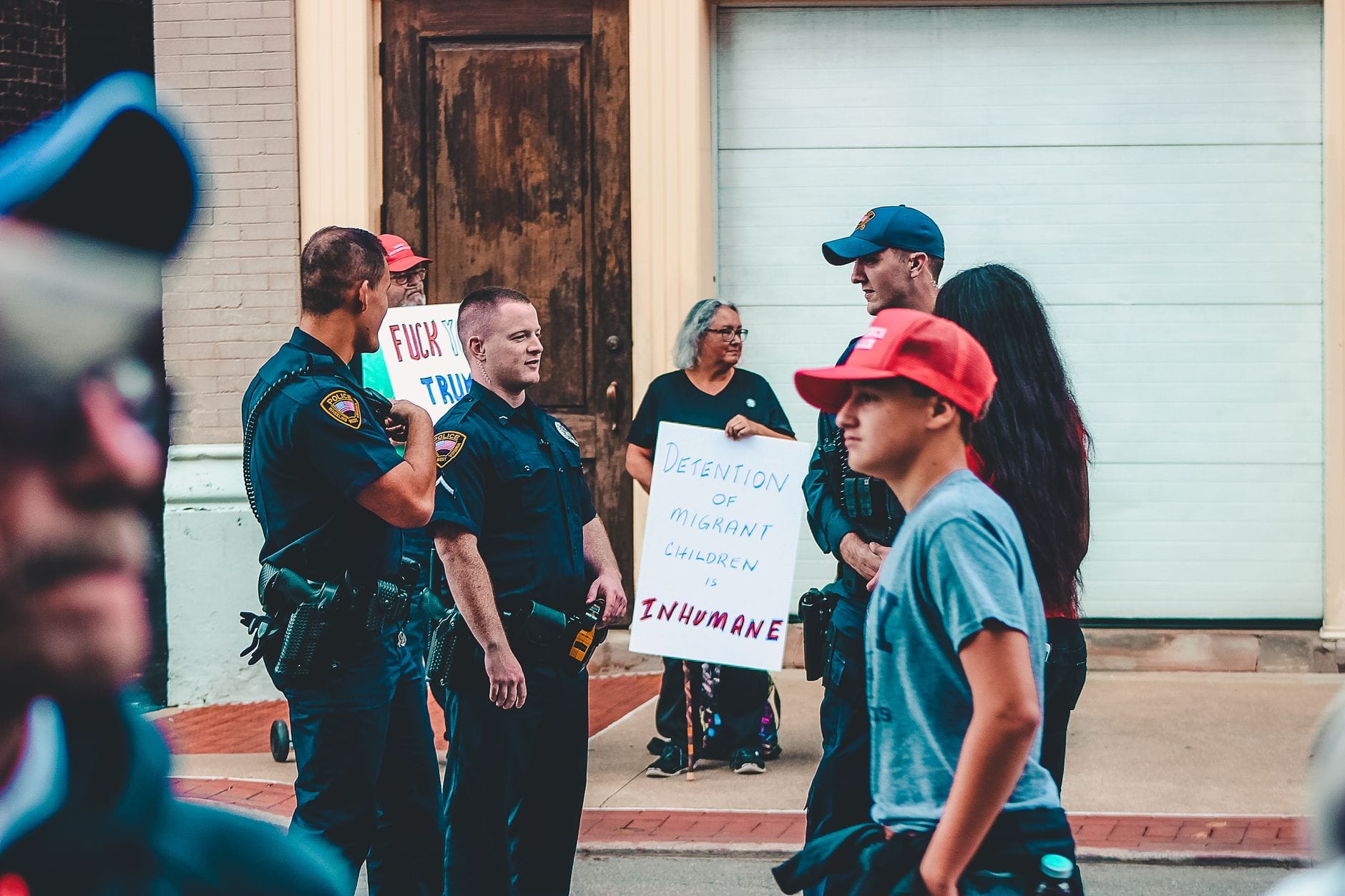
Prairieland Facility, Dallas, Texas, MMN Correspondent: Eight individuals have been handed a combined 450 years in prison for their roles in a violent confrontation at an immigration detention center near Dallas. The incident, which erupted on July 4th last summer at the Prairieland Facility, has become a defining moment in the ongoing debate over protest, public safety, and federal authority. The sentences, ranging from 30 to 100 years, reflect the severity of the charges, which include attempted murder, rioting, and use of explosives.
Benjamin Hanil Song, a former U.S. Marine Corps reservist, received the longest sentence: 100 years for attempted murder of a law enforcement officer. Prosecutors say Song fired a weapon during the chaos, believing an officer was about to shoot a protester. His mother, Hope Song, has publicly disputed this account, insisting her son acted in self-defense and never intended harm. This case highlights the complex and often conflicting narratives that emerge in high-stakes legal battles.
Other defendants include Maricela Rueda, sentenced to 70 years, and five individuals each receiving 50-year terms: Cameron Arnold (also known as Autumn Hill), Savanna Batten, Zachary Evetts, Bradford Morris (also known as Meagan Morris), and Elizabeth Soto. Daniel Rolando Sanchez-Estrada was given 30 years. A ninth defendant, Ines Soto, is awaiting sentencing on July 1. Seven others who pleaded guilty before trial will also be sentenced on that date.
The U.S. Department of Justice has described the group as part of the North Texas Antifa Cell, a network allegedly committed to dismantling federal institutions. The charges include providing material support to terrorists and obstruction of justice. Surveillance footage shows fireworks being launched at the facility’s perimeter, causing damage and panic among staff and detainees. The timing of the attack on Independence Day added symbolic weight, with a federal judge later calling it an assault on democracy.
Supporters of the defendants argue the sentences are excessively harsh, especially given that some participants claim the event began as a peaceful noise protest using loud music and firecrackers to draw attention to conditions at the detention center. They say they did not anticipate or condone the escalation into violence. Notably, none of the eight defendants formally identified with Antifa, despite the government’s characterization. Legal experts point out that Antifa is a decentralized movement, not a formal organization, and that holding certain political beliefs is not a crime under U.S. law.
This case unfolds against a backdrop of heightened tensions over immigration policy and civil liberties. In September 2020, President Donald Trump designated Antifa as a domestic terrorist organization through an executive order, a move widely criticized by civil rights groups as politically motivated. Critics argue such designations risk criminalizing dissent and eroding First Amendment protections. The Department of Justice, however, maintains that anyone who supports or participates in violence against federal agents or facilities will face severe consequences.
Immigration detention centers like Prairieland have become flashpoints for activism. While other facilities have seen frequent protests and visits from Democratic lawmakers, Prairieland had remained relatively quiet until this incident. The sudden surge in activity suggests a strategic shift in protest tactics, possibly aimed at pressuring policymakers on immigration reform. The case has also reignited debates about surveillance, digital evidence, and prosecutorial discretion. Authorities used data from encrypted apps, GPS tracking, and extensive video monitoring to build their case, raising questions about privacy rights and the balance between security and freedom of expression.
As the legal process continues, the nation watches closely. With nine defendants still awaiting final judgment and the broader implications of the Antifa designation hanging in the balance, this case may set a precedent for future prosecutions of protest-related violence. It highlights the complex intersection of civil disobedience, constitutional rights, and national security in an era of polarized politics. The outcome could influence how similar incidents are handled across the country, particularly in cases where demonstrators clash with law enforcement over sensitive issues like immigration, policing, and government accountability. As the U.S. grapples with its definition of extremism, the Prairieland riot stands as a stark reminder of the fine line between protest and violence and the long-term consequences when that line is crossed.
Related in Global Trend

Global Trend
Meta’s AI Image Tool Vanishes Days After Launch: What Happened to Your Instagram Photos?
Just days after its flashy debut, Meta’s new AI image generation feature has been pulled from the platform. The tool, part of the Muse Image rollout, let users of Meta’s AI chatbot create artificial images by pulling content from public Instagram accounts. Think about that for a…
Read More...
Global Trend
Middle East Travelers Are Flocking to Thailand for Wellness: Here’s What’s Driving the 2026 Boom
What if the next luxury vacation didn’t just pamper you but actually changed how you feel long after you return home? That’s the question Thailand is asking Middle East travelers right now. And the answer is reshaping how people from the Gulf plan their getaways. The Tourism Aut…
Read More...
Global Trend
How SK Hynix Raised $26.5 Billion in Its US Debut: What It Means for AI Chip Investors
Imagine walking into a room where the world’s biggest money managers are all fighting for a piece of the same company. That’s exactly what happened when SK Hynix, the South Korean memory chip giant, stepped onto the Nasdaq stage in July 2026. The result? A staggering $26.5 billi…
Read More...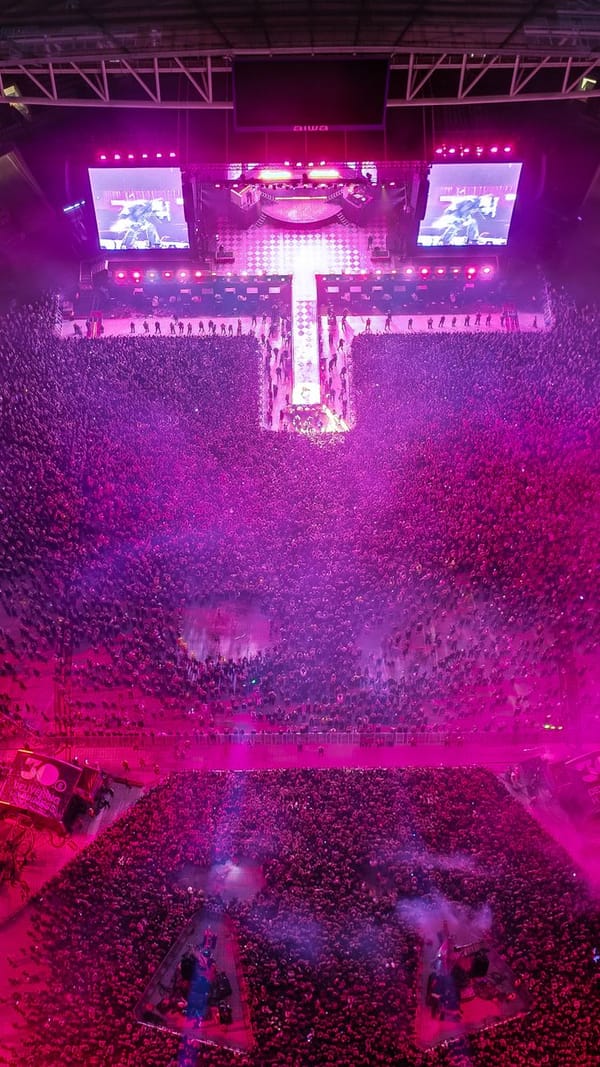
Global Trend
What Happens When Bieber, Madonna, Shakira, and BTS Share the World Cup Stage?
Imagine this: It’s July 19, 2026, and the world is watching. Not just for the final whistle of the FIFA World Cup, but for something that’s never happened before. For the first time in the tournament’s history, a Super Bowl style halftime show is about to unfold at MetLife Stadi…
Read More...
Global Trend
80 Targets Hit: What the US Strikes on Iran Mean for Global Oil Routes
The world’s most critical oil passageway just became the epicenter of a major military confrontation. The United States has launched sweeping airstrikes across Iran’s southern coast, hitting more than 80 locations after three commercial tankers came under attack in the Strait of…
Read More...
Global Trend
Travel Before the Crowds: Why the Two Weeks Before School Holidays Are Your Best Bet for a Peaceful Summer Escape
Picture this: warm sand beneath your feet, a gentle sea breeze, and the sound of waves instead of the chatter of crowds. That’s the reality for travelers who discover a simple truth about summer vacations. The best time to go isn’t when everyone else does. It’s the two weeks rig…
Read More...
Global Trend
Faster Patents in Europe and China: What the New EPO-CNIPA PPH Pilot Means for Your Innovation Timeline
What if you could cut months off the time it takes to secure a patent in both Europe and China? Starting August 1, 2026, that possibility becomes reality. The European Patent Office (EPO) and China National Intellectual Property Administration (CNIPA) are launching a new bilater…
Read More...
Global Trend
What Happened in a Utah Courtroom When Charlie Kirk’s Family Came Face to Face With His Accused Killer?
On a quiet Tuesday morning in May 2026, a Utah courtroom became the center of a story that has haunted America for months. The family of Charlie Kirk, the 31-year-old conservative activist and founder of Turning Point USA, sat just feet away from the man accused of ending his li…
Read More...
Global Trend
4 New Luxury Travel Mindsets Reshaping Asia Pacific: How Gen Z Is Redefining High End Tourism
What does luxury mean to a generation that grew up with Instagram, climate anxiety, and a craving for meaning? A sweeping study of 2,800 affluent travelers across eight Asia Pacific markets—China, Japan, South Korea, Australia, India, Singapore, Thailand, and Indonesia—has uncov…
Read More...
Global Trend
How Europe and China Are Cutting Patent Wait Times by 40% Starting August 2026
Imagine filing a single patent application and watching it sail through two of the world’s largest intellectual property offices with minimal friction. That vision becomes reality on August 1, 2026, when the European Patent Office (EPO) and the China National Intellectual Proper…
Read More...