
ATM 2026: Experience-Led Growth Is Transforming Middle East Hospitality. Are You Ready?
We compile, generate and translate using Artificial Intelligence from the below given source. Macro Micro News is responsible for its editorial publication.
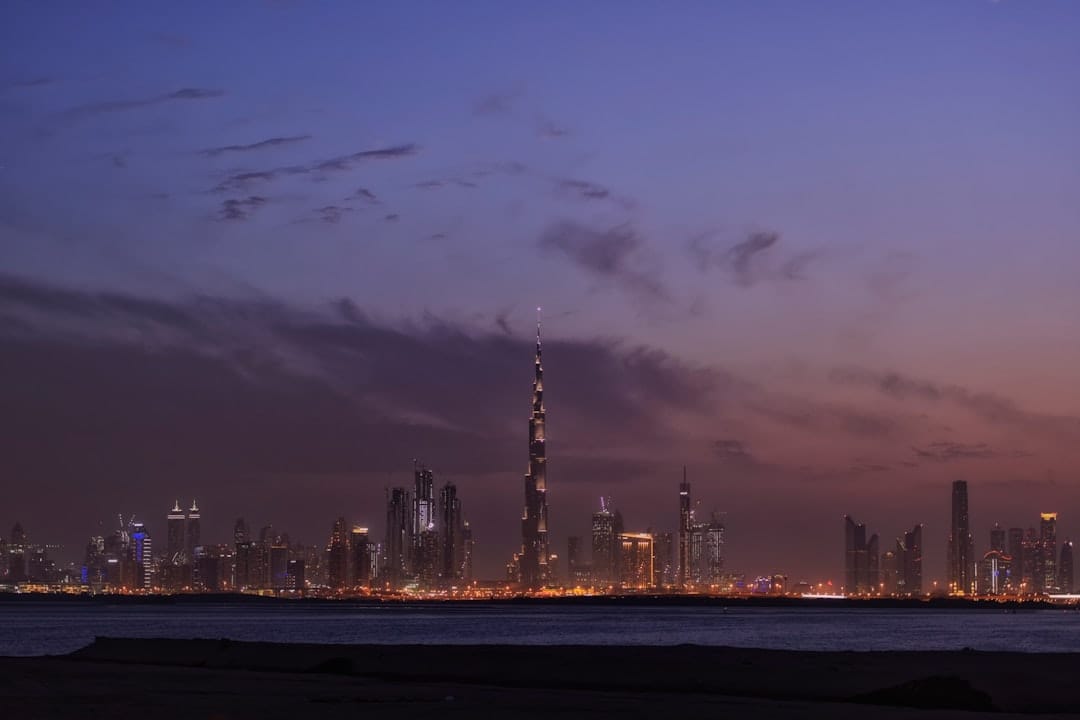
Dubai, UAE, MMN Correspondent: What does the next era of Middle East hospitality look like? The answer will take shape at Arabian Travel Market 2026, where the region’s hotel leaders, investors and technology pioneers gather from 14 to 17 September at Dubai World Trade Centre. The theme “Travel 2040: Driving New Frontiers Through Innovation and Technology” signals just how far the industry has come.
The Middle East has quietly become one of the world’s most compelling hospitality stories. Government-backed tourism strategies, bold destination development and strong international air links have turned the region into a global meeting point for leisure and business travellers. The UAE, Saudi Arabia and Egypt stand out, each with massive infrastructure investment and a widening range of cultural, entertainment and heritage offerings.
Haitham Mattar, Managing Director for India, Middle East and Africa at IHG Hotels & Resorts, puts it plainly: “We’re extremely confident about the Middle East. It’s one of the fastest-growing tourism regions around the world. We’ve seen continued growth linked to the investment being made in tourism, whether it’s in the UAE, Saudi Arabia or Egypt. These are long-term investments, and that’s what gives us confidence in our people, our owners, our products and our brands across this diverse and complex region.”
That confidence is not misplaced. Tourism is now a pillar of national diversification plans across the region. Saudi Arabia’s Vision 2030 targets 150 million visits by the end of the decade. The UAE continues to strengthen its gateway status. Egypt is developing coastal destinations and expanding its heritage tourism appeal. For investors and operators, these long-term commitments create a stable foundation for growth.
And a deeper shift is underway. Travellers today are not simply looking for a room. They want a story worth telling. Gastronomy, outdoor adventure, wellness, culture and heritage now rank among the primary motivations for travel. As Mattar says, “No two travellers are the same. People are no longer simply looking for a room; they're looking for experiences. Whether it's gastronomy, outdoor adventure, wellness, culture or heritage, these experiences have become major motivators for travel. Hotels are responding by becoming experts in creating and recommending experiences that are authentic and meaningful.”
This shift is reshaping hotel business models. Operators are investing in asset repositioning, wellness-focused concepts, branded residences and mixed-use developments. The goal is to create resilient income streams and durable value. Experience-led programming is now a core strategy, with hotels designing stays around local character, culinary excellence and memorable activities. That approach helps a property stand out in a dynamic market while delivering strong long-term performance.
ATM 2026 will dedicate serious stage time to these themes. On the Global Stage, the session “Does the Hospitality Industry Need Reinventing?” will ask how operators are responding to a new phase of commercial recalibration. Amir Golbarg, Chief Operating Officer of Minor Hotels, joins the conversation. Expect to hear about asset repositioning, wellness, branded residences, mixed-use developments and experience-led programming. The session will also look at how investment priorities are shaping future commercial strategies.
The Future Stage will host “Decoding Hospitality Growth: What Do Today’s Travellers Want?”, a session focused on the needs of modern visitors. Speakers include Hala Matar Choufany, President MEA and South Asia at HVS; Justin Reid, Senior Director of Global Partnerships at Tripadvisor; Jad Shamseddin, Chief Operating Officer of Aleph Hospitality; and Sarah Duignan, Director of Client Relationships at STR. The panel will explore how hotels are combining wellness, culture, connection and value to create personalised experiences for travellers with multiple motivations.
Danielle Curtis, Regional Portfolio Director for the UAE at RX Global, sets the tone: “These insights reflect many of the trends shaping the global hospitality industry today. Across the Middle East, investment continues to accelerate while traveller expectations are becoming increasingly experience-led, personalised and wellness-focused. Through a range of dedicated sessions, ATM provides a platform for the industry's leading voices to explore these changes, share practical strategies and build the partnerships that will drive the future of hospitality.”
Technology will play a central role in making these experiences happen. ATM Travel Tech, a co-located event for travel technology, will showcase innovations like AI-powered personalisation, predictive guest services, robotics, immersive experiences and smart hospitality solutions. These tools improve operational efficiency and help hotels anticipate what guests need before they ask. The result is a stay that feels intuitive, seamless and deeply personal.
The list of participating brands reads like a who’s who of global hospitality. IHG Hotels & Resorts, Accor, Minor Hotels, Rotana, Hilton, Jumeirah, Mandarin Oriental, Four Seasons Hotels and Resorts, Rixos Hotels and Sofitel will all be in Dubai, joined by destinations, tourism authorities and technology providers from around the world. Their presence underscores the Middle East’s strategic importance as a hub for investment, partnership and expansion.
Sustainability is woven into the growth story. Hotel operators are paying close attention to environmental impact, local communities and cultural preservation. Eco-friendly building design, responsible sourcing and culturally authentic guest programmes are becoming common practice. The industry is showing that commercial success and social responsibility can move forward together.
The region’s hospitality sector has plenty of momentum. Occupancy rates in major cities have bounced back, new hotel supply is opening, and investment flows into tourism infrastructure remain robust. The Middle East has proven it can welcome large numbers of international visitors while also diversifying the source markets it serves. That balance is a sign of maturity.
ATM 2026 comes at exactly the right moment. With a focused conference programme, a strong exhibition floor and a dedicated technology event, the show brings together the decision-makers defining the next chapter of global tourism. For hotel owners, investors and operators, the message is clear: optimism and adaptation.
The industry is not waiting for demand to return. It is actively redefining hospitality around guest experience, technological innovation and durable investment. As the Middle East prepares to host the world at ATM 2026, the direction is unmistakable. The future of hospitality belongs to experiences that are meaningful, authentic and built to last.
Related in Global Trend
Politics
Europe's Competitiveness Comeback: 6 Battlegrounds Every Business Leader Must Watch
What happens when the old economic certainties fade? You build new ones. Ursula von der Leyen took the stage at La Rencontre des Entrepreneurs de France, held at Roland Garros, and delivered a straightforward message to business leaders: Europe will produce, invest and protect.…
Read More...
Scientific Research
See the Ocean Breathe: Sentinel-6B Tracks El Niño and Rising Sea Levels Across 90% of Earth
. Hundreds of miles above Earth, satellites are watching the ocean breathe. The surface rises and falls with warmth, and those small changes tell a huge story about the planet. Sentinel-6B joined that story in November 2025, and it is already showing what a single satellite can…
Read More...
Politics
Europeans, Electrification Is Europe's Way Out After Two Energy Crises. Here's the 46% by 2040 Plan
Can Europe ever feel truly secure about its energy future? After two major energy crises in five years, that question is front and center. European Commission President Ursula von der Leyen used her video address to the Offshore Northern Seas conference in Stavanger to deliver a…
Read More...
Politics
European Commission’s Major Decisions: €4.5M Fuel Aid, Pratt & Whitney Case, LNG Shipping, Ukraine’s 35th Independence Day – What They Mean for You
One decision could ease the pressure on fishing businesses dealing with expensive fuel. Another might give aircraft maintenance providers more freedom to source used parts. Then there’s a new LNG shipping venture, a day of remembrance, and a huge vote of confidence in Ukraine. A…
Read More...
Global Trend
EPAC 2026 Enrolment Open Until 15 September: Which Modular Patent Administration Exam Module Will You Pass First?
The next European Patent Administration Certification (EPAC) examination is set for 5 November 2026, with enrolment open until 15 September. This year brings a major change. The examination is fully modular. Each successfully completed module leads to an EPO Diploma, and candida…
Read More...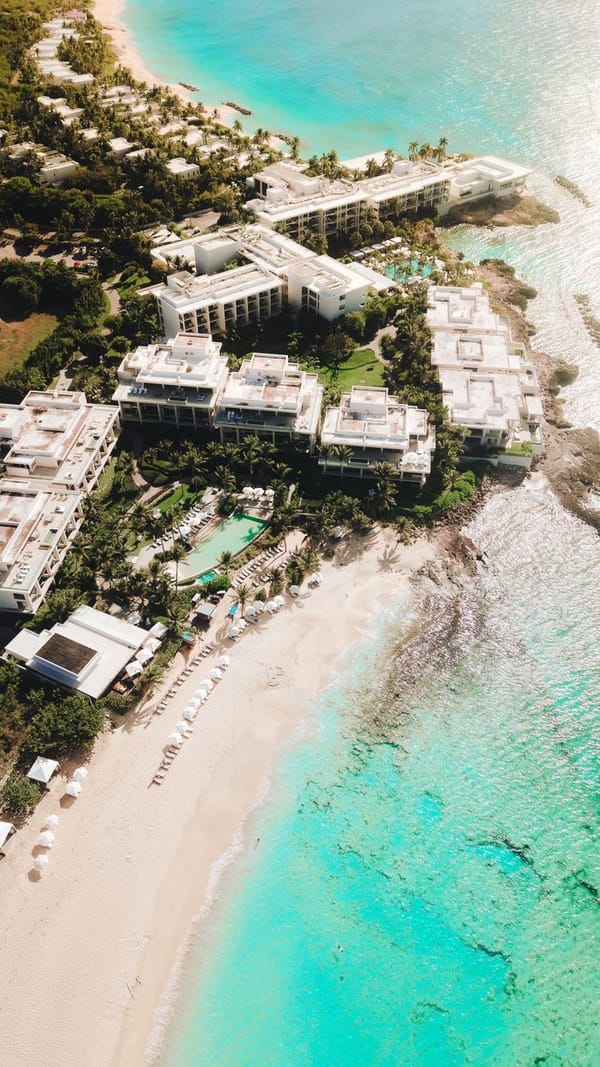
Global Trend
Planning a Festive Escape? Anguilla Named No. 1 Caribbean Destination for 2026 by Virtuoso
If you are planning a festive escape, this is a name you need to know. Virtuoso has just placed Anguilla at the top of the Caribbean for festive travel, and the news carries serious weight. The island is now ranked No. 1 in the region and No. 3 globally for the 2026 holiday seas…
Read More...
Global Trend
Canada in Autumn: 5 Quaint Towns, Harvest Festivals, and Food Trails You'll Want to Explore This Fall
Autumn in Canada shows up with arms full of red and gold. The nights get cooler, the air smells like wood smoke, and small towns suddenly have something to celebrate. If you're planning a fall trip, this is the season to hit the road and explore vineyards, harbours, farm fields,…
Read More...
Global Trend
Where Do $40 Billion in Caribbean Tourism Dollars Really Go? CHTA and FIU Launch Landmark Study
Tourism has long been the beating heart of the Caribbean economy. A pressing question continues to hover over the region: how much of the money visitors spend actually stays in Caribbean communities? A new partnership between the Caribbean Hotel and Tourism Association (CHTA) an…
Read More...
Global Trend
Discover Ancient Blessings and Modern Elephant Science at World Elephant Day 2026 in Thailand’s Golden Triangle
World Elephant Day has become one of the most important dates on the conservation calendar. Every 12 August, the global community looks closely at the challenges elephants face and the people who care for them. In 2026, Anantara Golden Triangle Elephant Camp & Resort turned the…
Read More...
Global Trend
Here's What 250 Days at Sea Mean for USS Abraham Lincoln's 5,000 Sailors: Food Shortages, Broken Toilets, and No End Date
Imagine a floating city with 5,000 people on board, hundreds of aircraft, and no port in sight. That has been daily life for the crew of the USS Abraham Lincoln for more than 250 days. The carrier left California in November with an initial destination of the South China Sea. In…
Read More...