
Discover Ancient Blessings and Modern Elephant Science at World Elephant Day 2026 in Thailand’s Golden Triangle
We compile, generate and translate using Artificial Intelligence from the below given source. Macro Micro News is responsible for its editorial publication.
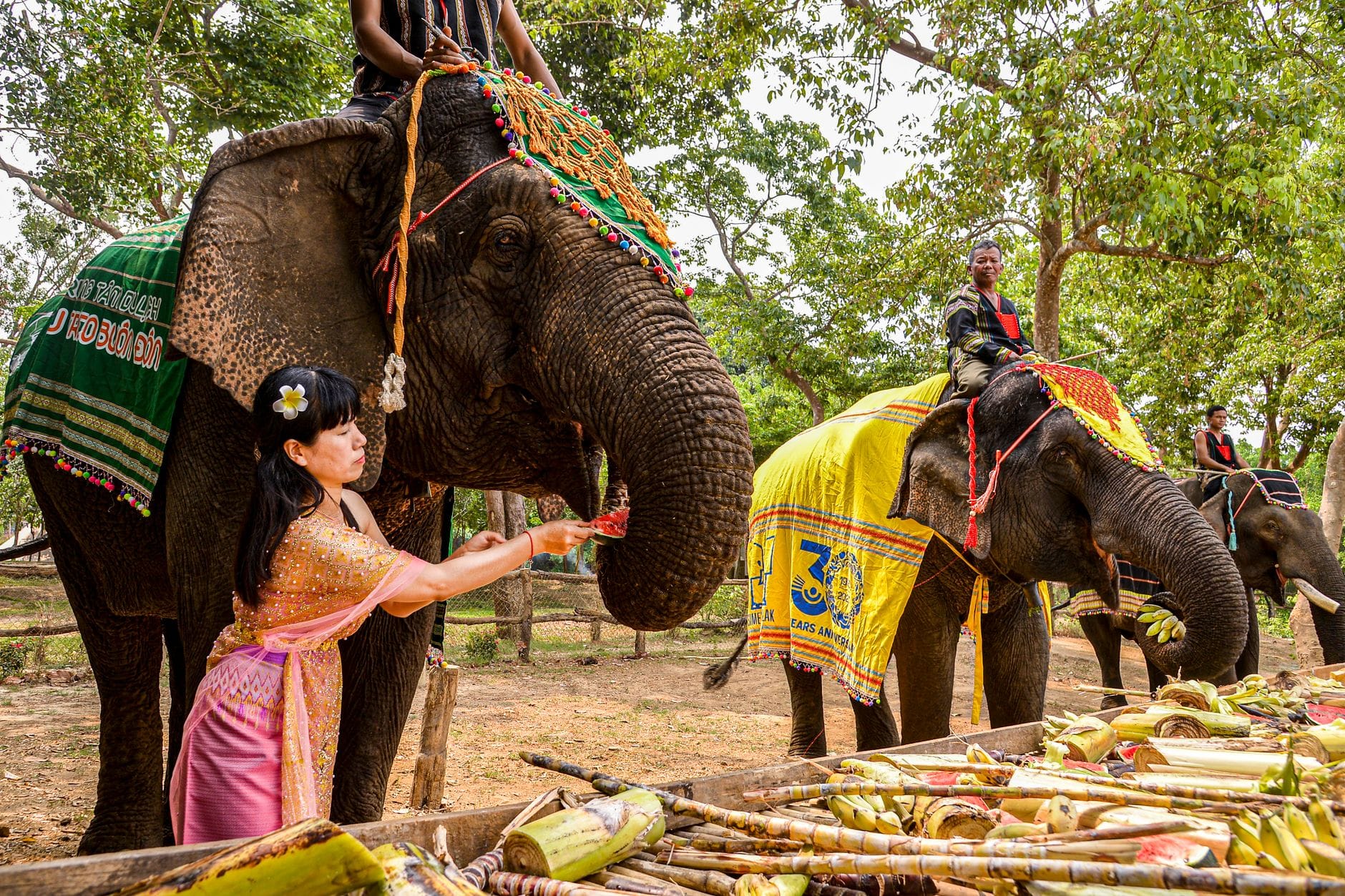
Chiang Rai, Thailand, MMN Correspondent: World Elephant Day has become one of the most important dates on the conservation calendar. Every 12 August, the global community looks closely at the challenges elephants face and the people who care for them. In 2026, Anantara Golden Triangle Elephant Camp & Resort turned the day into a distinctive experience that brought culture, welfare and science to the same table. What does responsible elephant care look like? This event offered a living answer.
The programme was organised with the Golden Triangle Asian Elephant Foundation, known as GTAEF. Guests, resort team members and their families gathered for a full day of discovery. The theme was clear: understanding elephants is the first step toward protecting them.
Thailand’s relationship with elephants runs deep. The elephant is a national symbol, woven into royal, religious and rural life. The date 12 August also carries special meaning as National Mother’s Day in Thailand. This double significance allowed the resort to honour the families who support conservation in a very Thai and very human way.
The morning opened at the Elephant Camp with a Pakham Ceremony. This traditional blessing honours the bond between elephants, mahouts and the communities that have kept elephants for generations. The ritual comes from the Kui people, an ethnic group with a long history of elephant keeping in mainland Southeast Asia. Through prayers and offerings, participants ask ancestral guardian spirits to protect the health, harmony and prosperity of both elephants and caretakers. For those watching, it was a powerful reminder that elephants have been trusted partners to humans for far longer than any modern sanctuary has existed.
From there, the group moved to Jungle Bubble Lodge for an activity that looked like a celebration and worked like a classroom. Participants prepared a special cake using fresh fruits, vegetables and other elephant friendly ingredients. The elephants made their choices clear as they approached the colourful buffet. Watching them, visitors learned about nutrition, feeding behaviour and the importance of enrichment. The cake was a treat with a purpose. It allowed the elephants to forage naturally and gave people a close view of each animal’s personality and social dynamics.
Jean Marc Pougnet, General Manager of Anantara Golden Triangle Elephant Camp & Resort, explained the spirit of the day. “World Elephant Day gives us an important opportunity to bring together culture, learning and conservation in a way that is meaningful for our guests, our team and their families. Our aim is to bring people closer to elephants and to encourage a deeper understanding of their needs, the role of their caretakers and the knowledge required to support their long-term welfare.”
The afternoon brought an even sharper focus on science. Team members and their families gathered at Suan Sai Jai to meet the elephants before joining live research demonstrations at the Elephant Camp. These sessions offered a rare look at ongoing projects and behavioural studies. Visitors saw how scientists track social interactions, monitor individual welfare and create enrichment strategies. A closing discussion led by the elephant research team explored current conservation challenges and the future of elephants in Thailand. By welcoming the people who live and work at the resort into the research, the event made conservation feel personal and practical.
John Roberts, Group Director of Sustainability & Conservation at Minor Hotels, talked about why research matters. “Good intentions need to be supported by evidence. By making elephant research accessible through live demonstrations and discussion, we can help people understand how behavioural science and welfare studies translate into better care. Traditions such as the Pakham Ceremony remind us that elephants are also deeply connected to the cultures and communities that have lived alongside them for generations.”
The celebration also reflected a major shift in ethical elephant tourism. Thailand’s relationship with captive elephants changed dramatically after the country banned logging in 1989. Thousands of elephants lost their traditional jobs in the timber industry. Some were taken to city streets, while others ended up in riding camps and entertainment venues. In response, conservation groups and responsible tourism operators created sanctuaries where elephants could live with less stress and more natural behaviour. The work at Anantara Golden Triangle and GTAEF is part of that transformation.
GTAEF has long provided a home for elephants in need and supports the mahouts who care for them. The foundation’s partnership with the resort shows how tourism can act as a positive force. Revenue from ethical elephant encounters and resort stays supports the foundation’s mission, while guests leave with a richer understanding of elephant behaviour, diet and welfare. This is travel that teaches and protects at the same time.
The location added another layer of meaning. Anantara Golden Triangle sits in Chiang Rai province, where Thailand meets Laos and Myanmar. This area has historical ties to the timber industry and traditional elephant keeping, so it is a natural setting for conversations about what lies ahead. The surrounding forested hills and river valleys serve as a reminder of the habitats elephants need and why connecting those habitats is so important.
There is still work to do. The Asian elephant is listed as Endangered by the International Union for Conservation of Nature. Wild populations are spread across 13 countries. In Thailand, an estimated 3,000 to 4,000 elephants live in the wild, and a similar number live under human care. Habitat loss, human-elephant conflict and the illegal wildlife trade continue to demand attention. Protecting forest corridors, reducing conflict and improving the lives of captive elephants are all essential steps.
World Elephant Day was launched in 2012 to draw attention to the urgent situation facing Asian and African elephants. Since then, it has grown into a worldwide movement supported by conservation groups, scientists, tourism operators and wildlife advocates. For the team at Anantara Golden Triangle, the day is a chance to show that protecting elephants involves rescue and care, along with cultural knowledge, community support and evidence-based research.
The 2026 programme combined all these pieces in one memorable day. A morning blessing honoured the ancestral ties between people and elephants. A cake making activity turned lunch into a lesson on animal welfare. Afternoon research demonstrations made science accessible. A closing discussion invited everyone to think about the future. In every moment, tradition and knowledge worked together.
The inclusive spirit of the event stood out. Team members and their families joined the activities because the people behind the resort are essential to its conservation mission. Children and local staff moved through the programme side by side with guests. That mix helped reinforce a simple idea: protecting elephants is a community responsibility that spans generations. The more people learn about elephant biology and culture, the stronger their commitment becomes.
World Elephant Day 2026 at Anantara Golden Triangle offered a view of what responsible tourism can look like when culture, science and hospitality converge. The day had plenty of joy, food and celebration. The larger message was serious. Elephants need protectors, and good protection draws from both respect for tradition and evidence-based research. In the forests of Northern Thailand, the event was a tribute to a beloved animal and a commitment to keeping elephants close to human life for generations to come.
Related in Global Trend

Politics
Europe's Competitiveness Comeback: 6 Battlegrounds Every Business Leader Must Watch
What happens when the old economic certainties fade? You build new ones. Ursula von der Leyen took the stage at La Rencontre des Entrepreneurs de France, held at Roland Garros, and delivered a straightforward message to business leaders: Europe will produce, invest and protect.…
Read More...
Scientific Research
See the Ocean Breathe: Sentinel-6B Tracks El Niño and Rising Sea Levels Across 90% of Earth
. Hundreds of miles above Earth, satellites are watching the ocean breathe. The surface rises and falls with warmth, and those small changes tell a huge story about the planet. Sentinel-6B joined that story in November 2025, and it is already showing what a single satellite can…
Read More...
Politics
Europeans, Electrification Is Europe's Way Out After Two Energy Crises. Here's the 46% by 2040 Plan
Can Europe ever feel truly secure about its energy future? After two major energy crises in five years, that question is front and center. European Commission President Ursula von der Leyen used her video address to the Offshore Northern Seas conference in Stavanger to deliver a…
Read More...
Politics
European Commission’s Major Decisions: €4.5M Fuel Aid, Pratt & Whitney Case, LNG Shipping, Ukraine’s 35th Independence Day – What They Mean for You
One decision could ease the pressure on fishing businesses dealing with expensive fuel. Another might give aircraft maintenance providers more freedom to source used parts. Then there’s a new LNG shipping venture, a day of remembrance, and a huge vote of confidence in Ukraine. A…
Read More...
Global Trend
EPAC 2026 Enrolment Open Until 15 September: Which Modular Patent Administration Exam Module Will You Pass First?
The next European Patent Administration Certification (EPAC) examination is set for 5 November 2026, with enrolment open until 15 September. This year brings a major change. The examination is fully modular. Each successfully completed module leads to an EPO Diploma, and candida…
Read More...
Global Trend
ATM 2026: Experience-Led Growth Is Transforming Middle East Hospitality. Are You Ready?
What does the next era of Middle East hospitality look like? The answer will take shape at Arabian Travel Market 2026, where the region’s hotel leaders, investors and technology pioneers gather from 14 to 17 September at Dubai World Trade Centre. The theme “Travel 2040: Driving…
Read More...
Global Trend
Planning a Festive Escape? Anguilla Named No. 1 Caribbean Destination for 2026 by Virtuoso
If you are planning a festive escape, this is a name you need to know. Virtuoso has just placed Anguilla at the top of the Caribbean for festive travel, and the news carries serious weight. The island is now ranked No. 1 in the region and No. 3 globally for the 2026 holiday seas…
Read More...
Global Trend
Canada in Autumn: 5 Quaint Towns, Harvest Festivals, and Food Trails You'll Want to Explore This Fall
Autumn in Canada shows up with arms full of red and gold. The nights get cooler, the air smells like wood smoke, and small towns suddenly have something to celebrate. If you're planning a fall trip, this is the season to hit the road and explore vineyards, harbours, farm fields,…
Read More...
Global Trend
Where Do $40 Billion in Caribbean Tourism Dollars Really Go? CHTA and FIU Launch Landmark Study
Tourism has long been the beating heart of the Caribbean economy. A pressing question continues to hover over the region: how much of the money visitors spend actually stays in Caribbean communities? A new partnership between the Caribbean Hotel and Tourism Association (CHTA) an…
Read More...
Global Trend
Here's What 250 Days at Sea Mean for USS Abraham Lincoln's 5,000 Sailors: Food Shortages, Broken Toilets, and No End Date
Imagine a floating city with 5,000 people on board, hundreds of aircraft, and no port in sight. That has been daily life for the crew of the USS Abraham Lincoln for more than 250 days. The carrier left California in November with an initial destination of the South China Sea. In…
Read More...