
Bose Is Now a Record Label and Film Studio: What This Means for the Future of Audio
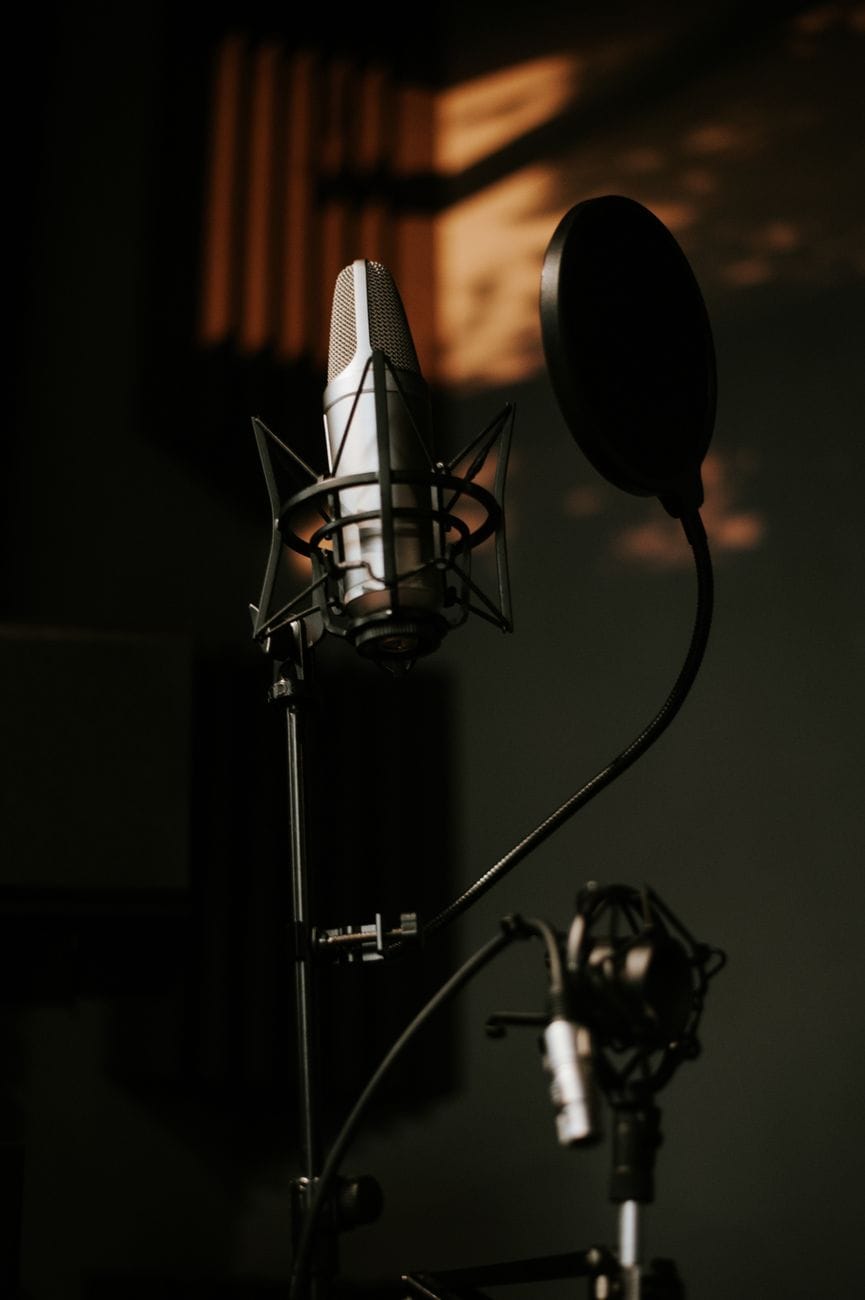
Framingham, Massachusetts, MMN Correspondent: Bose, the company synonymous with noise-canceling headphones and premium speakers, just made a move that has the entertainment industry leaning in. The audio giant has launched Bose Studios, a new division that operates as a record label, podcast network, and film production house. This is not a side project. It is a deliberate strategy to shift from being a hardware company to a media creator.
What does a speaker maker know about breaking artists or producing films? That is the question buzzing through boardrooms and creative studios alike. Bose is betting that its deep understanding of sound gives it a unique vantage point in a crowded content landscape. Instead of just selling the device you listen on, Bose wants to shape what you listen to.
The first piece of this puzzle is Bose Records. The label is designed to support emerging and overlooked artists. In a refreshing departure from industry norms, Bose does not take ownership of the artists’ masters or claim a cut from streaming revenue or sales. The financial model is different. Bose earns back its investment by using the music in its own advertisements and branded content. This creates a closed loop where the company’s marketing budget effectively funds artist development.
This approach raises an interesting tension. On one hand, artists get to keep their rights and creative control. On the other hand, the label’s success depends entirely on how well Bose can integrate that music into its own storytelling. It is a model that prioritizes internal use over external chart performance. For an artist looking for exposure without giving up ownership, this could be a compelling offer. For the industry, it is a test of whether a brand can sustain a label without traditional revenue streams like licensing or distribution deals.
Bose is not stopping at music. The company has plans for a podcast network and original film productions. Imagine a short film series where Bose products appear naturally in the narrative, accompanied by a soundtrack from Bose Records and a companion podcast that unpacks the themes. This is the kind of vertically integrated media ecosystem Bose is building. It mirrors what Apple did with iTunes, Apple TV+, and its device ecosystem, but with a tighter focus on audio quality and brand immersion.
Jim Mollica, Bose’s Chief Marketing Officer, describes this as a shift away from traditional campaign driven advertising toward content led storytelling. Instead of interrupting people with ads, Bose wants to create content that people choose to engage with. This aligns with a broader trend where brands become publishers and studios. Red Bull built a media empire around extreme sports and lifestyle content. Patagonia produces documentaries about environmental activism. Bose is now trying to do the same with sound.
The company’s core strength remains its audio technology. Bose holds a vast library of patents in signal processing, spatial audio, and noise cancellation. These technologies could give its media content a distinctive edge. Imagine a podcast mixed in immersive spatial audio or a film with a soundscape designed specifically for Bose headphones. That is a value proposition that streaming platforms like Spotify or Netflix cannot easily replicate.
Still, the path forward requires more than technical prowess. Building a record label demands A&R instincts, artist relationships, and a deep understanding of music culture. Producing films requires narrative vision, directing talent, and distribution know how. These are areas where Bose has little public track record. The company will need to attract creative leaders who can bridge the gap between engineering culture and artistic sensibility.
The competitive landscape for music discovery is more crowded than ever. TikTok, Spotify, and YouTube have democratized access to audiences. Bedroom producers can release music that reaches millions without a label. In this environment, Bose’s role is not to replace existing platforms but to offer a different kind of partnership. One where artists retain ownership and gain access to high quality production resources and brand visibility.
History offers examples of brands that successfully crossed into media. Red Bull’s media arm produces award winning documentaries and sponsors global events. Yet Red Bull built its credibility over decades by engaging authentically with niche communities. Bose has a different starting point. Its reputation is built on engineering excellence and product reliability. The challenge is to translate that trust into cultural relevance without feeling like a corporate intrusion.
There is also the question of scale. Independent labels like Sub Pop and XL Recordings have spent years cultivating artist rosters and building distribution networks. Bose enters the space with a clean slate and a different set of priorities. Its success will depend on whether it can attract talent that values creative freedom over traditional label support. Early signals suggest the company is willing to experiment with flexible deal structures that prioritize artist autonomy.
From a business perspective, this venture is a long term bet. Bose is not expecting immediate returns from record sales or box office revenue. The value comes from brand differentiation, customer loyalty, and the ability to create cultural moments that resonate with audiences. In an era where attention is the most valuable currency, owning the content that captures that attention is a strategic advantage.
The coming years will reveal whether Bose can become a credible media player. The company has the audio expertise, the brand recognition, and the financial resources to make a serious attempt. What remains to be seen is whether it can tell stories that people actually want to hear. For now, the industry is watching with curiosity. A speaker maker turned record label and film studio is not something you see every day. And that alone makes this one of the most interesting experiments in modern media.
Related in Gadgets

Gadgets
How a Fake Cease-and-Desist Letter Targeted Flock Safety: What It Reveals About Trust in Surveillance Tech
In July 2026, a single image sent social media into a frenzy. A cease-and-desist letter, supposedly from Flock Safety, was circulating fast. It claimed the company had ordered a public lecture series in Newport Beach to stop discussing its surveillance technology. The post came…
Read More...
Gadgets
Microsoft’s Carbon Footprint Jumps 25%: What AI’s Energy Hunger Means for Your Digital Future
Microsoft just dropped a number that’s turning heads in the tech world: a 25% spike in carbon emissions for 2025. That’s 34 million metric tons of CO₂ equivalent, and it’s not a small blip. It’s a direct signal that the race to build smarter AI is colliding with the planet’s lim…
Read More...
Gadgets
7 Ways Meta's Always-On Smart Glasses Could Change How You Remember Everything
Imagine a pair of glasses that quietly listens to your conversations, notes the faces you meet, and remembers where you left your keys without you ever asking. Meta is reportedly building exactly that: a new generation of smart glasses designed to run in an always-on mode, captu…
Read More...
Gadgets
Meta Smart Glasses Update: Camera Disabled Instantly If Privacy Light Is Blocked or Removed
Imagine you are wearing a pair of smart glasses that can record video with a simple tap. Now imagine someone nearby covers the tiny light that tells you the camera is on. Until recently, that was possible. But Meta just changed the rules. The company has released a new software…
Read More...
Gadgets
Hoto PixelDrive Cordless Screwdriver Hits $60: The Smart Tool DIYers Have Been Waiting For
If you have ever struggled with a stubborn screw in a dark corner or stripped the head of a tiny fastener while assembling furniture, you know the frustration. The Hoto PixelDrive cordless screwdriver is now available for $59.99, down from its usual $80. This is the first time i…
Read More...
Gadgets
Inside the $75,000 AI Schools Where Your Child Becomes a Beta Tester for Tomorrow's Learning
Walk into an Alpha School classroom, and you won't see a teacher at the front of the room. Instead, you will find rows of students wearing lightweight headsets, their eyes fixed on adaptive screens that shift content in real time based on their facial expressions and response sp…
Read More...
Gadgets
Can a Space Tug Save NASA’s Swift Observatory Before It Burns Up? The 9-Month Rescue Mission You Need to Know About
Imagine a satellite that has spent more than two decades unraveling the universe’s most violent explosions. Now imagine it’s falling. That’s the reality NASA faced earlier this year when the Swift Observatory, a workhorse of astrophysics, began a slow but steady descent toward E…
Read More...
Gadgets
Amazon Fire HD 10 Just Got Faster: 4GB RAM Upgrade in 2026 – What It Means for You
If you have been eyeing a budget tablet that can keep up with your daily multitasking, Amazon just gave you a reason to pay closer attention. In a move that flew under the radar, the company quietly boosted the RAM on its popular Fire HD 10 from 3GB to 4GB. This change, confirme…
Read More...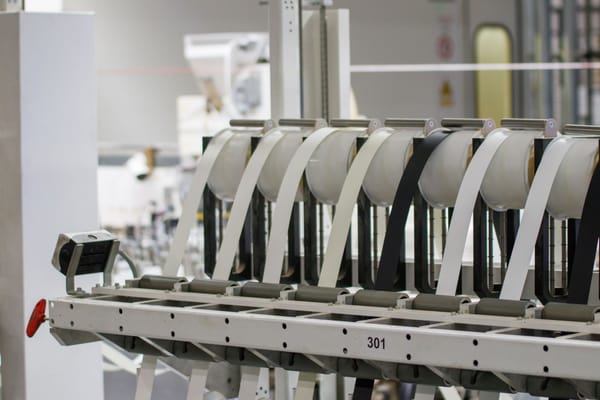
Gadgets
From 600,000 Discs a Day to Microlenses: What Sony’s Austrian Factory Pivot Means for AR, Cars, and Your Future
Imagine a factory that once stamped out 600,000 PlayStation discs every single day. Now imagine that same facility, just a few years later, shaping tiny lenses that bend light for self-driving cars and augmented reality glasses. That’s exactly what’s happening in Thalgau, Austri…
Read More...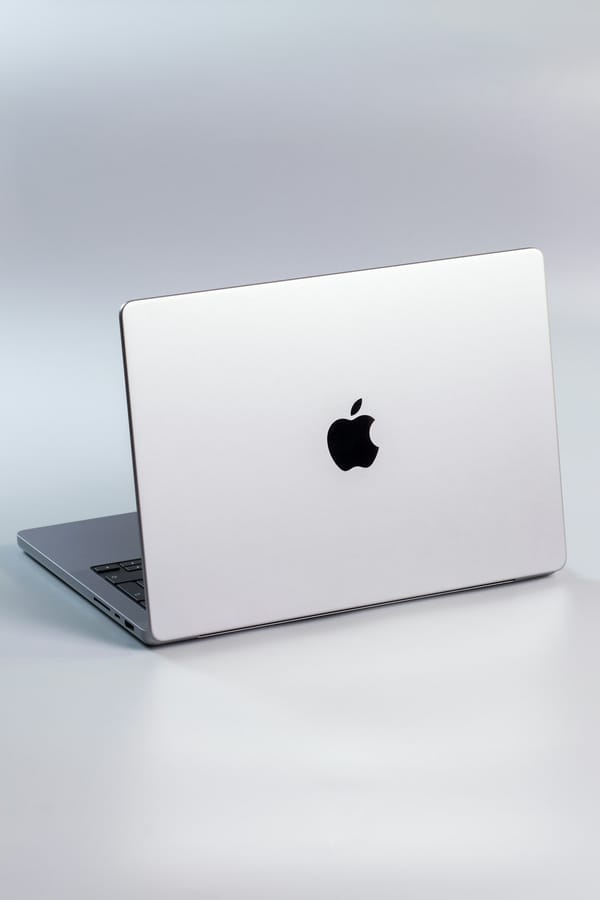
Gadgets
Apple’s 2027 MacBook Pro: Touchscreen, M7 Chip, and a Design Shift You’ll Want to See
Apple is quietly preparing to rewrite the rules for its entry-level MacBook Pro. If the latest reports from industry insiders hold true, the laptop you might buy in 2027 will look, feel, and behave nothing like the one on shelves today. The company is planning a complete overhau…
Read More...