
Can Brazil’s World Cup Dream Survive Without a Team? Vinicius Jr’s Equaliser Raises the Big Question
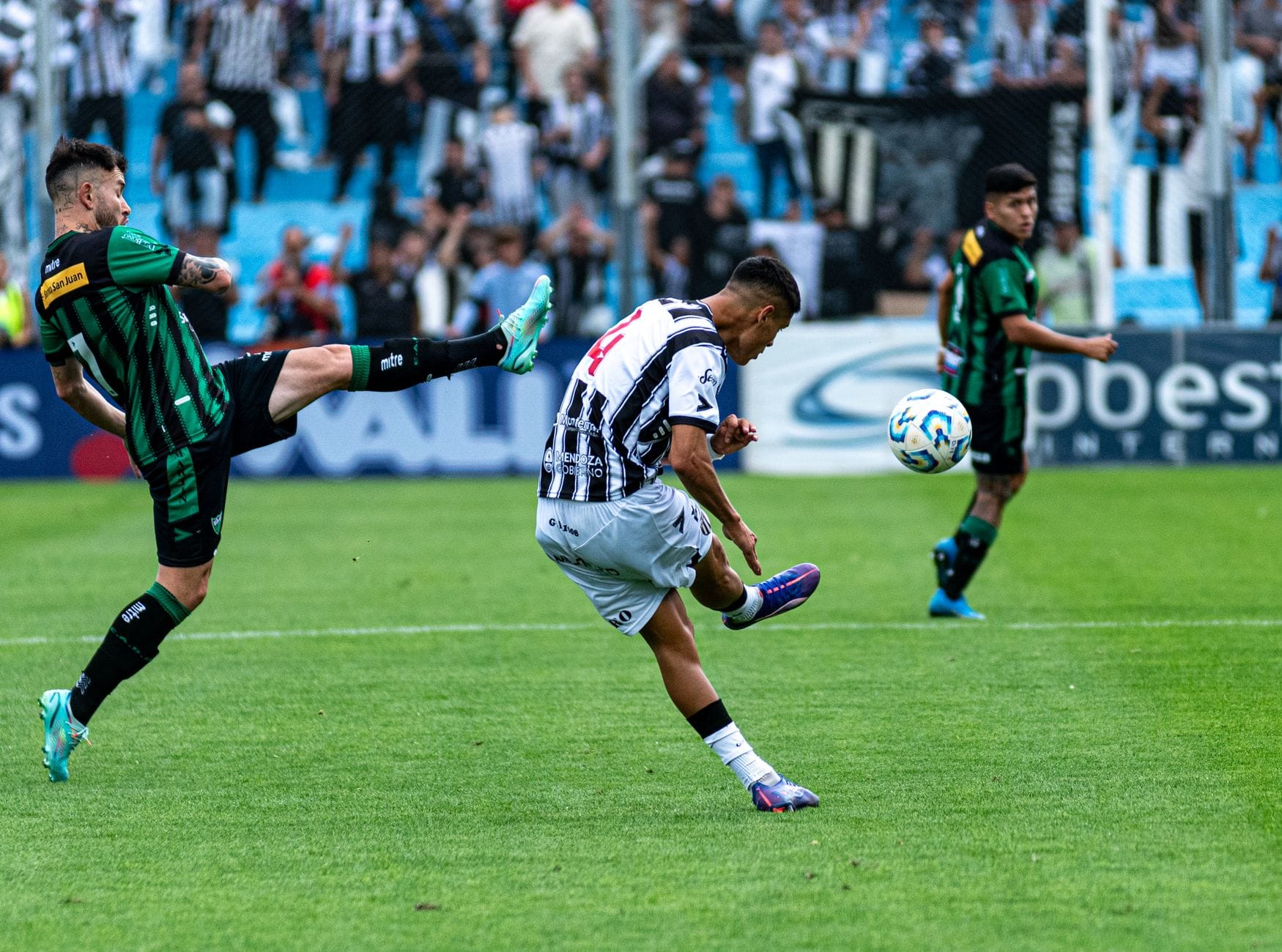
New Jersey–New York Stadium, MMN Correspondent: The heat was brutal. The pressure was suffocating. And for 70 minutes, Brazil looked like a team that had forgotten how to play together. Then Vinicius Jr did what Vinicius Jr does. He took a pass from Bruno Guimarães on the left, cut inside, and unleashed a curling rocket that kissed the top corner of the net. The stadium erupted. The five-time champions had avoided their first opening-game defeat since 1934. But here’s the question nobody wants to answer yet: what happens when the magic runs out?
Morocco came to play. Ismael Saibari’s first-half goal was no fluke. The Atlas Lions pressed high, broke Brazil’s midfield lines, and exposed a team that looked disjointed from the first whistle. Casemiro, at 34, was subbed at halftime. Roger Ibanez limped off with an injury. The passing was sloppy. The rhythm was missing. And under the sweltering New Jersey sun, Brazil’s famous yellow shirts looked more like a collection of stars than a cohesive unit.
That’s where Vinicius stepped in. His equaliser wasn’t just a goal. It was a statement. BBC commentators called it a “lightning bolt.” Fans called it a lifeline. But here’s the thing about lightning bolts: they’re rare. They don’t build a campaign. They don’t fix a midfield that lacks a natural ball-winner. They don’t solve the fact that Brazil has been searching for a tactical identity since 2002.
Alan Shearer called the performance “ragged.” Tim Vickery pointed out a pattern that’s becoming hard to ignore: “Ideally you want the team to make the stars. Here you have a case of the star saving the team.” That’s not a sustainable model. Not in a World Cup. Not when you’re facing teams that know how to press, how to organize, and how to exploit gaps between your lines.
Enter Carlo Ancelotti. The first foreign coach to lead Brazil at a World Cup. At 67, with five Champions League titles on his resume, he’s seen it all. But his debut ended in a draw that felt like a loss. In the press conference, he did something rare: he apologized. “I am sorry we didn’t play as well as we hoped,” he said. “We have to do better.” That honesty is refreshing. But it also reveals the scale of the challenge.
Brazil’s qualifying campaign was a mess. Six defeats in 18 qualifiers. Fifth place in South America. Three wins in eight games. The fact that they even made it to the tournament was a minor miracle. Ancelotti was brought in to bring discipline and tactical sophistication. But one game in, the cracks are still visible. The squad is heavy on wingers—Vinicius, Neymar (injured), Raphinha—but light on midfield anchors. Against Morocco, that imbalance was glaring.
Still, there’s reason for optimism. Vinicius scored his 10th goal for Brazil, three of them on U.S. soil. He’s growing into a leader. Before the match, he said, “I am not here to be the best player of the tournament. I am here to help Brazil get back to the top.” That’s the kind of mindset that can shift a team’s culture. His chemistry with Bruno Guimarães and Lucas Paquetá is developing. And with Haiti and Scotland coming up, the group stage is still very much winnable.
The expanded 48-team format gives Brazil room to breathe. Argentina stumbled against Saudi Arabia in Qatar and still won the whole thing. That’s a blueprint for redemption. But it’s also a warning. One moment of brilliance can save a game. It can’t save a campaign. The road to glory in 2026 isn’t built on isolated magic. It’s built on consistency, unity, and tactical evolution.
For now, the focus is on Vinicius. Not just as a scorer, but as a symbol. His goal was a reminder of what Brazil can be. The question is whether they can become that team consistently. The answer will define their World Cup. And maybe their future.
Related in Sport

Sport
How Dubai Basketball Won the ABA League in Just Two Seasons: Inside the Partnership That Made It Possible
When Dubai Basketball lifted the ABA League trophy after only its second season, the basketball world took notice. But the story behind that trophy is bigger than any single game or player. It is a story about what happens when a city’s ambition meets a partner that moves mounta…
Read More...
Sport
From Career-Threatening Injury to World Cup Hero: How Mikel Merino Became Spain’s Clutch Performer in 2026
Imagine being told you might never play football again. Then imagine stepping onto the world’s biggest stage months later and scoring the goals that carry your country to the semi finals. That is the reality for Mikel Merino, the Arsenal midfielder who has quietly become the mos…
Read More...
Sport
Can France’s 2026 World Cup Squad Become the Greatest Team in History?
What does it take to build a football dynasty? France is giving the world a masterclass answer right now. With a commanding 2-0 victory over Morocco in Boston, Les Bleus have become the first team to lock in a semi final spot at the 2026 FIFA World Cup. They are chasing a third…
Read More...
Sport
Will France Survive Morocco’s Challenge? 4 Quarter-Final Predictions That Could Reshape the World Cup
The 2026 FIFA World Cup quarter-finals are here, and the tension is almost unbearable. Four matches stand between eight teams and a shot at glory. Every pass, every tackle, every decision could rewrite football history. Among the most anticipated battles is France versus Morocco…
Read More...
Sport
How Gregor Kobel’s Three Saves Sent Switzerland to the 2026 World Cup Quarter Finals
What happens when a team’s entire World Cup dream rests on one goalkeeper’s reflexes? You get the kind of night that turns a quiet Swiss shot stopper into a national legend. Switzerland’s 2026 campaign just took a historic turn, and it all unfolded under the lights of MetLife St…
Read More...
Sport
What Really Went Wrong for USA in World Cup 2026? One Defensive Mistake That Changed Everything
You could feel the air leave the stadium. The 2026 FIFA World Cup Round of 16 match between the United States and Belgium was poised on a knife edge. Then, in the 67th minute, everything shifted. A single moment of miscommunication turned a tightly contested knockout game into a…
Read More...
Sport
How a 19-Year-Old’s Header Just Changed England’s World Cup Destiny – See the Moment That Stunned Mexico
The Estadio Azteca roared with over 87,000 voices, a wall of green and white that seemed impossible to penetrate. Yet, in the 38th minute, a single leap by a teenager silenced an entire nation. Jude Bellingham, just 19 years old, rose above the Mexican defense and powered a head…
Read More...
Sport
How France Outlasted Paraguay’s Relentless Tactics in a Heated World Cup 2026 Quarterfinal – What the Scoreline Doesn’t Tell You
The 2026 FIFA World Cup quarterfinal between France and Paraguay at Lincoln Financial Field was never going to be a classic. But what unfolded under the sweltering Philadelphia sun was something far more gripping than a simple 1-0 scoreline suggests. This was a match that tested…
Read More...
Sport
How Argentina Survived Cape Verde’s 120-Minute Ambush: 3 Key Moments That Defined a World Cup Classic
What happens when a two-time world champion meets a team that refuses to believe in rankings? You get a night that rewrites the script of the 2026 World Cup. Argentina’s 3-2 extra-time victory over Cape Verde on July 4 at the Estadio Ciudad de México wasn’t just a match. It was…
Read More...
Sport
How a Single Millimeter Decided Croatia’s Fate Against Portugal in the 2026 World Cup Knockout
What happens when a goal that should have been the equalizer gets erased by a margin so thin it’s almost invisible? That’s the question football fans around the world are asking after Croatia’s heartbreaking 1-0 loss to Portugal in the Round of 16 of the 2026 FIFA World Cup. The…
Read More...