
Central Asia and Mongolia Unite: New Strategies for Transboundary Heritage Conservation in Almaty
We compile, generate and translate using Artificial Intelligence from the below given source. Macro Micro News is responsible for its editorial publication.
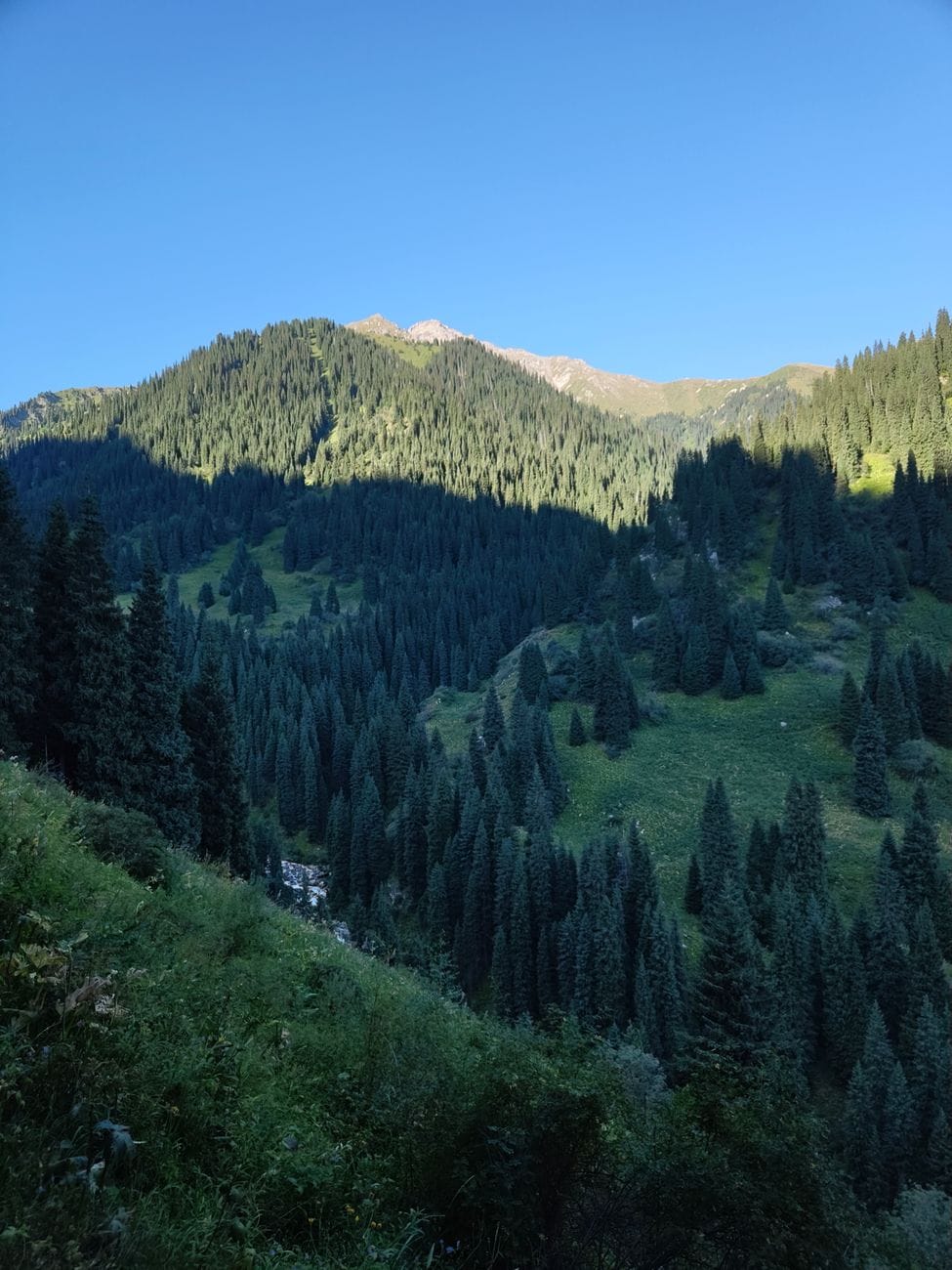
Almaty, Kazakhstan, Source:
In the heart of Eurasia, a significant step forward for ecological preservation took place on October 7-8, 2026. UNESCO and the International Union for Conservation of Nature (IUCN) hosted a pivotal regional capacity-building workshop in Almaty, Kazakhstan. This gathering brought together State Party representatives and site managers from Central Asia, including Kazakhstan, Kyrgyzstan, Tajikistan, Turkmenistan, and Uzbekistan, alongside partners from Mongolia. The event focused on bolstering technical expertise in managing natural World Heritage properties while fostering transboundary cooperation across political borders.
This initiative builds upon efforts started in 2025 under the UNESCO/Republic of Korea Funds-in-Trust project titled "Enhancing Transnational Cooperation and Fostering Peace: Natural and Mixed World Heritage in Asia." Financed by the Korea Heritage Service, the program aims to map knowledge gaps, strengthen site management, and identify new opportunities for collaborative conservation among natural and mixed World Heritage sites across Asia. Russian-English interpretation was provided throughout the sessions to ensure inclusive participation.
Participants engaged in rigorous discussions regarding the concept of Outstanding Universal Value (OUV), reviewing the state of conservation, Periodic Reporting mechanisms, and the Upstream Process for nominations. A key focus was placed on management effectiveness, utilizing tools such as the newly released 2026 Manual for World Heritage Impact Assessments. Delegates explored how robust governance and conservation principles can sustain the integrity of these unique ecosystems against emerging threats.
A highlight of the workshop was the exchange of experiences from serial transnational World Heritage properties. Representatives shared insights from the Saryarka Steppe and Lakes (Kazakhstan), the Western Tien-Shan (Kazakhstan, Kyrgyzstan, and Uzbekistan), the Silk Roads node at Zeravshan (Kazakhstan, Turkmenistan, Uzbekistan), and the Landscapes of Dauria (Mongolia/Russian Federation). These case studies underscored the necessity of connecting people, building trust, and harmonizing management approaches across borders. Lessons from the East Asian-Australasian Flyway Partnership (EAAFP) further reinforced that relationship-building is the foundation of successful regional cooperation.
Experts from ICCROM and IUCN addressed critical technical aspects, including Environmental Impact Assessments (EIAs) and Strategic Environmental Assessments (SEAs) to evaluate cumulative impacts on OUV. Interactive exercises mapped potential synergies between networks, while scientific discussions covered species monitoring as indicators of ecosystem health. Participants identified strategic next steps, including the harmonization of Tentative Lists, resource mobilization, and addressing challenges like invasive species, climate change, and sustainable tourism. With continued support from the Republic of Korea, UNESCO and IUCN remain committed to helping national authorities safeguard the invaluable natural heritage of Central Asia and Mongolia through enhanced transnational collaboration.
Related in Social Justice
Social Justice
COP17: Why World Heritage Sites Are the Hidden Engines of Global Biodiversity Success
At the 17th Conference of the Parties to the Convention on Biological Diversity a pivotal assessment has come to light. It underscores a critical reality that many might overlook. The UNESCO World Heritage Convention is not just about preserving old stones or scenic views. It se…
Read More...
Social Justice
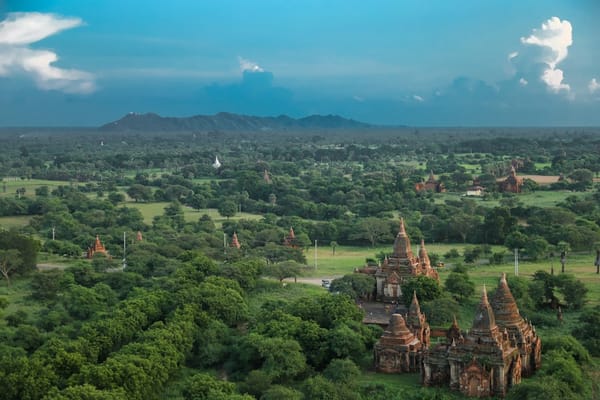
Macao 2026: The Essential Guide to Mastering World Heritage Management
How do we protect our most precious cultural and natural landmarks when urban sprawl and climate change threaten their very existence? This pressing question drives a new initiative launching in the Asia-Pacific region. The World Heritage Centre has joined forces with WHITR-AP S…
Read More...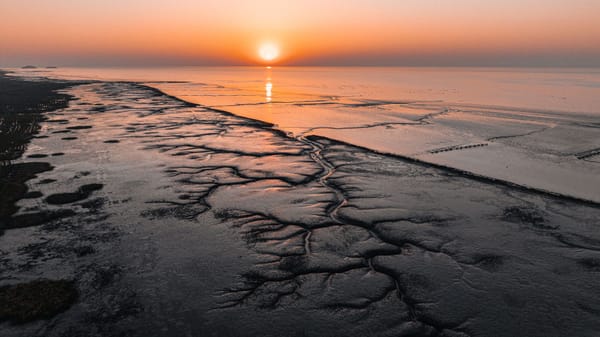
Social Justice
How You Can Support Cross-Border Diplomacy to Restore the Yellow Sea Tidal Flats for 50 Million Migratory Birds
Imagine standing along a coastline where the rhythm of the tides shapes an entire continent. The Yellow Sea tidal flats stretch across China, North Korea, and South Korea, creating a dynamic intertidal zone that welcomes millions of migratory waterbirds each year. These wetlands…
Read More...
Social Justice
Queer Travel Safety 2026: Destinations on the Rise, the United States Sliding, and What Inclusive Tourism Means for Your Next Journey
What makes a destination feel safe for you as an LGBTQ+ traveller in 2026? The answer just got more complex. New data from ITB Berlin, A3M Global Monitoring, and Diversity Tourism shows that queer travellers are making choices in a fresh way. Legal equality is still on the table…
Read More...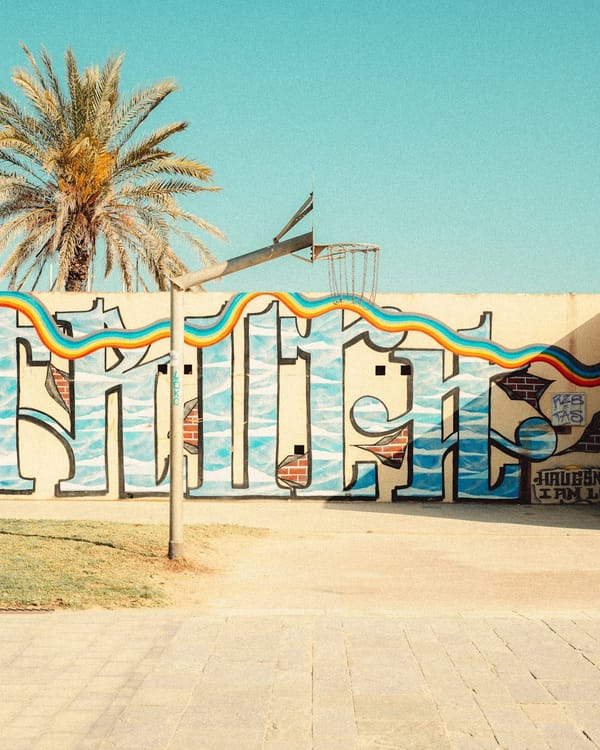
Social Justice
Barcelona’s Walls Speak: 40% More Street Art Demands Justice for All. Here’s What It Says
In a city known for Gaudí and the Mediterranean, there is another language being written across walls. Iusticia Omnibus. Justice for all. The phrase shows up in huge murals, tiny stencils, and quick tags. It is easy to miss if you are not looking. Once you see it, you cannot sto…
Read More...
Social Justice
Pa'lante Siempre: Denise Oliver-Velez's 80-Year Blueprint for Intersectional Liberation Still Demands Your Action
What does it take to keep pushing for justice for nearly eight decades? Denise Oliver-Velez offered an answer with her life. If you have ever felt torn between causes, she is the example you need. Born in 1947 and still organizing until her passing in 2026, she became a bridge b…
Read More...
Social Justice
What Can Three Youth Activists Teach Us About Tackling Discrimination, Gun Violence, and Digital Privacy?
What does it take for a young person to turn a painful experience into a force for change? For the activists featured in Amnesty International's Digital Disruptors project, the answer begins with personal history and quickly grows into something much bigger. On International You…
Read More...
Social Justice
Zambia's 2026 Elections: The Stalled Human Rights Reforms You Need to Watch
Can a country reclaim the promise of democracy after a season of setbacks? As Zambia's 13 August 2026 general elections draw closer, that question is on the minds of many citizens and observers. The country is at a moment of real possibility. The path forward depends on choices…
Read More...
Social Justice
North Carolina Death Penalty Symposium 2026: 20 Years After the Last Execution, You Can Shape What Comes Next
Twenty years have passed since North Carolina carried out an execution. On August 22, 2026, the discussion about what comes next reaches a key moment. The NC Coalition for Alternatives to the Death Penalty (NCCADP) will host a symposium called "Beyond the Death Penalty" at the E…
Read More...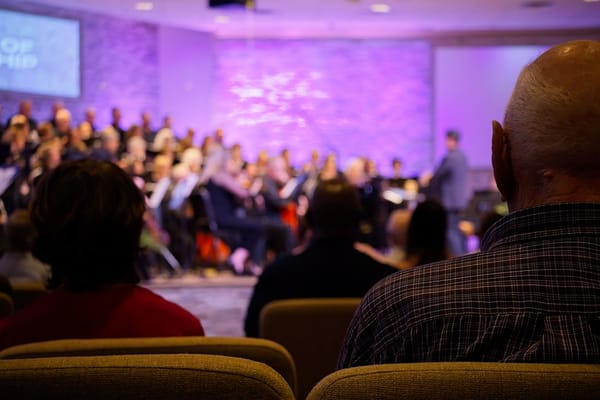
Social Justice
20 Years After North Carolina’s Last Execution: A Landmark Symposium Looks Beyond Capital Punishment
Twenty years have passed since North Carolina carried out an execution. In that time, death row has not disappeared. More than 130 people still live there, and new death sentences are still handed down. On August 22, 2026, the NC Coalition for Alternatives to the Death Penalty (…
Read More...