
Zambia's 2026 Elections: The Stalled Human Rights Reforms You Need to Watch
We compile, generate and translate using Artificial Intelligence from the below given source. Macro Micro News is responsible for its editorial publication.
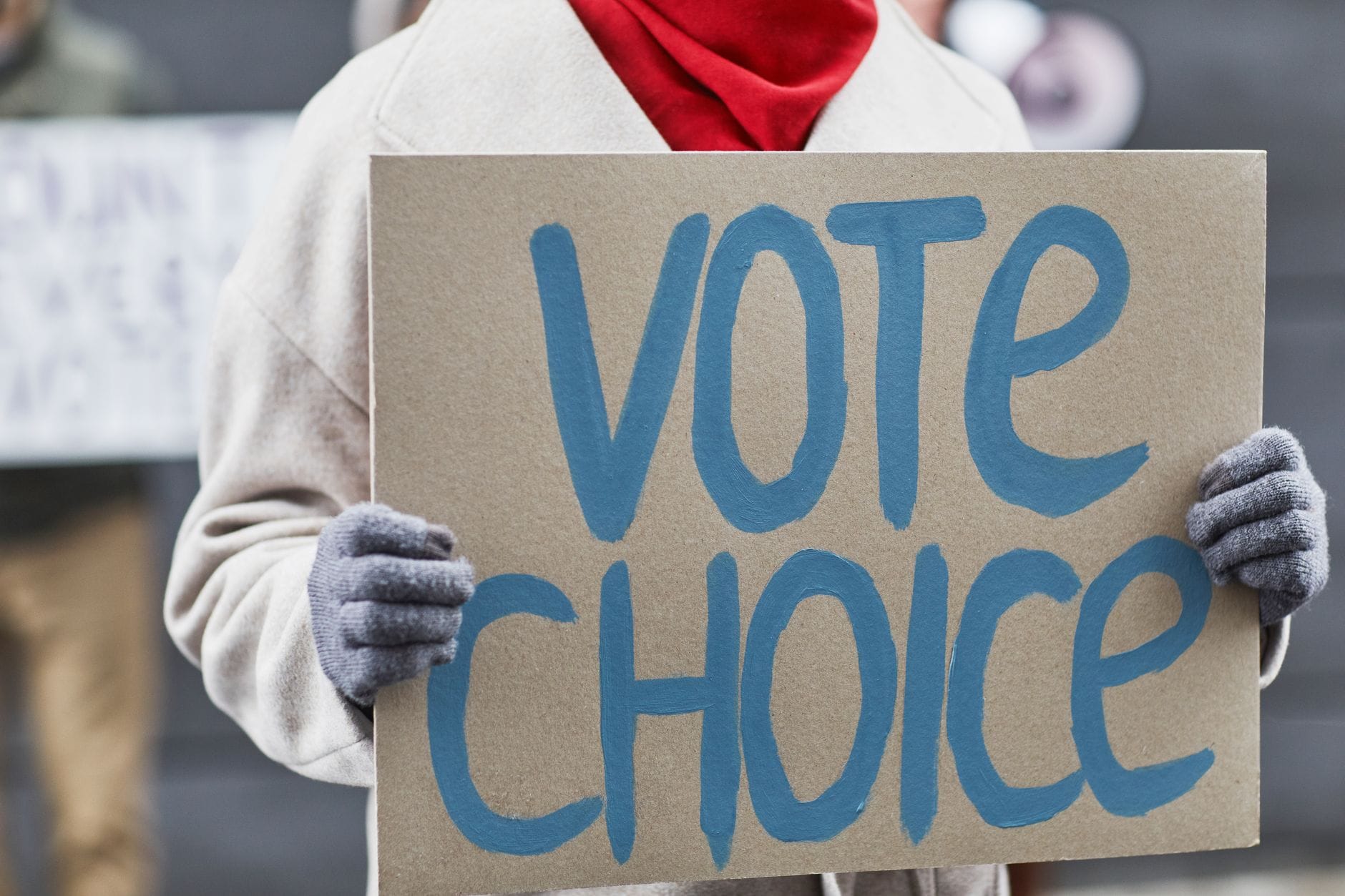
Lusaka, Zambia, MMN Correspondent: Can a country reclaim the promise of democracy after a season of setbacks? As Zambia's 13 August 2026 general elections draw closer, that question is on the minds of many citizens and observers. The country is at a moment of real possibility. The path forward depends on choices that leaders and voters are making right now.
In August 2021, Zambians turned out in large numbers and elected Hakainde Hichilema with hopes for a new era. His early tenure delivered meaningful reforms, including the repeal of criminal defamation of the president, the abolition of the death penalty, and the adoption of the Access to Information Act. Those actions signaled a shift toward transparency and respect for fundamental rights.
Now, a new Amnesty International briefing offers a careful look at how quickly that spirit can fade. The report documents ways authorities are using certain laws to limit peaceful dissent and independent media. Tigere Chagutah, Amnesty International's Regional Director for East and Southern Africa, says the hopes of 2021 have not yet turned into lasting protection. Authorities have resorted to a familiar playbook of using the law to criminalize peaceful dissent and silence independent media.
One central finding is that fast-moving legislation is narrowing civic space. Several bills have been debated, amended, and passed within days, leaving little room for public input. That process weakens the idea that laws should reflect the will of the people. The Non-Governmental Organizations (NGO) Bill, now before Parliament, is a notable example. It would give the government broad authority over the registration, suspension, and dissolution of civil society groups. Organizations devoted to transparency and accountability could find their work drastically limited.
The Public Order Act, a law from the colonial era, continues to restrict peaceful assembly. It has been criticized by domestic and international bodies for years. In May 2026, Parliament passed a replacement called the Public Gatherings Bill. President Hichilema declined to assent, citing inconsistencies with judicial precedents. This leaves the legal framework unsettled. The cancellation of RightsCon, a global technology and human rights conference, in May 2026 highlights the practical consequences of that uncertain terrain.
Newer digital laws have also raised concerns. The Cyber Security Act and the Cyber Crimes Act 2025 contain broad provisions that can interfere with private communication and personal data. In practice, these measures are being used to investigate government critics, journalists, activists, and opposition politicians. Journalists who cover corruption or sensitive political issues have described persistent harassment, unlawful surveillance, and criminal investigations. The vagueness of the defamation and harassment clauses creates a chilling effect, pushing many outlets toward self-censorship ahead of the election.
The report is built on interviews with 14 human rights defenders, seven journalists, four student leaders, and two opposition politicians. Their experiences reveal a pattern of intimidation that is often left unexamined. Politically motivated attacks against opposition members rarely lead to investigations, and civil society consultations are sometimes treated as formalities. Token engagement of this kind can erode trust in public participation.
There is still time to change direction. Amnesty International is calling on authorities to stop using laws to suppress fundamental freedoms. The next government can take concrete steps: repeal the NGO Act and revise the proposed NGO Bill to match international standards, replace the Public Order Act with a framework that supports peaceful assembly, and amend the cyber laws to protect freedom of expression and privacy. Public consultations should be genuine, transparent, and inclusive, because that is how democracies rebuild trust.
The 2026 elections are more than a routine vote. They are an opportunity for Zambians to decide how the country will protect human rights in the years ahead. In many ways, this is a referendum on how Zambia defines democracy for the next decade. Candidates who are serious about democracy will say clearly how they plan to restore confidence in the law. As Chagutah puts it, "As Zambia goes to the polls, the authorities must immediately end the misuse of laws to suppress the rights to freedom of expression, association, peaceful assembly and media freedom." The world is watching, and the important choices belong to Zambia.
Related in Social Justice

Social Justice
Macao 2026: The Essential Guide to Mastering World Heritage Management
How do we protect our most precious cultural and natural landmarks when urban sprawl and climate change threaten their very existence? This pressing question drives a new initiative launching in the Asia-Pacific region. The World Heritage Centre has joined forces with WHITR-AP S…
Read More...
Social Justice
How You Can Support Cross-Border Diplomacy to Restore the Yellow Sea Tidal Flats for 50 Million Migratory Birds
Imagine standing along a coastline where the rhythm of the tides shapes an entire continent. The Yellow Sea tidal flats stretch across China, North Korea, and South Korea, creating a dynamic intertidal zone that welcomes millions of migratory waterbirds each year. These wetlands…
Read More...
Social Justice
Queer Travel Safety 2026: Destinations on the Rise, the United States Sliding, and What Inclusive Tourism Means for Your Next Journey
What makes a destination feel safe for you as an LGBTQ+ traveller in 2026? The answer just got more complex. New data from ITB Berlin, A3M Global Monitoring, and Diversity Tourism shows that queer travellers are making choices in a fresh way. Legal equality is still on the table…
Read More...
Social Justice
Barcelona’s Walls Speak: 40% More Street Art Demands Justice for All. Here’s What It Says
In a city known for Gaudí and the Mediterranean, there is another language being written across walls. Iusticia Omnibus. Justice for all. The phrase shows up in huge murals, tiny stencils, and quick tags. It is easy to miss if you are not looking. Once you see it, you cannot sto…
Read More...
Social Justice
Pa'lante Siempre: Denise Oliver-Velez's 80-Year Blueprint for Intersectional Liberation Still Demands Your Action
What does it take to keep pushing for justice for nearly eight decades? Denise Oliver-Velez offered an answer with her life. If you have ever felt torn between causes, she is the example you need. Born in 1947 and still organizing until her passing in 2026, she became a bridge b…
Read More...
Social Justice
What Can Three Youth Activists Teach Us About Tackling Discrimination, Gun Violence, and Digital Privacy?
What does it take for a young person to turn a painful experience into a force for change? For the activists featured in Amnesty International's Digital Disruptors project, the answer begins with personal history and quickly grows into something much bigger. On International You…
Read More...
Social Justice
North Carolina Death Penalty Symposium 2026: 20 Years After the Last Execution, You Can Shape What Comes Next
Twenty years have passed since North Carolina carried out an execution. On August 22, 2026, the discussion about what comes next reaches a key moment. The NC Coalition for Alternatives to the Death Penalty (NCCADP) will host a symposium called "Beyond the Death Penalty" at the E…
Read More...
Social Justice
20 Years After North Carolina’s Last Execution: A Landmark Symposium Looks Beyond Capital Punishment
Twenty years have passed since North Carolina carried out an execution. In that time, death row has not disappeared. More than 130 people still live there, and new death sentences are still handed down. On August 22, 2026, the NC Coalition for Alternatives to the Death Penalty (…
Read More...
Social Justice
Venezuela Quits the ICC and Rome Statute: What It Means for You and the Future of Justice
The acting government of Venezuela has formally stepped away from the Rome Statute, the international treaty behind the International Criminal Court. Official withdrawal documents reached the UN Secretary-General on July 24, 2026, and appeared in the UN's public registry on Augu…
Read More...
Social Justice
FIFA’s Governance Crisis: 5 Systemic Reforms You Need to See Before the 2034 World Cup
Football is facing a moment of truth. FIFA is in the middle of a governance crisis, and human rights organizations are raising a pointed question: can a new face at the top truly change the game? Their answer is a firm no. The call is for systemic transformation, an overhaul of…
Read More...