
North Carolina Death Penalty Symposium 2026: 20 Years After the Last Execution, You Can Shape What Comes Next
We compile, generate and translate using Artificial Intelligence from the below given source. Macro Micro News is responsible for its editorial publication.

Durham, North Carolina, MMN Correspondent: Twenty years have passed since North Carolina carried out an execution. On August 22, 2026, the discussion about what comes next reaches a key moment.
The NC Coalition for Alternatives to the Death Penalty (NCCADP) will host a symposium called "Beyond the Death Penalty" at the Eno River Unitarian Universalist Fellowship in Durham. The free public event runs from 1:00 PM to 4:00 PM EDT. It is designed to bring people together around a central question. How can justice move forward without capital punishment?
The timing matters. North Carolina's last execution took place in August 2006. Samuel Flippen was the person put to death. Since that day, no one has been executed. At the same time, 136 people remain on death row. Legal challenges and shifts in public opinion have paused the system. The law itself has not changed. That space between the old rule and today's reality is where new possibilities emerge.
The symposium centers on personal accounts. Wrongfully convicted individuals, relatives of homicide victims, and family members of people on death row will share their stories. These voices are powerful. Since 1973, at least six death row prisoners in North Carolina have been exonerated. Henry McCollum and Leon Brown spent 31 years in prison before their release in 2014. Their cases are a strong reminder of what is at stake when the state moves forward with an irreversible punishment.
Money is also part of the picture. A 2020 report from the NC Office of Indigent Defense Services shows that capital trials cost an average of $1.2 million. Non-capital murder trials average around $400,000. That difference matters to taxpayers and communities. The symposium will explore other ways to use those resources. Community-based violence prevention, mental health services, and restorative justice programs are among the alternatives. These approaches can address harm and build long-term safety.
The larger landscape is encouraging. By 2026, 23 states have abolished the death penalty. Oregon and California have paused executions. Public support has fallen to 53% in a 2025 Gallup poll, down from 80% in the 1990s. In North Carolina, 58% of residents prefer life without parole, according to a 2024 Elon University Poll. More people are open to new visions of justice.
The event will include panel discussions that connect history, law, and action. Scholars will speak about the history of lynching and its relationship to modern capital punishment. Legal experts will talk about ongoing challenges to North Carolina's death penalty statutes. Representatives from the Southern Coalition for Social Justice and other organizations will share their work.
The symposium is also forward-looking. A repeal bill was introduced in the North Carolina legislature in 2025. Attendees will learn about that effort and about practical ways to support change. Conversations will cover how communities can heal after violence and move toward restoration. This is a conversation that invites thoughtful reflection. A clearer path is taking shape.
The Eno River Unitarian Universalist Fellowship offers a fitting home for the discussion. Unitarian Universalism has a long record of social justice advocacy, including opposition to capital punishment. The Fellowship Hall provides a welcoming and intimate setting for the afternoon.
Registration is free and open to all. Organizers suggest arriving early to secure a seat. The symposium is part of a broader movement to reimagine justice in North Carolina and across the country.
Twenty years after the last execution, the future of the death penalty is being written. This event invites everyone to take part. It is a chance to listen, to share, and to help shape a justice system rooted in restoration.
Related in Social Justice

Social Justice
Macao 2026: The Essential Guide to Mastering World Heritage Management
How do we protect our most precious cultural and natural landmarks when urban sprawl and climate change threaten their very existence? This pressing question drives a new initiative launching in the Asia-Pacific region. The World Heritage Centre has joined forces with WHITR-AP S…
Read More...
Social Justice
How You Can Support Cross-Border Diplomacy to Restore the Yellow Sea Tidal Flats for 50 Million Migratory Birds
Imagine standing along a coastline where the rhythm of the tides shapes an entire continent. The Yellow Sea tidal flats stretch across China, North Korea, and South Korea, creating a dynamic intertidal zone that welcomes millions of migratory waterbirds each year. These wetlands…
Read More...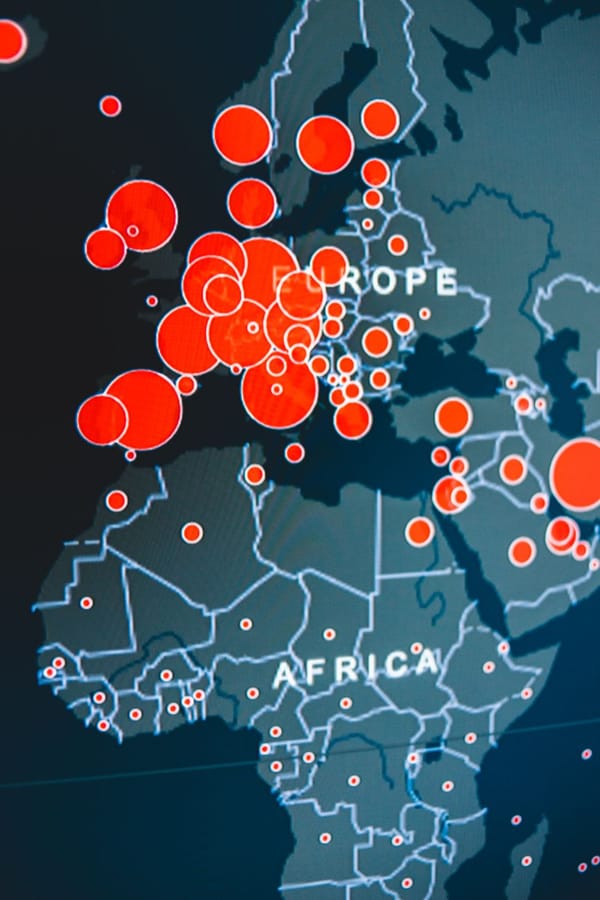
Social Justice
Queer Travel Safety 2026: Destinations on the Rise, the United States Sliding, and What Inclusive Tourism Means for Your Next Journey
What makes a destination feel safe for you as an LGBTQ+ traveller in 2026? The answer just got more complex. New data from ITB Berlin, A3M Global Monitoring, and Diversity Tourism shows that queer travellers are making choices in a fresh way. Legal equality is still on the table…
Read More...
Social Justice
Barcelona’s Walls Speak: 40% More Street Art Demands Justice for All. Here’s What It Says
In a city known for Gaudí and the Mediterranean, there is another language being written across walls. Iusticia Omnibus. Justice for all. The phrase shows up in huge murals, tiny stencils, and quick tags. It is easy to miss if you are not looking. Once you see it, you cannot sto…
Read More...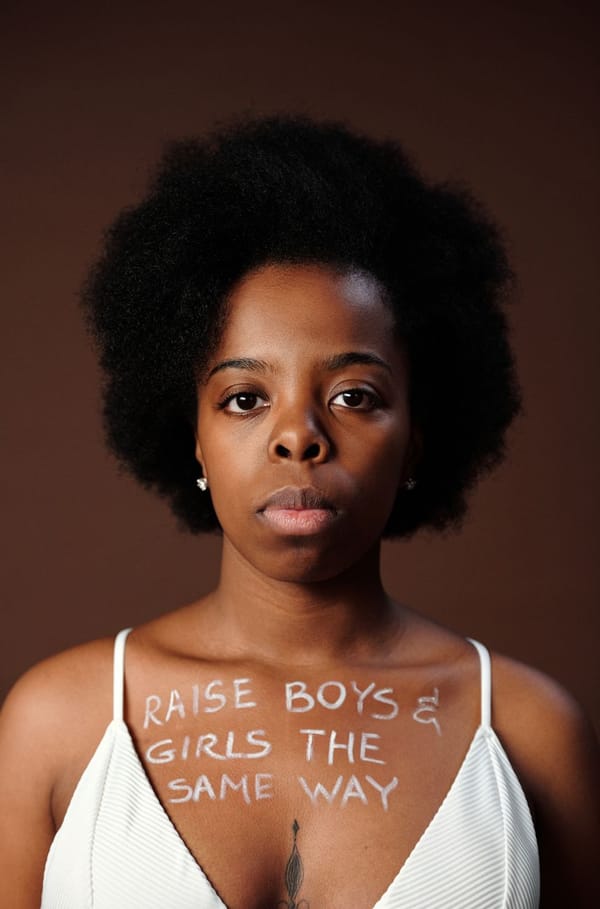
Social Justice
Pa'lante Siempre: Denise Oliver-Velez's 80-Year Blueprint for Intersectional Liberation Still Demands Your Action
What does it take to keep pushing for justice for nearly eight decades? Denise Oliver-Velez offered an answer with her life. If you have ever felt torn between causes, she is the example you need. Born in 1947 and still organizing until her passing in 2026, she became a bridge b…
Read More...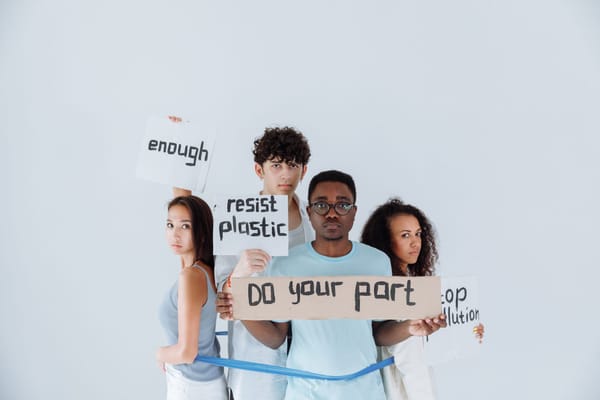
Social Justice
What Can Three Youth Activists Teach Us About Tackling Discrimination, Gun Violence, and Digital Privacy?
What does it take for a young person to turn a painful experience into a force for change? For the activists featured in Amnesty International's Digital Disruptors project, the answer begins with personal history and quickly grows into something much bigger. On International You…
Read More...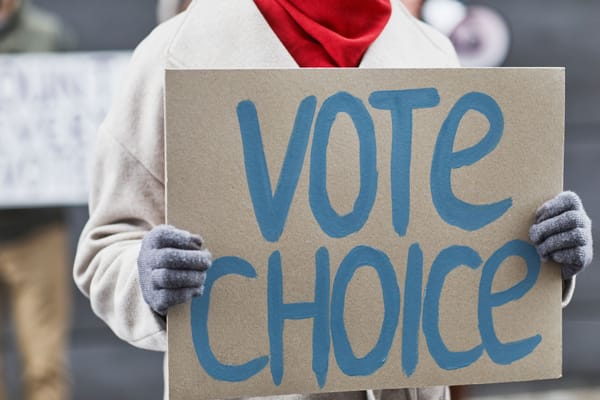
Social Justice
Zambia's 2026 Elections: The Stalled Human Rights Reforms You Need to Watch
Can a country reclaim the promise of democracy after a season of setbacks? As Zambia's 13 August 2026 general elections draw closer, that question is on the minds of many citizens and observers. The country is at a moment of real possibility. The path forward depends on choices…
Read More...
Social Justice
20 Years After North Carolina’s Last Execution: A Landmark Symposium Looks Beyond Capital Punishment
Twenty years have passed since North Carolina carried out an execution. In that time, death row has not disappeared. More than 130 people still live there, and new death sentences are still handed down. On August 22, 2026, the NC Coalition for Alternatives to the Death Penalty (…
Read More...
Social Justice
Venezuela Quits the ICC and Rome Statute: What It Means for You and the Future of Justice
The acting government of Venezuela has formally stepped away from the Rome Statute, the international treaty behind the International Criminal Court. Official withdrawal documents reached the UN Secretary-General on July 24, 2026, and appeared in the UN's public registry on Augu…
Read More...
Social Justice
FIFA’s Governance Crisis: 5 Systemic Reforms You Need to See Before the 2034 World Cup
Football is facing a moment of truth. FIFA is in the middle of a governance crisis, and human rights organizations are raising a pointed question: can a new face at the top truly change the game? Their answer is a firm no. The call is for systemic transformation, an overhaul of…
Read More...