
England vs Croatia 2026: Tuchel’s Starting XI Decoded – Who Makes the Cut?
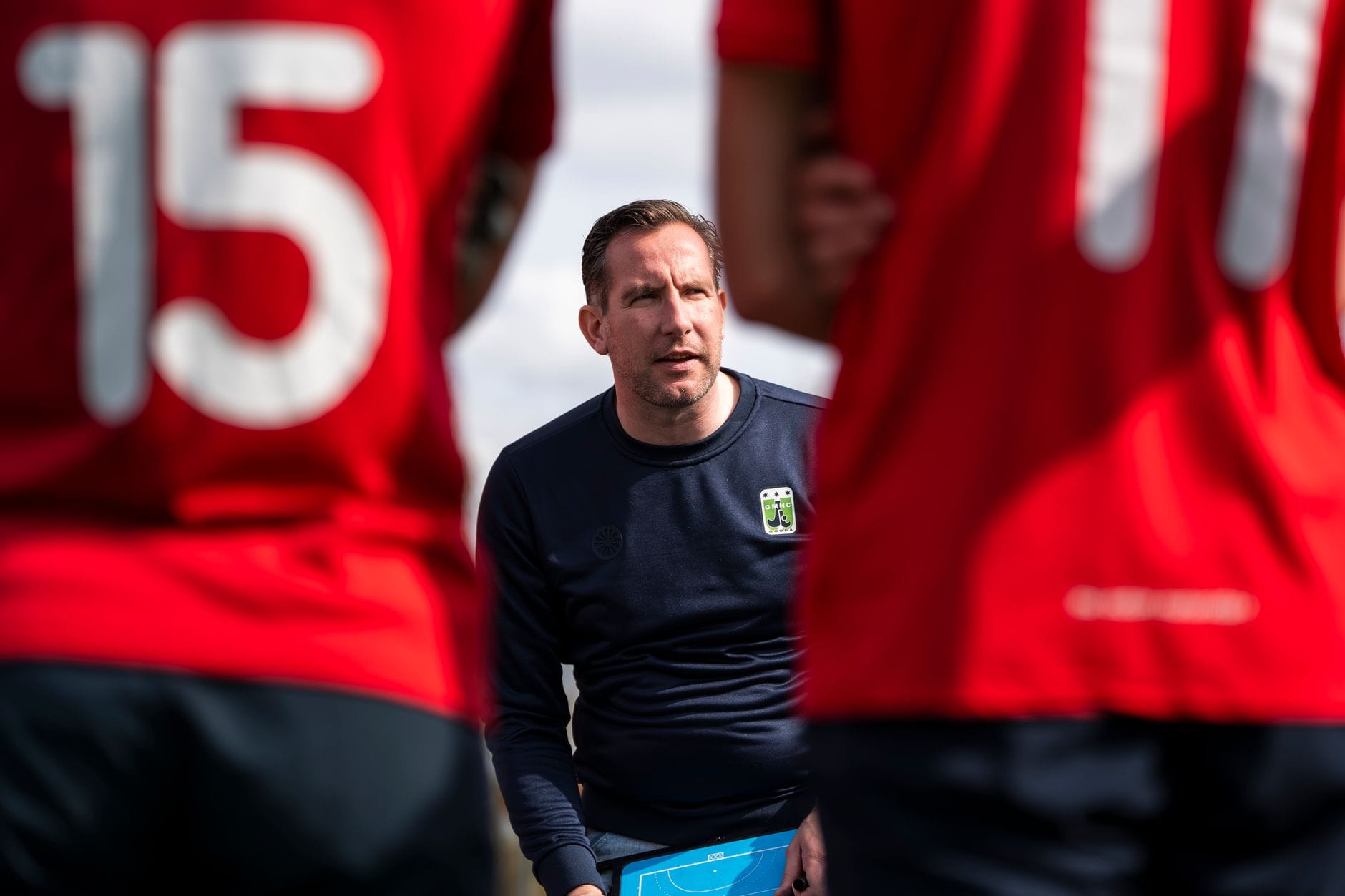
Dallas, Texas, MMN Correspondent: The countdown to the FIFA World Cup 2026 is almost over. England’s opening match against Croatia in Dallas is just days away, and manager Thomas Tuchel faces one of the most defining selection calls of his career. Croatia brings technical brilliance, tactical discipline, and explosive counterattacks. The question is: which eleven players will Tuchel trust to set the tone for England’s entire tournament journey?
England’s final warm-up against Costa Rica at Orlando’s Inter&Co Stadium offered plenty of clues. Violent storms delayed the kickoff, but once the match began, it delivered exactly what Tuchel needed: intensity, structure, and clarity. The scoreline was favorable, but the real story was how players handled pressure and adapted to Tuchel’s evolving system. Every pass, every movement, every decision mattered.
One position has sparked endless debate: the number 10 role. This is the creative hub, the link between midfield and attack. Jude Bellingham, Real Madrid’s dynamic midfielder, made a strong case with an electrifying performance against Costa Rica. His through ball to Noni Madueke nearly produced a goal, and his ability to glide past defenders in the box showed composure and vision. Bellingham also converted a penalty through Anthony Gordon, proving his impact even without scoring himself. Taking the captaincy in the second half only reinforced his leadership credentials.
But Morgan Rogers of Aston Villa remains a serious contender. He started as the number 10 in the opening friendly against New Zealand, displaying poise and technical flair. Yet his limited minutes in the second half suggest Tuchel is still weighing options. The choice isn’t just about form; it’s about identity. Bellingham brings energy, stamina, and a modern attacking mindset. Rogers offers a more traditional, possession-based approach. Tuchel’s preference for versatility could tip the scales toward Bellingham, especially given the physical demands of a World Cup knockout stage.
On the right wing, Bukayo Saka appears to have the spot locked down, provided he recovers fully from a lingering Achilles issue. Saka’s pace, dribbling, and crossing ability are vital in Tuchel’s high-pressing system. His return to full fitness would be a major boost, as he consistently stretches defenses and delivers in big moments.
The left wing, however, is where the intrigue runs deepest. Anthony Gordon, now a Barcelona signing, impressed in his first England appearance since joining the Catalan club. He tormented Costa Rica’s defender Shawn Johnson with sudden bursts of pace and intelligent off-the-ball movement. His assist for Declan Rice’s opener and his penalty conversion were decisive. Meanwhile, Marcus Rashford, whose future at Manchester United remains uncertain, showed flashes of brilliance against New Zealand, combining speed with clinical finishing. But his recent inactivity during Newcastle United’s final weeks raised questions about match sharpness. Gordon’s performance, though brief, suggested he’s regaining rhythm. The choice between them could hinge on fitness, mental readiness, and tactical fit.
At the heart of England’s strategy is Harry Kane. At 32, Kane continues to redefine the modern striker. In Orlando, he showcased his intelligence by dropping deep into his own half to receive the ball and calmly play out from the back. His pass to Anthony Gordon, which split four defenders before being overturned by VAR, was a masterclass in vision and timing. Tuchel’s decision to allow Kane freedom to roam across the front line reflects a deeper tactical shift: Kane is no longer just a finisher. He’s a playmaker, a linker, and a central figure in England’s build-up phase. This transformation makes him irreplaceable, even in friendlies.
Defensively, John Stones stands at the forefront of Tuchel’s considerations. After omitting Harry Maguire from the squad, Tuchel has placed immense trust in Stones, despite his injury setbacks last season. His 63-minute outing against Costa Rica was encouraging, showing signs of regained fitness and sharpness. Playing alongside Marc Guehi, another City product, would create a partnership grounded in familiarity and defensive solidity. Ezri Konsa’s inclusion from the start in the friendly hints at an alternative option, but Stones’ experience and technical superiority give him a clear edge if fit.
With all these factors in mind, a likely starting lineup emerges: Jordan Pickford in goal; Kyle Walker and Luke Shaw at full-back; Stones and Guehi forming the central defensive axis; Declan Rice anchoring the midfield; Bellingham operating as the number 10; Saka on the right wing; and either Gordon or Rashford on the left. Kane would lead the line, supported by Madueke or another quick forward.
This formation balances experience, youth, creativity, and defensive stability. It allows Tuchel to maintain control while adapting to in-game scenarios. As the tournament unfolds, such flexibility will be key. For now, the focus remains on Croatia, a formidable opponent with a rich history in international football, including a 2018 World Cup final appearance. England must be ready to counter their precision passing, set-piece threat, and disciplined defending.
Tuchel’s careful selection process underscores a broader truth: success at the World Cup hinges not just on talent, but on tactical cohesion, psychological resilience, and smart personnel decisions. Every player named in the starting XI represents a calculated risk and a strategic commitment. As fans await the official announcement, the debate over who starts and why will continue to captivate football lovers worldwide.
The stage is set. The spotlight is bright. And England’s quest for glory begins not with a bang, but with a single, carefully chosen lineup.
Related in Sport

Sport
How Dubai Basketball Won the ABA League in Just Two Seasons: Inside the Partnership That Made It Possible
When Dubai Basketball lifted the ABA League trophy after only its second season, the basketball world took notice. But the story behind that trophy is bigger than any single game or player. It is a story about what happens when a city’s ambition meets a partner that moves mounta…
Read More...
Sport
From Career-Threatening Injury to World Cup Hero: How Mikel Merino Became Spain’s Clutch Performer in 2026
Imagine being told you might never play football again. Then imagine stepping onto the world’s biggest stage months later and scoring the goals that carry your country to the semi finals. That is the reality for Mikel Merino, the Arsenal midfielder who has quietly become the mos…
Read More...
Sport
Can France’s 2026 World Cup Squad Become the Greatest Team in History?
What does it take to build a football dynasty? France is giving the world a masterclass answer right now. With a commanding 2-0 victory over Morocco in Boston, Les Bleus have become the first team to lock in a semi final spot at the 2026 FIFA World Cup. They are chasing a third…
Read More...
Sport
Will France Survive Morocco’s Challenge? 4 Quarter-Final Predictions That Could Reshape the World Cup
The 2026 FIFA World Cup quarter-finals are here, and the tension is almost unbearable. Four matches stand between eight teams and a shot at glory. Every pass, every tackle, every decision could rewrite football history. Among the most anticipated battles is France versus Morocco…
Read More...
Sport
How Gregor Kobel’s Three Saves Sent Switzerland to the 2026 World Cup Quarter Finals
What happens when a team’s entire World Cup dream rests on one goalkeeper’s reflexes? You get the kind of night that turns a quiet Swiss shot stopper into a national legend. Switzerland’s 2026 campaign just took a historic turn, and it all unfolded under the lights of MetLife St…
Read More...
Sport
What Really Went Wrong for USA in World Cup 2026? One Defensive Mistake That Changed Everything
You could feel the air leave the stadium. The 2026 FIFA World Cup Round of 16 match between the United States and Belgium was poised on a knife edge. Then, in the 67th minute, everything shifted. A single moment of miscommunication turned a tightly contested knockout game into a…
Read More...
Sport
How a 19-Year-Old’s Header Just Changed England’s World Cup Destiny – See the Moment That Stunned Mexico
The Estadio Azteca roared with over 87,000 voices, a wall of green and white that seemed impossible to penetrate. Yet, in the 38th minute, a single leap by a teenager silenced an entire nation. Jude Bellingham, just 19 years old, rose above the Mexican defense and powered a head…
Read More...
Sport
How France Outlasted Paraguay’s Relentless Tactics in a Heated World Cup 2026 Quarterfinal – What the Scoreline Doesn’t Tell You
The 2026 FIFA World Cup quarterfinal between France and Paraguay at Lincoln Financial Field was never going to be a classic. But what unfolded under the sweltering Philadelphia sun was something far more gripping than a simple 1-0 scoreline suggests. This was a match that tested…
Read More...
Sport
How Argentina Survived Cape Verde’s 120-Minute Ambush: 3 Key Moments That Defined a World Cup Classic
What happens when a two-time world champion meets a team that refuses to believe in rankings? You get a night that rewrites the script of the 2026 World Cup. Argentina’s 3-2 extra-time victory over Cape Verde on July 4 at the Estadio Ciudad de México wasn’t just a match. It was…
Read More...
Sport
How a Single Millimeter Decided Croatia’s Fate Against Portugal in the 2026 World Cup Knockout
What happens when a goal that should have been the equalizer gets erased by a margin so thin it’s almost invisible? That’s the question football fans around the world are asking after Croatia’s heartbreaking 1-0 loss to Portugal in the Round of 16 of the 2026 FIFA World Cup. The…
Read More...