
England’s Penalty Plan for World Cup 2026: How Tuchel Is Keeping Southgate’s Winning Formula Alive
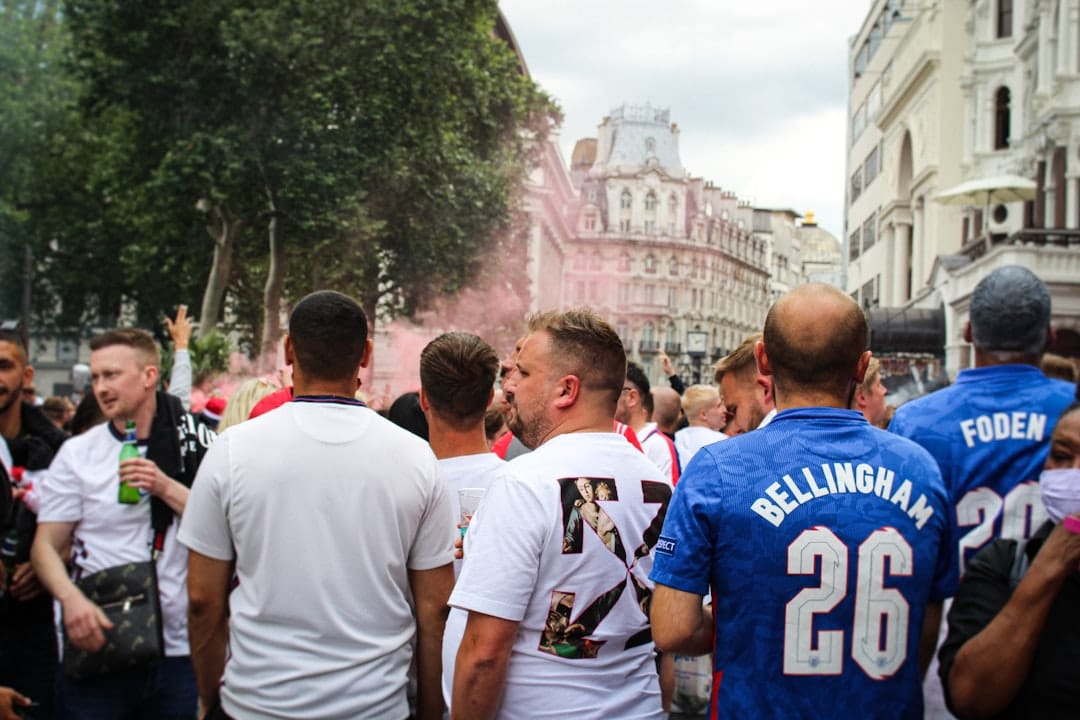
Atlanta, MMN Correspondent: As the 2026 FIFA World Cup knockout rounds approach, England fans are holding their breath. Not just for the goals, but for what happens when the game goes to penalties. With Thomas Tuchel taking charge of the Three Lions for the first time at a major tournament, one thing hasn’t changed: the penalty blueprint that turned England from a team that dreaded spot kicks into one that thrives under pressure.
Tuchel has made it clear he’s not here to tear up the playbook. Instead, he’s keeping the framework that Sir Gareth Southgate built. That framework transformed England’s relationship with penalties. Before Southgate, the team had won just one of seven shootouts in major tournaments. After him, they won three out of four between 2018 and 2024. That’s not luck. That’s a system.
So what does that system look like under Tuchel? And can it hold up when the stakes are highest?
England’s next test comes against DR Congo in the round of 32, kicking off in Atlanta at 17:00 BST. The Congolese side finished third in Group K, with wins over Uzbekistan and a draw against Portugal. They’re physical, resilient, and not afraid to sit deep. That combination often leads to tight games. And tight games sometimes lead to penalties.
Tuchel isn’t shying away from that reality. “We are prepared. We have a process, the players have a process,” he said. That process is the same one Southgate spent years refining. It’s built on clarity, consistency, and emotional support. Players are selected for penalty duty based on performance in training, not last-minute gut feelings. They practice under simulated pressure, building muscle memory so that when the moment comes, their bodies know what to do even if their minds are racing.
One of the most human touches in Southgate’s system was the “buddy” concept. Before each penalty, a teammate would meet the taker at the halfway line. A few words. A shared glance. A reminder that no one walks alone. That small gesture was designed to spread the psychological weight across the squad. It’s still in place under Tuchel.
Then there’s the goalkeeper’s role. Jordan Pickford became famous for carrying notes on his water bottle, detailing opposing goalkeepers’ tendencies. Which way they dive. How they position themselves. It was a simple idea, but it gave England an edge. That attention to detail hasn’t disappeared either.
Tuchel is honest about the limits of preparation. “I think it is difficult to simulate the situation,” he said. He’s right. You can’t replicate the roar of 60,000 fans, the weight of a nation’s expectations, or the walk from the halfway line to the penalty spot. Thierry Henry once admitted he couldn’t even remember that walk during his first shootout. The emotion takes over. But Tuchel’s point is that while the outcome is uncertain, the process doesn’t have to be.
When asked whether players would have a say in who takes penalties, Tuchel gave a thoughtful answer. “We know who takes them and we know the order, but we don’t know who finishes the game.” That’s a blend of discipline and flexibility. The plan is there. But the final decision depends on who’s still on the pitch, who’s feeling confident, and who’s ready in that moment.
Beyond the penalty talk, Tuchel is managing expectations for the match itself. He described the game against DR Congo not as a chance to shine, but as a chance to advance. “This is not the moment now to shine and to expect glamorous performances. This is the moment to go through, to get the job done, to step up, to show individual quality and little moments.”
That’s a shift in tone from the group stage, where England’s performances were solid but not spectacular. Wins over Croatia and Panama, and a goalless draw with Ghana, got the job done without setting the world on fire. Tuchel believes the real test comes when opponents start taking England seriously. “We will see the best version of us if we overcome the next rounds and go further in the tournament once teams want to actually beat us and not hold us down and refuse us to play.”
England’s penalty record under Southgate speaks for itself. Victories over Colombia in 2018, Switzerland in the 2019 Nations League, and Switzerland again in the Euro 2024 quarterfinals. The only loss came in the Euro 2020 final, where Marcus Rashford and Jadon Sancho missed after being brought on late in extra time. Southgate later changed that approach, giving takers more time on the pitch before a shootout. That lesson is now part of the system too.
Tuchel’s own style is different from Southgate’s. He favors high intensity and possession based football, while Southgate was more pragmatic. But both men share a belief in preparation, mental resilience, and giving players the tools to succeed. The continuity of the penalty protocol means the team doesn’t have to learn a new system during a transition. It’s already there.
As the World Cup moves forward, all eyes will be on how England handles pressure. The legacy of Southgate’s blueprint, now in Tuchel’s hands, is more than a tactical plan. It’s a cultural shift. English football used to fear penalties. Now it prepares for them. That change didn’t happen overnight. And it’s not going away just because the manager changed.
The coming weeks will show whether this system can stand the ultimate test. But for now, England has a plan. And that’s more than most teams can say.
Related in Sport

Sport
How Dubai Basketball Won the ABA League in Just Two Seasons: Inside the Partnership That Made It Possible
When Dubai Basketball lifted the ABA League trophy after only its second season, the basketball world took notice. But the story behind that trophy is bigger than any single game or player. It is a story about what happens when a city’s ambition meets a partner that moves mounta…
Read More...
Sport
From Career-Threatening Injury to World Cup Hero: How Mikel Merino Became Spain’s Clutch Performer in 2026
Imagine being told you might never play football again. Then imagine stepping onto the world’s biggest stage months later and scoring the goals that carry your country to the semi finals. That is the reality for Mikel Merino, the Arsenal midfielder who has quietly become the mos…
Read More...
Sport
Can France’s 2026 World Cup Squad Become the Greatest Team in History?
What does it take to build a football dynasty? France is giving the world a masterclass answer right now. With a commanding 2-0 victory over Morocco in Boston, Les Bleus have become the first team to lock in a semi final spot at the 2026 FIFA World Cup. They are chasing a third…
Read More...
Sport
Will France Survive Morocco’s Challenge? 4 Quarter-Final Predictions That Could Reshape the World Cup
The 2026 FIFA World Cup quarter-finals are here, and the tension is almost unbearable. Four matches stand between eight teams and a shot at glory. Every pass, every tackle, every decision could rewrite football history. Among the most anticipated battles is France versus Morocco…
Read More...
Sport
How Gregor Kobel’s Three Saves Sent Switzerland to the 2026 World Cup Quarter Finals
What happens when a team’s entire World Cup dream rests on one goalkeeper’s reflexes? You get the kind of night that turns a quiet Swiss shot stopper into a national legend. Switzerland’s 2026 campaign just took a historic turn, and it all unfolded under the lights of MetLife St…
Read More...
Sport
What Really Went Wrong for USA in World Cup 2026? One Defensive Mistake That Changed Everything
You could feel the air leave the stadium. The 2026 FIFA World Cup Round of 16 match between the United States and Belgium was poised on a knife edge. Then, in the 67th minute, everything shifted. A single moment of miscommunication turned a tightly contested knockout game into a…
Read More...
Sport
How a 19-Year-Old’s Header Just Changed England’s World Cup Destiny – See the Moment That Stunned Mexico
The Estadio Azteca roared with over 87,000 voices, a wall of green and white that seemed impossible to penetrate. Yet, in the 38th minute, a single leap by a teenager silenced an entire nation. Jude Bellingham, just 19 years old, rose above the Mexican defense and powered a head…
Read More...
Sport
How France Outlasted Paraguay’s Relentless Tactics in a Heated World Cup 2026 Quarterfinal – What the Scoreline Doesn’t Tell You
The 2026 FIFA World Cup quarterfinal between France and Paraguay at Lincoln Financial Field was never going to be a classic. But what unfolded under the sweltering Philadelphia sun was something far more gripping than a simple 1-0 scoreline suggests. This was a match that tested…
Read More...
Sport
How Argentina Survived Cape Verde’s 120-Minute Ambush: 3 Key Moments That Defined a World Cup Classic
What happens when a two-time world champion meets a team that refuses to believe in rankings? You get a night that rewrites the script of the 2026 World Cup. Argentina’s 3-2 extra-time victory over Cape Verde on July 4 at the Estadio Ciudad de México wasn’t just a match. It was…
Read More...
Sport
How a Single Millimeter Decided Croatia’s Fate Against Portugal in the 2026 World Cup Knockout
What happens when a goal that should have been the equalizer gets erased by a margin so thin it’s almost invisible? That’s the question football fans around the world are asking after Croatia’s heartbreaking 1-0 loss to Portugal in the Round of 16 of the 2026 FIFA World Cup. The…
Read More...