
Europe’s Hottest June Ever: 43°C in France, 36°C in the UK, and What Comes Next for You
Paris, France, MMN Correspondent: Imagine stepping outside and feeling the air hit you like a blast from an open oven. That’s the reality for millions across Europe right now, as a historic heatwave tightens its grip from the Atlantic coast to the eastern plains. Temperatures are shattering records, and the question on everyone’s mind is: how much higher can they go?
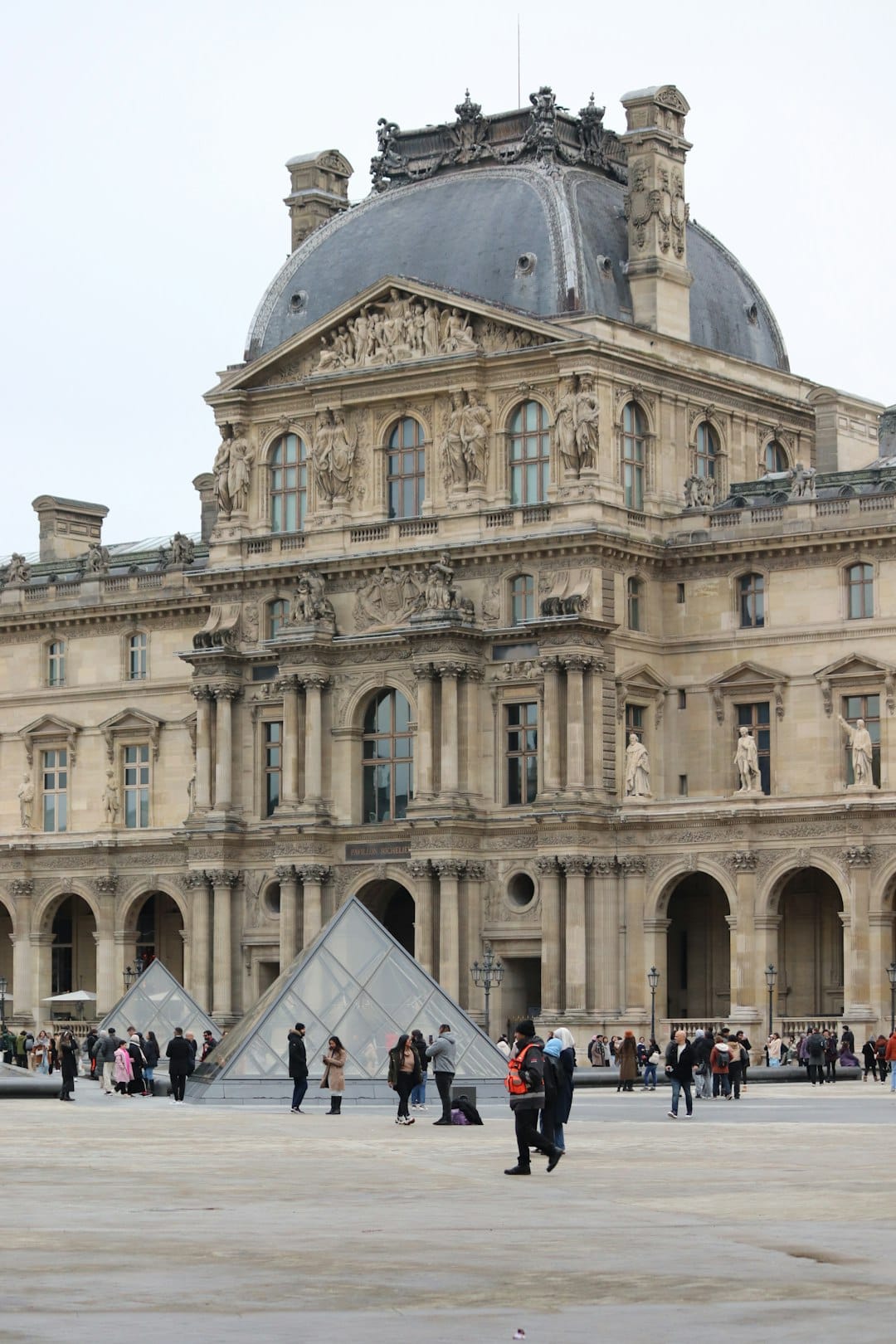
France just recorded its hottest day ever for June, with a combined average of daytime and nighttime temperatures hitting 30°C. That’s a number that hasn’t been seen since official records began in 1947. In the western Poitou-Charentes-Val de Loire region, thermometers climbed to 43°C, just a whisper away from the 44.3°C peak measured earlier in Pissos. Even with a slight dip from Tuesday’s highs, the heat hasn’t let up. Two of Paris’s most beloved landmarks, the Louvre Museum and the Eiffel Tower, had to close early. A Louvre spokesperson explained that the building simply isn’t designed to handle this kind of heat, raising a bigger question: how many of our cultural treasures are ready for a warming world?
The human impact is real and immediate. Since Thursday, at least 40 people have died in France, including a six-year-old child at a beach in Bègles, Gironde. Doctors are reminding everyone that extreme heat doesn’t just make you uncomfortable, it can be dangerous, especially for children, the elderly, and those with health conditions. Wildfires are another growing concern. In the Maine-et-Loire region, over 150 firefighters worked through the night to contain a major blaze in the Breignon forest near Saint-Macaire-du-Bois. These fires are becoming more frequent, and they’re a sign of what’s to come if summers keep getting hotter.
As the heatwave moved east, the United Kingdom joined the record-breaking club. On Wednesday afternoon, Gosport in Hampshire recorded its hottest June day ever at 36.1°C, or 97°F. Forecasters say it could climb to 38°C by Thursday. A rare red heat alert has been extended to several areas, signaling a serious risk to public safety. Spain is also feeling the burn, with its highest daily average temperatures since 1950: 28.08°C on Monday and 28.17°C on Tuesday. Northern Spain remains under red alert, with parts of the Basque Country expected to hit 42°C.
Italy has 16 red heat alerts active, mostly in the north and center. Germany, the Netherlands, and Belgium are bracing for their turn, with temperatures expected to peak by the weekend. Forecasts show highs of up to 39°C in southern and central Germany. The Dutch weather service, KNMI, has issued a Code Orange alert for southern and central areas through Friday. In Belgium, most regions are under orange alerts, with 37°C expected in the coming days.
Beyond human health, the heatwave is testing infrastructure and natural resources. In Germany, several drownings have been reported, including a 26-year-old man who died after entering the Danube River near Regensburg. Experts warn that people seeking relief in rivers and lakes may not realize the hidden dangers, like strong currents or cold shock. Water scarcity is another pressing issue. Regions like Brandenburg, Hesse, and North Rhine-Westphalia are asking residents to conserve water as reservoir levels drop and evaporation rates rise. Barbecue bans have been put in place in cities like Stuttgart and Freiburg, reflecting concerns about both fire risk and water usage.
Climate scientists have a clear message: Europe is warming at more than twice the global average rate, making it the fastest-warming continent. Research published in Nature Climate Change shows that heat extremes in Europe are now 10 times more likely due to human-caused climate change. Without significant cuts in emissions, these events will only become more frequent and intense.
This heatwave is a powerful reminder that adaptation isn’t optional, it’s essential. Cities need heat-resilient materials, more green spaces, and better ventilation in public buildings. Public health campaigns should focus on protecting vulnerable populations, and emergency response systems must be upgraded to handle mass heat-related illnesses. Energy grids, already strained by soaring demand for air conditioning, need modernization to prevent blackouts during peak usage.
Looking ahead, the heatwave is expected to push into eastern Europe by mid-week, with severe heat warnings already issued for Poland, Croatia, and Hungary. Regional cooperation will be key to managing cross-border impacts, sharing resources, and coordinating disaster response. This isn’t just a weather event, it’s a new reality. Europe is facing a sustained shift toward hotter, drier summers. The implications touch everything from agriculture and energy production to transportation and long-term economic stability. Addressing this challenge requires both short-term emergency measures and long-term investment in climate resilience, sustainable urban development, and global efforts to reduce emissions.
As temperatures continue to climb and communities adapt, one thing becomes clear: the era of predictable European weather is behind us. What lies ahead demands preparedness, innovation, and collective action. The question now is, how ready are we?
Related in Global Trend

Global Trend
Meta’s AI Image Tool Vanishes Days After Launch: What Happened to Your Instagram Photos?
Just days after its flashy debut, Meta’s new AI image generation feature has been pulled from the platform. The tool, part of the Muse Image rollout, let users of Meta’s AI chatbot create artificial images by pulling content from public Instagram accounts. Think about that for a…
Read More...
Global Trend
Middle East Travelers Are Flocking to Thailand for Wellness: Here’s What’s Driving the 2026 Boom
What if the next luxury vacation didn’t just pamper you but actually changed how you feel long after you return home? That’s the question Thailand is asking Middle East travelers right now. And the answer is reshaping how people from the Gulf plan their getaways. The Tourism Aut…
Read More...
Global Trend
How SK Hynix Raised $26.5 Billion in Its US Debut: What It Means for AI Chip Investors
Imagine walking into a room where the world’s biggest money managers are all fighting for a piece of the same company. That’s exactly what happened when SK Hynix, the South Korean memory chip giant, stepped onto the Nasdaq stage in July 2026. The result? A staggering $26.5 billi…
Read More...
Global Trend
What Happens When Bieber, Madonna, Shakira, and BTS Share the World Cup Stage?
Imagine this: It’s July 19, 2026, and the world is watching. Not just for the final whistle of the FIFA World Cup, but for something that’s never happened before. For the first time in the tournament’s history, a Super Bowl style halftime show is about to unfold at MetLife Stadi…
Read More...
Global Trend
80 Targets Hit: What the US Strikes on Iran Mean for Global Oil Routes
The world’s most critical oil passageway just became the epicenter of a major military confrontation. The United States has launched sweeping airstrikes across Iran’s southern coast, hitting more than 80 locations after three commercial tankers came under attack in the Strait of…
Read More...
Global Trend
Travel Before the Crowds: Why the Two Weeks Before School Holidays Are Your Best Bet for a Peaceful Summer Escape
Picture this: warm sand beneath your feet, a gentle sea breeze, and the sound of waves instead of the chatter of crowds. That’s the reality for travelers who discover a simple truth about summer vacations. The best time to go isn’t when everyone else does. It’s the two weeks rig…
Read More...
Global Trend
Faster Patents in Europe and China: What the New EPO-CNIPA PPH Pilot Means for Your Innovation Timeline
What if you could cut months off the time it takes to secure a patent in both Europe and China? Starting August 1, 2026, that possibility becomes reality. The European Patent Office (EPO) and China National Intellectual Property Administration (CNIPA) are launching a new bilater…
Read More...
Global Trend
What Happened in a Utah Courtroom When Charlie Kirk’s Family Came Face to Face With His Accused Killer?
On a quiet Tuesday morning in May 2026, a Utah courtroom became the center of a story that has haunted America for months. The family of Charlie Kirk, the 31-year-old conservative activist and founder of Turning Point USA, sat just feet away from the man accused of ending his li…
Read More...
Global Trend
4 New Luxury Travel Mindsets Reshaping Asia Pacific: How Gen Z Is Redefining High End Tourism
What does luxury mean to a generation that grew up with Instagram, climate anxiety, and a craving for meaning? A sweeping study of 2,800 affluent travelers across eight Asia Pacific markets—China, Japan, South Korea, Australia, India, Singapore, Thailand, and Indonesia—has uncov…
Read More...
Global Trend
How Europe and China Are Cutting Patent Wait Times by 40% Starting August 2026
Imagine filing a single patent application and watching it sail through two of the world’s largest intellectual property offices with minimal friction. That vision becomes reality on August 1, 2026, when the European Patent Office (EPO) and the China National Intellectual Proper…
Read More...