
Historic Iran Peace Deal Signed: 5 Key Changes Reshaping the Middle East You Need to Know
Biarritz, France, MMN Correspondent: What if the most volatile conflict in the Middle East just took a sudden, unexpected turn toward peace? On Monday, June 15, 2026, former U.S. President Donald Trump stood alongside French President Emmanuel Macron at the G7 summit in Biarritz and made an announcement that caught global diplomacy off guard. A preliminary agreement to end the long-standing confrontation with Iran had already been signed. “I am very happy to say it’s signed, the deal is all signed,” Trump declared, framing the moment as a transformative chapter in Middle Eastern history.
This development arrives after a decade marked by rising tensions and military escalation across the region. The 2015 Joint Comprehensive Plan of Action, better known as the Iran nuclear deal, had collapsed years earlier. Since then, proxy conflicts in Iraq, Syria, Yemen, and Lebanon became the new normal, while both Washington and Tehran imposed layers of crippling sanctions. Now, a single document—reportedly just a page and a half long—has opened the door to something many thought impossible: a diplomatic off-ramp.
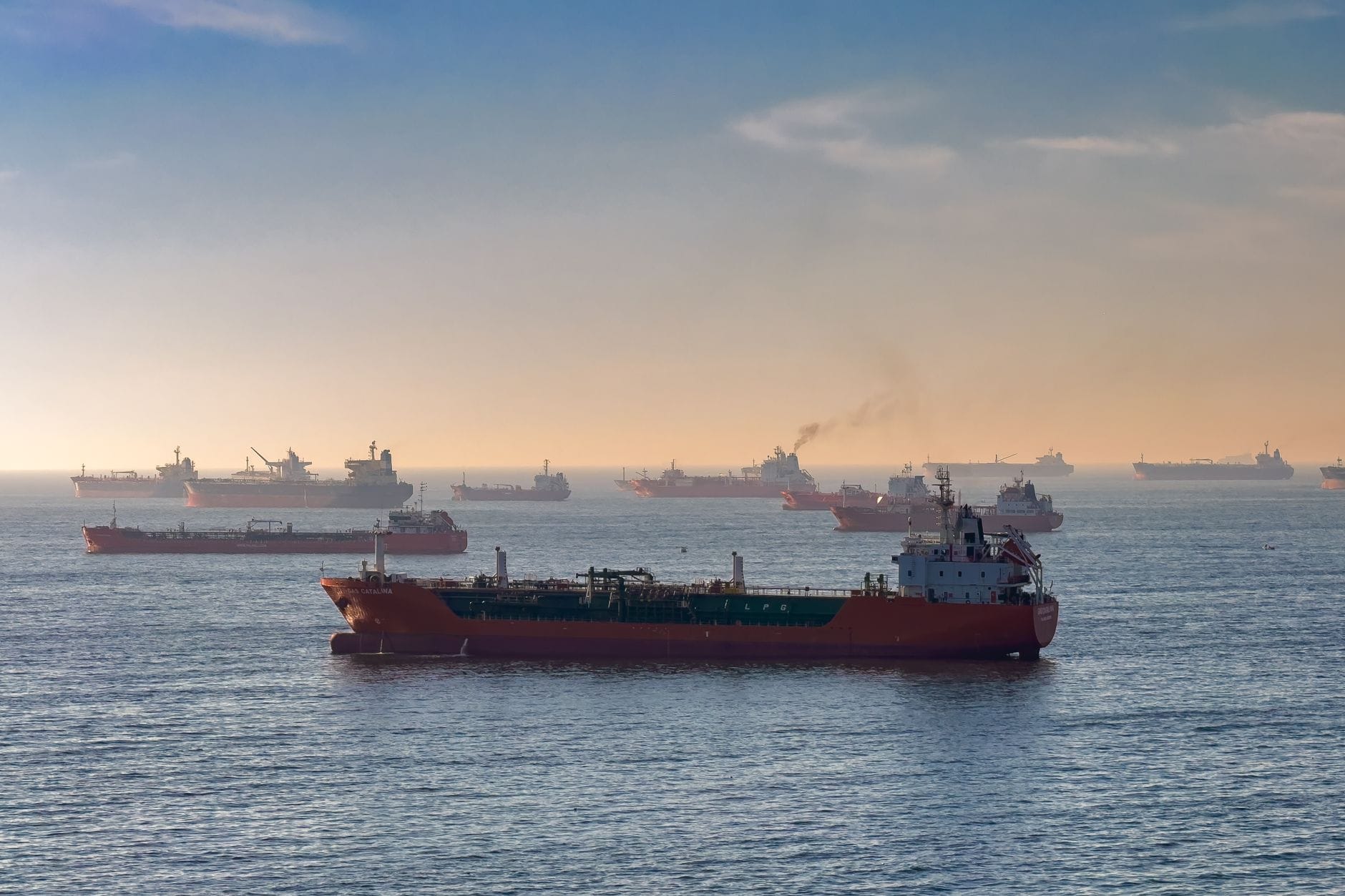
According to senior U.S. officials, the framework agreement was signed electronically by Trump, Vice President JD Vance, and Iranian Parliament Speaker Mohammad Bagher Ghalibaf. The formal signing ceremony is scheduled for Friday, June 19, 2026, in Geneva. That same day, the strategically vital Strait of Hormuz—through which nearly 20% of the world’s oil supply flows—will reopen after being partially blocked due to regional hostilities. Trump confirmed on social media that ships were already moving through the strait, many carrying oil cargoes. The immediate effect on global energy markets could be significant.
What exactly does this memorandum of understanding contain? It establishes a broad diplomatic framework rather than a fully detailed treaty. As Vice President Vance explained to CNN’s Jake Tapper, “On a number of issues, we are going to have to figure this stuff out during the technical negotiation phase.” Still, the document includes several critical commitments from Iran. Tehran has pledged to pursue “regional peace and stability,” which explicitly involves halting funding to designated terrorist organizations. Most importantly, Iran has committed to a verifiable, irreversible ban on developing nuclear weapons—a condition that has long been central to Western demands.
Technical negotiations on Iran’s nuclear program are expected to begin immediately. The goal is to verify compliance through an enhanced International Atomic Energy Agency monitoring regime. Any relief from economic sanctions or release of frozen assets—including access to tens of billions of dollars in oil revenues previously blocked by international financial institutions—will depend on Iran meeting its obligations under the agreement. This marks a significant shift from previous approaches, where sanctions relief was often tied to vague promises rather than measurable actions.
The ceasefire established by the accord will remain in effect for 60 days, providing a crucial window for finalizing the terms of a permanent peace agreement. During this period, direct talks between U.S. and Iranian delegations are expected to take place in Geneva, with Qatar serving as a key mediator. Qatari officials held nearly 14 hours of intensive negotiations in Tehran prior to the agreement’s announcement, underscoring the country’s growing role as a neutral broker in Middle Eastern diplomacy.
Pakistan’s Prime Minister Shehbaz Sharif, who played a mediating role, welcomed the breakthrough. He stated that the deal included “the immediate and permanent termination of military operations on all fronts, including in Lebanon.” While Lebanon is now covered under the ceasefire framework, Israeli forces will retain their presence in security zones across southern Lebanon, Syria, and Gaza, according to Israeli Prime Minister Benjamin Netanyahu. In a press conference, Netanyahu emphasized that Israel would maintain the right to self-defense and continue acting against any threats, regardless of the new agreement.
Despite the optimism, violence flared shortly after the announcement. Lebanese media reported a deadly Israeli airstrike in southern Lebanon—the first since the deal was announced—prompting Hezbollah to retaliate with missiles and drones. This incident highlights the fragility of the situation and the challenges of enforcing a ceasefire when non-state actors remain deeply involved.
Iranian officials offered mixed reactions. Deputy Foreign Minister Kazem Gharibabadi confirmed the end of military operations in a televised interview, framing the agreement as a victory for Iran. Meanwhile, Iran’s top military command, Khatam al-Anbiya Central Headquarters, claimed that Iranian forces and allied militias had demonstrated such strength that the U.S. and Israel had no choice but to surrender. However, Iran’s foreign ministry maintained a cautious stance, stating that Tehran still harbors “deep mistrust” toward the United States and that the agreement represents only a step toward reducing tensions.
European allies echoed the U.S. position with strong support. In a joint statement, leaders of the UK, France, Germany, and Italy affirmed that Iran “must never acquire a nuclear weapon” while expressing readiness to lift relevant sanctions if Iran takes clear, verifiable steps on its nuclear program. UK Prime Minister Sir Keir Starmer hailed the announcement as “a hugely important step forward in ending the war, ensuring regional stability and re-opening the Strait of Hormuz.”
The implications of this agreement extend far beyond bilateral relations. If fully implemented, the deal could reshape global energy markets, reduce military spending in the region, and open new avenues for trade and investment. It also sets a precedent for resolving long-standing conflicts through diplomacy rather than force, potentially influencing future negotiations in other troubled regions.
Yet, experts warn that the road ahead remains fraught with challenges. Verification mechanisms must be robust, enforcement mechanisms credible, and regional actors like Hezbollah, Hamas, and various militia groups brought into the fold. The success of the 60-day transition period will determine whether this marks the beginning of lasting peace—or merely a temporary truce.
As the world watches the next moves in Geneva, one thing is clear: the Middle East stands on the brink of a historic transformation. Whether this moment becomes a true turning point depends not only on words on paper but on sustained commitment, transparency, and trust-building among all parties involved.
Related in Global Trend

Global Trend
Meta’s AI Image Tool Vanishes Days After Launch: What Happened to Your Instagram Photos?
Just days after its flashy debut, Meta’s new AI image generation feature has been pulled from the platform. The tool, part of the Muse Image rollout, let users of Meta’s AI chatbot create artificial images by pulling content from public Instagram accounts. Think about that for a…
Read More...
Global Trend
Middle East Travelers Are Flocking to Thailand for Wellness: Here’s What’s Driving the 2026 Boom
What if the next luxury vacation didn’t just pamper you but actually changed how you feel long after you return home? That’s the question Thailand is asking Middle East travelers right now. And the answer is reshaping how people from the Gulf plan their getaways. The Tourism Aut…
Read More...
Global Trend
How SK Hynix Raised $26.5 Billion in Its US Debut: What It Means for AI Chip Investors
Imagine walking into a room where the world’s biggest money managers are all fighting for a piece of the same company. That’s exactly what happened when SK Hynix, the South Korean memory chip giant, stepped onto the Nasdaq stage in July 2026. The result? A staggering $26.5 billi…
Read More...
Global Trend
What Happens When Bieber, Madonna, Shakira, and BTS Share the World Cup Stage?
Imagine this: It’s July 19, 2026, and the world is watching. Not just for the final whistle of the FIFA World Cup, but for something that’s never happened before. For the first time in the tournament’s history, a Super Bowl style halftime show is about to unfold at MetLife Stadi…
Read More...
Global Trend
80 Targets Hit: What the US Strikes on Iran Mean for Global Oil Routes
The world’s most critical oil passageway just became the epicenter of a major military confrontation. The United States has launched sweeping airstrikes across Iran’s southern coast, hitting more than 80 locations after three commercial tankers came under attack in the Strait of…
Read More...
Global Trend
Travel Before the Crowds: Why the Two Weeks Before School Holidays Are Your Best Bet for a Peaceful Summer Escape
Picture this: warm sand beneath your feet, a gentle sea breeze, and the sound of waves instead of the chatter of crowds. That’s the reality for travelers who discover a simple truth about summer vacations. The best time to go isn’t when everyone else does. It’s the two weeks rig…
Read More...
Global Trend
Faster Patents in Europe and China: What the New EPO-CNIPA PPH Pilot Means for Your Innovation Timeline
What if you could cut months off the time it takes to secure a patent in both Europe and China? Starting August 1, 2026, that possibility becomes reality. The European Patent Office (EPO) and China National Intellectual Property Administration (CNIPA) are launching a new bilater…
Read More...
Global Trend
What Happened in a Utah Courtroom When Charlie Kirk’s Family Came Face to Face With His Accused Killer?
On a quiet Tuesday morning in May 2026, a Utah courtroom became the center of a story that has haunted America for months. The family of Charlie Kirk, the 31-year-old conservative activist and founder of Turning Point USA, sat just feet away from the man accused of ending his li…
Read More...
Global Trend
4 New Luxury Travel Mindsets Reshaping Asia Pacific: How Gen Z Is Redefining High End Tourism
What does luxury mean to a generation that grew up with Instagram, climate anxiety, and a craving for meaning? A sweeping study of 2,800 affluent travelers across eight Asia Pacific markets—China, Japan, South Korea, Australia, India, Singapore, Thailand, and Indonesia—has uncov…
Read More...
Global Trend
How Europe and China Are Cutting Patent Wait Times by 40% Starting August 2026
Imagine filing a single patent application and watching it sail through two of the world’s largest intellectual property offices with minimal friction. That vision becomes reality on August 1, 2026, when the European Patent Office (EPO) and the China National Intellectual Proper…
Read More...