
How Japan and Sweden Secured Last 32 Spots in a Thrilling World Cup 2026 Draw You Need to See

East Rutherford, New Jersey, MMN Correspondent: What happens when two teams walk onto the pitch knowing a draw sends both to the knockout rounds? You get a masterclass in controlled aggression, tactical chess, and one of the most gripping 90 minutes of the 2026 FIFA World Cup. Japan and Sweden delivered exactly that on June 26 at the newly expanded MetLife Stadium, leaving 82,000 fans on the edge of their seats until the final whistle.
From the opening kickoff, Japan looked like a team on a mission. Their signature short passes and disciplined shape pinned Sweden back early. The breakthrough came in the 28th minute, and it was a thing of beauty. Daizen Maeda, who had been a constant threat all tournament, finished a slick one-two with Takumi Minamino by slotting the ball past Robin Olsen from close range. The stadium erupted. Japan had drawn first blood, and their fans dared to dream of topping the group.
But Sweden had other plans. Instead of folding, the Nordic side recalibrated. Alexander Isak began drifting wider, pulling defenders out of position. Victor Claesson started dictating the tempo from midfield. The pressure built slowly, like a wave gathering strength before crashing. Then, in the 67th minute, Anthony Elanga wrote his name into World Cup lore. Picking up the ball 25 yards out, the 21 year old unleashed a curling strike that bent over goalkeeper Gōki Abe and nestled into the far corner. Silence from the Japanese end. Pure joy from the Swedish supporters.
What made Elanga’s goal so special wasn’t just the technique. It was the context. Sweden were missing captain Andreas Granqvist and injured defender Ludwig Augustinsson. Interim manager Janne Andersson had to rely on squad depth and tactical flexibility. The goal proved that Sweden’s system works even when stars are absent. It also raised a fascinating question: how deep does this Swedish bench really go?
The final 20 minutes were a chess match. Japan pushed forward with young winger Yuki Soma, using his pace to stretch the Swedish backline. Sweden responded with quick counters led by Isak. Both teams had chances. Both teams held their nerve. When the referee blew the final whistle, the 1-1 scoreline meant both sides advanced to the Round of 32. A result that felt like a win for everyone watching.
This draw carried deeper meaning. For Japan, it marked their sixth consecutive World Cup appearance since 2002, a record of consistency that no other Asian nation can match. Their group stage record now stands at four wins, two draws, and one loss. For Sweden, this was their fifth knockout round qualification in the last six tournaments. Two programs, different paths, same destination.
Numbers tell part of the story. Japan dominated possession with 58 percent and fired 14 shots on target. Sweden managed 11 shots but converted their best chance with surgical precision. Both teams finished with six points, advancing on goal difference and head to head results. The stats confirm what the eyes saw: two well coached sides who knew exactly what they needed to do.
The broader tournament narrative is worth noting. The 2026 World Cup has already showcased remarkable parity. Multiple teams have survived tight finishes to reach the knockout stages. Analysts point to the growing global talent pool and improved preparation standards across federations. Japan and Sweden are perfect examples of this trend. They didn’t just survive. They adapted, evolved, and delivered when it mattered most.
Looking ahead, Japan’s path gets steeper. They will likely face Brazil or Portugal in the Round of 32. Sweden’s opponent could be Argentina or Morocco. Both teams are already deep in preparation, focusing on set pieces, physical conditioning, and mental readiness. The question now is whether they can build on this momentum or if the knockout stage pressure will expose cracks.
One of the most encouraging aspects of this match was the youth on display. Japan started five players aged 24 or younger, including debutant central defender Kohei Oka, who showed remarkable composure under pressure. Sweden’s Elanga, at 21, proved that age is just a number when talent and opportunity align. These young players are not just the future. They are the present.
As the World Cup moves into its most intense phase, the story of Japan and Sweden offers a reminder of what makes this tournament special. Teamwork, tactical intelligence, and perseverance can turn a draw into a defining moment. Their 1-1 tie may not have produced a winner, but it produced something equally valuable: a night of football that fans will remember for years.
The knockout rounds are here. The drama is just beginning. One thing is certain: the 2026 FIFA World Cup has already delivered on its promise of excitement, unity, and global passion. And if Japan and Sweden are any indication, the best is yet to come.
Related in Sport

Sport
How Dubai Basketball Won the ABA League in Just Two Seasons: Inside the Partnership That Made It Possible
When Dubai Basketball lifted the ABA League trophy after only its second season, the basketball world took notice. But the story behind that trophy is bigger than any single game or player. It is a story about what happens when a city’s ambition meets a partner that moves mounta…
Read More...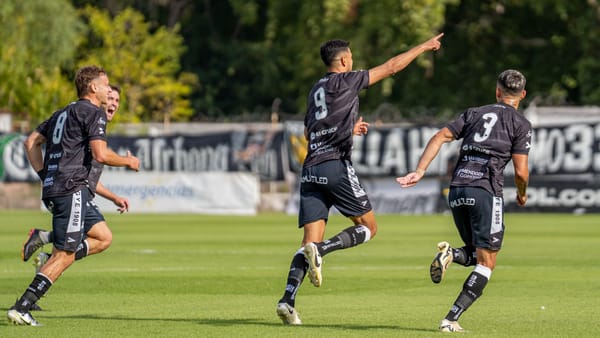
Sport
From Career-Threatening Injury to World Cup Hero: How Mikel Merino Became Spain’s Clutch Performer in 2026
Imagine being told you might never play football again. Then imagine stepping onto the world’s biggest stage months later and scoring the goals that carry your country to the semi finals. That is the reality for Mikel Merino, the Arsenal midfielder who has quietly become the mos…
Read More...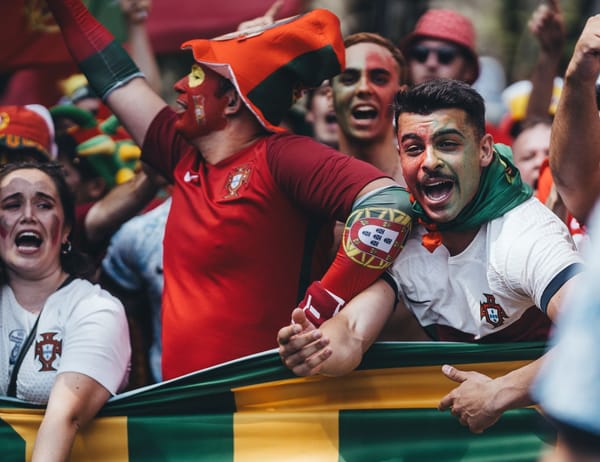
Sport
Can France’s 2026 World Cup Squad Become the Greatest Team in History?
What does it take to build a football dynasty? France is giving the world a masterclass answer right now. With a commanding 2-0 victory over Morocco in Boston, Les Bleus have become the first team to lock in a semi final spot at the 2026 FIFA World Cup. They are chasing a third…
Read More...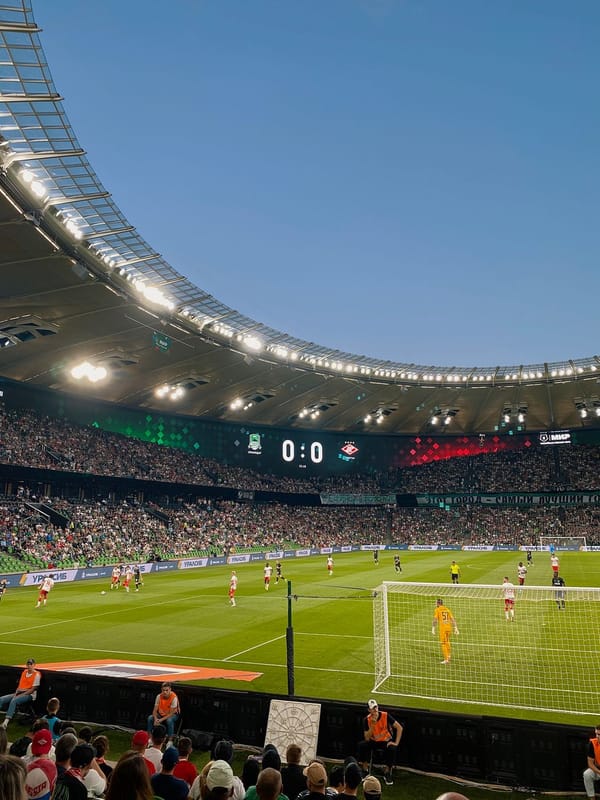
Sport
Will France Survive Morocco’s Challenge? 4 Quarter-Final Predictions That Could Reshape the World Cup
The 2026 FIFA World Cup quarter-finals are here, and the tension is almost unbearable. Four matches stand between eight teams and a shot at glory. Every pass, every tackle, every decision could rewrite football history. Among the most anticipated battles is France versus Morocco…
Read More...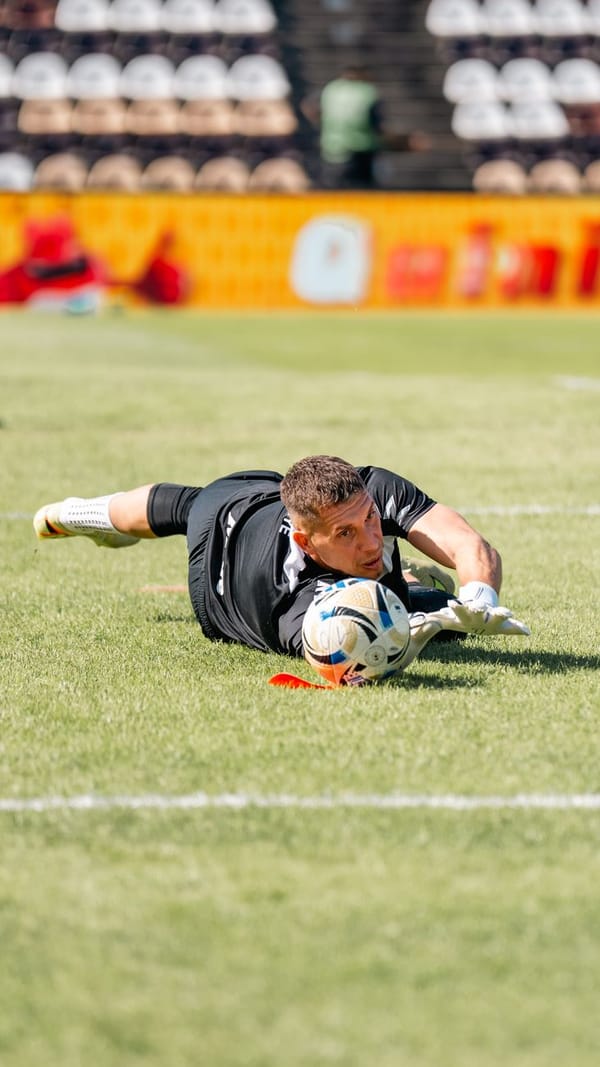
Sport
How Gregor Kobel’s Three Saves Sent Switzerland to the 2026 World Cup Quarter Finals
What happens when a team’s entire World Cup dream rests on one goalkeeper’s reflexes? You get the kind of night that turns a quiet Swiss shot stopper into a national legend. Switzerland’s 2026 campaign just took a historic turn, and it all unfolded under the lights of MetLife St…
Read More...
Sport
What Really Went Wrong for USA in World Cup 2026? One Defensive Mistake That Changed Everything
You could feel the air leave the stadium. The 2026 FIFA World Cup Round of 16 match between the United States and Belgium was poised on a knife edge. Then, in the 67th minute, everything shifted. A single moment of miscommunication turned a tightly contested knockout game into a…
Read More...
Sport
How a 19-Year-Old’s Header Just Changed England’s World Cup Destiny – See the Moment That Stunned Mexico
The Estadio Azteca roared with over 87,000 voices, a wall of green and white that seemed impossible to penetrate. Yet, in the 38th minute, a single leap by a teenager silenced an entire nation. Jude Bellingham, just 19 years old, rose above the Mexican defense and powered a head…
Read More...
Sport
How France Outlasted Paraguay’s Relentless Tactics in a Heated World Cup 2026 Quarterfinal – What the Scoreline Doesn’t Tell You
The 2026 FIFA World Cup quarterfinal between France and Paraguay at Lincoln Financial Field was never going to be a classic. But what unfolded under the sweltering Philadelphia sun was something far more gripping than a simple 1-0 scoreline suggests. This was a match that tested…
Read More...
Sport
How Argentina Survived Cape Verde’s 120-Minute Ambush: 3 Key Moments That Defined a World Cup Classic
What happens when a two-time world champion meets a team that refuses to believe in rankings? You get a night that rewrites the script of the 2026 World Cup. Argentina’s 3-2 extra-time victory over Cape Verde on July 4 at the Estadio Ciudad de México wasn’t just a match. It was…
Read More...
Sport
How a Single Millimeter Decided Croatia’s Fate Against Portugal in the 2026 World Cup Knockout
What happens when a goal that should have been the equalizer gets erased by a margin so thin it’s almost invisible? That’s the question football fans around the world are asking after Croatia’s heartbreaking 1-0 loss to Portugal in the Round of 16 of the 2026 FIFA World Cup. The…
Read More...