
Iran at the 2026 World Cup: How a Border Camp in Tijuana Became the Stage for a Diplomatic Showdown
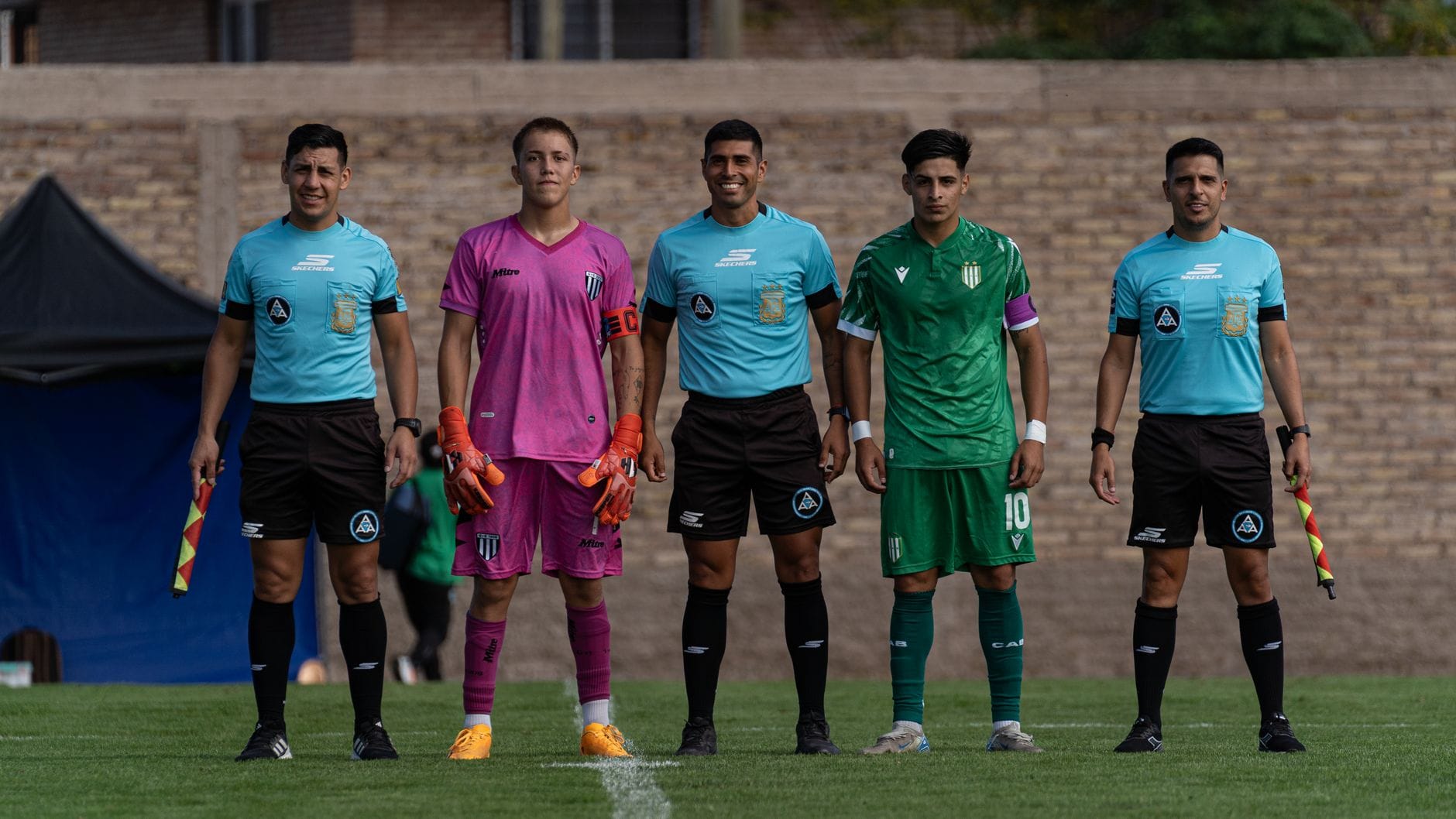
Tijuana, Mexico, MMN Correspondent: When Iran’s national football team touched down in Tijuana on a quiet Sunday morning, they weren’t just arriving for a tournament. They were stepping into a story that blends sport, sovereignty, and strategy in ways few could have predicted. The 2026 FIFA World Cup is about to begin, and for Iran, the journey from Tehran to this Mexican border city has already become one of the most talked-about narratives of the event.
Why Tijuana? Because all three of Iran’s group stage matches are scheduled inside the United States, in Los Angeles and Seattle. But instead of setting up camp on American soil, the team chose to base themselves just south of the border. The reason is as practical as it is political: a growing diplomatic standoff over visa access for the Iranian delegation has made direct entry into the U.S. complicated for many of the people who make a World Cup campaign possible.
Iran earned its place in the tournament by topping its qualification group in March 2025, a feat that came against a backdrop of heightened tensions between Tehran and Washington, including military actions involving Israel. Now, with the world’s eyes on the pitch, a different kind of match is playing out behind the scenes. U.S. officials confirmed that visas were issued to all players and essential support staff ten days before the first match. But a significant number of senior officials, including the head of the Iranian Football Federation, his deputy, and key media personnel, were denied entry. According to Iranian state-linked reports, 15 members of the delegation were barred from entering the country.
The U.S. government cited potential security risks, stating it would not allow any individual with ties to the Islamic Revolutionary Guards Corps (IRGC) to gain access. This decision reflects broader U.S. foreign policy stances, particularly regarding Iran’s military and intelligence networks. The Iranian embassy in Turkey condemned the move as politically biased interference in sport, accusing the U.S. of using the visa process to undermine Iran’s participation. Officials emphasized that many of those denied entry are technical advisers, administrative leaders, and media coordinators critical to the team’s operations. They urged FIFA to step in and resolve the dispute, arguing that such actions compromise the integrity and fairness of the competition.
This situation has drawn global attention because of its symbolic weight. The 2026 World Cup will be the first to feature a host nation, specifically the United States, playing against a country with which it is engaged in active or ongoing conflict. The presence of Iran, a nation often at odds with U.S. foreign policy, on American soil during a major international event underscores a rare intersection of geopolitics and sport. It raises fundamental questions about whether sporting events can remain truly apolitical when national interests, security policies, and historical tensions come into play.
Football fans around the world have expressed concern over the impact on Iran’s performance and morale. The absence of key leadership figures may affect coordination, player motivation, and strategic planning. Moreover, the logistical burden of traveling across borders on match days adds stress and complexity, potentially affecting player fitness and recovery. While the U.S. maintains that these measures are necessary to prevent abuse of the visa system, critics argue that the selective enforcement sends a message that certain nations are being unfairly targeted.
Iran’s squad includes several players who have completed mandatory military service, a requirement for Iranian males aged 18 to 30. This background has further fueled U.S. scrutiny, as authorities seek to verify affiliations with state-backed organizations. However, there is no public evidence linking any of the Iranian players to terrorism or illicit activities, and the vast majority of athletes are viewed as representing their nation through sport, not state policy.
As the tournament approaches, the spotlight remains on FIFA’s role in mediating such disputes. The organization has previously intervened in high-profile cases involving travel bans, human rights issues, and political protests. Yet, this instance presents a unique challenge: balancing national sovereignty, security concerns, and the principles of fair competition. The outcome could set a precedent for future international tournaments, especially as global conflicts continue to evolve.
Iran’s group opponents, Belgium and Egypt, have both expressed support for the team’s right to compete. Belgian officials acknowledged the challenges faced by the delegation but reiterated their commitment to a fair and respectful tournament. Egypt, while cautious in public statements, has signaled willingness to engage diplomatically to ensure smooth proceedings.
With the World Cup kicking off on June 11, 2026, and Iran’s first match scheduled for June 15 in Los Angeles, the coming days will be crucial. The team’s ability to adapt to these circumstances, both physical and emotional, will be tested. Their journey from Tehran to Tijuana symbolizes more than just a football campaign. It represents a larger narrative about diplomacy, resilience, and the enduring power of sport to transcend division.
For millions watching worldwide, this World Cup promises not just thrilling matches, but also a deeper understanding of how global politics shapes the games we love. As Iran takes the field in the U.S., the world will be watching, not just for goals, but for signs of peace, respect, and the possibility of unity in an increasingly fractured world.
Related in Sport

Sport
How Dubai Basketball Won the ABA League in Just Two Seasons: Inside the Partnership That Made It Possible
When Dubai Basketball lifted the ABA League trophy after only its second season, the basketball world took notice. But the story behind that trophy is bigger than any single game or player. It is a story about what happens when a city’s ambition meets a partner that moves mounta…
Read More...
Sport
From Career-Threatening Injury to World Cup Hero: How Mikel Merino Became Spain’s Clutch Performer in 2026
Imagine being told you might never play football again. Then imagine stepping onto the world’s biggest stage months later and scoring the goals that carry your country to the semi finals. That is the reality for Mikel Merino, the Arsenal midfielder who has quietly become the mos…
Read More...
Sport
Can France’s 2026 World Cup Squad Become the Greatest Team in History?
What does it take to build a football dynasty? France is giving the world a masterclass answer right now. With a commanding 2-0 victory over Morocco in Boston, Les Bleus have become the first team to lock in a semi final spot at the 2026 FIFA World Cup. They are chasing a third…
Read More...
Sport
Will France Survive Morocco’s Challenge? 4 Quarter-Final Predictions That Could Reshape the World Cup
The 2026 FIFA World Cup quarter-finals are here, and the tension is almost unbearable. Four matches stand between eight teams and a shot at glory. Every pass, every tackle, every decision could rewrite football history. Among the most anticipated battles is France versus Morocco…
Read More...
Sport
How Gregor Kobel’s Three Saves Sent Switzerland to the 2026 World Cup Quarter Finals
What happens when a team’s entire World Cup dream rests on one goalkeeper’s reflexes? You get the kind of night that turns a quiet Swiss shot stopper into a national legend. Switzerland’s 2026 campaign just took a historic turn, and it all unfolded under the lights of MetLife St…
Read More...
Sport
What Really Went Wrong for USA in World Cup 2026? One Defensive Mistake That Changed Everything
You could feel the air leave the stadium. The 2026 FIFA World Cup Round of 16 match between the United States and Belgium was poised on a knife edge. Then, in the 67th minute, everything shifted. A single moment of miscommunication turned a tightly contested knockout game into a…
Read More...
Sport
How a 19-Year-Old’s Header Just Changed England’s World Cup Destiny – See the Moment That Stunned Mexico
The Estadio Azteca roared with over 87,000 voices, a wall of green and white that seemed impossible to penetrate. Yet, in the 38th minute, a single leap by a teenager silenced an entire nation. Jude Bellingham, just 19 years old, rose above the Mexican defense and powered a head…
Read More...
Sport
How France Outlasted Paraguay’s Relentless Tactics in a Heated World Cup 2026 Quarterfinal – What the Scoreline Doesn’t Tell You
The 2026 FIFA World Cup quarterfinal between France and Paraguay at Lincoln Financial Field was never going to be a classic. But what unfolded under the sweltering Philadelphia sun was something far more gripping than a simple 1-0 scoreline suggests. This was a match that tested…
Read More...
Sport
How Argentina Survived Cape Verde’s 120-Minute Ambush: 3 Key Moments That Defined a World Cup Classic
What happens when a two-time world champion meets a team that refuses to believe in rankings? You get a night that rewrites the script of the 2026 World Cup. Argentina’s 3-2 extra-time victory over Cape Verde on July 4 at the Estadio Ciudad de México wasn’t just a match. It was…
Read More...
Sport
How a Single Millimeter Decided Croatia’s Fate Against Portugal in the 2026 World Cup Knockout
What happens when a goal that should have been the equalizer gets erased by a margin so thin it’s almost invisible? That’s the question football fans around the world are asking after Croatia’s heartbreaking 1-0 loss to Portugal in the Round of 16 of the 2026 FIFA World Cup. The…
Read More...