
Kyiv Under Fire: How Russia’s Largest Air Assault in Weeks Is Reshaping the War’s Next Phase
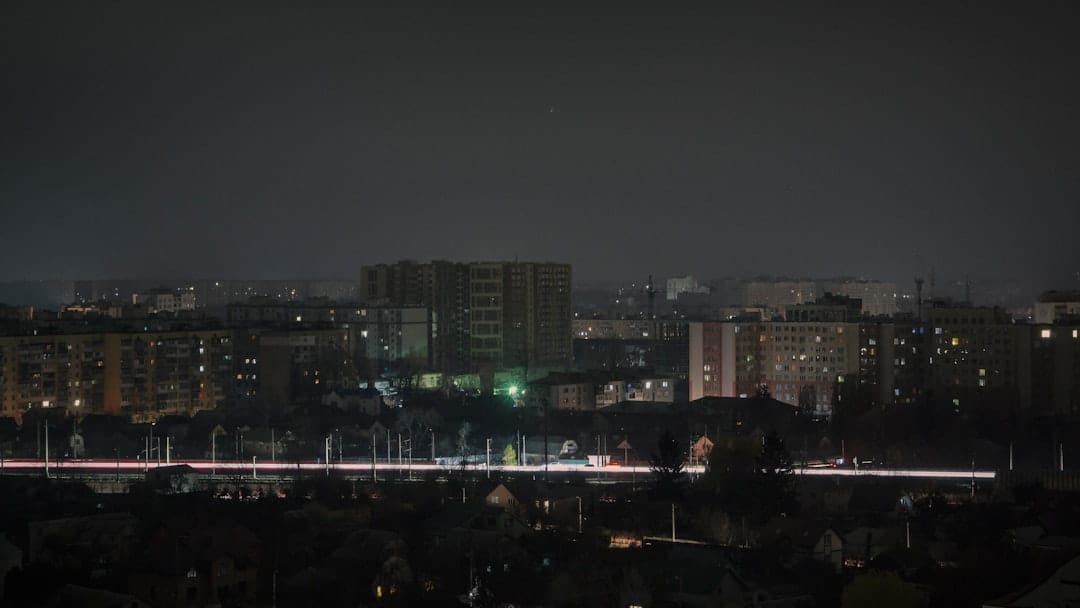
Kyiv, Ukraine, MMN Correspondent: What happens when a city that has already survived hundreds of strikes faces its most intense aerial barrage in weeks? That question hung over Kyiv on the morning of July 2, 2026, as Russian forces launched a coordinated wave of drones and missiles that lit up the sky and sent residents scrambling for shelter. This wasn’t just another attack. It was a carefully orchestrated assault that left at least one person dead, 11 injured, and entire neighborhoods shaken.
Eyewitnesses described a surreal scene: tracer fire from Ukraine’s Patriot and NASAMS air defense systems crisscrossing the night sky, explosions echoing through districts like Podil and Holosiivskyi. One nine-story apartment building collapsed entirely, trapping people under rubble. Mayor Vitali Klitschko confirmed rescue teams were still working hours later, a reminder that the danger doesn’t end when the sirens stop.
The attack hit more than homes. A local ambulance station was struck, critically injuring one person and disrupting emergency services at a critical moment. Fires broke out across the city, fueled by ruptured fuel tanks and damaged electrical systems. Firefighters worked through the night, balancing the need to save lives with the risk of unstable structures. Hospitals reported a surge in trauma cases, testing a system already stretched thin by years of war.
Timing is everything in modern warfare, and this assault came just hours after President Volodymyr Zelenskyy cut short a diplomatic trip to Dublin. He had received intelligence warnings of an imminent Russian offensive targeting Kyiv. His swift return to Ukraine underscored a new reality: real-time intelligence can mean the difference between life and death for thousands of civilians.
Poland, a key NATO neighbor, responded by activating its fighter jets and placing them on heightened alert. No attacks were reported on Polish soil, but the move was described as preventative, aimed at securing airspace near the border. This decision reflects a broader regional anxiety. Article 5 of the North Atlantic Treaty states that an attack on one member is an attack on all. While no formal invocation has occurred, the deployment signals readiness for any escalation.
Russia’s choice of weapons tells its own story. Cruise missiles, ballistic missiles, and swarms of kamikaze drones were used in combination, a tactic designed to overwhelm defenses through saturation and unpredictability. Defense analysts point out that some drones likely originated from eastern Ukraine or Belarus, while long-range missiles came from Crimea and the Black Sea region. Newer drone models with AI-guided navigation systems make tracking and interception increasingly difficult, posing a significant challenge for Ukrainian air defenses.
This assault marks a broader strategic shift. Russia appears to be moving focus from frontline battles in eastern Ukraine to targeted strikes on infrastructure and morale in urban centers. Kyiv, as both the political and symbolic heart of Ukraine, remains a prime target. Previous attacks in 2022 and 2023 caused widespread devastation, but the city’s resilience and rapid rebuilding efforts have made it a symbol of national endurance. Repeated bombardments, however, risk straining humanitarian resources and testing public confidence.
International observers see this attack as a potential signal of a larger Russian campaign planned for late summer 2026. Military analysts suggest Russia could be preparing for a renewed push in the Donbas region, using sustained pressure on Kyiv to divert Ukrainian reinforcements and weaken morale. The strategy blends kinetic strikes with psychological warfare, aiming to destabilize civilian life and pressure Western allies into reconsidering their support.
Global reactions came quickly. The European Union condemned the attack as a violation of international law and reaffirmed its commitment to Ukraine’s sovereignty. The United States announced additional aid packages, including more air defense systems and surveillance drones. German and French officials pledged increased logistical and financial support, emphasizing the importance of maintaining momentum in Ukraine’s resistance.
As Kyiv begins the long process of recovery, questions remain about the long-term impact on infrastructure, mental health, and economic stability. Thousands are displaced, essential services are strained, and the city faces a daunting reconstruction effort. Yet, the resilience of its people continues to inspire global attention. From volunteer-led relief efforts to community-led memorials for victims, Kyiv stands not only as a battleground but as a testament to human perseverance.
The world watches closely as the situation evolves. With tensions rising and new threats emerging, the future of Eastern Europe hangs in delicate balance. What unfolds next could redefine the trajectory of the war and the fate of millions caught in its shadow.
Related in Global Trend

Global Trend
Meta’s AI Image Tool Vanishes Days After Launch: What Happened to Your Instagram Photos?
Just days after its flashy debut, Meta’s new AI image generation feature has been pulled from the platform. The tool, part of the Muse Image rollout, let users of Meta’s AI chatbot create artificial images by pulling content from public Instagram accounts. Think about that for a…
Read More...
Global Trend
Middle East Travelers Are Flocking to Thailand for Wellness: Here’s What’s Driving the 2026 Boom
What if the next luxury vacation didn’t just pamper you but actually changed how you feel long after you return home? That’s the question Thailand is asking Middle East travelers right now. And the answer is reshaping how people from the Gulf plan their getaways. The Tourism Aut…
Read More...
Global Trend
How SK Hynix Raised $26.5 Billion in Its US Debut: What It Means for AI Chip Investors
Imagine walking into a room where the world’s biggest money managers are all fighting for a piece of the same company. That’s exactly what happened when SK Hynix, the South Korean memory chip giant, stepped onto the Nasdaq stage in July 2026. The result? A staggering $26.5 billi…
Read More...
Global Trend
What Happens When Bieber, Madonna, Shakira, and BTS Share the World Cup Stage?
Imagine this: It’s July 19, 2026, and the world is watching. Not just for the final whistle of the FIFA World Cup, but for something that’s never happened before. For the first time in the tournament’s history, a Super Bowl style halftime show is about to unfold at MetLife Stadi…
Read More...
Global Trend
80 Targets Hit: What the US Strikes on Iran Mean for Global Oil Routes
The world’s most critical oil passageway just became the epicenter of a major military confrontation. The United States has launched sweeping airstrikes across Iran’s southern coast, hitting more than 80 locations after three commercial tankers came under attack in the Strait of…
Read More...
Global Trend
Travel Before the Crowds: Why the Two Weeks Before School Holidays Are Your Best Bet for a Peaceful Summer Escape
Picture this: warm sand beneath your feet, a gentle sea breeze, and the sound of waves instead of the chatter of crowds. That’s the reality for travelers who discover a simple truth about summer vacations. The best time to go isn’t when everyone else does. It’s the two weeks rig…
Read More...
Global Trend
Faster Patents in Europe and China: What the New EPO-CNIPA PPH Pilot Means for Your Innovation Timeline
What if you could cut months off the time it takes to secure a patent in both Europe and China? Starting August 1, 2026, that possibility becomes reality. The European Patent Office (EPO) and China National Intellectual Property Administration (CNIPA) are launching a new bilater…
Read More...
Global Trend
What Happened in a Utah Courtroom When Charlie Kirk’s Family Came Face to Face With His Accused Killer?
On a quiet Tuesday morning in May 2026, a Utah courtroom became the center of a story that has haunted America for months. The family of Charlie Kirk, the 31-year-old conservative activist and founder of Turning Point USA, sat just feet away from the man accused of ending his li…
Read More...
Global Trend
4 New Luxury Travel Mindsets Reshaping Asia Pacific: How Gen Z Is Redefining High End Tourism
What does luxury mean to a generation that grew up with Instagram, climate anxiety, and a craving for meaning? A sweeping study of 2,800 affluent travelers across eight Asia Pacific markets—China, Japan, South Korea, Australia, India, Singapore, Thailand, and Indonesia—has uncov…
Read More...
Global Trend
How Europe and China Are Cutting Patent Wait Times by 40% Starting August 2026
Imagine filing a single patent application and watching it sail through two of the world’s largest intellectual property offices with minimal friction. That vision becomes reality on August 1, 2026, when the European Patent Office (EPO) and the China National Intellectual Proper…
Read More...