
Oil Prices Spike 2.6% After Iran’s Missile Strike on Israel: What This Means for Your Wallet and Global Stability
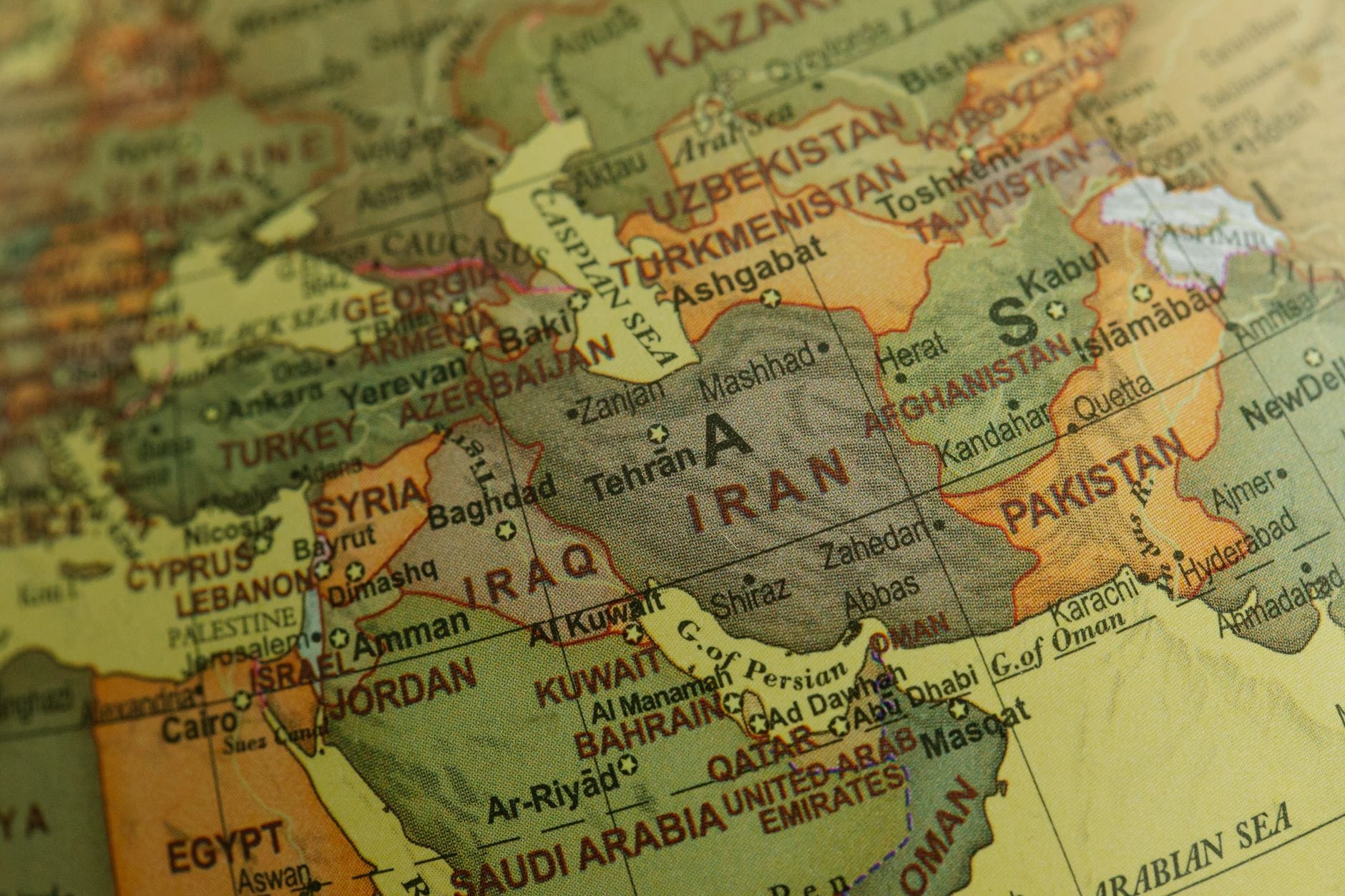
Tehran, MMN Correspondent: Global oil markets jolted awake on Monday as Iran launched its first missile attack on Israel since the fragile April ceasefire. The strike, executed by Iran’s Islamic Revolutionary Guard Corps (IRGC), shattered the brief calm and sent crude prices climbing sharply. Brent crude rose 2.6% to $95.50 per barrel, while U.S. West Texas Intermediate (WTI) climbed 2.5% to $92.75. Investors are now asking: how far can prices go before the next shock?
This attack marks a major escalation in a region where diplomacy has struggled to hold. The April ceasefire, brokered with U.S. help, was meant to cool tensions after months of cross-border strikes. But both sides have chipped away at it through covert operations, drone attacks, and naval skirmishes near the Strait of Hormuz. Now, Iran’s missile barrage feels like a deliberate test of the truce’s limits. Analysts see it as a signal that Tehran can strike at will, even under diplomatic pressure. The IRGC warned this is just the beginning, raising the stakes for what comes next.
In a surprising twist, U.S. President Donald Trump reportedly stepped in directly, urging Israeli Prime Minister Benjamin Netanyahu to hold off on retaliation. Sources close to the administration say Trump stressed the importance of preserving ongoing nuclear talks with Iran, which he described as nearing a final deal. He told aides, “We are very close to a good deal. I don’t want it to blow up because of what is happening now.” This intervention highlights the delicate balance between energy security and diplomatic progress.
Despite Washington’s push for restraint, Israel’s military leadership remains firm, stating it will strike the enemy as soon as orders come. This gap between U.S. caution and Israeli readiness reveals the complex dynamics within the alliance during crises. The question now is whether diplomacy can outpace military momentum.
The oil price surge isn’t just about this single event. Since February 28, when U.S. and Israeli forces coordinated strikes on Iranian military sites, markets have been on a rollercoaster. Those strikes, a response to years of proxy conflicts and Iran’s nuclear advances, briefly pushed Brent above $100 per barrel. Prices eased on hopes of de-escalation, but today’s attack has brought them back near $95 levels not seen since early 2023.
Traders are watching several key factors. First, the Strait of Hormuz remains a critical flashpoint. This narrow waterway handles about 20% of the world’s daily oil supply. Iran has repeatedly threatened to disrupt shipping there, and any actual blockage would trigger a global supply shock. Second, infrastructure damage is a real risk. The Red Sea and Gulf regions host oil terminals, refineries, and export routes. A full-scale conflict could close ports, delay tankers, and spike insurance costs all factors that directly hit crude prices.
Third, the psychological effect on traders is powerful. Even without physical disruptions, the perception of instability drives speculative buying. As long as headlines feature military posturing and ceasefire violations, investors stay cautious, keeping prices elevated. History shows this pattern: the 2003 Iraq War, the 2011 Arab Spring, and the 2019 Saudi Aramco drone attacks all caused similar spikes driven by fear rather than actual supply shortages.
Looking ahead, the path is uncertain. Diplomatic channels are still open, but trust is thin. Iran has signaled willingness to negotiate, yet its actions often contradict its words. Israel faces domestic pressure to respond decisively after years of rocket fire and regional threats. Energy experts warn that prolonged instability could reshape global energy markets permanently. Some countries may accelerate investments in renewables, diversify supply chains, and stockpile reserves to buffer future shocks. For now, though, the world remains tied to the unpredictable rhythm of Middle Eastern politics and the price of oil reflects that tension.
As of late Monday, markets stayed jittery, awaiting official statements from both Israel and Iran. The next few days will determine whether this flare-up leads to broader conflict or becomes a temporary setback in a longer diplomatic process. One thing is clear: in today’s interconnected world, a single missile launch can ripple across continents, affecting fuel costs, inflation rates, and economic growth far beyond the battlefield. For consumers, businesses, and governments, energy security is no longer just about production and logistics it’s about geopolitics, diplomacy, and risk management. And in a region where peace is fragile and promises are easily broken, the cost of oil will continue to rise not just in dollars, but in global stability.
Related in Global Trend

Global Trend
Meta’s AI Image Tool Vanishes Days After Launch: What Happened to Your Instagram Photos?
Just days after its flashy debut, Meta’s new AI image generation feature has been pulled from the platform. The tool, part of the Muse Image rollout, let users of Meta’s AI chatbot create artificial images by pulling content from public Instagram accounts. Think about that for a…
Read More...
Global Trend
Middle East Travelers Are Flocking to Thailand for Wellness: Here’s What’s Driving the 2026 Boom
What if the next luxury vacation didn’t just pamper you but actually changed how you feel long after you return home? That’s the question Thailand is asking Middle East travelers right now. And the answer is reshaping how people from the Gulf plan their getaways. The Tourism Aut…
Read More...
Global Trend
How SK Hynix Raised $26.5 Billion in Its US Debut: What It Means for AI Chip Investors
Imagine walking into a room where the world’s biggest money managers are all fighting for a piece of the same company. That’s exactly what happened when SK Hynix, the South Korean memory chip giant, stepped onto the Nasdaq stage in July 2026. The result? A staggering $26.5 billi…
Read More...
Global Trend
What Happens When Bieber, Madonna, Shakira, and BTS Share the World Cup Stage?
Imagine this: It’s July 19, 2026, and the world is watching. Not just for the final whistle of the FIFA World Cup, but for something that’s never happened before. For the first time in the tournament’s history, a Super Bowl style halftime show is about to unfold at MetLife Stadi…
Read More...
Global Trend
80 Targets Hit: What the US Strikes on Iran Mean for Global Oil Routes
The world’s most critical oil passageway just became the epicenter of a major military confrontation. The United States has launched sweeping airstrikes across Iran’s southern coast, hitting more than 80 locations after three commercial tankers came under attack in the Strait of…
Read More...
Global Trend
Travel Before the Crowds: Why the Two Weeks Before School Holidays Are Your Best Bet for a Peaceful Summer Escape
Picture this: warm sand beneath your feet, a gentle sea breeze, and the sound of waves instead of the chatter of crowds. That’s the reality for travelers who discover a simple truth about summer vacations. The best time to go isn’t when everyone else does. It’s the two weeks rig…
Read More...
Global Trend
Faster Patents in Europe and China: What the New EPO-CNIPA PPH Pilot Means for Your Innovation Timeline
What if you could cut months off the time it takes to secure a patent in both Europe and China? Starting August 1, 2026, that possibility becomes reality. The European Patent Office (EPO) and China National Intellectual Property Administration (CNIPA) are launching a new bilater…
Read More...
Global Trend
What Happened in a Utah Courtroom When Charlie Kirk’s Family Came Face to Face With His Accused Killer?
On a quiet Tuesday morning in May 2026, a Utah courtroom became the center of a story that has haunted America for months. The family of Charlie Kirk, the 31-year-old conservative activist and founder of Turning Point USA, sat just feet away from the man accused of ending his li…
Read More...
Global Trend
4 New Luxury Travel Mindsets Reshaping Asia Pacific: How Gen Z Is Redefining High End Tourism
What does luxury mean to a generation that grew up with Instagram, climate anxiety, and a craving for meaning? A sweeping study of 2,800 affluent travelers across eight Asia Pacific markets—China, Japan, South Korea, Australia, India, Singapore, Thailand, and Indonesia—has uncov…
Read More...
Global Trend
How Europe and China Are Cutting Patent Wait Times by 40% Starting August 2026
Imagine filing a single patent application and watching it sail through two of the world’s largest intellectual property offices with minimal friction. That vision becomes reality on August 1, 2026, when the European Patent Office (EPO) and the China National Intellectual Proper…
Read More...