
Peru’s Presidential Race Narrows to 0.2%: What the Final Ballots Could Decide
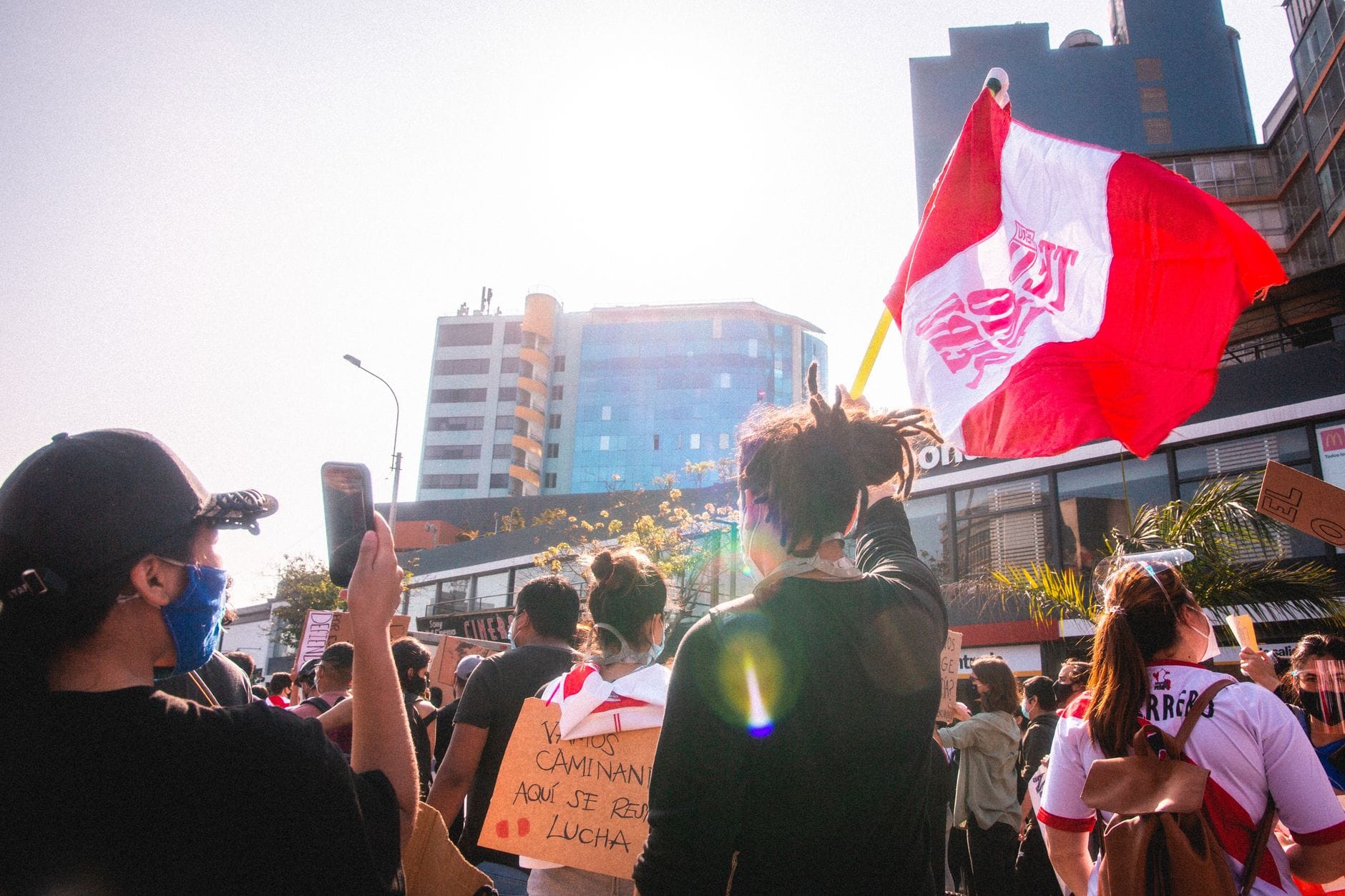
Lima, Peru, MMN Correspondent: Peru is holding its breath. The presidential election has come down to a razor thin margin, with just 0.2 percentage points separating the two candidates. With 94.9% of votes counted, leftist Roberto Sánchez holds 50.10% while conservative Keiko Fujimori trails at 49.90%. This is one of the closest races in the country’s modern democratic history, and the final outcome may take weeks to confirm.
The suspense is not new for Peru. Previous elections have stretched beyond a week due to logistical hurdles and legal reviews. But this time, the stakes feel different. The next leader will shape policies on crime, economic reform, and national identity for years to come. Every ballot from remote villages and overseas polling stations could tip the balance.
Early data from Ipsos reveals a clear geographic divide. Fujimori dominates urban centers like Lima, especially in coastal districts and wealthier neighborhoods. Sánchez, on the other hand, surges in rural areas and the Andean highlands, where indigenous communities see him as a champion of social equity and state led development. As ballots from remote provinces continue to arrive, Sánchez’s lead is expected to grow, raising questions about whether the final count will confirm a shift toward the left.
Both candidates have kept their composure. Sánchez has expressed cautious optimism, saying he will wait for the full 100% count before making any claims. He has reiterated his commitment to broad reforms, including increased state control over natural resources like gold, copper, and lithium, major investments in rural infrastructure, and revised mining contracts for greater revenue sharing with local communities. These proposals resonate with grassroots supporters but have sparked concern among financial markets and international investors who worry about policy instability.
Fujimori has urged patience and unity. Her campaign leans heavily on the legacy of her father, Alberto Fujimori, who served as president from 1990 to 2000 and was later convicted of human rights abuses. Despite this, his tough on crime policies remain popular in many impoverished neighborhoods. Fujimori promises a military led crackdown on organized crime, especially extortion rackets that plague cities and rural roads.
In San Juan de Lurigancho, a densely populated district in Lima, supporters rally behind Fujimori. Catalina Solana Guamá says, “Her father walked through the mud here. I want her to go out, not to be an office bound president.” Others cite fear of violence as a primary motivator. Jennifer, a local resident, adds, “We don’t know if we’ll come back alive after work. She wants to fight those criminals who are killing drivers and bus conductors.”
Sánchez’s base, made up of youth, activists, and rural workers, views Fujimori’s platform as a return to authoritarianism. Giovanna, a supporter in Lima, condemns the Fujimori family’s past actions, referencing the forced sterilization program carried out under Alberto Fujimori’s rule. “They did a lot of damage to our country,” she says. Other supporters plan to protest if the result is disputed or delayed beyond acceptable limits. Street vendor Hilda declares, “We voted for change. Everyone is going to protest. We’re going to go out into the streets.”
The tension is heightened by the aftermath of the first round, which saw accusations of fraud and logistical failures. Some polling stations experienced delays in receiving ballots and voting materials, leading to irregularities and distrust. However, observers from ONPE and international monitoring groups confirm that the second round proceeded without major disruptions, lending credibility to the ongoing count.
One unresolved factor is the pending tally from overseas polling stations, which are expected to favor Fujimori due to the concentration of Peruvian expatriates in countries like the United States, Spain, and Chile. Their inclusion could tip the balance either way, adding another layer of uncertainty.
Historically, Peru has struggled with political instability. Since 2016, the country has seen five different presidents, with three removed through impeachment or resignation. The 2021 election, in which Pedro Castillo narrowly defeated Fujimori, ended in chaos when Castillo attempted to dissolve Congress and rule by decree. He was arrested and jailed, sparking nationwide protests. Sánchez served as a minister in Castillo’s short lived government, linking him directly to the previous administration’s turmoil.
With no clear winner in sight, the possibility of a recount looms large. Legal experts predict that multiple rounds of verification may be necessary to resolve discrepancies and ensure legitimacy. Such processes can take up to several weeks, potentially delaying the official inauguration until late July.
As the nation waits, civil society groups, religious leaders, and business associations are calling for calm and transparency. The judiciary and electoral authorities face mounting pressure to deliver a swift yet accurate resolution.
This election is more than a contest between two candidates. It represents a fundamental clash of visions for Peru’s future: one rooted in tradition, security, and centralized power, the other in transformation, equity, and grassroots empowerment. Whatever the outcome, the next few weeks will test the resilience of Peru’s democracy and the public’s faith in its institutions.
The world watches closely. For a nation long defined by volatility, this moment could mark a turning point, one where the people’s voice, finally counted in full, determines not just a president, but a new chapter in history.
Related in Global Trend

Global Trend
Meta’s AI Image Tool Vanishes Days After Launch: What Happened to Your Instagram Photos?
Just days after its flashy debut, Meta’s new AI image generation feature has been pulled from the platform. The tool, part of the Muse Image rollout, let users of Meta’s AI chatbot create artificial images by pulling content from public Instagram accounts. Think about that for a…
Read More...
Global Trend
Middle East Travelers Are Flocking to Thailand for Wellness: Here’s What’s Driving the 2026 Boom
What if the next luxury vacation didn’t just pamper you but actually changed how you feel long after you return home? That’s the question Thailand is asking Middle East travelers right now. And the answer is reshaping how people from the Gulf plan their getaways. The Tourism Aut…
Read More...
Global Trend
How SK Hynix Raised $26.5 Billion in Its US Debut: What It Means for AI Chip Investors
Imagine walking into a room where the world’s biggest money managers are all fighting for a piece of the same company. That’s exactly what happened when SK Hynix, the South Korean memory chip giant, stepped onto the Nasdaq stage in July 2026. The result? A staggering $26.5 billi…
Read More...
Global Trend
What Happens When Bieber, Madonna, Shakira, and BTS Share the World Cup Stage?
Imagine this: It’s July 19, 2026, and the world is watching. Not just for the final whistle of the FIFA World Cup, but for something that’s never happened before. For the first time in the tournament’s history, a Super Bowl style halftime show is about to unfold at MetLife Stadi…
Read More...
Global Trend
80 Targets Hit: What the US Strikes on Iran Mean for Global Oil Routes
The world’s most critical oil passageway just became the epicenter of a major military confrontation. The United States has launched sweeping airstrikes across Iran’s southern coast, hitting more than 80 locations after three commercial tankers came under attack in the Strait of…
Read More...
Global Trend
Travel Before the Crowds: Why the Two Weeks Before School Holidays Are Your Best Bet for a Peaceful Summer Escape
Picture this: warm sand beneath your feet, a gentle sea breeze, and the sound of waves instead of the chatter of crowds. That’s the reality for travelers who discover a simple truth about summer vacations. The best time to go isn’t when everyone else does. It’s the two weeks rig…
Read More...
Global Trend
Faster Patents in Europe and China: What the New EPO-CNIPA PPH Pilot Means for Your Innovation Timeline
What if you could cut months off the time it takes to secure a patent in both Europe and China? Starting August 1, 2026, that possibility becomes reality. The European Patent Office (EPO) and China National Intellectual Property Administration (CNIPA) are launching a new bilater…
Read More...
Global Trend
What Happened in a Utah Courtroom When Charlie Kirk’s Family Came Face to Face With His Accused Killer?
On a quiet Tuesday morning in May 2026, a Utah courtroom became the center of a story that has haunted America for months. The family of Charlie Kirk, the 31-year-old conservative activist and founder of Turning Point USA, sat just feet away from the man accused of ending his li…
Read More...
Global Trend
4 New Luxury Travel Mindsets Reshaping Asia Pacific: How Gen Z Is Redefining High End Tourism
What does luxury mean to a generation that grew up with Instagram, climate anxiety, and a craving for meaning? A sweeping study of 2,800 affluent travelers across eight Asia Pacific markets—China, Japan, South Korea, Australia, India, Singapore, Thailand, and Indonesia—has uncov…
Read More...
Global Trend
How Europe and China Are Cutting Patent Wait Times by 40% Starting August 2026
Imagine filing a single patent application and watching it sail through two of the world’s largest intellectual property offices with minimal friction. That vision becomes reality on August 1, 2026, when the European Patent Office (EPO) and the China National Intellectual Proper…
Read More...