
What FIFA Just Changed About World Cup Anthems Will Transform Your Matchday Experience in 2026
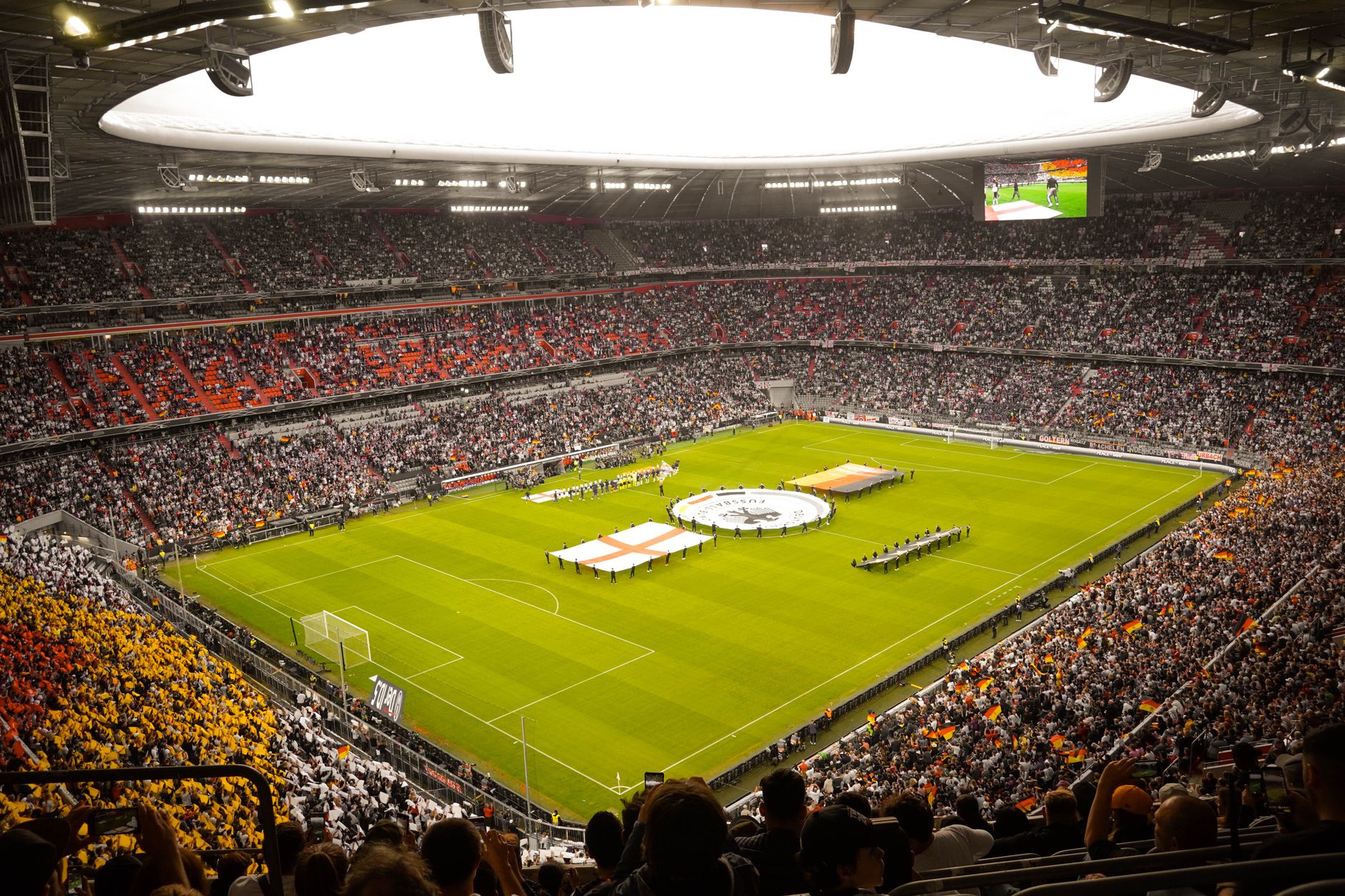
Zurich, Switzerland, Nishant Shrivastava: Imagine walking into a stadium for the 2026 World Cup. You take your seat, the energy is electric, and then something completely unexpected happens. Instead of the usual lineup along the touchline, every single player from both teams 52 athletes in total walks through dedicated arches and gathers together in the center circle. Massive flags unfurl across the entire width of the pitch. Pyrotechnics ignite. This is not a pre match ritual anymore. This is a moment designed to make you feel like you are part of something bigger than football.
FIFA has just announced a sweeping overhaul of the national anthem ceremony for the 2026 tournament, which will be co hosted by Canada, Mexico, and the United States. The change is simple in concept but profound in impact. For decades, we have watched the starting eleven line up along one sideline, facing the stands, with mascots standing quietly in front. That setup worked, but it left fans in distant corners of the stadium feeling disconnected from the emotion of the moment. The new format flips that entirely. By bringing all players substitutes included into the center circle, every seat in the house gets an equal view. No one is left out.
The centerpiece of this transformation is the use of enormous country flag banners that stretch across the full width of the field behind the players. These are not small flags waved by fans. These are living tapestries of national identity, designed to create a 360 degree spectacle that wraps the entire stadium in color and pride. The opening match between Mexico and South Africa will debut this visual masterpiece, setting the tone for what promises to be one of the most striking moments in World Cup history. Think of it as a cinematic sequence that unfolds live, with every detail choreographed to amplify the emotional connection between the team and the crowd.
FIFA President Gianni Infantino explained the thinking behind the change. He said that having all players and referees face each other in the center circle during the anthems will create a moment of unity, pride, and emotion that truly belongs to the teams and to everyone. That statement reveals a broader vision. The World Cup is no longer just a competition among nations. It is a shared cultural event that celebrates every athlete and every supporter. Including substitutes in the ceremony is a deliberate move to recognize the full depth of team preparation and effort. Those players who train for months and may never step onto the pitch are now honored in the same spotlight as the starters.
This decision did not come out of nowhere. FIFA experimented with a similar concept during the 2025 Club World Cup, where all starting players were required to participate in a ceremonial march. That experiment taught valuable lessons. The march extended match preparation times and caused delays in kickoffs. For 2026, the solution balances spectacle with practicality. Players enter the pitch gradually, reducing congestion and keeping the ceremony efficient without sacrificing grandeur. The result is a streamlined process that maximizes emotional impact while respecting the clock.
As the tournament progresses, FIFA plans to introduce dynamic elements during key matches. Colored smoke, synchronized pyrotechnics, and LED lighting effects will be used in knockout stages and the final. These additions elevate the drama and excitement, turning the anthem moment into a sequence that resonates with both live audiences and global viewers. Broadcast teams will use carefully choreographed camera angles and augmented visuals to ensure that even fans watching from home feel the same rush of emotion as those in the stadium.
The evolution of the anthem ceremony reflects broader shifts in how we experience sports today. Modern stadiums prioritize fan engagement through interactive apps, real time stats, and immersive audio visual environments. The 2026 World Cup is expected to host over one million spectators per matchday across three host nations, making crowd dynamics and inclusive design more critical than ever. By placing all players in the center circle, FIFA ensures that no fan feels excluded, regardless of their seating position. This approach fosters a sense of belonging, reinforcing the idea that the World Cup belongs to everyone who supports their nation.
From a logistical perspective, the new ceremony requires careful coordination. Stadiums must install additional archways for player entrances, upgrade sound systems for optimal anthem playback, and train staff to manage the flow of players and mascots. FIFA has already begun testing the system in practice matches and training sessions to iron out any issues. Early feedback from national team coaches and players has been positive, with many praising the gesture as a meaningful recognition of the entire squad’s contribution.
Looking ahead, the 2026 World Cup will be the largest in history, featuring 48 teams a significant increase from the previous 32 team format. This expansion means more nations, more stories, and more opportunities for emotional connection. The revamped anthem ceremony serves as a unifying thread throughout the tournament, offering a consistent yet evolving ritual that honors tradition while embracing innovation. As the countdown to June 2026 continues, anticipation grows not only for the matches themselves but for the moments that precede them. The national anthem performance, once a brief formality, is now poised to become one of the most anticipated segments of the entire tournament a true fan centric ceremony that captures the heart of global football.
Related in Sport

Sport
How Dubai Basketball Won the ABA League in Just Two Seasons: Inside the Partnership That Made It Possible
When Dubai Basketball lifted the ABA League trophy after only its second season, the basketball world took notice. But the story behind that trophy is bigger than any single game or player. It is a story about what happens when a city’s ambition meets a partner that moves mounta…
Read More...
Sport
From Career-Threatening Injury to World Cup Hero: How Mikel Merino Became Spain’s Clutch Performer in 2026
Imagine being told you might never play football again. Then imagine stepping onto the world’s biggest stage months later and scoring the goals that carry your country to the semi finals. That is the reality for Mikel Merino, the Arsenal midfielder who has quietly become the mos…
Read More...
Sport
Can France’s 2026 World Cup Squad Become the Greatest Team in History?
What does it take to build a football dynasty? France is giving the world a masterclass answer right now. With a commanding 2-0 victory over Morocco in Boston, Les Bleus have become the first team to lock in a semi final spot at the 2026 FIFA World Cup. They are chasing a third…
Read More...
Sport
Will France Survive Morocco’s Challenge? 4 Quarter-Final Predictions That Could Reshape the World Cup
The 2026 FIFA World Cup quarter-finals are here, and the tension is almost unbearable. Four matches stand between eight teams and a shot at glory. Every pass, every tackle, every decision could rewrite football history. Among the most anticipated battles is France versus Morocco…
Read More...
Sport
How Gregor Kobel’s Three Saves Sent Switzerland to the 2026 World Cup Quarter Finals
What happens when a team’s entire World Cup dream rests on one goalkeeper’s reflexes? You get the kind of night that turns a quiet Swiss shot stopper into a national legend. Switzerland’s 2026 campaign just took a historic turn, and it all unfolded under the lights of MetLife St…
Read More...
Sport
What Really Went Wrong for USA in World Cup 2026? One Defensive Mistake That Changed Everything
You could feel the air leave the stadium. The 2026 FIFA World Cup Round of 16 match between the United States and Belgium was poised on a knife edge. Then, in the 67th minute, everything shifted. A single moment of miscommunication turned a tightly contested knockout game into a…
Read More...
Sport
How a 19-Year-Old’s Header Just Changed England’s World Cup Destiny – See the Moment That Stunned Mexico
The Estadio Azteca roared with over 87,000 voices, a wall of green and white that seemed impossible to penetrate. Yet, in the 38th minute, a single leap by a teenager silenced an entire nation. Jude Bellingham, just 19 years old, rose above the Mexican defense and powered a head…
Read More...
Sport
How France Outlasted Paraguay’s Relentless Tactics in a Heated World Cup 2026 Quarterfinal – What the Scoreline Doesn’t Tell You
The 2026 FIFA World Cup quarterfinal between France and Paraguay at Lincoln Financial Field was never going to be a classic. But what unfolded under the sweltering Philadelphia sun was something far more gripping than a simple 1-0 scoreline suggests. This was a match that tested…
Read More...
Sport
How Argentina Survived Cape Verde’s 120-Minute Ambush: 3 Key Moments That Defined a World Cup Classic
What happens when a two-time world champion meets a team that refuses to believe in rankings? You get a night that rewrites the script of the 2026 World Cup. Argentina’s 3-2 extra-time victory over Cape Verde on July 4 at the Estadio Ciudad de México wasn’t just a match. It was…
Read More...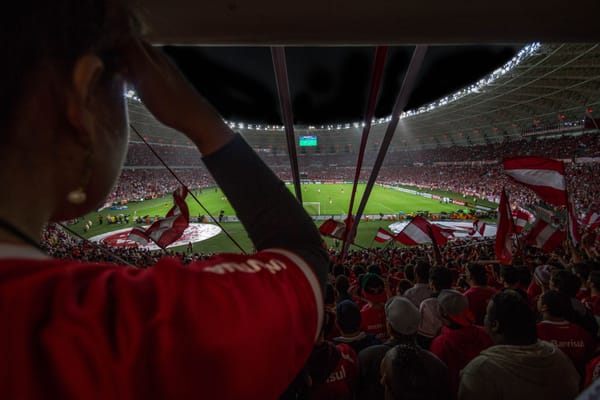
Sport
How a Single Millimeter Decided Croatia’s Fate Against Portugal in the 2026 World Cup Knockout
What happens when a goal that should have been the equalizer gets erased by a margin so thin it’s almost invisible? That’s the question football fans around the world are asking after Croatia’s heartbreaking 1-0 loss to Portugal in the Round of 16 of the 2026 FIFA World Cup. The…
Read More...