
What Happens When US HIV Funding to South Africa Ends? 8 Million Lives at a Crossroads
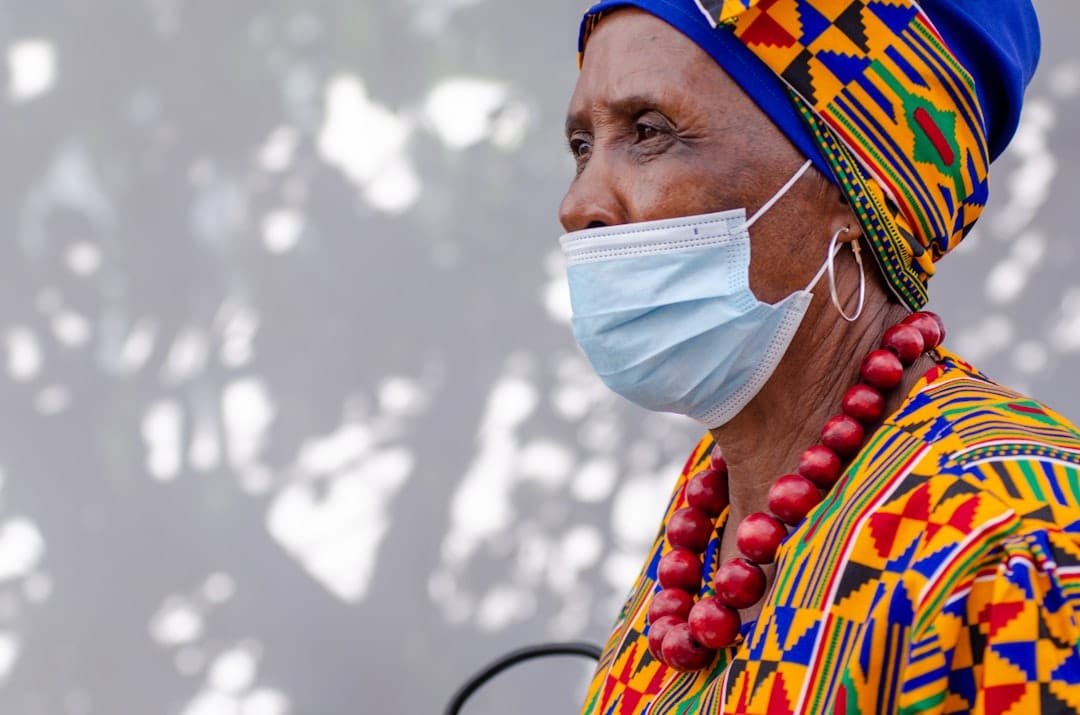
Washington D.C., MMN Correspondent: The United States has decided to stop funding HIV and AIDS programs in South Africa. This is a big change from decades of working together. For years, American money through PEPFAR helped over eight million South Africans living with HIV. That is more than any other country in the world.
Now, that support is being pulled back. The phased withdrawal started in June 2026. PEPFAR used to cover about one fifth of South Africa’s total HIV program costs. So what does this mean for the millions who depend on these services?
The decision comes after rising tensions between Washington and Pretoria. The White House says South Africa has not done enough to protect the rights of Afrikaners. These are descendants of Dutch, German, and French settlers who arrived in the 17th century. The U.S. claims that South African policies have led to discrimination against white minority communities, including land issues and violence.
But South African officials and independent analysts see things differently. They point to the Black Economic Empowerment initiatives. These were created after apartheid ended in 1994. Their goal is to fix centuries of racial inequality and economic exclusion. The South African Department of Health says the framework is about giving historically marginalized Black populations fair access to capital, land, and business opportunities. Critics of the U.S. position say the claims of persecution lack solid evidence and seem based on misinformation.
There is also the matter of the so called white genocide narrative. The Trump administration has promoted this idea, even though fact checkers, researchers, and human rights groups have thoroughly debunked it. Despite no statistical or legal proof, the U.S. set up a special refugee resettlement program for Afrikaners. This move has only added to the diplomatic strain.
South Africa’s health ministry responded quickly. They said they were not formally notified about the funding cut. But they also emphasized their push for self reliance. Here is an important detail: while PEPFAR helped with testing, counseling, and antiretroviral therapy distribution, the actual drugs are paid for by South Africa’s own budget. Over 85% of ART costs come from the national government. The rest comes from groups like the Global Fund.
Still, losing PEPFAR funding could create real challenges. PEPFAR has supported infrastructure, training for healthcare workers, community outreach, and systems that track HIV transmission rates. A sudden stop might disrupt these services, especially in rural areas where access is already limited. Experts worry that without continued help, South Africa could see more infections and preventable deaths.
There was a brief pause last October when a temporary bridge plan kept services going. But that plan has expired. The U.S. State Department says the drawdown is moving forward because South Africa has not made enough progress on policy requests tied to aid conditions. The stated goal is to encourage self reliance and reduce dependency on American aid, especially since South Africa is a middle income country with a strong economy.
Diplomatic efforts to fix the relationship have not worked. A meeting between President Cyril Ramaphosa and President Trump in 2025 ended with tension. Trump accused South Africa of being hostile to Afrikaners. This happened just weeks before South Africa hosted the G20 summit. Instead of showcasing global leadership, the summit became a stage for open criticism from U.S. representatives.
This decision is about more than health. It shows a growing trend in U.S. foreign policy: linking humanitarian aid to political and ideological conditions. Global health advocates worry about the politicization of life saving programs. They argue that cutting aid based on disputed claims can damage trust in international partnerships and set a risky example for other countries.
The move could also affect South Africa’s ability to meet the UN’s Sustainable Development Goal 3, which aims to end AIDS as a public health threat by 2030. With over 200,000 new infections each year and many people still unaware of their HIV status, steady investment is essential. Losing PEPFAR support might slow progress toward universal access to treatment and prevention.
South Africa is now looking at ways to strengthen its own health financing. Experts suggest transparency, innovation, and regional collaboration. The country is exploring partnerships with other African nations and private sector players. Ideas include public private health financing models and expanded use of digital health platforms to keep momentum in HIV control.
This is not just an aid cut. It reflects a deeper shift in global health diplomacy. As geopolitical rivalries grow and aid becomes more conditional, the world must consider what happens when humanitarian missions get tied to contested political narratives. For South Africa, the challenge is to maintain its hard won progress in HIV response while navigating international expectations and domestic priorities. The coming years will test the resilience of its health system and the strength of global solidarity.
The situation also reminds us why evidence based policymaking matters in foreign aid. When decisions rely on unverified claims instead of data, vulnerable populations can suffer unintended harm. As the world watches, the fate of millions hangs in the balance not just in South Africa, but in the future of international cooperation itself.
Related in Global Trend

Global Trend
Meta’s AI Image Tool Vanishes Days After Launch: What Happened to Your Instagram Photos?
Just days after its flashy debut, Meta’s new AI image generation feature has been pulled from the platform. The tool, part of the Muse Image rollout, let users of Meta’s AI chatbot create artificial images by pulling content from public Instagram accounts. Think about that for a…
Read More...
Global Trend
Middle East Travelers Are Flocking to Thailand for Wellness: Here’s What’s Driving the 2026 Boom
What if the next luxury vacation didn’t just pamper you but actually changed how you feel long after you return home? That’s the question Thailand is asking Middle East travelers right now. And the answer is reshaping how people from the Gulf plan their getaways. The Tourism Aut…
Read More...
Global Trend
How SK Hynix Raised $26.5 Billion in Its US Debut: What It Means for AI Chip Investors
Imagine walking into a room where the world’s biggest money managers are all fighting for a piece of the same company. That’s exactly what happened when SK Hynix, the South Korean memory chip giant, stepped onto the Nasdaq stage in July 2026. The result? A staggering $26.5 billi…
Read More...
Global Trend
What Happens When Bieber, Madonna, Shakira, and BTS Share the World Cup Stage?
Imagine this: It’s July 19, 2026, and the world is watching. Not just for the final whistle of the FIFA World Cup, but for something that’s never happened before. For the first time in the tournament’s history, a Super Bowl style halftime show is about to unfold at MetLife Stadi…
Read More...
Global Trend
80 Targets Hit: What the US Strikes on Iran Mean for Global Oil Routes
The world’s most critical oil passageway just became the epicenter of a major military confrontation. The United States has launched sweeping airstrikes across Iran’s southern coast, hitting more than 80 locations after three commercial tankers came under attack in the Strait of…
Read More...
Global Trend
Travel Before the Crowds: Why the Two Weeks Before School Holidays Are Your Best Bet for a Peaceful Summer Escape
Picture this: warm sand beneath your feet, a gentle sea breeze, and the sound of waves instead of the chatter of crowds. That’s the reality for travelers who discover a simple truth about summer vacations. The best time to go isn’t when everyone else does. It’s the two weeks rig…
Read More...
Global Trend
Faster Patents in Europe and China: What the New EPO-CNIPA PPH Pilot Means for Your Innovation Timeline
What if you could cut months off the time it takes to secure a patent in both Europe and China? Starting August 1, 2026, that possibility becomes reality. The European Patent Office (EPO) and China National Intellectual Property Administration (CNIPA) are launching a new bilater…
Read More...
Global Trend
What Happened in a Utah Courtroom When Charlie Kirk’s Family Came Face to Face With His Accused Killer?
On a quiet Tuesday morning in May 2026, a Utah courtroom became the center of a story that has haunted America for months. The family of Charlie Kirk, the 31-year-old conservative activist and founder of Turning Point USA, sat just feet away from the man accused of ending his li…
Read More...
Global Trend
4 New Luxury Travel Mindsets Reshaping Asia Pacific: How Gen Z Is Redefining High End Tourism
What does luxury mean to a generation that grew up with Instagram, climate anxiety, and a craving for meaning? A sweeping study of 2,800 affluent travelers across eight Asia Pacific markets—China, Japan, South Korea, Australia, India, Singapore, Thailand, and Indonesia—has uncov…
Read More...
Global Trend
How Europe and China Are Cutting Patent Wait Times by 40% Starting August 2026
Imagine filing a single patent application and watching it sail through two of the world’s largest intellectual property offices with minimal friction. That vision becomes reality on August 1, 2026, when the European Patent Office (EPO) and the China National Intellectual Proper…
Read More...