
What Israel’s 10-Kilometer Security Zone in Southern Lebanon Means for the Ceasefire You Haven’t Heard About
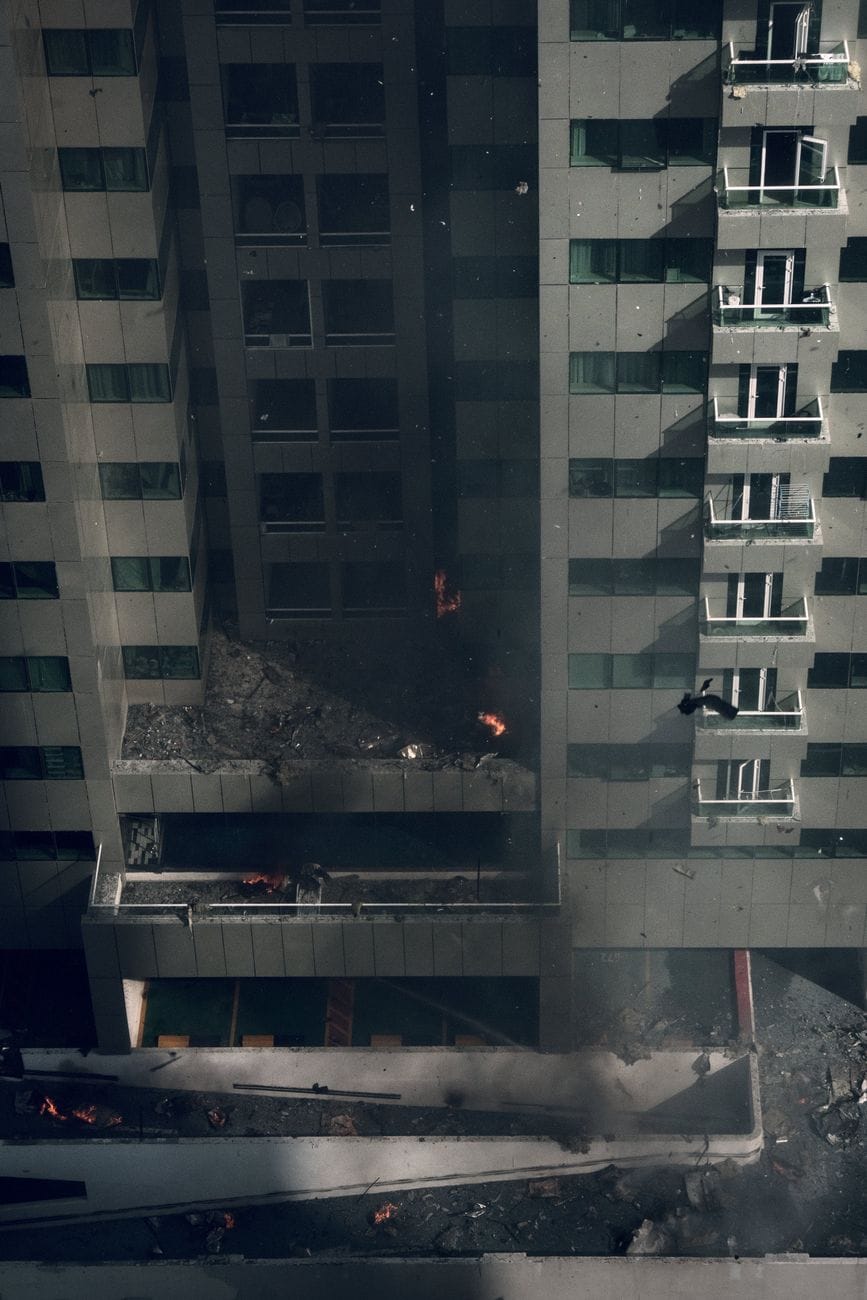
Nabatieh al-Fawqa, Southern Lebanon, MMN Correspondent: Just hours after a much anticipated peace framework was unveiled in Washington, the skies over southern Lebanon lit up again. Israeli air and drone strikes hit the town of Nabatieh al-Fawqa, killing at least one person and wounding several others. The timing raises a pressing question: can a ceasefire survive when the ink is barely dry?
The attack targeted an individual Israeli forces described as a threat. Lebanon’s health ministry confirmed one fatality and at least two injuries. No further details were offered by the Israeli military. But the strike itself tells a story of how fragile this moment really is.
On June 26, 2026, representatives from Israel and Lebanon signed a US brokered four point agreement aimed at ending hostilities along their shared border. The deal calls for Israeli forces to withdraw from the South Litani area, a strategically vital region, and hand control to the Lebanese Armed Forces. Pilot zones would ensure only state actors operate there, effectively sidelining non state militias like Hezbollah.
Here is where it gets interesting. The agreement includes a notable exception: Israel retains the right to maintain an expanded security zone extending up to 10 kilometers into Lebanese territory. On Saturday, Israeli Defence Minister Israel Katz announced troops were being ordered to prepare for an extended stay in this area. That move has drawn sharp criticism from Lebanese officials and regional observers who see it as a contradiction to the ceasefire’s spirit.
Hezbollah leader Naim Qassem did not hold back. He called the deal humiliating, shameful, and a surrender of sovereignty. He accused the Beirut government of crossing all red lines, especially by linking Israel’s withdrawal to Hezbollah’s disarmament. His warning about potential territorial annexation signals a clear rejection of the diplomatic path and raises concerns about internal fractures within Lebanon’s leadership.
To understand how we got here, we have to go back to March 2, 2026. That is when Iran backed Hezbollah launched a barrage of missiles into northern Israel in retaliation for an Israeli airstrike that killed Iran’s supreme leader. Israel responded with a full scale military campaign across southern Lebanon, including extensive aerial bombardments and a ground invasion. Since then, more than 4,192 people have been killed in Lebanon, with over 11,600 injured and more than 1.2 million displaced. Entire villages have been reduced to rubble. Infrastructure, agriculture, electricity, water, and healthcare have been crippled.
On the Israeli side, 36 soldiers and four civilians have lost their lives. The human cost is undeniable on both sides.
This is not the first attempt at peace. An April 16 ceasefire brokered by the United States failed almost immediately. The June 26 agreement is the third major stabilization effort in less than four months. Each attempt reveals how difficult it is to achieve durable peace in a region shaped by decades of proxy warfare, regional rivalries, and domestic instability.
Analysts point to two key factors driving the continued volatility. First, Hezbollah remains a powerful political and military force within Lebanon, with significant influence over governance and security. Its refusal to disarm or even negotiate its role makes any lasting settlement extremely difficult. Second, Israel continues to view Hezbollah as a direct existential threat, especially given its arsenal of thousands of rockets and drones capable of striking deep into Israeli territory.
The US role in brokering this agreement reflects broader geopolitical shifts. With rising tensions between the West and Iran, the Biden administration sees stabilizing the Israel Lebanon border as a strategic priority. But many experts caution that without genuine commitment from all parties, particularly Hezbollah, the agreement risks becoming another empty promise.
What happens next depends on whether the Lebanese government can assert full authority over its southern border regions without relying on external powers. It also depends on whether Israel will honor its commitments to withdraw from the South Litani area while maintaining its security presence under strict monitoring. International observers are calling for increased UN involvement and independent verification mechanisms to ensure compliance.
As the dust settles from Saturday’s strikes, the world watches closely. The balance between diplomacy and military action hangs by a thread. One thing is certain: unless trust is rebuilt and power dynamics are redefined, the cycle of violence is likely to continue, fueling suffering, displacement, and regional instability for years to come.
With the ceasefire framework now under intense scrutiny, the coming days will determine whether this moment represents a turning point toward peace or merely another pause before the next wave of conflict.
Related in Global Trend

Global Trend
Meta’s AI Image Tool Vanishes Days After Launch: What Happened to Your Instagram Photos?
Just days after its flashy debut, Meta’s new AI image generation feature has been pulled from the platform. The tool, part of the Muse Image rollout, let users of Meta’s AI chatbot create artificial images by pulling content from public Instagram accounts. Think about that for a…
Read More...
Global Trend
Middle East Travelers Are Flocking to Thailand for Wellness: Here’s What’s Driving the 2026 Boom
What if the next luxury vacation didn’t just pamper you but actually changed how you feel long after you return home? That’s the question Thailand is asking Middle East travelers right now. And the answer is reshaping how people from the Gulf plan their getaways. The Tourism Aut…
Read More...
Global Trend
How SK Hynix Raised $26.5 Billion in Its US Debut: What It Means for AI Chip Investors
Imagine walking into a room where the world’s biggest money managers are all fighting for a piece of the same company. That’s exactly what happened when SK Hynix, the South Korean memory chip giant, stepped onto the Nasdaq stage in July 2026. The result? A staggering $26.5 billi…
Read More...
Global Trend
What Happens When Bieber, Madonna, Shakira, and BTS Share the World Cup Stage?
Imagine this: It’s July 19, 2026, and the world is watching. Not just for the final whistle of the FIFA World Cup, but for something that’s never happened before. For the first time in the tournament’s history, a Super Bowl style halftime show is about to unfold at MetLife Stadi…
Read More...
Global Trend
80 Targets Hit: What the US Strikes on Iran Mean for Global Oil Routes
The world’s most critical oil passageway just became the epicenter of a major military confrontation. The United States has launched sweeping airstrikes across Iran’s southern coast, hitting more than 80 locations after three commercial tankers came under attack in the Strait of…
Read More...
Global Trend
Travel Before the Crowds: Why the Two Weeks Before School Holidays Are Your Best Bet for a Peaceful Summer Escape
Picture this: warm sand beneath your feet, a gentle sea breeze, and the sound of waves instead of the chatter of crowds. That’s the reality for travelers who discover a simple truth about summer vacations. The best time to go isn’t when everyone else does. It’s the two weeks rig…
Read More...
Global Trend
Faster Patents in Europe and China: What the New EPO-CNIPA PPH Pilot Means for Your Innovation Timeline
What if you could cut months off the time it takes to secure a patent in both Europe and China? Starting August 1, 2026, that possibility becomes reality. The European Patent Office (EPO) and China National Intellectual Property Administration (CNIPA) are launching a new bilater…
Read More...
Global Trend
What Happened in a Utah Courtroom When Charlie Kirk’s Family Came Face to Face With His Accused Killer?
On a quiet Tuesday morning in May 2026, a Utah courtroom became the center of a story that has haunted America for months. The family of Charlie Kirk, the 31-year-old conservative activist and founder of Turning Point USA, sat just feet away from the man accused of ending his li…
Read More...
Global Trend
4 New Luxury Travel Mindsets Reshaping Asia Pacific: How Gen Z Is Redefining High End Tourism
What does luxury mean to a generation that grew up with Instagram, climate anxiety, and a craving for meaning? A sweeping study of 2,800 affluent travelers across eight Asia Pacific markets—China, Japan, South Korea, Australia, India, Singapore, Thailand, and Indonesia—has uncov…
Read More...
Global Trend
How Europe and China Are Cutting Patent Wait Times by 40% Starting August 2026
Imagine filing a single patent application and watching it sail through two of the world’s largest intellectual property offices with minimal friction. That vision becomes reality on August 1, 2026, when the European Patent Office (EPO) and the China National Intellectual Proper…
Read More...