
What Just Changed at the Strait of Hormuz? Iran and the U.S. Finalize a 14-Point Deal That Could Reshape Global Energy and Nuclear Policy
Tehran, MMN Correspondent: Something remarkable is happening in the Middle East. After months of escalating tensions, airstrikes, and a near-total closure of one of the world’s most critical waterways, Iran and the United States are on the verge of signing a comprehensive agreement. This isn’t just another diplomatic handshake. It’s a 14-point Memorandum of Understanding that could fundamentally alter how energy flows, how nuclear materials are handled, and how regional conflicts are managed.
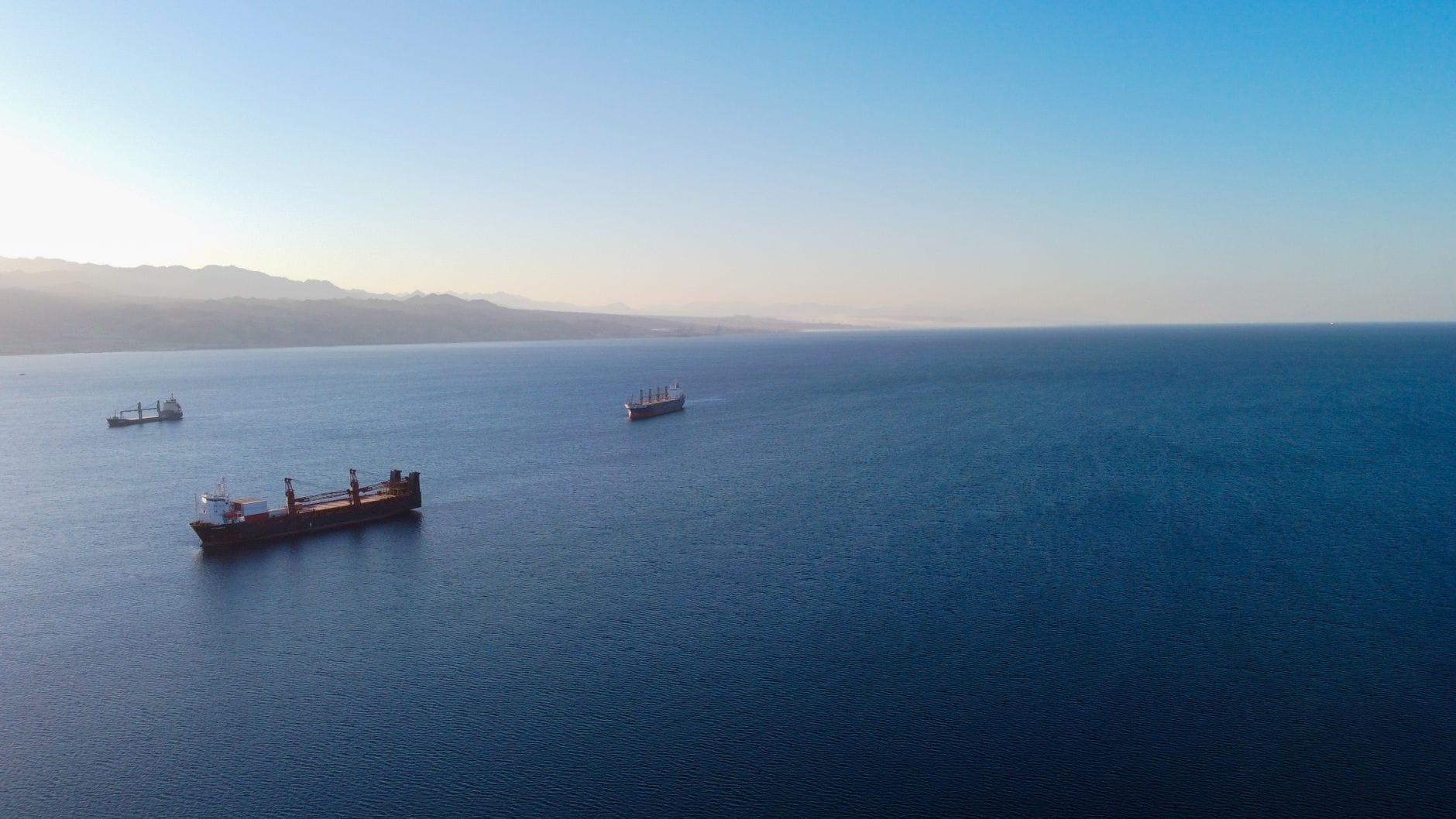
Let’s rewind a bit. In late February 2026, coordinated airstrikes by the U.S. and Israel hit military targets inside Iran. Tehran responded with a wave of attacks on Israeli and Gulf state allies. Then came the big move: Iran effectively shut down the Strait of Hormuz, the narrow passage that carries about 20% of the world’s seaborne oil and liquefied natural gas. Global crude prices spiked. Markets panicked. The world held its breath.
A ceasefire was declared in April, but it was fragile. Sporadic exchanges continued through May and June, including two rounds of tit-for-tat strikes in early June that nearly reignited the conflict. But then, something shifted. Pakistan and Qatar stepped in as mediators, and suddenly, the pieces started falling into place. Pakistani Prime Minister Shehbaz Sharif confirmed that the MOU is ready and awaiting final ratification. U.S. officials have been briefing behind the scenes, emphasizing that this deal is built on verifiable performance, not just promises.
So what’s actually in it? Let’s start with the Strait of Hormuz. Under the proposed agreement, the strait will reopen, but not in the way it used to operate. Iran wants a regulated system with fees for vessels passing through. This is Tehran’s way of asserting sovereignty over a chokepoint it has long considered part of its strategic territory. The U.S., on the other hand, insists on preserving freedom of navigation under international law. The likely compromise? A multilateral oversight body or an internationally monitored fee structure. Details are still being ironed out, but the direction is clear: the strait will flow again, but under new rules.
Economically, this deal is a potential reset button for U.S.-Iran relations after years of sanctions. But don’t expect any upfront cash or asset releases. Washington has made it clear that economic reintegration will be staged. Sanctions will be lifted incrementally, and frozen Iranian assets will only be unfrozen after Iran demonstrates compliance with specific commitments. It’s a performance-based model, designed to ensure accountability over goodwill. For Iran, this means a path back into the global economy, with opportunities for technological advancement, medical imports, and infrastructure development. For the U.S., it’s a strategic exit from a protracted confrontation, freeing up resources for other global priorities.
Now, let’s talk about the nuclear piece. Over the next 60 days, negotiators will focus on dismantling Iran’s stockpile of enriched uranium. Officials confirm that all such material will be destroyed on-site and removed from the country. The exact technical framework for verification and transport is still being developed, but international inspectors from the IAEA are expected to play a central role. This is a significant step, one that could set a new standard for nuclear non-proliferation.
But the deal goes even further. Iran has agreed to stop funding and arming proxy groups across the Middle East, including Hezbollah in Lebanon, Hamas in Gaza, and various militias in Iraq and Yemen. This provision aims to reduce regional instability and curb Iran’s influence beyond its borders. Interestingly, Israel is not directly involved in these negotiations, but its stance remains critical. Prime Minister Benjamin Netanyahu has reiterated that any continued attacks from Hezbollah on northern Israel would trigger immediate and decisive retaliation. Israel reserves the right to act unilaterally if its security is threatened.
Here’s where it gets even more interesting. Iran is insisting on including a clause that addresses the Israel-Hezbollah conflict in Lebanon. Initial U.S. assessments suggested Lebanon might be excluded from the deal, but Tehran’s position appears firm. If included, this could mark a rare diplomatic effort to de-escalate one of the most enduring flashpoints in the region. It would require intense coordination with Lebanon’s government and international actors, but the potential payoff is enormous.
Despite the cautious optimism, challenges remain. Iran’s Supreme National Security Council is divided, with both supporters and opponents of the deal within its ranks. Foreign Minister Seyed Abbas Araghchi acknowledged that a collective decision has not yet been reached, but he expressed strong confidence that the agreement could be signed remotely in the coming days.
The implications of this deal extend far beyond bilateral relations. With the Strait of Hormuz reopened, global energy flows could stabilize, reducing volatility in oil markets and potentially lowering inflationary pressures worldwide. The phased economic normalization could also stimulate trade and investment in the broader Middle East, particularly in countries like Turkey, India, and China, which are heavily dependent on Persian Gulf energy supplies.
As diplomatic circles await the final signature, one thing is certain: the world is watching closely. The success of this agreement could set a precedent for resolving deep-seated conflicts through negotiation rather than escalation. Whether it will endure depends not just on words, but on actions. On Iran’s ability to deliver on its commitments, and on the U.S. willingness to uphold its part of the bargain. The clock is ticking, but for the first time in years, the possibility of peace feels within reach.
Related in Global Trend

Global Trend
Meta’s AI Image Tool Vanishes Days After Launch: What Happened to Your Instagram Photos?
Just days after its flashy debut, Meta’s new AI image generation feature has been pulled from the platform. The tool, part of the Muse Image rollout, let users of Meta’s AI chatbot create artificial images by pulling content from public Instagram accounts. Think about that for a…
Read More...
Global Trend
Middle East Travelers Are Flocking to Thailand for Wellness: Here’s What’s Driving the 2026 Boom
What if the next luxury vacation didn’t just pamper you but actually changed how you feel long after you return home? That’s the question Thailand is asking Middle East travelers right now. And the answer is reshaping how people from the Gulf plan their getaways. The Tourism Aut…
Read More...
Global Trend
How SK Hynix Raised $26.5 Billion in Its US Debut: What It Means for AI Chip Investors
Imagine walking into a room where the world’s biggest money managers are all fighting for a piece of the same company. That’s exactly what happened when SK Hynix, the South Korean memory chip giant, stepped onto the Nasdaq stage in July 2026. The result? A staggering $26.5 billi…
Read More...
Global Trend
What Happens When Bieber, Madonna, Shakira, and BTS Share the World Cup Stage?
Imagine this: It’s July 19, 2026, and the world is watching. Not just for the final whistle of the FIFA World Cup, but for something that’s never happened before. For the first time in the tournament’s history, a Super Bowl style halftime show is about to unfold at MetLife Stadi…
Read More...
Global Trend
80 Targets Hit: What the US Strikes on Iran Mean for Global Oil Routes
The world’s most critical oil passageway just became the epicenter of a major military confrontation. The United States has launched sweeping airstrikes across Iran’s southern coast, hitting more than 80 locations after three commercial tankers came under attack in the Strait of…
Read More...
Global Trend
Travel Before the Crowds: Why the Two Weeks Before School Holidays Are Your Best Bet for a Peaceful Summer Escape
Picture this: warm sand beneath your feet, a gentle sea breeze, and the sound of waves instead of the chatter of crowds. That’s the reality for travelers who discover a simple truth about summer vacations. The best time to go isn’t when everyone else does. It’s the two weeks rig…
Read More...
Global Trend
Faster Patents in Europe and China: What the New EPO-CNIPA PPH Pilot Means for Your Innovation Timeline
What if you could cut months off the time it takes to secure a patent in both Europe and China? Starting August 1, 2026, that possibility becomes reality. The European Patent Office (EPO) and China National Intellectual Property Administration (CNIPA) are launching a new bilater…
Read More...
Global Trend
What Happened in a Utah Courtroom When Charlie Kirk’s Family Came Face to Face With His Accused Killer?
On a quiet Tuesday morning in May 2026, a Utah courtroom became the center of a story that has haunted America for months. The family of Charlie Kirk, the 31-year-old conservative activist and founder of Turning Point USA, sat just feet away from the man accused of ending his li…
Read More...
Global Trend
4 New Luxury Travel Mindsets Reshaping Asia Pacific: How Gen Z Is Redefining High End Tourism
What does luxury mean to a generation that grew up with Instagram, climate anxiety, and a craving for meaning? A sweeping study of 2,800 affluent travelers across eight Asia Pacific markets—China, Japan, South Korea, Australia, India, Singapore, Thailand, and Indonesia—has uncov…
Read More...
Global Trend
How Europe and China Are Cutting Patent Wait Times by 40% Starting August 2026
Imagine filing a single patent application and watching it sail through two of the world’s largest intellectual property offices with minimal friction. That vision becomes reality on August 1, 2026, when the European Patent Office (EPO) and the China National Intellectual Proper…
Read More...