
What Just Happened at Versailles? Trump and Iran Just Signed a 14-Point Ceasefire Deal That Could Reshape the Middle East
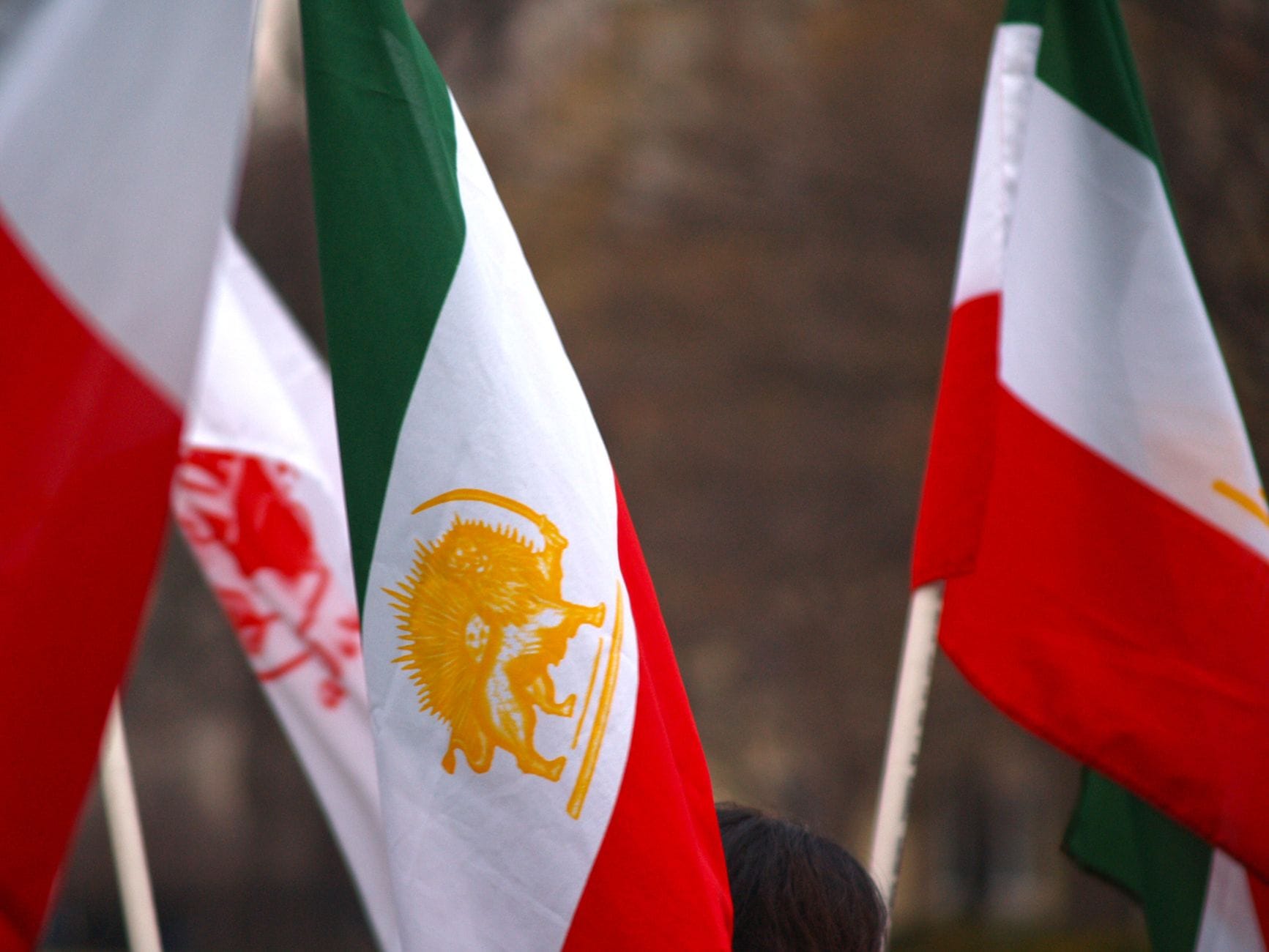
Palace of Versailles, Paris, France, MMN Correspondent: Imagine this: the gilded Hall of Mirrors, where empires once fell and treaties were born, becomes the stage for a moment nobody saw coming. Just minutes after the G7 leaders finished their dinner, former U.S. President Donald Trump put pen to paper alongside Iranian Foreign Minister Hossein Amir-Abdollahian. The result? A 14-point Memorandum of Understanding on Regional Stability and Ceasefire Implementation. And yes, it happened at Versailles.
This wasn’t just any handshake. French President Emmanuel Macron and First Lady Brigitte Macron had been quietly working behind the scenes for months, turning France into a neutral bridge between two nations that had spent years trading threats instead of words. The agreement itself is a detailed roadmap: proxy forces pulling back from Iraq, Syria, Yemen, and Lebanon. Cross-border incursions stopping. A joint monitoring team—made up of U.S., Iranian, and French representatives—keeping everyone honest.
Why now? Well, the Persian Gulf had been heating up fast. Attacks on oil tankers in the Strait of Hormuz, drone strikes on commercial vessels, and a general sense that the region was one miscalculation away from a wider war. Major powers like China, Russia, and the European Union had been pushing for dialogue. But it took a venue dripping with history—Versailles, the site of the 1919 peace treaty—to make both sides feel like they were part of something bigger than themselves.
Let’s break down what’s actually in those 14 points. Both nations agreed to stop funding and arming proxy groups. They set up a trilateral oversight committee to watch the ceasefire. Detained nationals will be released, and direct embassy-level communications are back on the table. Cyberattacks and sabotage against critical infrastructure? Off the table. And here’s the big one: nuclear talks under the IAEA are restarting, with Iran limiting enrichment to levels consistent with the 2015 JCPOA commitments.
This is a remarkable pivot. Remember, Trump pulled out of the JCPOA in 2018, slapped on sanctions, and launched a maximum pressure campaign. Iran, in turn, faced economic distress and domestic unrest. Something had to give. And it did—at a dinner table in Versailles.
The symbolism isn’t lost on anyone. The Hall of Mirrors has seen peace accords and imperial declarations. By choosing this spot, both countries sent a clear signal: even the longest enmities can be addressed through negotiation, restraint, and mutual recognition. It’s a powerful visual—leaders exchanging documents under a gilded ceiling, shaking hands without confrontation for the first time in over a decade.
Markets reacted almost instantly. Oil prices dropped nearly 6% as fears of supply disruptions eased. European and Asian stock indices climbed. Gold and safe-haven assets slipped. The United Nations called it a critical step toward regional stability. Saudi Arabia and Israel? They’re watching closely, with some concern about what it means for their own security strategies.
But let’s be real: challenges remain. Iran’s Revolutionary Guard Corps hasn’t publicly endorsed the deal. Hardliners in the U.S. Congress want rigorous oversight, warning that enforcement is everything. That’s why the agreement includes a 90-day review period, where both sides must submit detailed progress reports.
What happens next depends on sustained political will, transparency, and verification. If it holds, the Versailles Accord could become a model for resolving conflicts in other volatile regions—from Ukraine to the South China Sea. It might even open the door to broader cooperation: trade, energy partnerships, cultural exchanges between the U.S. and Iran.
The White House released a brief video of the signing. Trump and Amir-Abdollahian exchanging documents, a handshake, a few words. Short footage, but it carried immense weight. For the first time in years, top leaders from two adversarial nations met face-to-face in a formal setting without hostility.
So, is this the beginning of lasting peace or just a pause in a deeper struggle? Nobody knows yet. But for now, the halls of Versailles echo with something rare: hope. And that’s a story worth watching.
Related in Global Trend
Global Trend
Meta’s AI Image Tool Vanishes Days After Launch: What Happened to Your Instagram Photos?
Just days after its flashy debut, Meta’s new AI image generation feature has been pulled from the platform. The tool, part of the Muse Image rollout, let users of Meta’s AI chatbot create artificial images by pulling content from public Instagram accounts. Think about that for a…
Read More...
Global Trend
Middle East Travelers Are Flocking to Thailand for Wellness: Here’s What’s Driving the 2026 Boom
What if the next luxury vacation didn’t just pamper you but actually changed how you feel long after you return home? That’s the question Thailand is asking Middle East travelers right now. And the answer is reshaping how people from the Gulf plan their getaways. The Tourism Aut…
Read More...
Global Trend
How SK Hynix Raised $26.5 Billion in Its US Debut: What It Means for AI Chip Investors
Imagine walking into a room where the world’s biggest money managers are all fighting for a piece of the same company. That’s exactly what happened when SK Hynix, the South Korean memory chip giant, stepped onto the Nasdaq stage in July 2026. The result? A staggering $26.5 billi…
Read More...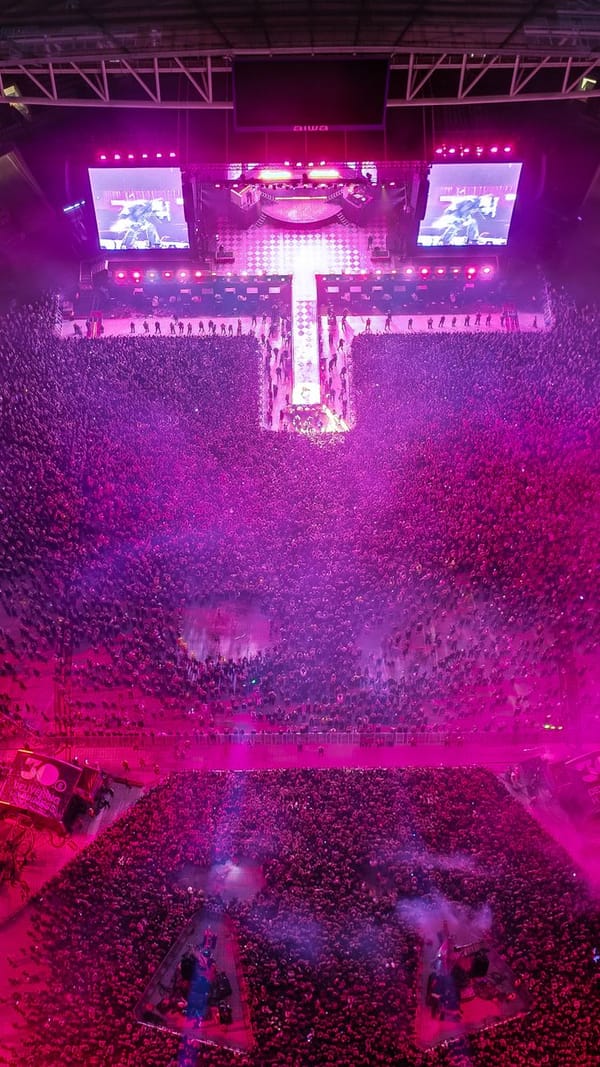
Global Trend
What Happens When Bieber, Madonna, Shakira, and BTS Share the World Cup Stage?
Imagine this: It’s July 19, 2026, and the world is watching. Not just for the final whistle of the FIFA World Cup, but for something that’s never happened before. For the first time in the tournament’s history, a Super Bowl style halftime show is about to unfold at MetLife Stadi…
Read More...
Global Trend
80 Targets Hit: What the US Strikes on Iran Mean for Global Oil Routes
The world’s most critical oil passageway just became the epicenter of a major military confrontation. The United States has launched sweeping airstrikes across Iran’s southern coast, hitting more than 80 locations after three commercial tankers came under attack in the Strait of…
Read More...
Global Trend
Travel Before the Crowds: Why the Two Weeks Before School Holidays Are Your Best Bet for a Peaceful Summer Escape
Picture this: warm sand beneath your feet, a gentle sea breeze, and the sound of waves instead of the chatter of crowds. That’s the reality for travelers who discover a simple truth about summer vacations. The best time to go isn’t when everyone else does. It’s the two weeks rig…
Read More...
Global Trend
Faster Patents in Europe and China: What the New EPO-CNIPA PPH Pilot Means for Your Innovation Timeline
What if you could cut months off the time it takes to secure a patent in both Europe and China? Starting August 1, 2026, that possibility becomes reality. The European Patent Office (EPO) and China National Intellectual Property Administration (CNIPA) are launching a new bilater…
Read More...
Global Trend
What Happened in a Utah Courtroom When Charlie Kirk’s Family Came Face to Face With His Accused Killer?
On a quiet Tuesday morning in May 2026, a Utah courtroom became the center of a story that has haunted America for months. The family of Charlie Kirk, the 31-year-old conservative activist and founder of Turning Point USA, sat just feet away from the man accused of ending his li…
Read More...
Global Trend
4 New Luxury Travel Mindsets Reshaping Asia Pacific: How Gen Z Is Redefining High End Tourism
What does luxury mean to a generation that grew up with Instagram, climate anxiety, and a craving for meaning? A sweeping study of 2,800 affluent travelers across eight Asia Pacific markets—China, Japan, South Korea, Australia, India, Singapore, Thailand, and Indonesia—has uncov…
Read More...
Global Trend
How Europe and China Are Cutting Patent Wait Times by 40% Starting August 2026
Imagine filing a single patent application and watching it sail through two of the world’s largest intellectual property offices with minimal friction. That vision becomes reality on August 1, 2026, when the European Patent Office (EPO) and the China National Intellectual Proper…
Read More...