
What Really Happened at Euracare? Chimamanda Ngozi Adichie’s Fight for Answers After Her Son’s Death at 21 Months
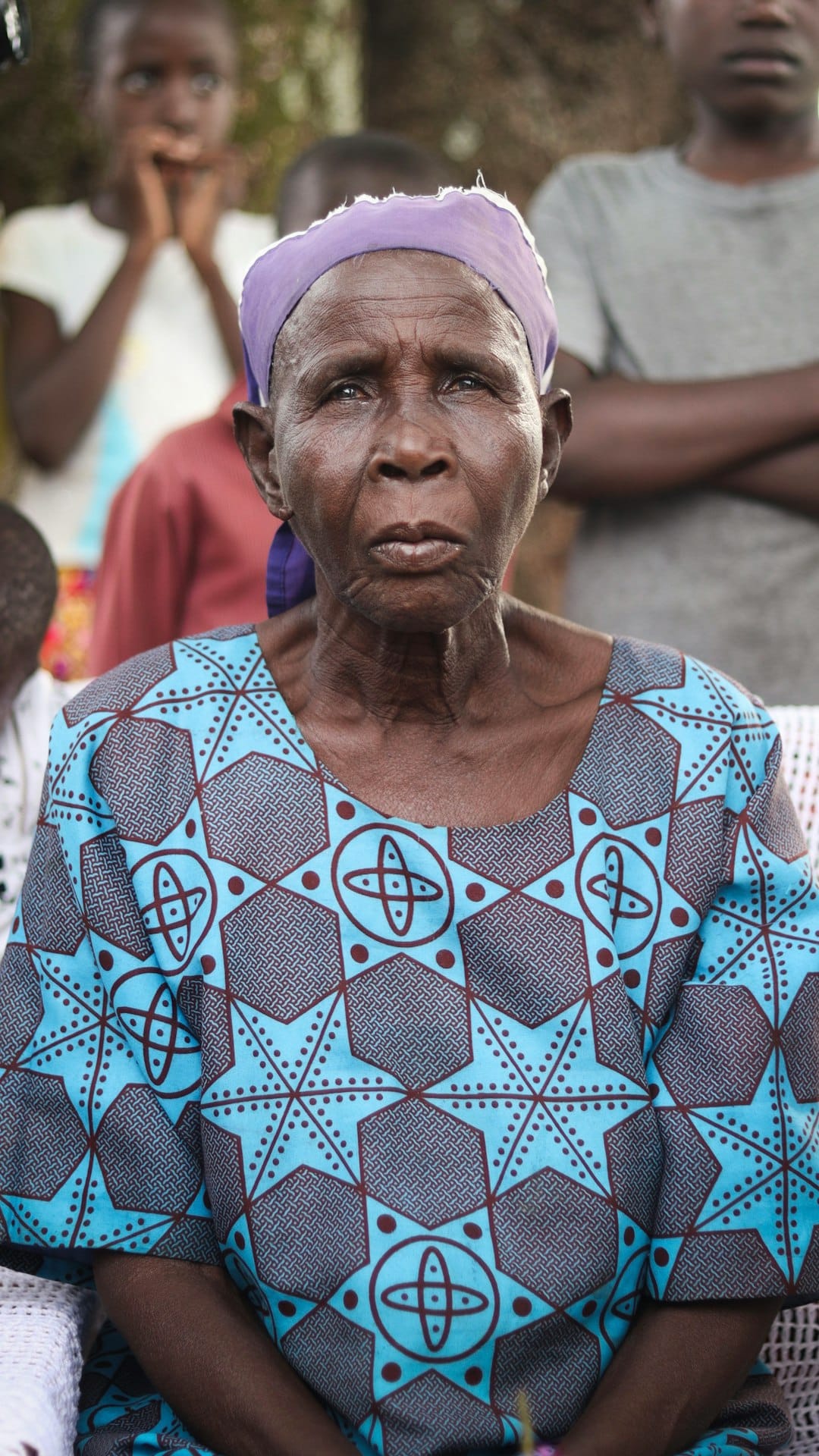
Lagos, Nigeria, MMN Correspondent: On a quiet January morning in 2026, the world lost a little boy named Nkanu. He was 21 months old, one of twin boys born via surrogacy in 2024, and the son of one of Africa’s most celebrated voices. But what happened inside the walls of Euracare Hospital in Lagos that day has sparked a battle that goes far beyond one family’s grief.
Chimamanda Ngozi Adichie, the award-winning author of Half of a Yellow Sun and Americanah, has spent the last six months not just mourning her child but fighting for something many of us take for granted: the truth. In a series of public statements and legal filings, she has accused Euracare of obstructing an official inquest into Nkanu’s death. The hospital, she says, has provided incomplete medical records, delayed responses, and even tried to block a coronial hearing scheduled for April 2026 now postponed indefinitely.
Why would a hospital resist an investigation? That’s the question Adichie is asking, and she’s not alone.
According to her legal team, Nkanu was initially admitted to Atlantis Hospital in Lagos with a mild but worsening illness. Doctors planned to transfer him to Johns Hopkins Hospital in Baltimore for advanced care. But before the flight, he needed a pre-flight evaluation at Euracare, including an MRI and a lumbar puncture to check his neurological function. During those procedures, Nkanu suffered a cardiac arrest and died on January 7, 2026.
Adichie and her family allege that medical staff denied Nkanu oxygen during critical moments and administered excessive sedation. Internal documents reviewed by her lawyers show discrepancies in vital signs monitoring and medication logs. The family believes these were not isolated mistakes but signs of a broader failure in patient care.
Euracare Hospital has expressed its “deepest sympathies” and denies any wrongdoing, stating that all protocols followed international standards. Yet Nigeria’s Medical and Dental Council has launched an investigation panel that identified a potential case of medical negligence. That finding adds weight to Adichie’s claims and raises a larger question: How accountable are private hospitals in Nigeria?
This case is not just about one family’s tragedy. It’s about a healthcare system in a country where public hospitals are underfunded, private facilities often operate with limited oversight, and families like Adichie’s must fight for answers. The fact that a globally connected figure like Adichie has to resort to legal action to get a transparent inquest shows how deep the gaps run.
In her own words, Adichie described the isolating nature of grief: “The ultimate and utter loneliness of grief is that only you can know the true depth of your despair. I long for, at least, peace to mourn, but Euracare Hospital has robbed me even of that.”
Her fight is personal, but it’s also a call for change. By demanding a transparent inquest, she is pushing for institutional reform and greater scrutiny of private healthcare providers. She hopes her experience will ensure no other family has to face the same bureaucratic hurdles or emotional trauma when seeking answers after a medical tragedy.
The Federal High Court in Nigeria is now reviewing a petition to compel the hospital to cooperate with the inquest. Civil society groups, patient advocates, and medical ethics experts have begun voicing support for her cause, urging regulatory bodies to act swiftly and impartially.
This story is a reminder that behind every headline is a human story of love, loss, and the relentless pursuit of truth. For Chimamanda Ngozi Adichie, writing has always been a way to understand the world. Now, through her pain, she is using her voice to demand a more just and accountable healthcare system not just for herself, but for future generations.
Her journey continues to inspire millions, not only as a literary giant but as a mother fighting for justice in the shadow of unimaginable sorrow.
Related in Global Trend

Global Trend
Meta’s AI Image Tool Vanishes Days After Launch: What Happened to Your Instagram Photos?
Just days after its flashy debut, Meta’s new AI image generation feature has been pulled from the platform. The tool, part of the Muse Image rollout, let users of Meta’s AI chatbot create artificial images by pulling content from public Instagram accounts. Think about that for a…
Read More...
Global Trend
Middle East Travelers Are Flocking to Thailand for Wellness: Here’s What’s Driving the 2026 Boom
What if the next luxury vacation didn’t just pamper you but actually changed how you feel long after you return home? That’s the question Thailand is asking Middle East travelers right now. And the answer is reshaping how people from the Gulf plan their getaways. The Tourism Aut…
Read More...
Global Trend
How SK Hynix Raised $26.5 Billion in Its US Debut: What It Means for AI Chip Investors
Imagine walking into a room where the world’s biggest money managers are all fighting for a piece of the same company. That’s exactly what happened when SK Hynix, the South Korean memory chip giant, stepped onto the Nasdaq stage in July 2026. The result? A staggering $26.5 billi…
Read More...
Global Trend
What Happens When Bieber, Madonna, Shakira, and BTS Share the World Cup Stage?
Imagine this: It’s July 19, 2026, and the world is watching. Not just for the final whistle of the FIFA World Cup, but for something that’s never happened before. For the first time in the tournament’s history, a Super Bowl style halftime show is about to unfold at MetLife Stadi…
Read More...
Global Trend
80 Targets Hit: What the US Strikes on Iran Mean for Global Oil Routes
The world’s most critical oil passageway just became the epicenter of a major military confrontation. The United States has launched sweeping airstrikes across Iran’s southern coast, hitting more than 80 locations after three commercial tankers came under attack in the Strait of…
Read More...
Global Trend
Travel Before the Crowds: Why the Two Weeks Before School Holidays Are Your Best Bet for a Peaceful Summer Escape
Picture this: warm sand beneath your feet, a gentle sea breeze, and the sound of waves instead of the chatter of crowds. That’s the reality for travelers who discover a simple truth about summer vacations. The best time to go isn’t when everyone else does. It’s the two weeks rig…
Read More...
Global Trend
Faster Patents in Europe and China: What the New EPO-CNIPA PPH Pilot Means for Your Innovation Timeline
What if you could cut months off the time it takes to secure a patent in both Europe and China? Starting August 1, 2026, that possibility becomes reality. The European Patent Office (EPO) and China National Intellectual Property Administration (CNIPA) are launching a new bilater…
Read More...
Global Trend
What Happened in a Utah Courtroom When Charlie Kirk’s Family Came Face to Face With His Accused Killer?
On a quiet Tuesday morning in May 2026, a Utah courtroom became the center of a story that has haunted America for months. The family of Charlie Kirk, the 31-year-old conservative activist and founder of Turning Point USA, sat just feet away from the man accused of ending his li…
Read More...
Global Trend
4 New Luxury Travel Mindsets Reshaping Asia Pacific: How Gen Z Is Redefining High End Tourism
What does luxury mean to a generation that grew up with Instagram, climate anxiety, and a craving for meaning? A sweeping study of 2,800 affluent travelers across eight Asia Pacific markets—China, Japan, South Korea, Australia, India, Singapore, Thailand, and Indonesia—has uncov…
Read More...
Global Trend
How Europe and China Are Cutting Patent Wait Times by 40% Starting August 2026
Imagine filing a single patent application and watching it sail through two of the world’s largest intellectual property offices with minimal friction. That vision becomes reality on August 1, 2026, when the European Patent Office (EPO) and the China National Intellectual Proper…
Read More...