
Where to Spot Europe’s Rarest Birds: 15 Must Visit Destinations for Avid Birdwatchers
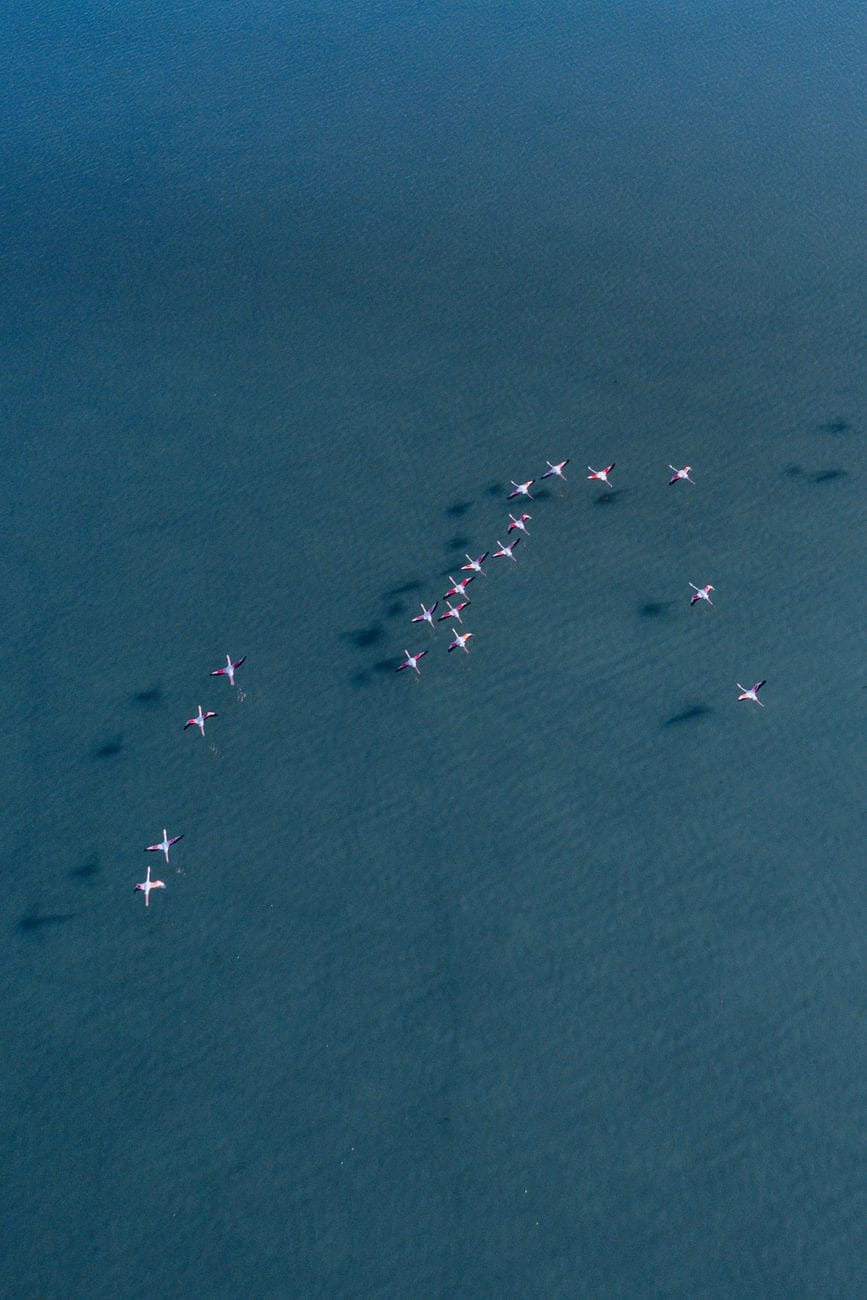
Falsterbo, Sweden, MMN Correspondent: Have you ever wondered where the continent’s most spectacular avian gatherings unfold? A fresh analysis by travel insurance provider AllClear has pinpointed Europe’s finest birdwatching havens, and the results might surprise even seasoned enthusiasts. Topping the list with a score of 50.7 out of 100 is Sweden’s Falsterbo Peninsula, a narrow strip of land that acts as a natural funnel for tens of thousands of migrating birds each year.
What makes this spot so extraordinary? It sits right along one of Europe’s most critical migration corridors. Imagine ospreys, harriers, falcons, and countless warblers streaming through this landbridge as they travel between northern breeding grounds and wintering areas in southern Europe and Africa. The peninsula’s mix of coastal dunes, marshes, and woodlands offers weary migrants a perfect rest stop, making it a dream location for anyone eager to witness migration in full swing.
The study didn’t just look at bird counts. It weighed eight factors: total species, presence of rare or endangered birds, standout groups like raptors and warblers, average temperature, wind speed, rainfall, airport proximity, and daily tourist spending. This means the rankings balance ecological richness with practical travel comfort. So whether you’re a dedicated lister or a casual observer, these destinations promise both wonder and accessibility.
Claiming second place with a score of 50.2 is Titchwell Marsh in Norfolk, England. Managed by the Royal Society for the Protection of Birds, this 400 hectare coastal reserve features reedbeds, freshwater lagoons, saltmarshes, and sandy beaches. It’s a reliable spot for rare sightings like the bittern, Eurasian spoonbill, and black tailed godwit. The well maintained trails make it equally inviting for beginners and experts.
Third place goes to Fair Isle, Scotland, scoring 49.7. This remote island sits in the North Sea between Shetland and Orkney, serving as a vital landing point for transatlantic migrants. Its isolation increases the chance of encountering vagrants birds blown off course from their usual routes. Each visit holds an element of surprise. Yes, it’s the priciest destination on the list at about €123 per day, but for dedicated birdwatchers, the thrill of the unexpected makes every penny worthwhile.
England dominates the top 15 with five entries, reflecting the country’s strong conservation efforts. Minsmere in Suffolk ranks fifth with a score of 46.4. Its tranquil reedbeds and open grasslands offer prime views of the booming bittern and the striking pied avocet. With mild temperatures averaging 11°C and minimal rainfall, it provides some of the most comfortable birdwatching conditions in the entire ranking.
Rutland Water in central England takes seventh place with a score of 44.7. This large reservoir is a haven for waterfowl, including great crested grebes, whooper swans, and various wading birds. The surrounding wetlands support a rich ecosystem that sustains both resident and migratory species throughout the year.
In eighth place are two joint entries: Slimbridge Wetland Centre and Bowling Green Marsh, both in Gloucestershire. Slimbridge, founded by the legendary ornithologist Sir Peter Scott, is one of the UK’s oldest and most respected wetland reserves. It plays a crucial role in the conservation of endangered species like the Eurasian spoonbill and is especially active during spring and autumn migration periods.
Greece contributes two remarkable sites. Kalloni Saltpans on the island of Lesvos ranks fourth with a score of 47.7. The salt pans attract a wide variety of shorebirds, including flamingos, purple herons, and black winged stilts. With an average temperature of 18°C and just 45.3mm of annual rainfall, Lesvos offers consistently pleasant weather ideal for extended observation without the discomfort of cold or rain.
Lake Kerkini National Park in northern Greece follows in sixth place with a score of 45.2. This expansive lake system supports over 300 bird species, including the globally threatened Dalmatian pelican. The park’s combination of wetlands, forests, and meadows creates a mosaic of habitats that sustain both resident and transient populations.
Spain brings two strong entries: Ebro Delta in 12th place and Monfragüe National Park in 14th. The Ebro Delta, where the river meets the Mediterranean, is famed for its vast network of channels and marshes, home to species like the greater flamingo and the Spanish imperial eagle. Monfragüe, nestled in the Extremadura region, is particularly known for its population of golden eagles and black vultures, with dramatic cliffs providing nesting sites.
Portugal’s Ria Formosa National Park completes the top 10 with a score of 42.4. This coastal lagoon complex is a hotspot for migratory birds, including sandpipers, terns, and the elusive European bee eater. Its unique blend of marine, estuarine, and terrestrial environments supports exceptional biodiversity.
Other notable mentions include Loch Gruinart in Scotland, which ranks 15th with a score of 36.4, offering excellent views of sea eagles, puffins, and other seabirds.
Birdwatching has evolved from a niche hobby into a major form of sustainable tourism, attracting millions annually. As climate change alters migration patterns and habitats shrink, these protected areas play a vital role in conservation. Experts emphasize the importance of responsible travel choosing eco friendly accommodations, minimizing disturbance, and supporting local conservation efforts.
For those planning a trip, factors such as weather, cost, and accessibility are crucial. The study highlights that destinations like Minsmere and Kalloni Saltpans offer favorable conditions for travelers with physical limitations or those seeking a relaxed experience. Meanwhile, remote spots like Fair Isle demand careful preparation and higher budgets but deliver unparalleled rewards.
Travel insurance is increasingly recommended, especially for trips to isolated regions. Comprehensive coverage ensures peace of mind should unexpected events arise, allowing visitors to focus entirely on observing nature’s wonders.
As interest in wildlife tourism continues to grow, Europe’s top birdwatching sites stand as beacons of ecological resilience and natural beauty offering unforgettable experiences for anyone drawn to the quiet magic of the wild.
Related in Global Trend

Global Trend
Meta’s AI Image Tool Vanishes Days After Launch: What Happened to Your Instagram Photos?
Just days after its flashy debut, Meta’s new AI image generation feature has been pulled from the platform. The tool, part of the Muse Image rollout, let users of Meta’s AI chatbot create artificial images by pulling content from public Instagram accounts. Think about that for a…
Read More...
Global Trend
Middle East Travelers Are Flocking to Thailand for Wellness: Here’s What’s Driving the 2026 Boom
What if the next luxury vacation didn’t just pamper you but actually changed how you feel long after you return home? That’s the question Thailand is asking Middle East travelers right now. And the answer is reshaping how people from the Gulf plan their getaways. The Tourism Aut…
Read More...
Global Trend
How SK Hynix Raised $26.5 Billion in Its US Debut: What It Means for AI Chip Investors
Imagine walking into a room where the world’s biggest money managers are all fighting for a piece of the same company. That’s exactly what happened when SK Hynix, the South Korean memory chip giant, stepped onto the Nasdaq stage in July 2026. The result? A staggering $26.5 billi…
Read More...
Global Trend
What Happens When Bieber, Madonna, Shakira, and BTS Share the World Cup Stage?
Imagine this: It’s July 19, 2026, and the world is watching. Not just for the final whistle of the FIFA World Cup, but for something that’s never happened before. For the first time in the tournament’s history, a Super Bowl style halftime show is about to unfold at MetLife Stadi…
Read More...
Global Trend
80 Targets Hit: What the US Strikes on Iran Mean for Global Oil Routes
The world’s most critical oil passageway just became the epicenter of a major military confrontation. The United States has launched sweeping airstrikes across Iran’s southern coast, hitting more than 80 locations after three commercial tankers came under attack in the Strait of…
Read More...
Global Trend
Travel Before the Crowds: Why the Two Weeks Before School Holidays Are Your Best Bet for a Peaceful Summer Escape
Picture this: warm sand beneath your feet, a gentle sea breeze, and the sound of waves instead of the chatter of crowds. That’s the reality for travelers who discover a simple truth about summer vacations. The best time to go isn’t when everyone else does. It’s the two weeks rig…
Read More...
Global Trend
Faster Patents in Europe and China: What the New EPO-CNIPA PPH Pilot Means for Your Innovation Timeline
What if you could cut months off the time it takes to secure a patent in both Europe and China? Starting August 1, 2026, that possibility becomes reality. The European Patent Office (EPO) and China National Intellectual Property Administration (CNIPA) are launching a new bilater…
Read More...
Global Trend
What Happened in a Utah Courtroom When Charlie Kirk’s Family Came Face to Face With His Accused Killer?
On a quiet Tuesday morning in May 2026, a Utah courtroom became the center of a story that has haunted America for months. The family of Charlie Kirk, the 31-year-old conservative activist and founder of Turning Point USA, sat just feet away from the man accused of ending his li…
Read More...
Global Trend
4 New Luxury Travel Mindsets Reshaping Asia Pacific: How Gen Z Is Redefining High End Tourism
What does luxury mean to a generation that grew up with Instagram, climate anxiety, and a craving for meaning? A sweeping study of 2,800 affluent travelers across eight Asia Pacific markets—China, Japan, South Korea, Australia, India, Singapore, Thailand, and Indonesia—has uncov…
Read More...
Global Trend
How Europe and China Are Cutting Patent Wait Times by 40% Starting August 2026
Imagine filing a single patent application and watching it sail through two of the world’s largest intellectual property offices with minimal friction. That vision becomes reality on August 1, 2026, when the European Patent Office (EPO) and the China National Intellectual Proper…
Read More...