
158 Gardaí Assaulted in Rural Ireland: What’s Behind the Rising Threat to Law Enforcement?
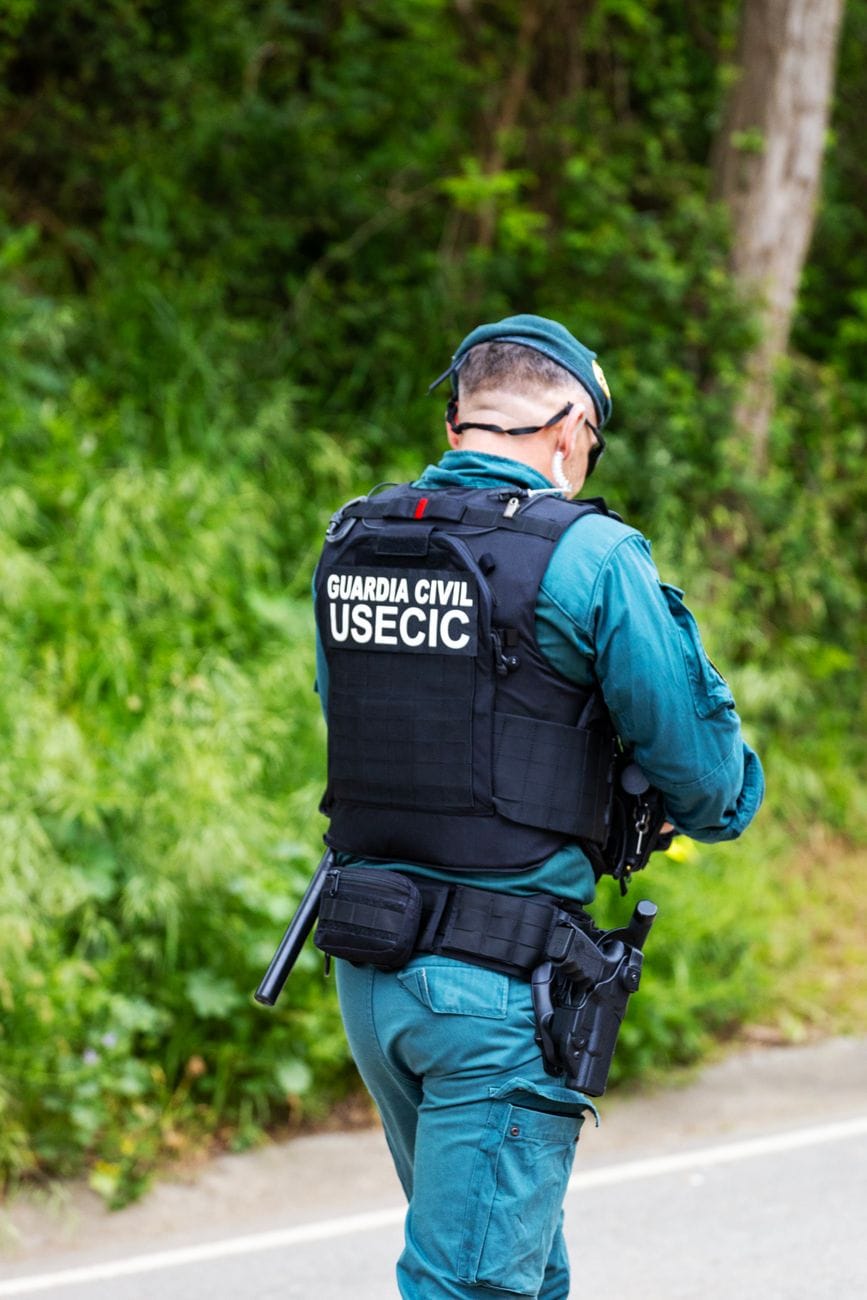
Mayo, Roscommon, Longford Division, Ireland, MMN Correspondent: Over the past decade, 158 members of An Garda Síochána have been assaulted while on duty across the Mayo, Roscommon, and Longford division. That’s not just a number. It’s a signal that something fundamental is shifting in how some people interact with the officers who serve their communities. The data, obtained by Aontú TD for Mayo, Paul Lawless, reveals a pattern that challenges the assumption that rural Ireland is immune to the kind of hostility often associated with urban centers.
These incidents range from verbal abuse to physical violence, and they happen during routine patrols, traffic stops, or simple community interactions. The idea that officers in quiet countryside towns face less danger than their city counterparts is being quietly dismantled by these figures. What’s driving this change? Is it a broader cultural shift in how authority is perceived, or something more specific to the pressures facing rural policing?
Deputy Lawless has been clear: this isn’t a series of isolated events. It’s a trend. He argues that assaulting a Garda should carry consequences that reflect the seriousness of the act. His party, Aontú, has introduced a bill in the Dáil proposing mandatory minimum prison sentences for anyone convicted of assaulting an officer on duty. Depending on the severity, offenders would face at least six months and up to two years behind bars. The message is direct: harming a Garda is an attack on the rule of law itself.
But the conversation doesn’t stop at sentencing. The Garda Síochána is facing a recruitment and retention crisis that has been building for years. Officers report stress, burnout, and fear. Many leave because of poor working conditions, inadequate resources, and a lack of institutional support. The psychological toll is real. Frontline officers often work alone, especially during night shifts in rural areas where backup can be miles away. In extreme situations, like the Dublin Riots, emergency response mechanisms struggled to keep up. Reports even emerged of senior management using WhatsApp messages to coordinate responses. That’s a far cry from the structured crisis management you’d expect from a national police force.
For Deputy Lawless, these issues are personal. His hometown of Knock in County Mayo has felt the weight of Garda tragedies firsthand. The murder of Detective Garda Colm Horkan in Charlestown in 2023 sent shockwaves through the region. Horkan was a dedicated officer known for his community work, and he was fatally shot during a routine patrol. Forty years earlier, the killings of Detective Garda Henry Byrne and Superintendent John Morley in Ballaghaderreen left a lasting scar. Both men were from Knock, highlighting the deep connection between the local population and the Garda force. These are not distant headlines. They are part of the fabric of these communities.
Rural divisions operate with fewer personnel and greater distances between stations. Rapid response is a challenge. Officers often work in isolation, which increases their exposure to danger. Yet they remain committed to maintaining peace and order. The rise in assaults raises questions about cultural attitudes toward authority. While most Irish citizens hold the Garda in high regard, a growing minority views officers as adversaries. Social media amplifies this divide, with videos of confrontations going viral and sometimes glorifying resistance to police. This digital culture can embolden individuals to act aggressively, knowing their actions may be shared widely before legal consequences catch up.
Experts suggest that addressing the root causes of violence against officers requires more than tougher sentencing. Comprehensive strategies could include better training in de-escalation techniques, increased deployment of visible patrols in high-risk zones, and stronger mental health support for officers. Public education campaigns might help restore respect for the role of law enforcement and emphasize the consequences of violence against them. The proposed legislation by Aontú aims to send a clear message, but long-term solutions must also focus on improving pay, working conditions, and career development opportunities to reverse the current decline in recruitment and retention.
The story of the 158 assaulted Gardaí is a reminder of the human cost behind public safety. It’s a call to action for lawmakers, policymakers, and every citizen who values order, justice, and the courage of those who uphold it. The data from the Mayo-Roscommon-Longford division is not just a statistic. It’s a testament to the resilience of rural officers and a warning sign for the future. Without meaningful change, the integrity of Ireland’s policing system hangs in the balance.
Related in Politics
Politics
Poland’s Political Crossroads: Why Konfederacja Is Pushing for a State Tribunal Trial Over Ukraine Policy
Poland’s political landscape is heating up as the far-right coalition Konfederacja demands that former Minister of Justice Paweł Kosiniak-Kamysza face a State Tribunal trial. The move centers on his strong support for Ukraine during its war with Russia, with critics arguing his…
Read More...
Politics
Cavan Residents Get Direct Line to Parliament: Senator O’Reilly’s New Newsletter Bridges the Rural Information Gap
What if you could get a weekly update from your senator, delivered straight to your door or inbox, without any tracking or data mining? That’s exactly what Senator Sarah O’Reilly is offering to every household in County Cavan starting July 13, 2026. The initiative, announced on…
Read More...
Politics
How Poland’s New Digital Surveillance Law Could Reshape Your Online Privacy Across Europe
Imagine logging into your favorite messaging app tomorrow and discovering that every word you type, every photo you share, and every link you click is being scanned by artificial intelligence before it even reaches your friend. That scenario is no longer hypothetical. It is now…
Read More...
Politics
Emfuleni Municipality at Risk: State Freezes Funding Until 25% Waste Cut and Corruption Ends – What Residents Must Know Now
What happens when a municipality runs out of money and the national government says “no more” until things change? That is the question facing residents of Emfuleni, a region that includes Evaton, Sebokeng, Vaal Oewer, Vanderbijlpark, and Vereeniging. On July 9, 2026, the Nation…
Read More...
Politics
Volkswagen Faces 100,000 Job Cuts: Is Germany’s EV Dream Crumbling?
Deep in the heart of Germany’s industrial belt, a quiet storm is brewing. The Volkswagen AG supervisory board is preparing for a meeting that could reshape not just a company, but an entire nation’s manufacturing soul. Four German factories may close. Up to 100,000 jobs could va…
Read More...
Politics
Are Mandatory iPads in Irish Schools Worth the Cost? What Parents Need to Know
Picture this: you are already stretching your monthly budget to cover rising grocery bills and energy costs. Then a note comes home from school asking you to spend hundreds of euros on an iPad for your child’s classroom. For families across Ireland, this scenario is becoming inc…
Read More...
Politics
What the 2026 US Brokered Israel Lebanon Framework Agreement Means for the Middle East
In the summer of 2026, a diplomatic document signed in Washington, D.C., has set the Middle East ablaze with debate. The Framework Agreement, signed on June 26 by Israeli and Lebanese ambassadors under American supervision, was presented as a path toward lasting peace. Instead,…
Read More...
Politics
Electricity Tariff Suspension in Mogalakwena: What R100 to R200 Hike Pause Means for Your Energy Bills and South Africa’s Fair Pricing Future
MMN Correspondent: In early July 2026, the Mogalakwena Local Municipality made a decision that caught the attention of energy watchers across South Africa. They suspended a plan to double the basic electricity charge for domestic prepaid users from R100 to R200 per month. For a…
Read More...
Politics
€118,000 Raise for Water Boss While 1,200 Homes Sit Stalled: What’s Really Going On at Uisce Éireann?
Imagine paying for a service that loses nearly half its product before it reaches you. Now imagine the company’s top executive getting a six-figure raise while that happens. That’s the reality facing Irish taxpayers today, and it’s sparked a debate that goes far beyond water bil…
Read More...
Politics
Poland's Defense Dilemma: How $7 Million Missiles Sent to Ukraine Could Leave the Nation Vulnerable Until 2029
What happens when a nation’s most advanced defense systems are quietly shipped across its borders without parliamentary approval? That’s the question rattling Poland’s political and military establishment right now. Reports have surfaced that Poland’s prized PAC-3 MSE intercepto…
Read More...