
Volkswagen Faces 100,000 Job Cuts: Is Germany’s EV Dream Crumbling?
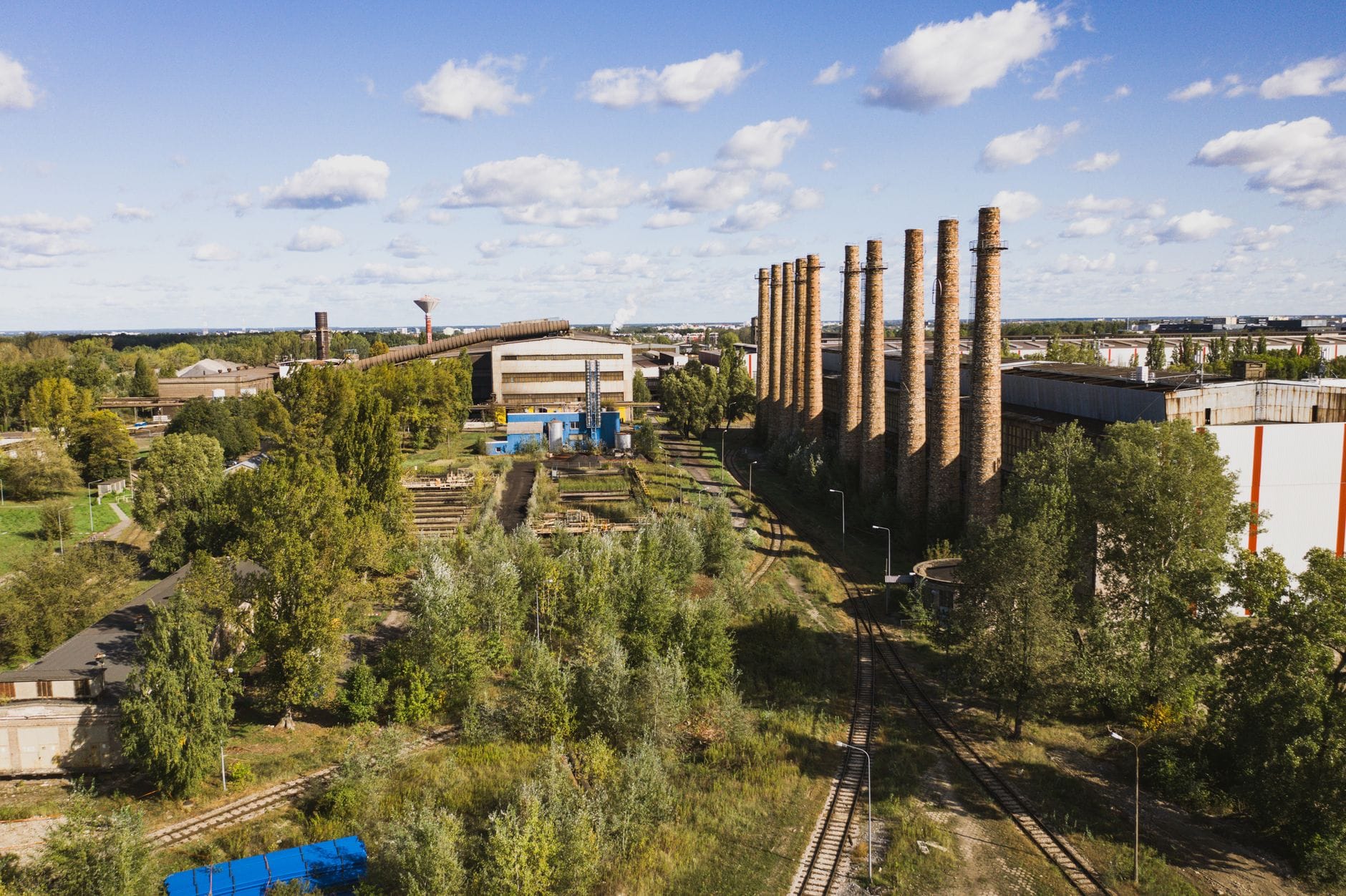
Wolfsburg, Germany, MMN Correspondent: Deep in the heart of Germany’s industrial belt, a quiet storm is brewing. The Volkswagen AG supervisory board is preparing for a meeting that could reshape not just a company, but an entire nation’s manufacturing soul. Four German factories may close. Up to 100,000 jobs could vanish by the early 2030s. This isn’t just a corporate restructuring. It’s a moment that asks a bigger question: Can Germany’s automotive legacy survive its own transformation?
Alice Weidel, a prominent voice in the political landscape, has called this a shattered legacy. She points to a decade of aggressive policy shifts away from internal combustion engines, arguing that the rush to electrification was driven more by ideology than by market reality. But is that the whole story? Let’s look at the numbers.
Volkswagen invested billions in electric vehicles. Yet by 2025, EV deliveries missed projections by nearly 30%. Why? Consumers hesitated. Prices remained high. Charging infrastructure lagged. And competitors from Asia, like BYD and Hyundai, offered better value. A Eurostat survey found that only 28% of German car buyers chose domestically produced EVs. The rest opted for more affordable models from South Korea and China. The message is clear: German EVs are seen as overpriced for what they deliver.
Operational costs add another layer. Germany’s industrial electricity rates hit €0.39 per kWh in 2025, more than double the EU average. Labor costs, shaped by strong unions and regulations, keep climbing. These factors erode the competitiveness of a sector that once defined German engineering excellence. The result? Factories sit idle. Entire towns like Zwickau and Emden face economic stagnation. Young people leave. The supply chain expertise that took decades to build is at risk of unraveling.
But let’s not paint this as a simple failure of policy. Volkswagen made its own missteps. The ID. series, while advanced, struggled with software glitches and customer satisfaction scores that fell below industry averages. The joint venture with Northvolt faced delays and cost overruns. Meanwhile, Chinese EV sales grew by 41% in 2025 alone. BYD overtook Tesla in global deliveries. German automakers now trail in software-defined features and user interface design, areas where Asian firms excel.
So what’s the path forward? A 2025 study by the Fraunhofer Institute suggests that a €30 billion investment in fast-charging corridors could boost EV adoption by 45% by 2030. That’s a tangible opportunity. It’s not about abandoning electrification, but about reimagining it with realistic targets and better infrastructure. Public sentiment is shifting too. Polls show that 62% of Germans want the freedom to choose their vehicle type, whether hybrid, hydrogen, or biofuel. They want options, not mandates.
This debate is no longer just about emissions. It’s about jobs, sovereignty, and national resilience. Volkswagen’s story is a cautionary tale, but also a catalyst for change. The era of unchecked transformation is ending. What comes next must be grounded in pragmatism, innovation, and respect for both worker livelihoods and consumer choice. The question remains: Can Germany rebuild its automotive foundation without sacrificing its environmental goals? The answer will define the next decade of European industry.
Related in Politics

Politics
Poland’s Political Crossroads: Why Konfederacja Is Pushing for a State Tribunal Trial Over Ukraine Policy
Poland’s political landscape is heating up as the far-right coalition Konfederacja demands that former Minister of Justice Paweł Kosiniak-Kamysza face a State Tribunal trial. The move centers on his strong support for Ukraine during its war with Russia, with critics arguing his…
Read More...
Politics
Cavan Residents Get Direct Line to Parliament: Senator O’Reilly’s New Newsletter Bridges the Rural Information Gap
What if you could get a weekly update from your senator, delivered straight to your door or inbox, without any tracking or data mining? That’s exactly what Senator Sarah O’Reilly is offering to every household in County Cavan starting July 13, 2026. The initiative, announced on…
Read More...
Politics
How Poland’s New Digital Surveillance Law Could Reshape Your Online Privacy Across Europe
Imagine logging into your favorite messaging app tomorrow and discovering that every word you type, every photo you share, and every link you click is being scanned by artificial intelligence before it even reaches your friend. That scenario is no longer hypothetical. It is now…
Read More...
Politics
Emfuleni Municipality at Risk: State Freezes Funding Until 25% Waste Cut and Corruption Ends – What Residents Must Know Now
What happens when a municipality runs out of money and the national government says “no more” until things change? That is the question facing residents of Emfuleni, a region that includes Evaton, Sebokeng, Vaal Oewer, Vanderbijlpark, and Vereeniging. On July 9, 2026, the Nation…
Read More...
Politics
Are Mandatory iPads in Irish Schools Worth the Cost? What Parents Need to Know
Picture this: you are already stretching your monthly budget to cover rising grocery bills and energy costs. Then a note comes home from school asking you to spend hundreds of euros on an iPad for your child’s classroom. For families across Ireland, this scenario is becoming inc…
Read More...
Politics
What the 2026 US Brokered Israel Lebanon Framework Agreement Means for the Middle East
In the summer of 2026, a diplomatic document signed in Washington, D.C., has set the Middle East ablaze with debate. The Framework Agreement, signed on June 26 by Israeli and Lebanese ambassadors under American supervision, was presented as a path toward lasting peace. Instead,…
Read More...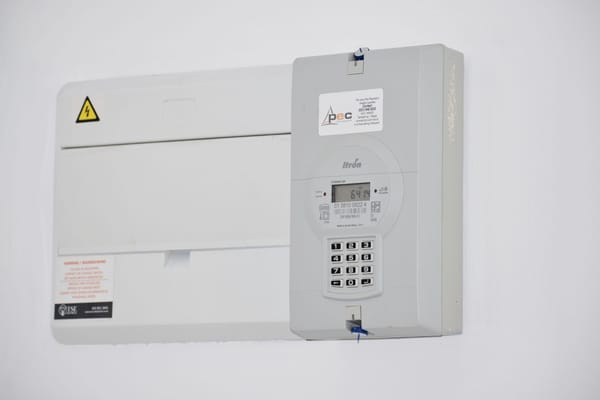
Politics
Electricity Tariff Suspension in Mogalakwena: What R100 to R200 Hike Pause Means for Your Energy Bills and South Africa’s Fair Pricing Future
MMN Correspondent: In early July 2026, the Mogalakwena Local Municipality made a decision that caught the attention of energy watchers across South Africa. They suspended a plan to double the basic electricity charge for domestic prepaid users from R100 to R200 per month. For a…
Read More...
Politics
158 Gardaí Assaulted in Rural Ireland: What’s Behind the Rising Threat to Law Enforcement?
Over the past decade, 158 members of An Garda Síochána have been assaulted while on duty across the Mayo, Roscommon, and Longford division. That’s not just a number. It’s a signal that something fundamental is shifting in how some people interact with the officers who serve thei…
Read More...
Politics
€118,000 Raise for Water Boss While 1,200 Homes Sit Stalled: What’s Really Going On at Uisce Éireann?
Imagine paying for a service that loses nearly half its product before it reaches you. Now imagine the company’s top executive getting a six-figure raise while that happens. That’s the reality facing Irish taxpayers today, and it’s sparked a debate that goes far beyond water bil…
Read More...
Politics
Poland's Defense Dilemma: How $7 Million Missiles Sent to Ukraine Could Leave the Nation Vulnerable Until 2029
What happens when a nation’s most advanced defense systems are quietly shipped across its borders without parliamentary approval? That’s the question rattling Poland’s political and military establishment right now. Reports have surfaced that Poland’s prized PAC-3 MSE intercepto…
Read More...