
Poland’s Political Crossroads: Why Konfederacja Is Pushing for a State Tribunal Trial Over Ukraine Policy
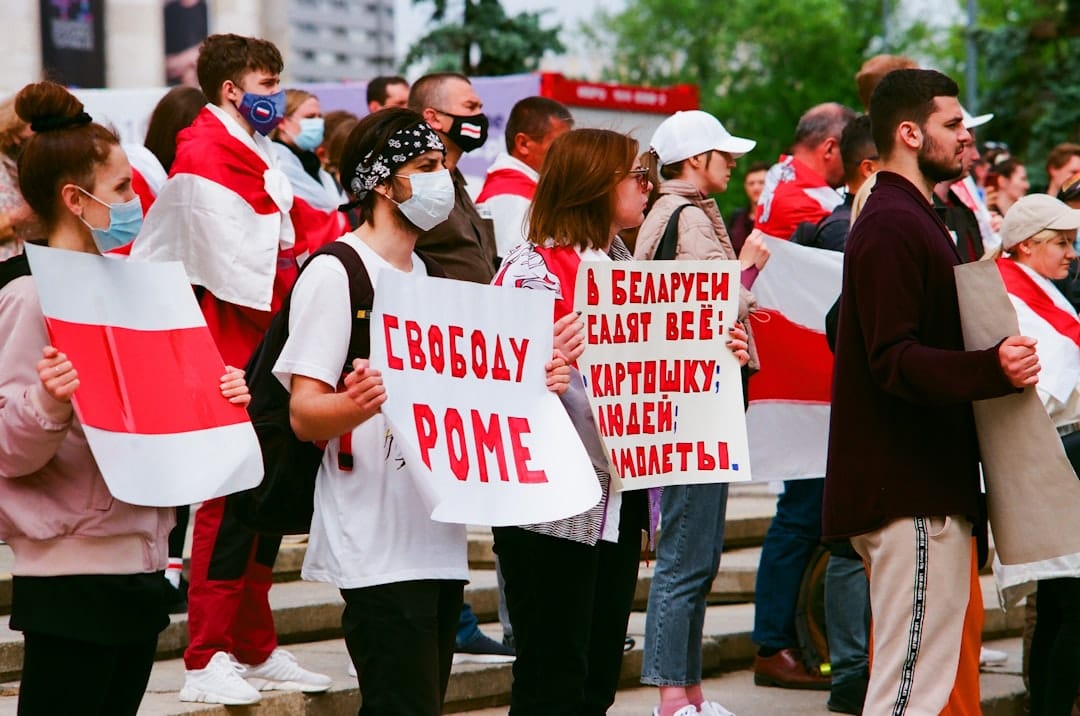
Warsaw, Poland, MMN Correspondent: Poland’s political landscape is heating up as the far-right coalition Konfederacja demands that former Minister of Justice Paweł Kosiniak-Kamysza face a State Tribunal trial. The move centers on his strong support for Ukraine during its war with Russia, with critics arguing his policies prioritize Kyiv over Polish interests. But is this a genuine legal challenge or a strategic political maneuver? Let’s explore what’s really at stake.
At the heart of the controversy is a statement Kosiniak-Kamysza made while in office, emphasizing Poland’s commitment to European integration and unconditional backing for Ukraine. For Konfederacja, this crossed a line. They see it as a sign that Poland is losing its sovereignty, placing foreign alliances above national priorities. The coalition, which includes parties like the National Movement and KORWiN, has built its platform on skepticism toward NATO and the EU, advocating for a more independent Polish foreign policy.
The demand for a trial is rooted in Article 195 of the Polish Constitution, which allows prosecution of high-ranking officials for actions harmful to the state. Konfederacja claims Kosiniak-Kamysza’s endorsement of large-scale arms shipments to Ukraine and his vocal support for Kyiv’s NATO membership amount to a breach of duty. They argue this threatens national security, especially given Poland’s proximity to Belarus and Ukraine, where nearly 40% of its border lies.
Public reaction is split. Supporters of the tribunal see it as a necessary check on power, a way to ensure leaders are accountable for decisions that could compromise Poland’s strategic position. One social media user noted, “Pani Ania Bryłka to niepospolita i zjawiskowa postać w polskiej polityce,” reflecting the emotional intensity of the debate. Critics, however, view the push as politically motivated, aimed at discrediting a key figure from the ruling party rather than addressing genuine legal concerns.
Poland has provided over $10 billion in military and humanitarian aid to Ukraine since February 2022, ranking among the top three contributors per capita in the EU, alongside Estonia and Latvia. This includes advanced weaponry like F-16 fighter jets, Patriot missile systems, and thousands of armored vehicles. While this underscores Poland’s commitment, it also raises questions about long-term military readiness and budget priorities. Recent polling shows 68% of Poles still support aid to Ukraine, but a growing segment, especially younger voters and rural populations, worry about economic costs and the risks of prolonged conflict.
The situation is further complicated by media influence. A controversial video featuring journalist Agnieszka Burzyńska was cited by critics as evidence of bias, with some accusing her of promoting a pro-Ukrainian narrative. One viewer remarked, “Ta cała Pani Agnieszka Burzyńska – Pomyliła kanały prawdopodobnie,” suggesting she should be broadcasting from Kyiv instead of Warsaw. This highlights how foreign policy debates are increasingly intertwined with perceptions of media integrity.
The State Tribunal, established in 1997, has only conducted two major trials in its history, making this proposal highly symbolic. Legal experts note that initiating such a trial requires formal accusations backed by substantial evidence of criminal intent, a high bar to clear. Yet Konfederacja is mobilizing grassroots support, planning public forums, and petitioning Parliament to open an investigation. If successful, it could set a precedent for holding senior officials accountable under constitutional law, potentially reshaping Poland’s governance.
Poland stands at a crossroads. The nation’s identity, security, and future direction are being fiercely contested not just on battlefields abroad, but in parliament halls, media studios, and public squares at home. Whether the State Tribunal becomes a tool for justice or a political weapon remains to be seen, but the conversation has already reshaped the landscape of Polish democracy. With each new statement, protest, and comment, the stakes grow higher. The question is no longer simply whether Poland should support Ukraine, but what kind of nation it wants to become in doing so.
Related in Politics
Politics
Cavan Residents Get Direct Line to Parliament: Senator O’Reilly’s New Newsletter Bridges the Rural Information Gap
What if you could get a weekly update from your senator, delivered straight to your door or inbox, without any tracking or data mining? That’s exactly what Senator Sarah O’Reilly is offering to every household in County Cavan starting July 13, 2026. The initiative, announced on…
Read More...
Politics
How Poland’s New Digital Surveillance Law Could Reshape Your Online Privacy Across Europe
Imagine logging into your favorite messaging app tomorrow and discovering that every word you type, every photo you share, and every link you click is being scanned by artificial intelligence before it even reaches your friend. That scenario is no longer hypothetical. It is now…
Read More...
Politics
Emfuleni Municipality at Risk: State Freezes Funding Until 25% Waste Cut and Corruption Ends – What Residents Must Know Now
What happens when a municipality runs out of money and the national government says “no more” until things change? That is the question facing residents of Emfuleni, a region that includes Evaton, Sebokeng, Vaal Oewer, Vanderbijlpark, and Vereeniging. On July 9, 2026, the Nation…
Read More...
Politics
Volkswagen Faces 100,000 Job Cuts: Is Germany’s EV Dream Crumbling?
Deep in the heart of Germany’s industrial belt, a quiet storm is brewing. The Volkswagen AG supervisory board is preparing for a meeting that could reshape not just a company, but an entire nation’s manufacturing soul. Four German factories may close. Up to 100,000 jobs could va…
Read More...
Politics
Are Mandatory iPads in Irish Schools Worth the Cost? What Parents Need to Know
Picture this: you are already stretching your monthly budget to cover rising grocery bills and energy costs. Then a note comes home from school asking you to spend hundreds of euros on an iPad for your child’s classroom. For families across Ireland, this scenario is becoming inc…
Read More...
Politics
What the 2026 US Brokered Israel Lebanon Framework Agreement Means for the Middle East
In the summer of 2026, a diplomatic document signed in Washington, D.C., has set the Middle East ablaze with debate. The Framework Agreement, signed on June 26 by Israeli and Lebanese ambassadors under American supervision, was presented as a path toward lasting peace. Instead,…
Read More...
Politics
Electricity Tariff Suspension in Mogalakwena: What R100 to R200 Hike Pause Means for Your Energy Bills and South Africa’s Fair Pricing Future
MMN Correspondent: In early July 2026, the Mogalakwena Local Municipality made a decision that caught the attention of energy watchers across South Africa. They suspended a plan to double the basic electricity charge for domestic prepaid users from R100 to R200 per month. For a…
Read More...
Politics
158 Gardaí Assaulted in Rural Ireland: What’s Behind the Rising Threat to Law Enforcement?
Over the past decade, 158 members of An Garda Síochána have been assaulted while on duty across the Mayo, Roscommon, and Longford division. That’s not just a number. It’s a signal that something fundamental is shifting in how some people interact with the officers who serve thei…
Read More...
Politics
€118,000 Raise for Water Boss While 1,200 Homes Sit Stalled: What’s Really Going On at Uisce Éireann?
Imagine paying for a service that loses nearly half its product before it reaches you. Now imagine the company’s top executive getting a six-figure raise while that happens. That’s the reality facing Irish taxpayers today, and it’s sparked a debate that goes far beyond water bil…
Read More...
Politics
Poland's Defense Dilemma: How $7 Million Missiles Sent to Ukraine Could Leave the Nation Vulnerable Until 2029
What happens when a nation’s most advanced defense systems are quietly shipped across its borders without parliamentary approval? That’s the question rattling Poland’s political and military establishment right now. Reports have surfaced that Poland’s prized PAC-3 MSE intercepto…
Read More...